
Glass Guides
Glass False Ceilings: Weight Load, Fire Rating & Acoustic Performance Guide
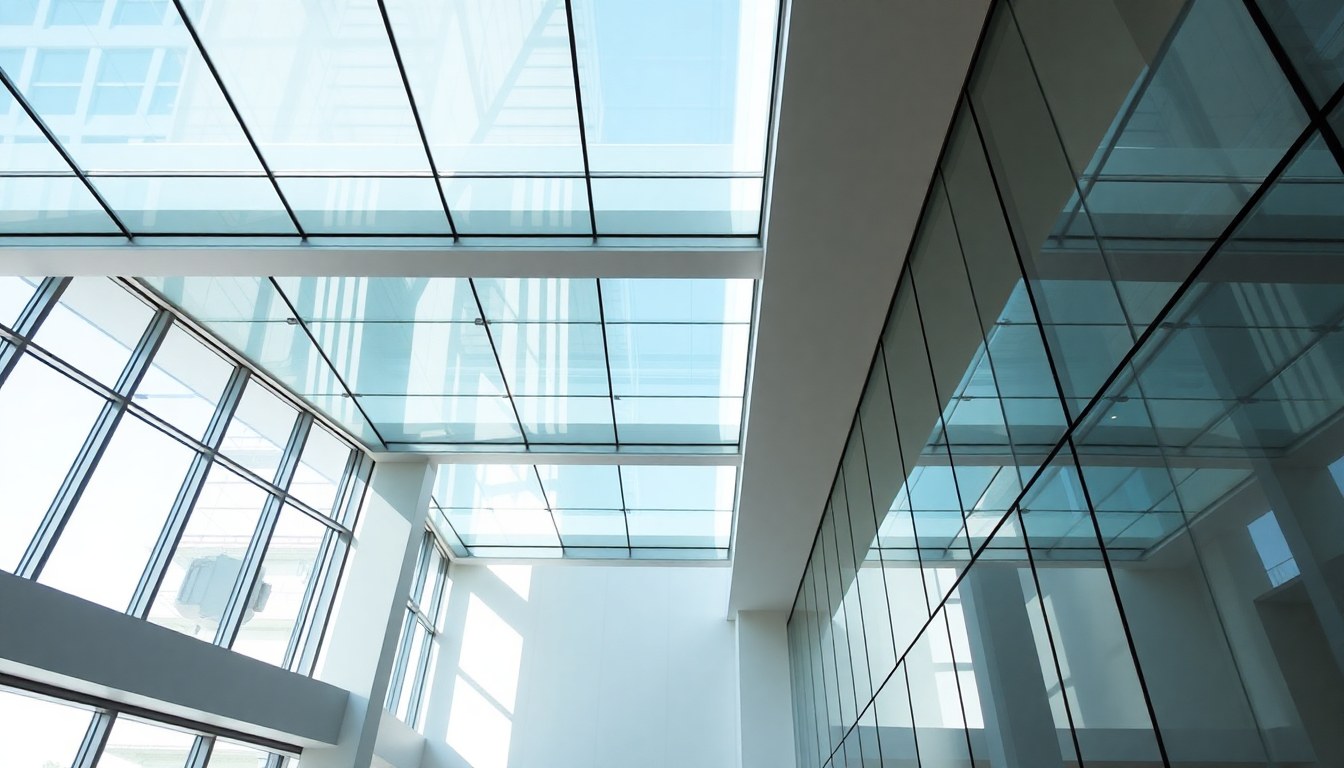
Glass false ceilings combine aesthetic appeal with functional benefits, but their performance depends entirely on proper specification of weight load capacity, fire safety ratings, and acoustic properties. Whether you're planning a modern office, retail space, or residential renovation, understanding these technical parameters ensures your installation meets building codes, safety standards, and performance expectations.
Understanding Weight Load Capacity for Glass False Ceilings
Weight load capacity is the maximum load a suspended glass ceiling system can safely support without structural failure. This includes the weight of the glass panels themselves, the suspension framework, lighting fixtures, HVAC ducts, and any other mounted equipment. Exceeding this limit creates safety hazards and voids manufacturer warranties.
Most modern glass false ceiling systems are engineered to support loads between 50 to 150 kg/m² (kilogram per square meter), depending on the frame material and design. Aluminum frames typically handle lighter loads (50-75 kg/m²), while steel frames support heavier installations (100-150 kg/m²). The suspension system—whether using steel rods, cables, or spring hangers—must be rated for the total anticipated load plus a safety factor of at least 2.5 times.
Calculating Your Load Requirements
Start by determining the weight of all components:
- Glass panels: Toughened glass weighs approximately 25 kg/m² per 10mm thickness
- Frame system: Aluminum frames add 5-8 kg/m²; steel frames add 8-12 kg/m²
- Lighting and fixtures: LED panels (5-8 kg/m²), traditional luminaires (10-15 kg/m²)
- HVAC components: Ducts and dampers can add 15-30 kg/m²
- Sprinkler systems: Pipes and heads add 5-10 kg/m²
Once you have the total load, consult with a structural engineer or the ceiling system manufacturer to confirm the suspension system can handle it. This is especially important in seismic zones across India, where additional bracing may be required.
Fire Rating Standards for Glass False Ceilings
Fire rating is critical for life safety. In India, glass false ceilings must comply with the National Building Code (NBC) and Indian Standards (IS codes), particularly IS 12600 for suspended ceiling systems. The fire rating indicates how long a material resists flame spread, smoke development, and heat release under standardized test conditions.
Glass itself is non-combustible and inherently fire-resistant, but the frame system and suspension components must also meet fire safety requirements. Most modern false ceiling systems achieve a fire rating of Class A or Class 0 (the highest safety classifications), meaning they contribute minimally to fire spread and smoke generation.
Key Fire Rating Parameters
When evaluating fire performance, consider these metrics:
- Flame Spread Rating: Measures how quickly fire travels across the material surface (0-100 scale; lower is better)
- Smoke Development Rating: Indicates smoke production during combustion (0-100 scale)
- Flammability Index: Combined measure of flame spread and smoke; Class A materials score 0-25
- Thermal Resistance: Ability to withstand high temperatures without deformation
For commercial buildings, shopping malls, and healthcare facilities, ensure your glass false ceiling system carries appropriate fire certification. Aluminum and steel frames with fire-rated coatings are standard. Avoid using untreated wood or low-grade plastic components in the suspension system, as these can compromise fire safety. Architects like Bee Homes in Kerala often specify fire-rated systems for high-occupancy buildings.
Acoustic Performance and Sound Insulation
Acoustic performance refers to the ceiling system's ability to absorb sound, reduce noise transmission between floors, and improve overall sound quality within a space. Glass, while aesthetically appealing, is a hard, reflective surface that does not absorb sound. This makes acoustic treatment essential in offices, conference rooms, studios, and hospitality settings.
The acoustic performance of a glass false ceiling system is measured in two ways: Sound Absorption Coefficient (SAC) and Noise Reduction Coefficient (NRC). SAC ranges from 0 to 1, where 0 means no sound absorption and 1 means complete absorption. NRC is similar but expressed as a decimal (0 to 1). For example, an NRC of 0.7 means the material absorbs 70% of incident sound.
Acoustic Solutions for Glass Ceilings
Pure glass ceilings have an NRC of approximately 0.05 (minimal sound absorption). To improve acoustic performance, integrate these solutions:
- Acoustic panels behind glass: Install mineral wool, fiberglass, or open-cell foam panels in the plenum space above glass panels (NRC 0.6-0.9)
- Perforated glass with backing: Use perforated glass (holes 3-5mm diameter) with acoustic material behind it to absorb sound while maintaining transparency (NRC 0.5-0.7)
- Hybrid systems: Combine glass panels with acoustic tiles in alternating sections (NRC 0.4-0.6)
- Sound-damping frames: Rubber or resilient materials in frame joints reduce vibration and noise transmission
- Suspended absorbers: Hanging acoustic panels below the ceiling system improve absorption without blocking light
For offices and open-plan spaces, an NRC of 0.6 or higher is recommended to control reverberation and speech intelligibility. In conference rooms and studios, target NRC 0.7-0.8. The plenum space (gap between glass ceiling and structural ceiling) should be at least 300-400mm to maximize acoustic effectiveness.
Installation Best Practices and Structural Considerations
Proper installation is as important as material selection. Poor installation can compromise structural integrity, fire safety, and acoustic performance. Follow these guidelines to ensure a safe, durable glass false ceiling system.
Pre-Installation Planning
Before work begins, conduct a structural survey of the existing ceiling and supporting structure. Verify that main beams, columns, and walls can support the additional load. In older buildings, structural reinforcement may be necessary. Check for existing utilities—electrical conduits, water pipes, HVAC ducts—and plan routing to avoid conflicts with suspension points.
Suspension System Design
The suspension system is the backbone of your false ceiling. Key design considerations include:
- Suspension points: Space them 1.2 to 1.5 meters apart for optimal load distribution
- Rod or cable diameter: Typically 8-10mm steel rods or 6-8mm wire cables for most commercial applications
- Leveling mechanism: Use adjustable hangers or turnbuckles to ensure the ceiling plane is perfectly level (tolerance ±3mm over 10 meters)
- Seismic bracing: In earthquake-prone regions, add lateral bracing to prevent ceiling sway
All suspension hardware must be galvanized or stainless steel to prevent corrosion, especially in humid climates common across coastal and tropical regions of India.
Glass Panel Installation
Glass panels should be installed in a grid pattern with consistent spacing. Use rubber or silicone gaskets at panel edges to allow for thermal expansion and vibration damping. Panels must be toughened (tempered) glass, which is 4-5 times stronger than annealed glass and breaks into small, harmless fragments if damaged. Typical panel thickness is 8-12mm for residential and commercial applications.
Regulatory Compliance and Standards in India
Glass false ceiling installations in India must comply with several standards and codes:
- National Building Code (NBC) 2016: Mandates fire safety, load-bearing capacity, and structural design requirements
- IS 12600:2016: Indian Standard for suspended ceiling systems—covers design, materials, and installation
- IS 1893 (Part 1):2016: Criteria for earthquake-resistant design of structures
- IS 3632: Code of practice for fire safety of buildings (general principles)
Additionally, local municipal building bylaws vary by state and city. Before starting installation, obtain necessary approvals from your local municipal corporation and fire department. A qualified structural engineer should review and stamp all plans.
Cost and Maintenance Considerations
Glass false ceiling systems are a mid-to-premium choice compared to conventional gypsum or mineral fiber ceilings. Costs in India typically range from ₹400 to ₹800 per square meter for basic systems, and ₹800 to ₹1,500 per square meter for high-end installations with integrated lighting, acoustic treatment, and advanced suspension systems.
Maintenance is straightforward: regular dusting of glass panels (quarterly) and inspection of suspension hardware (annually). Toughened glass is resistant to scratches and stains, and cleaning requires only mild soap and water. Unlike porous ceiling tiles, glass does not harbor dust, allergens, or mold, making it ideal for healthcare and food-processing facilities.
Frequently Asked Questions
What is the maximum weight a glass false ceiling can support?
Most glass false ceiling systems support 50-150 kg/m², depending on frame material and suspension design. Aluminum frames typically support 50-75 kg/m², while steel frames handle 100-150 kg/m². Always consult the manufacturer's specifications and have a structural engineer verify that your specific load (glass, fixtures, HVAC) falls within safe limits.
Are glass false ceilings fire-safe?
Yes, when properly specified. Glass is non-combustible, and modern false ceiling systems achieve Class A or Class 0 fire ratings when using fire-rated frame materials and coatings. However, ensure all components—suspension rods, fasteners, and any insulation in the plenum—also meet fire safety standards as per NBC and IS 12600.
How can I improve the acoustic performance of a glass false ceiling?
Install acoustic panels or mineral wool in the plenum space above the glass, use perforated glass with absorbent backing, or create hybrid systems mixing glass and acoustic tiles. Aim for an NRC of 0.6 or higher in offices. A plenum depth of at least 300-400mm helps maximize sound absorption effectiveness.
What maintenance do glass false ceilings require?
Glass false ceilings are low-maintenance. Clean glass panels quarterly with mild soap and water. Inspect suspension hardware annually for corrosion or loosening, especially in humid environments. Unlike porous ceiling tiles, glass does not degrade over time and does not harbor dust or mold.
Can glass false ceilings be installed in older buildings?
Yes, but a structural survey is essential. Older buildings may require reinforcement of beams or columns to support the additional load. Ensure existing structural elements can safely support the system's weight plus a safety factor of 2.5. Consult a structural engineer before proceeding.
Glass false ceilings offer a modern, durable solution for contemporary interiors, but success depends on careful attention to weight load capacity, fire safety ratings, and acoustic performance. By following the guidelines in this article and working with qualified professionals, you can create a ceiling system that is both beautiful and safe. Explore glass suppliers and installers in your region through the glassy.in directory to find trusted partners for your project.