
Glass Guides
Glass Skylights Maintenance: Cleaning, Sealing, and Leak Prevention Guide
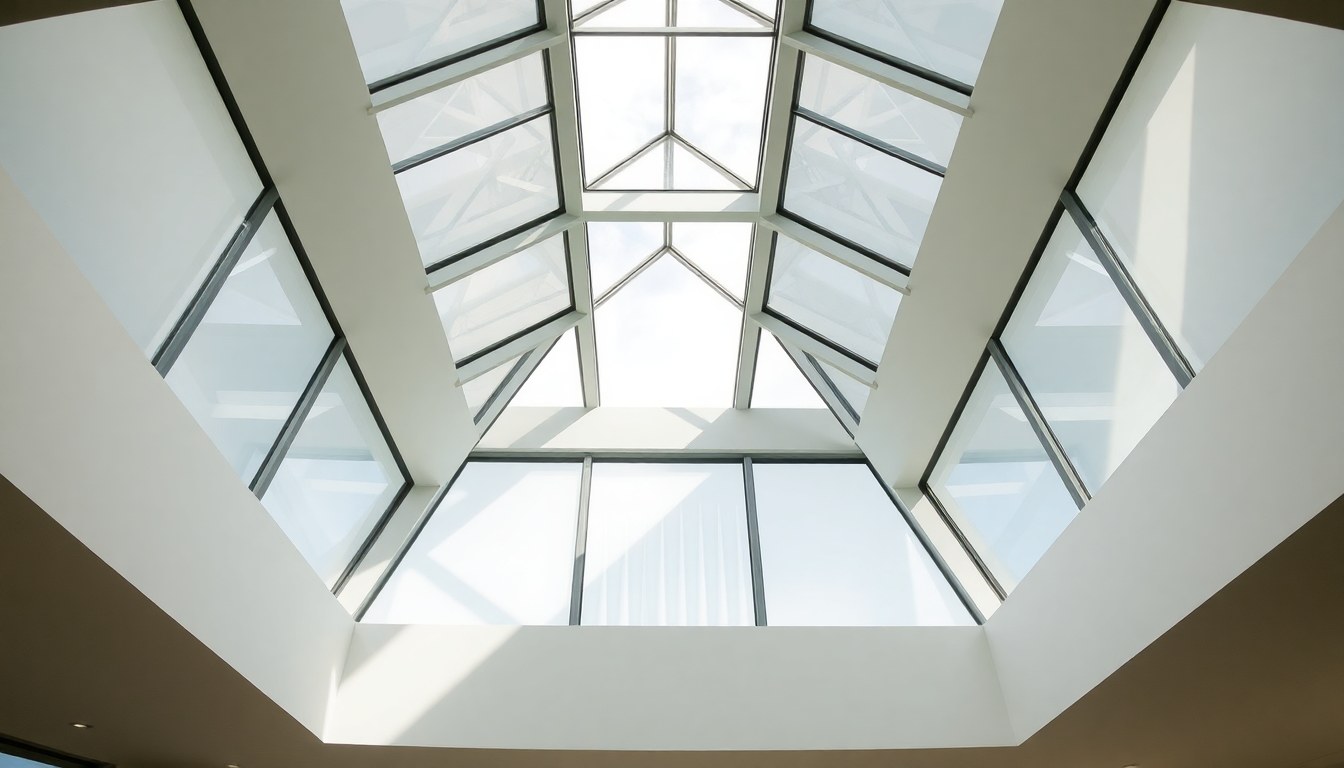
Glass skylights flood your home with natural light and create stunning visual appeal, but they require consistent maintenance to stay leak-free and functional. Whether you live in a monsoon-prone region or experience seasonal rainfall, neglecting skylight upkeep can lead to water damage, mold, and costly repairs. This comprehensive guide walks you through safe cleaning methods, professional resealing techniques, and proven strategies to keep your skylights watertight year-round.
Understanding Your Skylight: Components and Common Issues
Before diving into maintenance, it helps to understand what you're working with. A typical glass skylight consists of the glass pane itself, the frame (usually aluminum or vinyl), flashing that connects the skylight to your roof, sealant or caulk around the frame, and sometimes an internal condensation channel. Each component plays a critical role in keeping water out.
Common issues homeowners face include:
- Condensation buildup between double-glazed panes
- Cracked or cloudy glass from thermal stress
- Failed sealant around the frame edges
- Rusted or corroded flashing
- Water pooling around the frame during heavy rain
Understanding these problems helps you catch them early and prevent expensive water infiltration into your home's interior.
Safe Cleaning Methods for Glass Skylights
Interior Cleaning
Start with interior cleaning, which is safer and easier than exterior work. Use a soft microfiber cloth or squeegee with a solution of equal parts white vinegar and distilled water. This mixture cuts through dust, pollen, and mineral deposits without leaving streaks. For stubborn grime, add a few drops of liquid dish soap to the mixture.
Apply the solution generously and let it sit for 2-3 minutes before wiping with smooth, downward strokes. Avoid abrasive scrubbers or harsh chemicals like bleach, which can damage the glass coating or frame sealant. Dry immediately with a clean, lint-free cloth to prevent water spots.
Exterior Cleaning and Safety Precautions
Exterior cleaning requires more care and ideally should be done during dry weather. Always use proper safety equipment: a secure ladder (not a step stool), a safety harness if your roof is steep, and non-slip shoes. Never lean too far sideways or attempt to clean skylights during rain or wind.
Use the same vinegar-water solution and a soft-bristled brush for exterior surfaces. Remove leaves, moss, and debris that accumulate around the frame—these trap moisture and accelerate sealant failure. Rinse thoroughly with clean water from a garden hose, allowing water to flow away from the frame. Never pressure-wash skylights, as the force can damage the glass or force water behind the frame.
If you're uncomfortable working at heights or your roof is particularly steep, hire a professional window cleaner. The cost (typically ₹2,000–₹5,000 per skylight in Indian cities) is worth the safety assurance and expert care.
Inspecting and Resealing Your Skylight Frame
Identifying Failed Sealant
Sealant or caulk around your skylight frame typically lasts 5–10 years depending on weather exposure and UV intensity. During your regular cleaning, inspect the sealant closely. Look for cracking, peeling, discoloration, or gaps between the frame and the surrounding roof material. If you can insert a coin edge into a crack, the sealant has failed and water can penetrate.
Pay special attention to the lower edges of the frame where water naturally pools. In monsoon-prone regions of India—such as Kerala, Maharashtra, or the Western Ghats—sealant degradation accelerates, so annual inspections are essential.
Step-by-Step Resealing Process
If sealant is failing, remove the old caulk using a caulk removal tool or a flat scraper. Work carefully to avoid scratching the glass or frame. Once removed, clean the joint thoroughly with a cloth dampened in mineral spirits, then allow it to dry completely—ideally overnight.
Choose a high-quality, weather-resistant sealant rated for exterior use. Silicone-based or polyurethane caulks are ideal for Indian climates because they expand and contract with temperature fluctuations. Avoid acrylic caulk, which degrades quickly in heavy rain.
Apply sealant using a caulking gun, working in a continuous, smooth bead along the joint. Use painter's tape on either side of the joint to keep edges clean. Smooth the caulk with a wet finger or caulk tool immediately after application. Allow 24–48 hours for curing before exposing the skylight to rain. Professional resealing typically costs ₹3,000–₹8,000 depending on skylight size and accessibility.
Monsoon-Proofing: Leak Prevention Strategies for Indian Climates
Pre-Monsoon Inspection Checklist
In India, the monsoon season brings intense rainfall that tests every seal and joint. Start your pre-monsoon inspection 4–6 weeks before the rains arrive. Check the following:
- Sealant integrity around all frame edges
- Flashing condition—look for rust, gaps, or separation from the roof
- Gutters and downspouts near the skylight—ensure they're clear and water flows away
- Any visible cracks or chips in the glass
- Interior condensation channels (if present) for blockages or algae growth
- The roof area around the skylight for missing shingles or tiles
Addressing Flashing Issues
Flashing is the metal or composite material that bridges the gap between your skylight frame and the roof structure. It's your first line of defense against water infiltration. If flashing is corroded, rusted, or pulling away from the roof, water will eventually find its way inside.
Minor flashing issues can be sealed with a waterproof sealant rated for metal. For significant corrosion or separation, flashing replacement is necessary—a job best left to a qualified roofer. In Indian cities like Bangalore, Mumbai, or Hyderabad, expect to pay ₹5,000–₹15,000 for professional flashing repair or replacement, depending on complexity.
Roof Drainage and Slope Optimization
Ensure water drains away from your skylight rather than pooling around it. If your roof has a gentle slope, water naturally flows away. However, if the skylight sits in a depression or flat section, consider installing a small roof cricket or saddle—a wedge-shaped structure that diverts water around the skylight. This is a structural modification best handled by a roofer.
Keep gutters and downspouts clear of leaves and debris, especially before monsoon season. Clogged gutters force water to back up and pool around the skylight base, increasing leak risk exponentially.
Addressing Condensation and Interior Moisture
Condensation between double-glazed panes or on interior glass surfaces is common in humid climates like India's coastal regions. While condensation itself isn't a leak, it signals that your skylight's thermal seal may be failing, which eventually leads to water infiltration.
To reduce interior condensation, improve ventilation in the room below the skylight. Use exhaust fans in bathrooms and kitchens, and ensure your home has adequate air circulation. Opening windows for 15–20 minutes daily helps release trapped moisture. If condensation persists between glass panes, the seal has likely failed, and the glass unit will need replacement.
For persistent interior moisture, install a small dehumidifier in the room or apply a temporary anti-condensation coating to the interior glass surface. These coatings are inexpensive (₹500–₹1,500) and can buy time before more permanent solutions are needed.
Seasonal Maintenance Timeline
Establishing a maintenance schedule prevents problems from escalating. Here's a recommended timeline for Indian homeowners:
- March–April (Pre-Summer): Clean interior and exterior glass; inspect sealant and flashing.
- May–June (Pre-Monsoon): Address any identified issues; reseal if necessary; clear gutters and downspouts.
- September–October (Post-Monsoon): Inspect for new damage; check for leaks or water stains on ceilings; clean debris.
- November–December (Pre-Winter): Final inspection; address condensation issues; ensure proper ventilation.
This quarterly approach catches problems early and keeps your skylight functioning optimally throughout the year.
When to Call a Professional
While regular cleaning and minor maintenance are DIY-friendly, certain tasks require professional expertise. Call a qualified technician if you encounter:
- Cracked or severely damaged glass
- Extensive sealant failure or flashing corrosion
- Active leaks or water stains on interior ceilings
- Skylights installed on steep or high roofs where safety is a concern
- Condensation between glass panes (indicates seal failure)
Professional skylight maintenance services in major Indian cities typically charge ₹2,000–₹10,000 per visit, depending on the scope of work. Many offer annual maintenance contracts at discounted rates, which is a smart investment for high-value installations.
Frequently Asked Questions
How often should I clean my glass skylight?
Clean interior skylights monthly or as needed, depending on dust and pollen levels in your area. Exterior cleaning should be done quarterly, with extra attention before monsoon season. In particularly dusty regions or areas with heavy pollen, increase cleaning frequency to bi-weekly.
Can I use a pressure washer to clean skylights?
No. Pressure washers can damage the glass surface, force water behind the frame, or dislodge sealant. Always use gentle methods like soft brushes and low-pressure water from a garden hose. If you need powerful cleaning, hire a professional who uses appropriate techniques.
What's the best sealant for Indian climates?
Silicone or polyurethane-based sealants are ideal for India because they withstand extreme heat, heavy monsoon rains, and UV exposure. Avoid acrylic caulk, which degrades quickly. Always choose products rated for exterior use and suitable for your specific frame material (aluminum, vinyl, or composite).
How do I know if my skylight is leaking?
Signs of a leaking skylight include water stains on interior ceilings, damp patches around the frame, mold or mildew growth, peeling paint, or a musty odor. During heavy rain, observe whether water pools around the frame or drips inside. Address leaks immediately to prevent structural damage and mold.
Is skylight replacement cheaper than repair in India?
For minor issues—cracked sealant, condensation, or small leaks—repair costs ₹2,000–₹8,000. Full skylight replacement typically costs ₹15,000–₹50,000 depending on size and material. Repair is almost always more economical, but if your skylight is over 15 years old or severely damaged, replacement might be the better long-term investment.
Maintaining your glass skylight doesn't require specialized expertise—just consistent attention and timely repairs. By following this guide and staying proactive, especially during India's monsoon season, you'll enjoy years of leak-free natural light and avoid costly water damage. For professional skylight installation, repair, or cleaning services, explore verified glass professionals and contractors on glassy.in, India's most trusted glass-business directory.