
Glass Guides
Laminated Glass for Skylights: Safety & UV Protection Explained
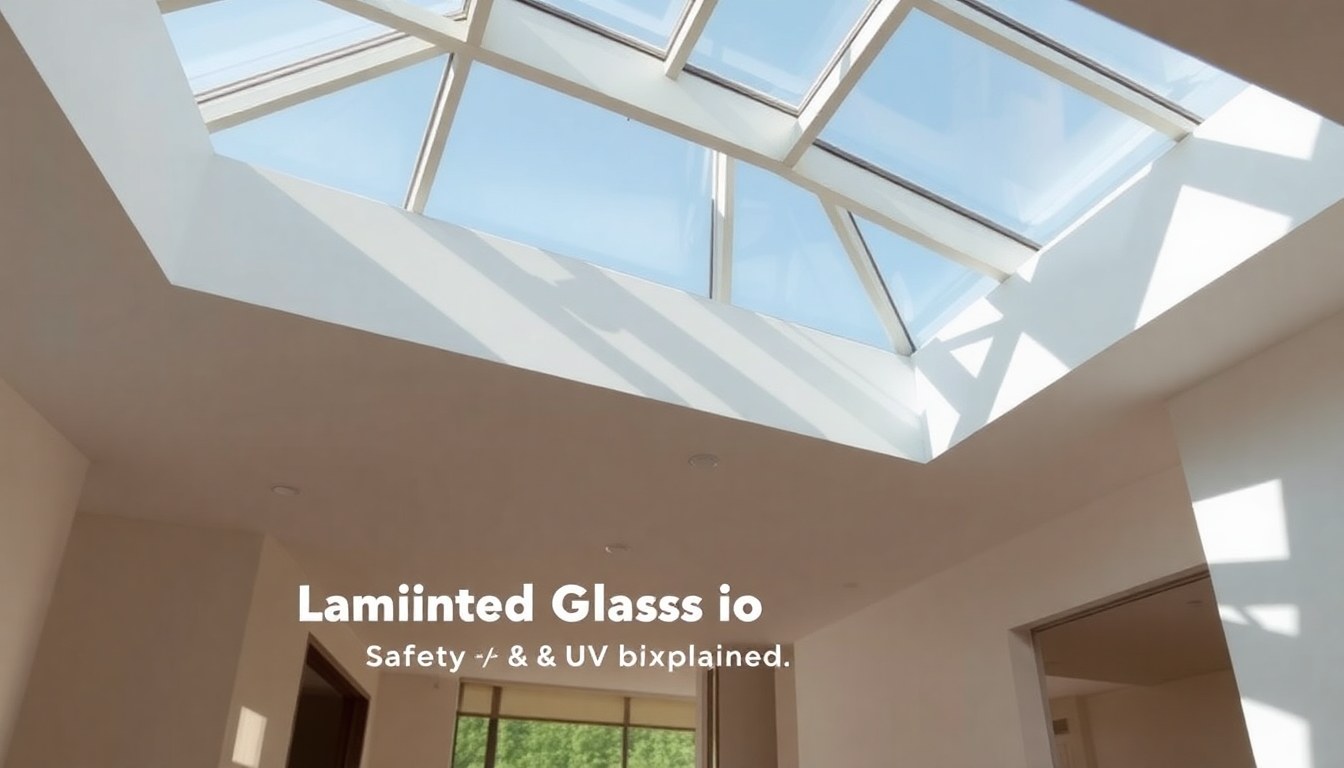
Skylights flood your home with natural light, but choosing the right glass is critical for safety and comfort. Laminated glass—not tempered glass—is the gold standard for overhead skylights because it holds together when broken, filters harmful UV rays, and prevents condensation buildup. This guide explains why laminated glass is the smarter choice and how to select the right specifications for your climate.
Why Laminated Glass Beats Tempered Glass for Skylights
Many homeowners assume tempered glass is always safer because it's used in car windows and shower enclosures. However, tempered glass has a critical flaw for skylights: when it breaks, it shatters into small, harmless cubes—but there's nothing holding those pieces together. If a branch falls or hail strikes your skylight, tempered glass fragments rain down into your home, creating a dangerous mess and exposing your interior to weather.
Laminated glass, by contrast, consists of two or more glass panes bonded with a polyvinyl butyral (PVB) interlayer. When impact occurs, the glass cracks but the PVB layer holds the fragments in place, like a car windshield. This means:
- Broken glass stays in the frame instead of falling into your living space
- Your home remains weather-sealed even after impact
- The risk of injury from falling shards is virtually eliminated
- Repair is simpler because the structural integrity is maintained
Building codes across India increasingly recommend or mandate laminated glass for skylights, particularly in areas prone to heavy rainfall, hail, or high winds. In cities like Bangalore, Chennai, and Mumbai, where monsoon impact is significant, laminated glass has become the standard choice among architects and builders.
Understanding the PVB Interlayer and Its Benefits
What Is PVB and How Does It Work?
Polyvinyl butyral (PVB) is a plastic resin that bonds glass sheets together while remaining flexible. Unlike traditional adhesives, PVB absorbs impact energy, which is why it's used in aircraft windshields and military applications. In skylights, the PVB layer typically ranges from 0.76 mm to 1.52 mm thick, with thicker layers providing greater impact resistance.
The PVB interlayer also acts as a sound dampener, reducing external noise by up to 50%. If your home is near a busy road or airport, laminated glass skylights provide a quieter interior environment.
Standard vs. High-Performance PVB Options
Standard PVB interlayers meet basic safety requirements and are suitable for most residential applications. High-performance PVB options include acoustic variants (for noise reduction) and security variants (for enhanced impact resistance). In India, pricing for laminated skylights typically ranges from ₹2,500 to ₹8,000 per square meter depending on thickness and interlayer type.
UV Protection: Choosing the Right Glass Specification
How UV Rays Damage Your Home
Unfiltered sunlight through skylights causes furniture fading, artwork deterioration, and increased cooling loads. Ultraviolet (UV) radiation is strongest between 10 AM and 4 PM and intensifies in tropical climates like India's. Laminated glass naturally blocks about 99% of UV-A and UV-B rays because the PVB interlayer absorbs these wavelengths—a benefit that tempered glass does not provide.
UV-Filtering Glass Options
For maximum UV protection, specify laminated glass with UV-filtering interlayers. These options include:
- Standard PVB: Blocks 99% of UV rays; suitable for most homes
- Tinted PVB: Adds color (bronze, gray, or green) to reduce visible light transmission by 20–50%; ideal for hot climates
- Low-E Coated Laminated Glass: Reflects infrared heat while maintaining clarity; reduces cooling costs by 10–20% in summer
- Photochromic Laminated Glass: Darkens in bright sunlight and clears indoors; premium option for variable light control
In Delhi, Hyderabad, and Pune, where summer temperatures exceed 40°C, tinted or low-E laminated glass is increasingly popular because it reduces air conditioning demand and protects interior finishes from sun damage.
Condensation Prevention in Humid Climates
Skylight condensation is a common problem in humid regions, especially during monsoon seasons in coastal and Western India. Condensation forms when warm, moist indoor air contacts cold glass surfaces. While laminated glass itself doesn't prevent condensation, it enables better condensation management through proper installation and ventilation design.
Key strategies include:
- Thermal Break Design: Specify skylights with insulated frames that reduce the temperature difference between glass and indoor air
- Ventilation: Install operable skylights or nearby exhaust fans to remove moisture-laden air
- Double-Glazed Laminated Units: Use laminated glass in an insulated glazing unit (IGU) with an air gap; this dramatically reduces condensation compared to single-pane laminated glass
- Proper Sealing: Ensure flashing and seals are waterproof to prevent external moisture from entering the frame cavity
- Interior Drainage: Install skylight frames with built-in drainage channels that direct water away from living spaces
In Bangalore and Chennai, where humidity levels remain high year-round, double-glazed laminated skylights with thermal breaks are the recommended standard. The initial cost is higher (₹5,000–₹10,000 per square meter), but energy savings and durability justify the investment.
Installation Best Practices for Laminated Glass Skylights
Proper installation is essential to realize the safety and performance benefits of laminated glass. Poor installation can compromise the structural integrity of the interlayer and lead to premature failure.
Professional Installation Requirements
Always hire certified installers who have experience with laminated glass skylights. Key installation steps include:
- Ensuring the roof opening is structurally sound and properly sized
- Installing flashing that directs water away from the frame and into gutters
- Sealing all gaps with weatherproof sealant (silicone or polyurethane)
- Securing the skylight frame with fasteners spaced no more than 150 mm apart
- Testing for water leaks before final inspection
Climate-Specific Considerations
In areas with heavy monsoon rainfall (Mumbai, Goa, Kerala), ensure the skylight is installed with a slope of at least 5–10 degrees to promote water drainage. In windy regions (coastal areas and hill stations), use reinforced frames and additional fasteners. In hot, arid climates (Rajasthan, Gujarat), specify low-E or tinted laminated glass to reduce solar heat gain.
Cost Considerations and Long-Term Value
Laminated glass skylights cost 20–40% more than tempered glass alternatives, but the investment pays dividends in safety, durability, and energy efficiency. A typical 1.2 m × 1.2 m laminated glass skylight in India costs ₹8,000–₹15,000 installed, compared to ₹5,000–₹10,000 for tempered glass.
Long-term benefits include:
- Reduced insurance claims for glass-related damage
- Lower cooling costs due to UV filtering (10–20% savings in summer)
- Extended lifespan of interior furnishings and artwork
- Improved home resale value due to safety and energy efficiency features
- Peace of mind during severe weather events
Many insurance companies offer discounts (2–5%) on home insurance premiums when laminated glass is installed in overhead glazing, effectively reducing the net cost difference.
Frequently Asked Questions
Is laminated glass heavier than tempered glass?
Yes, laminated glass is slightly heavier due to the PVB interlayer, but the weight difference is negligible (10–15%) and does not affect standard skylight installation. The structural frame is designed to support the additional weight without reinforcement.
Can laminated glass be repaired if cracked?
Laminated glass cannot be repaired once cracked because the structural integrity of the interlayer is compromised. However, the glass remains in the frame and can be safely removed and replaced by a professional. Replacement typically costs ₹3,000–₹7,000 per pane depending on size and specifications.
Does laminated glass reduce natural light transmission?
Standard clear laminated glass transmits 88–90% of visible light, compared to 92% for tempered glass. The difference is imperceptible to the human eye. Tinted or low-E options reduce transmission by 20–50%, but this is intentional for heat and UV control.
How long do laminated glass skylights last?
With proper installation and maintenance, laminated glass skylights last 20–30 years. The PVB interlayer can degrade if exposed to prolonged UV radiation and moisture, but quality skylights include UV-protected interlayers that extend lifespan. Regular cleaning and sealant inspection every 5 years ensure optimal performance.
Are laminated glass skylights suitable for all Indian climates?
Yes, laminated glass is suitable for all Indian climates, but specifications should match local conditions. Coastal regions benefit from enhanced drainage and thermal breaks. Hot, arid regions benefit from tinted or low-E options. Monsoon-prone areas require sloped installation and robust flashing. Consult with a local glass supplier to select the right specification for your region.
Ready to upgrade your home with safe, energy-efficient skylights? Browse certified glass suppliers and installers in your city on the glassy.in directory. Compare quotes, read reviews, and find the perfect laminated glass solution for your home today.