
Glass Facades
Tinted Glass for Shopfront Facades: UV Protection, Privacy & Brand Identity
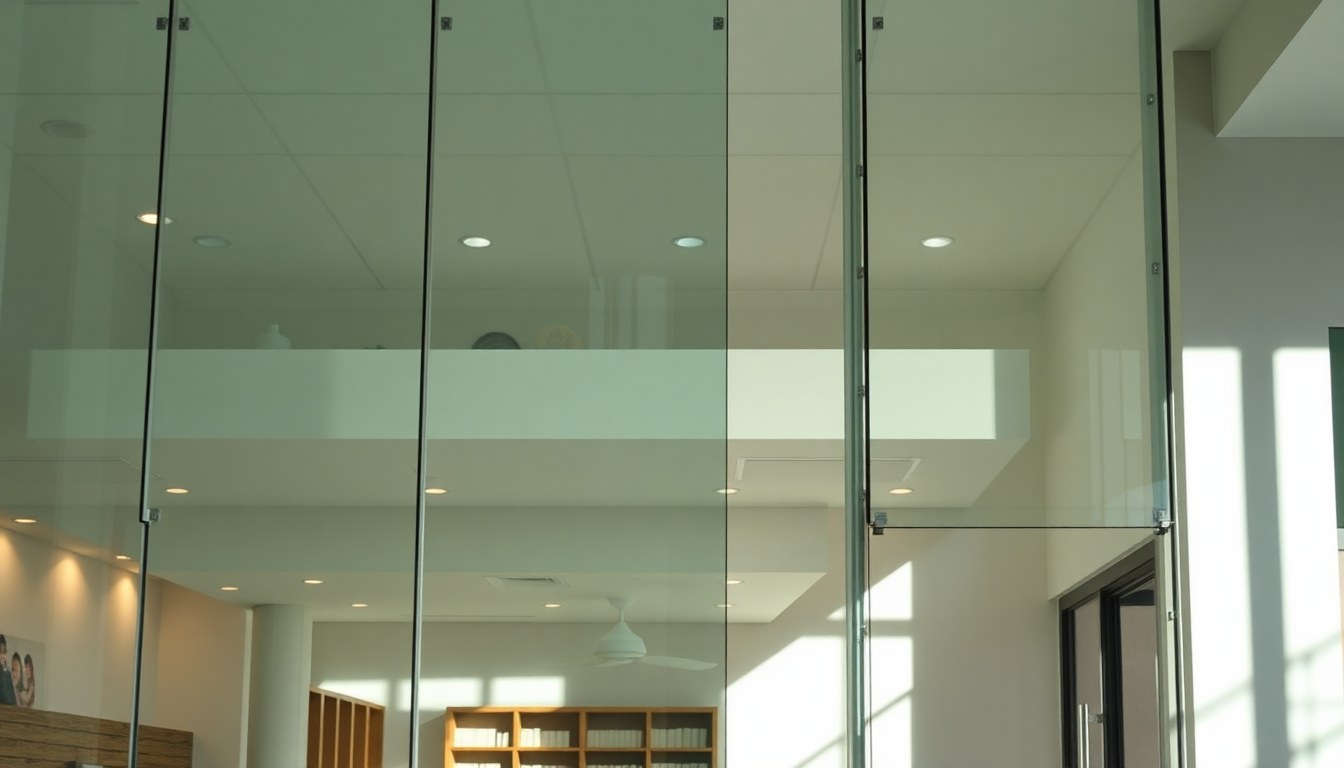
A shopfront's glass facade is your retail space's first impression—and tinted glass takes that impression from functional to strategic. Whether you're protecting merchandise from harmful UV rays, creating privacy without sacrificing visibility, or establishing a distinctive brand identity, tinted glass solutions deliver multiple benefits in one elegant package. This guide walks you through the practical and aesthetic advantages of tinted shopfront facades, helping you choose the right tint for your retail environment.
Why Tinted Glass Matters for Modern Retail Storefronts
Retail storefronts face constant environmental and commercial pressures. Large expanses of untreated glass allow UV radiation to penetrate freely, fading merchandise, interior furnishings, and display materials within months. At the same time, excessive transparency can expose inventory to theft risk and make interiors uncomfortably warm during peak sunlight hours. Tinted glass addresses these challenges while elevating your storefront's visual appeal.
Beyond protection, tinted glass communicates brand personality. A luxury jewelry store might opt for sophisticated gray tints that convey exclusivity, while a contemporary fashion boutique might choose bronze tints for warmth and approachability. The right tint becomes part of your brand language, visible to every passerby.
UV Protection: Safeguarding Merchandise and Interiors
Ultraviolet radiation causes rapid fading and deterioration of fabrics, leather, artwork, and dyes. In India's intense tropical climate, especially in cities like Delhi, Mumbai, and Bangalore, unprotected merchandise can lose color and quality within 6–12 months of direct sunlight exposure. Tinted glass blocks 99% of harmful UV rays while still allowing visible light to showcase your products effectively.
How UV Blocking Works in Tinted Glass
Tinted glass achieves UV protection through two mechanisms: the tint itself absorbs UV wavelengths, and modern tinted products often include additional UV-blocking coatings. Bronze and gray tints are particularly effective because their darker composition naturally filters more UV radiation than lighter alternatives. This protection extends the lifespan of inventory and reduces the need for frequent merchandise rotation or replacement.
Retailers stocking luxury items—clothing, cosmetics, books, or artwork—see measurable cost savings from UV-protective tinting. A fashion retailer in Bangalore reported that switching to bronze-tinted storefronts reduced color fading complaints by over 80% within the first year.
Privacy and Security Without Sacrificing Display Appeal
Transparency and privacy often seem contradictory in retail design. Tinted glass solves this tension by allowing customers to see inside while preventing clear visibility from extreme angles or at night. This approach deters casual theft and reduces the appeal of your storefront as a target, while maintaining the visual connection that draws customers in.
Evening security improves significantly with tinted glass. When interior lighting is on and external light fades, tinted glass creates a one-way effect—passersby see an attractive, well-lit display, but cannot easily make out small, high-value items or interior layout details. This design principle is widely used in jewelry stores, electronics retailers, and luxury boutiques across Indian metros.
Balancing Visibility and Discretion
The key is selecting the right tint density. Light gray or light bronze tints (around 50% visible light transmission) maintain excellent product visibility while providing meaningful privacy. Darker tints (30–40% transmission) offer stronger privacy and security but may require enhanced interior lighting to keep displays inviting. Most successful retail storefronts use medium-density tints that strike this balance.
Heat Reduction and Energy Efficiency
India's climate demands energy-conscious design. Tinted glass reduces solar heat gain by reflecting and absorbing infrared radiation, lowering cooling costs significantly. A shopfront with bronze-tinted glass can reduce interior air-conditioning load by 20–30%, translating to monthly savings of ₹3,000–₹8,000 depending on storefront size and local electricity rates.
This benefit extends beyond cost savings. Reduced heat means more comfortable customer experiences, less thermal stress on merchandise, and improved working conditions for staff. During peak summer months in cities like Hyderabad or Ahmedabad, this difference is immediately noticeable.
Tint Options: Bronze, Gray, and Custom Solutions
Bronze Tinted Glass
Bronze tints offer warmth and sophistication, making them ideal for fashion, jewelry, and lifestyle retail. They provide excellent UV protection while maintaining a welcoming appearance. Bronze tints work particularly well in storefronts where you want to convey luxury, tradition, or approachability. The warm tone complements interior lighting and makes product displays appear inviting during both day and evening hours.
Gray Tinted Glass
Gray tints deliver a modern, neutral aesthetic that suits contemporary retail environments. They provide maximum UV protection while appearing sleek and professional. Gray is the preferred choice for tech retailers, minimalist brands, and corporate showrooms. The neutral tone doesn't compete with interior design and allows products to be the focal point of customer attention.
Custom Tinted Solutions
For brands seeking distinctive identity, custom tints are available in colors ranging from light amber to deep blue or green. Custom tinting requires coordination with your glass supplier and typically involves a 4–6 week lead time. Custom solutions cost 15–25% more than standard bronze or gray but create unmistakable brand recognition. A custom rose-tinted shopfront in a Delhi luxury mall, for example, became instantly recognizable and generated significant social media visibility.
Installation and Maintenance Considerations
Tinted glass for shopfronts is typically installed as tempered or laminated glass panels, ensuring safety and durability. Tempered tinted glass is ideal for most retail applications because it's shatter-resistant and offers good thermal performance. Laminated tinted glass is preferred where security is paramount—if the glass breaks, the interlayer holds fragments together, preventing easy entry.
Maintenance is straightforward: regular cleaning with mild soap and water preserves the tint's appearance. Avoid abrasive cleaners or rough cloths that can scratch the surface. Professional cleaning every 3–6 months keeps storefronts looking premium and maintains light transmission clarity.
Cost Considerations
Standard bronze or gray tinted glass costs ₹800–₹1,500 per square meter installed, depending on glass thickness (typically 8–10mm for storefronts), location, and supplier. Custom tints range from ₹1,200–₹2,000 per square meter. A typical 30 square meter shopfront facade costs ₹24,000–₹60,000 for tinted glass installation. While this represents an upfront investment, the combined savings from reduced cooling costs, merchandise protection, and enhanced security typically justify the expense within 2–3 years.
Design Best Practices for Tinted Shopfront Facades
Successful tinted glass storefronts balance aesthetics with functionality. Interior lighting design becomes crucial—ensure your display lighting is bright enough to overcome the tint's light-reducing effect. Warm LED lighting (2700–3000K color temperature) complements bronze tints, while cooler lighting (4000–5000K) suits gray tints.
Consider the surrounding architecture and streetscape. A bronze-tinted storefront harmonizes well with traditional or warm-colored building facades, while gray tints suit modern, minimalist environments. Test tint samples on your actual storefront during different times of day before committing to installation.
Signage placement matters too. Ensure brand signage, logos, and product displays are positioned to maximize visibility through the tinted glass. Avoid placing important text or small details too far back from the glass surface, as the tint reduces visibility of distant objects more than foreground elements.
Frequently Asked Questions
Does tinted glass reduce natural light too much inside the store?
Tinted glass reduces visible light by 30–50% depending on tint density, but this is manageable with proper interior lighting design. Most retailers compensate with LED display lighting and ambient illumination, which also saves energy. The slight reduction in natural light is offset by improved product visibility, reduced glare, and better visual comfort for customers and staff.
Can tinted glass be applied to existing storefronts, or does it require replacement?
Both options are possible. If your existing glass is in good condition, UV-protective film can be applied to the surface—a cost-effective solution costing ₹300–₹600 per square meter. However, full glass replacement with tinted panels is more durable and provides better aesthetic results. Most retailers opt for replacement when renovating or opening new locations.
How long does tinted glass last?
Quality tinted glass lasts 15–20 years or longer with proper maintenance. The tint itself doesn't fade because it's integrated into the glass during manufacturing. Laminated tinted glass may require interlayer replacement after 25–30 years if damaged, but this is rare in retail storefronts.
Will tinted glass affect my storefront's ability to display merchandise at night?
No—in fact, tinted glass enhances nighttime displays. When interior lights are on and external light is low, the tint creates a one-way visibility effect. Your products appear vibrant and well-lit to passersby, while the tint prevents clear visibility of interior details from outside. This is a significant security advantage for high-value merchandise.
What's the difference between tinted glass and reflective glass?
Tinted glass absorbs light and reduces visibility in both directions relatively equally. Reflective glass (mirrored) bounces light back and severely limits inward visibility. For retail storefronts, tinted glass is superior because it maintains product visibility while offering privacy and UV protection. Reflective glass is better suited to office buildings where privacy is the primary concern.
Choose the Right Tinted Glass for Your Retail Vision
Tinted glass transforms storefronts into strategic assets—protecting merchandise, reducing energy costs, enhancing security, and communicating brand identity simultaneously. Whether you're launching a new retail space or upgrading an existing storefront, understanding the benefits of bronze, gray, and custom tints empowers you to make decisions aligned with your business goals and customer experience vision.
Ready to explore tinted glass options for your shopfront? Browse verified glass suppliers, manufacturers, and installation specialists on glassy.in, India's largest glass-business directory. Connect with trusted professionals in your city who specialize in retail facade solutions and can guide you through selection, design, and installation.