
Toughened Glass
Tinted Glass for Retail Shopfronts: UV Protection, Privacy & Brand Identity
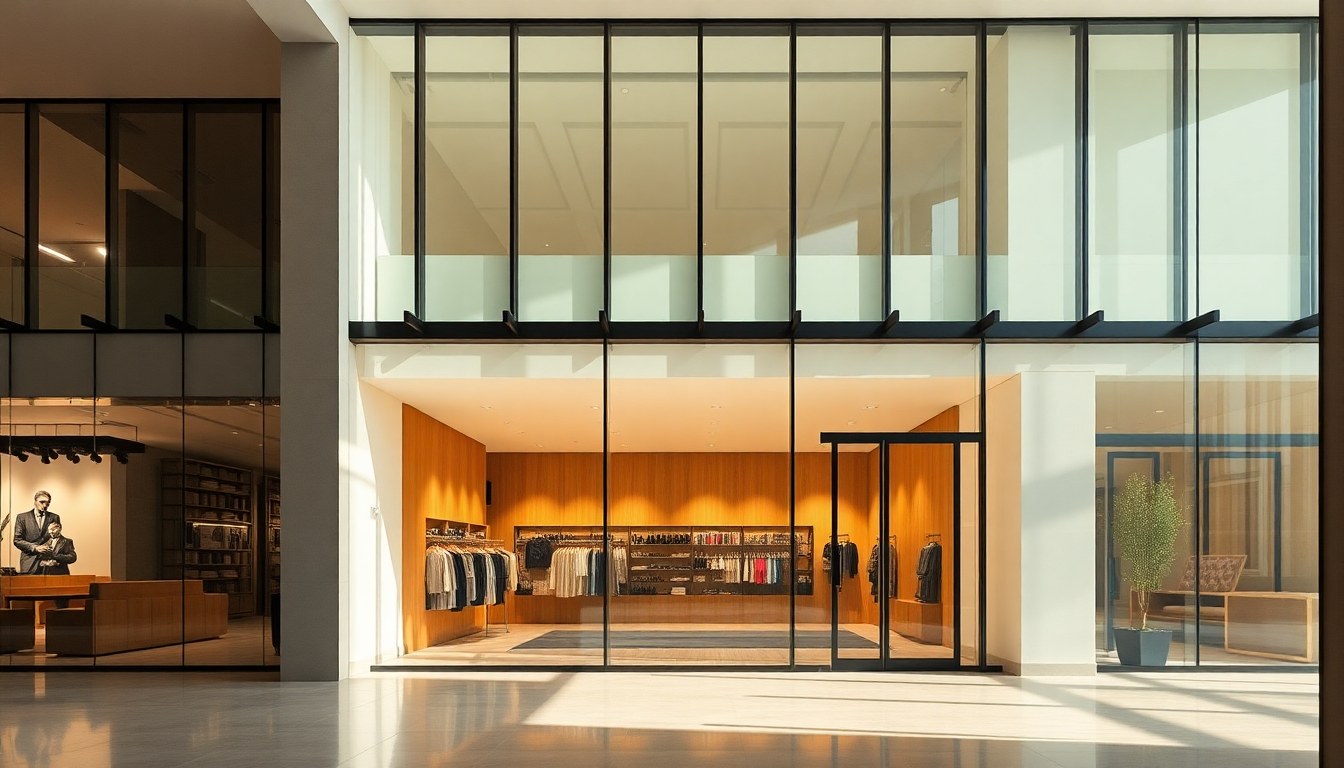
Tinted glass has become a cornerstone solution for retail businesses seeking to protect valuable merchandise, maintain customer privacy, and reinforce brand identity simultaneously. Whether you operate a boutique in Ahmedabad or a flagship store in any Indian city, the right tinted glass installation can reduce fading damage, cut energy costs, and create a polished storefront that stands out on crowded shopping streets. This guide explores how tinted glass works, which colors suit different retail needs, and how to implement it effectively on your shopfront facade.
Why UV Protection Matters for Retail Merchandise
Ultraviolet (UV) radiation is invisible but relentless. Sunlight streaming through untreated glass windows fades fabrics, discolors artwork, degrades leather goods, and diminishes the visual appeal of cosmetics, wines, and collectibles within days or weeks. For retailers, this means constant restocking, reduced product shelf life, and higher operational costs. Tinted glass blocks 99% of harmful UV rays, preserving the integrity and color vibrancy of displayed items without requiring additional protective measures.
The damage occurs even on cloudy days. UV rays penetrate cloud cover and reflect off surfaces, meaning your merchandise faces exposure risk year-round. By installing quality tinted glass, you extend product longevity, reduce waste, and maintain the visual appeal that attracts customers into your store. This is particularly critical for jewelry stores, clothing boutiques, art galleries, and luxury goods retailers where product presentation directly influences purchasing decisions.
Energy Efficiency and Customer Comfort
Beyond merchandise protection, tinted glass reduces solar heat gain by 40–50%, lowering air-conditioning costs during India's hot months. This creates a more comfortable shopping environment while reducing your carbon footprint. Customers spend longer browsing when they're not battling heat glare, which can translate to increased sales and improved customer satisfaction.
Color Options: Bronze, Grey, and Blue Tints
Tinted glass comes in multiple colors, each offering distinct aesthetic and functional benefits. The choice depends on your brand identity, merchandise type, and the visual impression you want to create on your storefront.
Bronze Tinted Glass
Bronze tint is warm, inviting, and popular among luxury retailers. It provides excellent UV protection while imparting a sophisticated, upscale appearance to storefronts. Bronze glass reduces glare effectively and creates a sense of exclusivity without completely obscuring the window display. This shade works particularly well for jewelry stores, high-end clothing boutiques, and lifestyle brands. The warm tone complements most architectural styles and creates a welcoming entry point that encourages foot traffic.
Grey Tinted Glass
Grey is the most neutral option, offering a contemporary, professional look suitable for corporate retail environments, electronics stores, and minimalist design-focused brands. Grey tint provides consistent UV protection while maintaining clarity and visibility into the store. It's ideal if you want to emphasize window displays without the color cast of bronze or blue. Grey also works well in mixed-use commercial complexes where architectural consistency matters.
Blue Tinted Glass
Blue tint creates a modern, cool aesthetic that appeals to tech-forward retailers, wellness brands, and contemporary fashion stores. It offers strong UV protection while creating a distinctive visual identity that stands out on busy shopping streets. Blue tint can make storefronts appear larger and more inviting, though it works best when your brand identity aligns with the cool color palette. Some retailers use blue tint to subtly communicate innovation or trustworthiness.
Privacy Without Sacrificing Visibility
Retail storefronts face a paradox: you want customers to see your merchandise, but you also want to protect privacy for fitting rooms, storage areas, and back-office spaces. Tinted glass solves this elegantly. The tint reduces visibility from outside during the day while allowing clear views from inside looking out. At night, when interior lighting is brighter, the glass provides more substantial privacy from the street.
For retailers in Ahmedabad and other Indian cities, this balance is crucial. A storefront that's too opaque discourages window shopping and impulse purchases. Tinted glass maintains that critical visual connection between passersby and your displays while preventing detailed visibility of back-room operations or fitting areas. You can also combine tinted glass with strategic merchandise placement to guide customer attention to your best-selling items.
Combining Tint with Frosted or Etched Sections
Many retailers use a hybrid approach: clear or lightly tinted glass for main display windows, paired with frosted or etched sections for privacy in specific areas. This technique allows you to showcase premium merchandise while maintaining privacy where needed. Frosted sections can also feature your brand logo or store name, creating additional branding opportunities.
Installation Considerations for Shopfront Facades
Installing tinted glass on retail shopfronts requires professional expertise. Improper installation can lead to thermal stress, seal failure, and reduced UV protection effectiveness. Here are key factors to consider:
- Glass Type: Toughened (tempered) glass is essential for retail storefronts. It's stronger than annealed glass, resists thermal shock, and shatters into small, harmless granules if broken—critical for public safety in high-traffic areas.
- Tint Application Method: Tint can be applied during manufacturing (body tint) or applied as a film after installation (surface tint). Body tint is more durable and uniform, while film application is more affordable and reversible.
- Frame Material: Aluminum frames are standard for retail storefronts in India, offering durability, low maintenance, and modern aesthetics. Ensure frames are powder-coated for weather resistance.
- Seal Quality: Proper sealing prevents moisture ingress and maintains the glass's thermal and acoustic properties. Use silicone sealants rated for Indian climate conditions.
- Local Building Codes: Ahmedabad and other Indian cities have building regulations governing storefront glazing. Ensure your installation complies with local fire safety, structural, and accessibility standards.
Professional Installation in Ahmedabad
Ahmedabad's retail districts—including areas around C.G. Road, Satellite, and Thaltej—host numerous glass fabricators and installation specialists. When selecting an installer, verify their experience with commercial storefronts, check references from other retail clients, and ensure they provide warranty coverage for both materials and workmanship. A reputable installer will conduct a site survey, assess thermal and structural requirements, and provide a detailed project timeline.
Cost and ROI for Retail Storefronts
The cost of tinted glass installation varies based on glass size, thickness, tint color, and frame specifications. In India, expect to invest ₹800–₹2,500 per square meter for quality tinted tempered glass with professional installation. While this represents a meaningful upfront expense, the return on investment is substantial.
Retailers typically recover this investment within 2–3 years through reduced merchandise replacement costs, lower air-conditioning expenses, and increased sales driven by improved window displays and customer comfort. Additionally, tinted glass enhances your store's perceived value and professionalism, supporting premium pricing strategies. For a 50 square meter storefront, the total investment might range from ₹40,000 to ₹1,25,000—a cost that's easily offset by merchandise preservation and energy savings over a 10–15 year lifespan.
Brand Identity and Aesthetic Impact
Your storefront is your brand's first impression. Tinted glass contributes significantly to visual identity and perceived quality. Luxury brands often use bronze or grey tints to convey sophistication. Contemporary brands favor blue or grey for a modern edge. The color consistency across all storefront windows creates visual harmony and reinforces brand recognition as customers walk past your store repeatedly.
Tinted glass also allows you to control the narrative of your window displays. The slight color cast creates a curated, gallery-like environment that draws attention to specific merchandise. This psychological effect—combined with strategic lighting and display design—increases dwell time and purchase likelihood. Retailers report that well-designed tinted storefronts feel more intentional and professional, encouraging customers to perceive products as higher quality.
Frequently Asked Questions
Does tinted glass block all UV rays?
High-quality tinted glass blocks approximately 99% of harmful UVA and UVB rays. The remaining 1% is negligible and won't cause noticeable fading over reasonable timeframes. For maximum protection, specify glass with UV-blocking coatings during the manufacturing process rather than relying solely on the tint itself.
Can I see inside a tinted glass storefront at night?
Yes, but visibility increases when interior lighting is on. During daylight, the tint creates a one-way privacy effect—people outside see a tinted reflection, while you see clearly outward. At night, interior lights make the interior visible from outside, though the tint still reduces clarity compared to untreated glass. This is normal and expected behavior.
How long does tinted glass last?
Body-tinted tempered glass lasts 15–20+ years with minimal degradation. Film-applied tints typically last 10–15 years before showing signs of fading or peeling, depending on sun exposure and maintenance. Proper cleaning with mild soap and soft cloths extends lifespan. Avoid abrasive cleaners or rough materials that can scratch the surface.
Is tinted glass more expensive than regular storefront glass?
Yes, tinted glass costs 30–50% more than standard clear tempered glass. However, the added cost is justified by UV protection, energy savings, and enhanced aesthetics. Most retailers find the investment worthwhile given the merchandise preservation benefits and improved customer experience.
Can I change the tint color later if I rebrand?
If you use film-applied tint, yes—it can be removed and replaced. Body-tinted glass is permanent and cannot be changed without replacing the entire glass panels. This is why some retailers prefer film tint for flexibility, though body tint is more durable. Discuss your long-term branding plans with your glass supplier before installation.
Conclusion: Transform Your Retail Storefront Today
Tinted glass is a practical, aesthetically powerful investment for retail storefronts across India. Whether you prioritize merchandise protection, energy efficiency, privacy, or brand identity, the right tinted glass solution delivers measurable benefits. Bronze, grey, and blue options allow you to align glass selection with your brand vision while safeguarding your inventory and creating a comfortable shopping environment.
Ready to upgrade your storefront? Explore certified glass suppliers and installation specialists on glassy.in, India's largest glass-business directory. Connect with experienced professionals in Ahmedabad and nationwide who can guide you through color selection, installation planning, and long-term maintenance. Your retail success starts with the right storefront—make it shine with tinted glass.