
Toughened Glass
Glass Elevator Shaft Enclosures: Fire Rating and Structural Code for Delhi Metro Stations
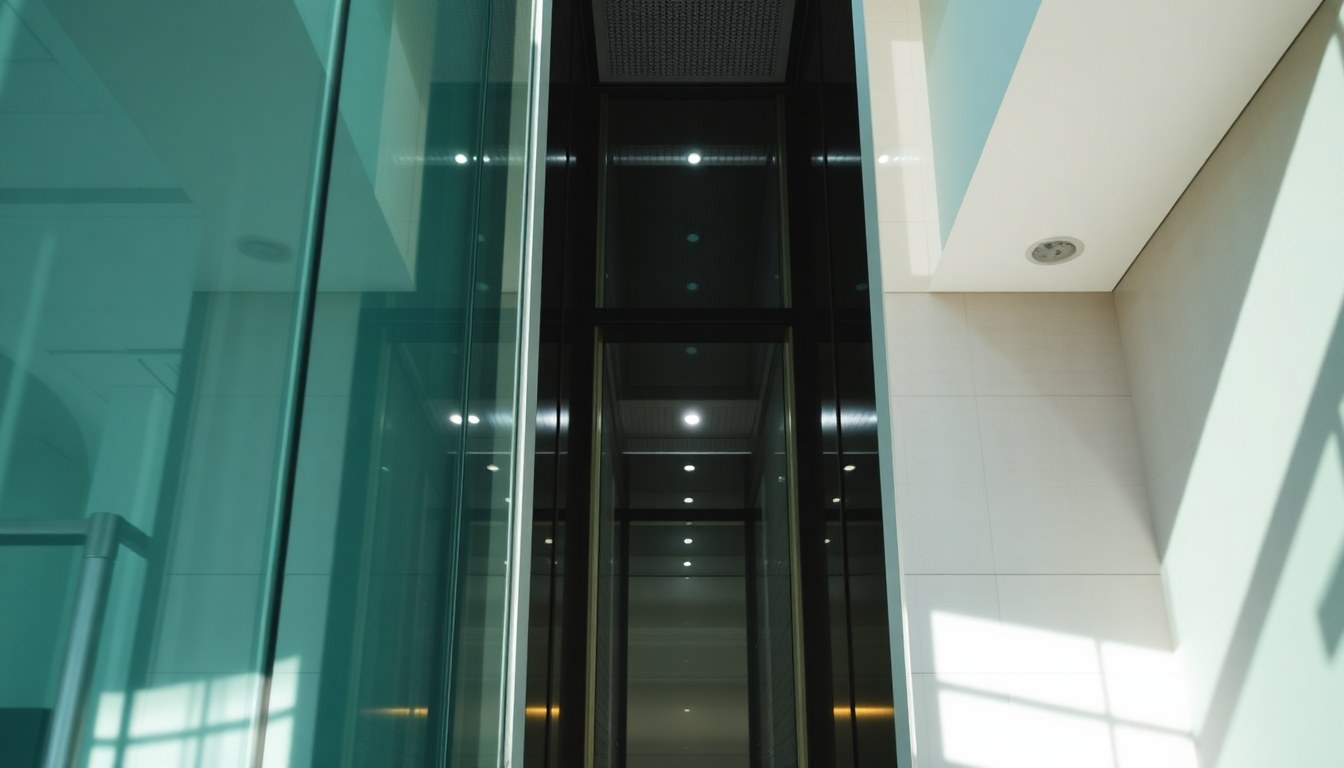
Glass elevator shaft enclosures in Delhi Metro stations must balance aesthetic transparency with stringent fire safety requirements, meeting National Building Code 2016 standards for 60 to 120-minute fire resistance ratings while maintaining structural integrity during emergencies. These specialized installations require laminated ceramic glass or tempered borosilicate assemblies that prevent flame spread, contain smoke, and allow safe evacuation visibility—critical factors for India's busiest public transit infrastructure serving over 2.7 million daily commuters.
National Building Code Fire Rating Requirements for Elevator Shafts
The National Building Code of India 2016 classifies metro stations as Assembly Occupancy (Group D) buildings with Special Hazard classification due to high occupant loads. Elevator shafts in these facilities must maintain fire-resistant enclosures that prevent vertical fire spread between floors. For structures exceeding 15 meters in height—which includes all Delhi Metro elevated and underground stations—the code mandates minimum 2-hour fire resistance for shaft walls.
Glass enclosures meeting these requirements must undergo testing per IS 3809 standards, which evaluate integrity, insulation, and radiation criteria. The glass assembly must prevent flame passage (integrity), limit temperature rise on the unexposed surface to 140°C above ambient (insulation), and restrict radiant heat transfer to prevent secondary ignition. Fire-rated glass for elevator shafts typically achieves ratings between 60 and 120 minutes depending on station design and risk assessment.
- 60-minute rating: Suitable for stations with comprehensive sprinkler systems and multiple egress routes
- 90-minute rating: Standard specification for most Delhi Metro interchange stations
- 120-minute rating: Required for deep underground stations exceeding 20 meters below grade
Laminated Ceramic Glass Systems for High-Temperature Resistance
Laminated ceramic glass represents the preferred solution for fire-rated elevator shaft enclosures in metro environments. These systems consist of multiple glass layers bonded with transparent intumescent interlayers that expand when exposed to heat, forming an opaque insulating barrier. During fire exposure, the interlayer swells to approximately 50 times its original thickness, creating a char layer that blocks heat transfer while maintaining structural integrity.
The ceramic composition includes aluminum silicate or borosilicate formulations that resist thermal shock and maintain transparency under normal conditions. Leading specifications for Delhi Metro projects include 16mm to 25mm total thickness assemblies, with configurations such as 6mm tempered + 4mm interlayer + 6mm tempered for 60-minute ratings, or more robust 8mm + 6mm interlayer + 8mm + 6mm interlayer + 8mm for 120-minute applications.
Installation Specifications and Framing Systems
Fire-rated glass elevator enclosures require compatible framing systems tested as complete assemblies. Aluminum framing with thermal breaks and intumescent gaskets provides the necessary fire resistance while supporting the glass weight—typically 40 to 60 kg per square meter for laminated ceramic systems. Frame profiles must accommodate thermal expansion differentials between glass and metal, using silicone-based fire-rated glazing compounds that maintain elasticity across temperature ranges from -20°C to 800°C.
Anchoring systems must transfer both dead loads and lateral forces to the building structure, accounting for seismic activity per IS 1893 Zone IV requirements applicable to Delhi. Structural engineers calculate frame deflection limits to prevent glass-to-frame contact during building movement, typically maintaining 3mm to 5mm clearance gaps around the perimeter.
Smoke Control and Pressurization Integration
Glass elevator shaft enclosures in metro stations function within larger smoke management systems that prevent contaminated air from entering escape routes. Delhi Metro's smoke control strategy employs positive pressure differential, maintaining elevator lobbies at 12.5 to 25 Pascals above adjacent areas during fire events. This pressurization prevents smoke infiltration while allowing controlled air exhaust through dedicated shafts.
Fire-rated glass assemblies must maintain airtightness to support pressurization effectiveness. Tested leakage rates should not exceed 3.0 cubic meters per hour per square meter of wall area at 75 Pascal pressure differential, as specified in NFPA 92 smoke control guidelines adopted by Indian metro authorities. Perimeter seals, door thresholds, and penetration details require careful detailing to achieve these performance levels.
- Intumescent seals at all glass-to-frame joints expanding to seal gaps during fire exposure
- Automatic drop seals at elevator lobby door thresholds activated by fire alarm systems
- Pressure relief dampers preventing over-pressurization that could impede door operation
- Continuous air monitoring maintaining pressure differentials within design parameters
Emergency Egress Visibility and Wayfinding Requirements
Transparent glass elevator enclosures serve dual safety functions—containing fire while providing visual orientation for evacuating passengers. During emergencies in underground metro stations, visibility through glass barriers helps occupants identify safe egress routes and avoid congested areas. This transparency reduces panic behavior and supports faster, more orderly evacuation compared to opaque shaft enclosures.
NBC 2016 Part 4 Fire and Life Safety mandates clearly visible exit signage and emergency lighting throughout egress paths. Glass enclosures must not obstruct sightlines to illuminated exit signs, requiring coordination between architectural, electrical, and fire protection disciplines. Photoluminescent wayfinding markers applied to glass surfaces at 1.2 to 1.5 meter heights provide guidance when electrical systems fail, maintaining visibility for up to 8 hours through phosphorescent materials.
Accessibility Compliance for Universal Design
The Rights of Persons with Disabilities Act 2016 requires metro stations to provide accessible routes for wheelchair users and persons with visual impairments. Glass elevator enclosures must incorporate tactile warning surfaces at approach zones and contrasting visual markers to prevent collision. Designers from firms like Bee Homes and similar architectural practices specializing in accessible design recommend etched bands or ceramic frit patterns at 900mm and 1500mm heights—corresponding to wheelchair user and standing adult eye levels—to improve glass visibility while maintaining transparency.
Elevator call buttons, floor indicators, and emergency communication devices mounted on or adjacent to glass enclosures require positioning between 900mm and 1200mm above finished floor, with Braille labels and raised characters meeting IS 13315 tactile signage standards. Audio announcements synchronized with visual displays ensure information accessibility for all users during normal operations and emergency scenarios.
Structural Load Considerations and Seismic Performance
Glass elevator shaft enclosures in Delhi Metro stations must withstand multiple load scenarios including wind pressure in elevated stations, crowd loading in enclosed lobbies, and seismic forces during earthquake events. Structural calculations per IS 875 (Part 1-5) account for dead loads from glass and framing, live loads from maintenance access, and lateral loads from wind and seismic activity.
For Delhi's seismic Zone IV classification, design basis earthquake ground acceleration of 0.24g requires glass and framing systems to accommodate inter-story drift without failure. Engineered connections use slotted anchors and flexible gaskets that permit ±25mm horizontal movement while maintaining fire-rated assembly integrity. Post-earthquake inspection protocols verify glass-to-frame clearances and seal condition, with replacement thresholds established for any panels showing edge damage or delamination.
Thermal Stress Management in Glass Assemblies
Temperature differentials between air-conditioned station interiors (typically 24°C to 26°C) and exterior conditions (ranging from 5°C winter nights to 45°C summer days in Delhi) create thermal stress in glass elevator enclosures. Laminated ceramic glass exhibits lower thermal expansion coefficients than standard float glass—approximately 7.5 × 10⁻⁶ per °C compared to 9.0 × 10⁻⁶—reducing stress concentrations at frame constraints.
Edge treatment significantly impacts thermal stress resistance. Polished edges with 1mm chamfers distribute stress more evenly than ground edges, reducing spontaneous breakage risk. Heat-strengthened or fully tempered glass layers within laminated assemblies increase surface compression, allowing the glass to withstand temperature differentials exceeding 50°C without failure. Structural silicone glazing systems accommodate differential movement through elastic deformation, maintaining weather seals across seasonal temperature cycles.
Maintenance Protocols and Lifecycle Performance
Fire-rated glass elevator enclosures require systematic maintenance to preserve fire resistance ratings throughout their service life. Quarterly inspections examine intumescent seal condition, checking for compression set, cracking, or detachment that could compromise smoke and flame barriers. Silicone sealant joints undergo annual assessment for adhesion loss, with re-glazing scheduled when separation exceeds 2mm at any point along the perimeter.
Glass surface cleaning uses pH-neutral detergents and soft microfiber cloths to prevent scratching the ceramic coatings. Abrasive cleaners and alkaline solutions can damage intumescent interlayers if they penetrate edge seals, reducing fire performance. Professional cleaning services familiar with fire-rated glass specifications should perform semi-annual deep cleaning, particularly in underground stations where particulate accumulation from brake dust and tunnel ventilation affects transparency.
- Monthly visual inspection of glass surfaces for cracks, chips, or delamination
- Quarterly seal and gasket condition assessment with photographic documentation
- Annual pressure testing of elevator lobbies to verify smoke control system integrity
- Five-year comprehensive evaluation including pull tests on structural anchors
Cost Factors and Budget Planning for Metro Projects
Fire-rated glass elevator shaft enclosures represent significant capital investment in metro station construction, with installed costs ranging from ₹8,500 to ₹18,000 per square meter depending on fire rating, glass thickness, and framing complexity. A typical Delhi Metro elevator lobby enclosure of 40 square meters with 90-minute fire rating costs approximately ₹5.2 to ₹6.8 lakhs including materials, fabrication, installation, and commissioning.
Value engineering opportunities exist in standardizing glass sizes across multiple stations, reducing custom fabrication costs. Procurement strategies that bundle multiple station installations achieve 12% to 18% cost reductions through volume pricing. However, lifecycle cost analysis must account for the 30 to 40-year service life of properly maintained fire-rated glass systems, with replacement costs deferred compared to alternative materials requiring more frequent renewal.
Frequently Asked Questions
What fire rating is required for glass elevator shafts in Delhi Metro stations?
Delhi Metro stations require 60 to 120-minute fire-rated glass elevator shaft enclosures depending on station depth and configuration. Most interchange stations specify 90-minute ratings, while deep underground stations exceeding 20 meters below grade require 120-minute assemblies. The specific rating is determined by fire safety consultants based on occupant load, egress analysis, and sprinkler system design per National Building Code 2016 requirements.
Can tempered glass alone provide adequate fire resistance for elevator enclosures?
Standard tempered glass cannot provide fire-rated protection for elevator shafts. While tempered glass offers impact resistance and thermal strengthening, it fails rapidly under fire exposure, typically shattering within 5 to 8 minutes at temperatures exceeding 300°C. Fire-rated elevator enclosures require laminated ceramic glass with intumescent interlayers or wired glass alternatives that maintain integrity and insulation properties for the specified rating period.
How does fire-rated glass maintain transparency while blocking heat transfer?
Fire-rated glass uses transparent intumescent interlayers sandwiched between glass panes that remain clear under normal conditions. When exposed to fire temperatures above 120°C, these interlayers undergo chemical expansion, swelling to create an opaque insulating foam that blocks radiant heat transfer. This transformation allows the assembly to limit temperature rise on the unexposed surface to less than 140°C above ambient while maintaining structural integrity to contain flames and smoke.
What maintenance is required to preserve fire rating certification?
Fire-rated glass elevator enclosures require quarterly inspection of edge seals and intumescent gaskets, annual silicone joint assessment, and professional cleaning using non-abrasive pH-neutral cleaners. Any edge damage, delamination, or seal separation exceeding 2mm requires immediate repair or panel replacement. Maintenance records must document all inspections and repairs to maintain fire rating certification, with comprehensive five-year evaluations including structural anchor testing and smoke seal verification.
Are there Indian manufacturers producing fire-rated glass for metro projects?
Several Indian glass processors fabricate fire-rated laminated assemblies using imported intumescent interlayers and domestically produced float glass. These manufacturers provide IS 3809 tested assemblies with certification from NABL-accredited laboratories. Imported complete systems from European and Japanese manufacturers remain common for critical applications requiring 120-minute ratings, though domestic production capacity continues expanding as metro infrastructure projects increase across Indian cities.
Designing fire-rated glass elevator shaft enclosures for public transit infrastructure requires specialized knowledge of building codes, fire protection engineering, and glass technology. Connect with certified glass fabricators, fire safety consultants, and architectural firms experienced in metro station design through the glassy.in business directory—India's comprehensive resource for glass industry professionals and infrastructure project specifications.