
Toughened Glass
Heat-Strengthened Glass vs Toughened Glass: When to Use Each for Visakhapatnam Facades
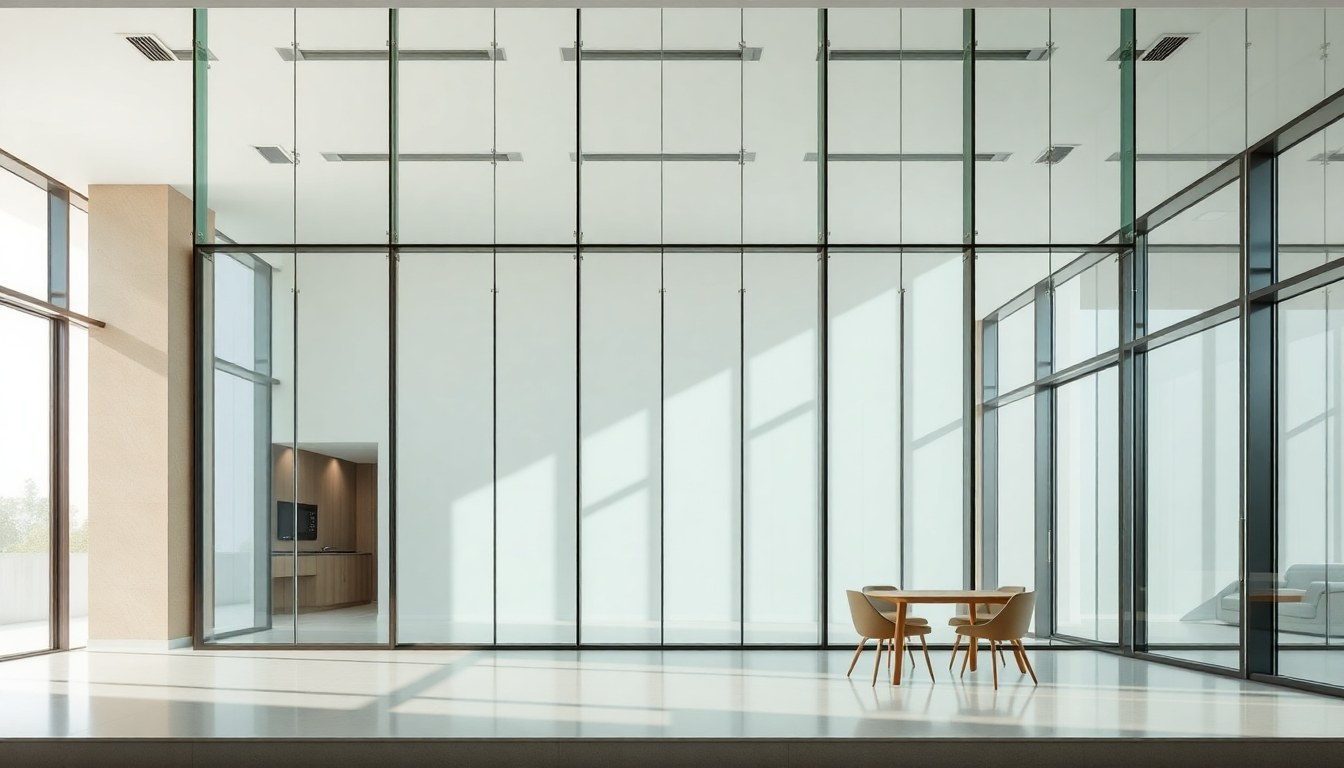
When designing facades for Visakhapatnam's coastal environment, architects and builders face a critical decision between heat-strengthened and toughened glass. While both undergo thermal treatment to improve strength, they differ significantly in breakage patterns, wind load capacity, and thermal stress resistance—factors that directly impact safety and performance in high-rise buildings along the Bay of Bengal. Understanding these differences ensures you select the right glass type for your specific application.
Understanding the Manufacturing Process
Both heat-strengthened and toughened glass begin as annealed glass and undergo controlled heating and cooling processes, but the intensity of treatment creates distinct material properties. The manufacturing process determines not just strength but also how the glass behaves under stress and failure conditions.
Heat-strengthened glass is heated to approximately 650-700°C and then cooled at a moderate rate. This process creates surface compression of 40-55 MPa (megapascals), making it roughly twice as strong as annealed glass. The slower cooling rate results in less internal stress within the glass structure.
Toughened glass (also called fully tempered glass) undergoes a more aggressive treatment. After heating to similar temperatures, it's rapidly cooled using high-pressure air jets. This rapid quenching creates surface compression of 90-120 MPa or higher, making toughened glass approximately four to five times stronger than annealed glass. Professional firms like DCAE-DC Architects Engineers frequently specify toughened glass for commercial facades requiring maximum strength.
Breakage Patterns and Safety Implications
The most critical difference between these two glass types lies in how they break—a factor that has significant safety and maintenance implications for building facades.
Heat-Strengthened Glass Breakage
When heat-strengthened glass breaks, it fractures into large shards similar to annealed glass, though the pieces are generally larger and have straighter edges. This breakage pattern means heat-strengthened glass doesn't qualify as a safety glazing material under most building codes. However, this characteristic can be advantageous in certain applications.
The large-fragment breakage pattern makes heat-strengthened glass ideal for laminated assemblies. When combined with interlayer films, the large pieces remain adhered to the laminate, maintaining the integrity of the glazing unit even after breakage. This makes it particularly suitable for overhead glazing and curtain wall applications where glass retention is critical.
Toughened Glass Breakage
Toughened glass breaks into small, relatively harmless cube-shaped fragments, typically 4-6mm in size. This "dicing" pattern significantly reduces injury risk, which is why toughened glass is classified as safety glazing. The entire panel shatters almost instantaneously when any point is compromised, a phenomenon known as spontaneous breakage.
While this safety feature is valuable, complete disintegration means immediate loss of the glazing barrier. In Visakhapatnam's monsoon conditions, this could expose interiors to wind and rain until replacement. For critical applications, 182 design and other architecture firms often recommend laminated toughened glass to maintain barrier function after breakage.
Wind Load and Structural Performance for Coastal Applications
Visakhapatnam's location on the Bay of Bengal subjects buildings to significant wind loads, particularly during cyclonic events. The choice between heat-strengthened and toughened glass directly impacts structural performance and safety margins.
Toughened glass offers superior wind load resistance due to its higher surface compression. It can typically withstand wind pressures of 10-15 kPa or more, depending on thickness and panel dimensions. For high-rise buildings along Beach Road and RK Beach, this additional strength provides crucial safety margins during extreme weather events.
Heat-strengthened glass, with approximately half the strength of toughened glass, requires either thicker panels or smaller dimensions to achieve equivalent wind load ratings. However, it offers better dimensional stability and lower risk of spontaneous breakage due to nickel sulfide inclusions—a consideration for large-format facade panels.
- Toughened glass: Suitable for high wind load zones, smaller panel sizes, areas requiring safety glazing
- Heat-strengthened glass: Preferred for large panels, laminated assemblies, reduced spontaneous breakage risk
- Both types: Require proper structural calculations based on specific wind zone classifications
Thermal Stress Resistance in Visakhapatnam's Climate
Visakhapatnam experiences significant temperature variations between air-conditioned interiors and hot, humid exteriors, creating thermal stress across glazing systems. The ability to withstand these temperature differentials without breaking is crucial for facade longevity.
Toughened glass can typically handle temperature differentials of 200-250°C due to its high internal stress and uniform compression. This makes it highly resistant to thermal shock and suitable for facades with partial shading, colored coatings, or areas where solar heat gain creates hot spots.
Heat-strengthened glass tolerates temperature differentials of approximately 100°C—double that of annealed glass but half that of toughened glass. For facades with consistent exposure and minimal shading patterns, this is generally sufficient. However, designs incorporating fritting, spandrel areas, or mixed glazing types require careful thermal analysis to prevent stress-related breakage.
Considerations for Reflective and Coated Glass
Many modern facades in Visakhapatnam incorporate low-E coatings or reflective films to reduce solar heat gain. These coatings can increase surface temperatures significantly, especially on darker tints. Toughened glass is generally the safer choice for heavily coated or tinted glass, as it provides greater resistance to the thermal stress these treatments create.
Projects by firms like CITY GLASS PALACE AND ALUMINIUM FABRICATION often involve coated glass installations where thermal performance must be carefully evaluated alongside aesthetic requirements.
Optical Quality and Distortion Factors
The tempering process affects optical quality, an important consideration for premium facades where visual clarity matters. Heat-strengthened glass maintains superior optical quality compared to fully toughened glass because the less aggressive cooling process creates minimal distortion.
Toughened glass can exhibit roller wave distortion—visible waviness caused by contact with rollers during the tempering process. While modern tempering technology has reduced this effect, it remains more pronounced than in heat-strengthened glass. For vision glass in commercial buildings where optical clarity is paramount, heat-strengthened glass offers advantages, particularly in larger panels.
The distortion factor becomes especially noticeable in reflective facades where waviness can create visual irregularities. Interior designers and architects evaluating glass options for premium projects should view actual samples under similar lighting conditions to assess acceptable distortion levels.
Cost Considerations and Availability
Budget constraints often influence material selection, though the cost difference between heat-strengthened and toughened glass is relatively modest compared to overall project costs.
Toughened glass is more widely available and typically costs only 10-15% more than heat-strengthened glass of equivalent thickness. The higher production volume and standardized process for toughened glass often makes it the default choice for many applications. In markets like Visakhapatnam, toughened glass availability is generally better, with shorter lead times.
Heat-strengthened glass may require special ordering from processors equipped for the specific heat-treat cycle. However, for large-scale facade projects where the benefits justify specification, the marginal cost difference becomes negligible when amortized across the entire building envelope. The reduced risk of spontaneous breakage can also translate to lower long-term maintenance costs.
Application Guidelines for Visakhapatnam Projects
Selecting the appropriate glass type requires evaluating multiple factors specific to your project's requirements, location, and performance objectives.
Specify toughened glass when:
- Safety glazing is required by code (doors, low-level glazing, areas subject to human impact)
- Maximum wind load resistance is needed for high-rise applications
- Panel sizes are moderate and within standard tempering capabilities
- Thermal stress from coatings or partial shading is significant
- Quick availability and competitive pricing are priorities
Specify heat-strengthened glass when:
- Creating laminated assemblies for overhead or structural glazing
- Large panel sizes require minimal optical distortion
- Reducing spontaneous breakage risk is critical for maintenance planning
- Glass retention after breakage is more important than immediate safety fragmentation
- Uniform large-format facades require consistent optical quality
Many successful projects in Visakhapatnam employ both glass types strategically—toughened glass for areas requiring safety glazing and maximum strength, heat-strengthened glass in laminated form for vision areas prioritizing optical quality and reduced spontaneous breakage risk. This hybrid approach optimizes performance while managing costs effectively.
Frequently Asked Questions
Can heat-strengthened glass be used in place of toughened glass?
Heat-strengthened glass cannot replace toughened glass where building codes require safety glazing, as it doesn't break into small harmless fragments. However, when used in laminated form, heat-strengthened glass can meet safety requirements for many applications including overhead glazing and barrier protection. Always verify local code requirements and consult structural engineers for wind load calculations specific to your project.
What causes spontaneous breakage in toughened glass and how common is it?
Spontaneous breakage in toughened glass is primarily caused by nickel sulfide inclusions in the glass that expand over time, creating stress points. The occurrence rate is approximately 1 in 400 to 1 in 10,000 panels depending on glass quality and whether heat-soak testing was performed. Heat-strengthened glass has significantly lower spontaneous breakage risk due to lower internal stress levels, making it preferable for large facades where replacement costs are substantial.
How does humidity affect the performance of heat-strengthened versus toughened glass in coastal areas?
Neither heat-strengthened nor toughened glass is directly affected by humidity in terms of structural performance, as the thermal treatment doesn't alter the glass's moisture resistance. However, coastal environments require attention to edge quality and proper sealing in glazing systems. Both glass types perform equally well in humid conditions when properly installed with appropriate sealants and drainage designed for coastal exposure.
Is heat-soak testing necessary for facade applications in Visakhapatnam?
Heat-soak testing is a quality control process that reduces the risk of spontaneous breakage in toughened glass by identifying panels with nickel sulfide inclusions before installation. While not mandatory, it's highly recommended for critical applications such as overhead glazing, structural glass, and large-format facade panels where replacement is difficult or costly. Heat-strengthened glass typically doesn't require heat-soak testing due to its inherently lower spontaneous breakage risk.
Can these glass types be combined with other performance features like low-E coatings?
Yes, both heat-strengthened and toughened glass can be combined with low-E coatings, reflective films, and other performance treatments. However, the coating must be applied before the thermal strengthening process, as the glass cannot be cut or processed after treatment. When specifying coated glass, thermal stress analysis becomes even more important, and toughened glass is generally preferred for darker tints and high-performance coatings that significantly increase surface temperatures.
Choosing the right glass specification for your Visakhapatnam facade project requires balancing safety, performance, aesthetics, and budget considerations. Whether you're an architect, builder, or property developer, consulting with experienced glass professionals ensures optimal material selection. Explore the glassy.in directory to connect with qualified glass suppliers, fabricators, and installation experts in Visakhapatnam who can provide technical guidance specific to your project requirements.