
Toughened Glass
UV-Blocking Laminated Glass: Protect Artwork and Furniture in Chennai Museums and Galleries
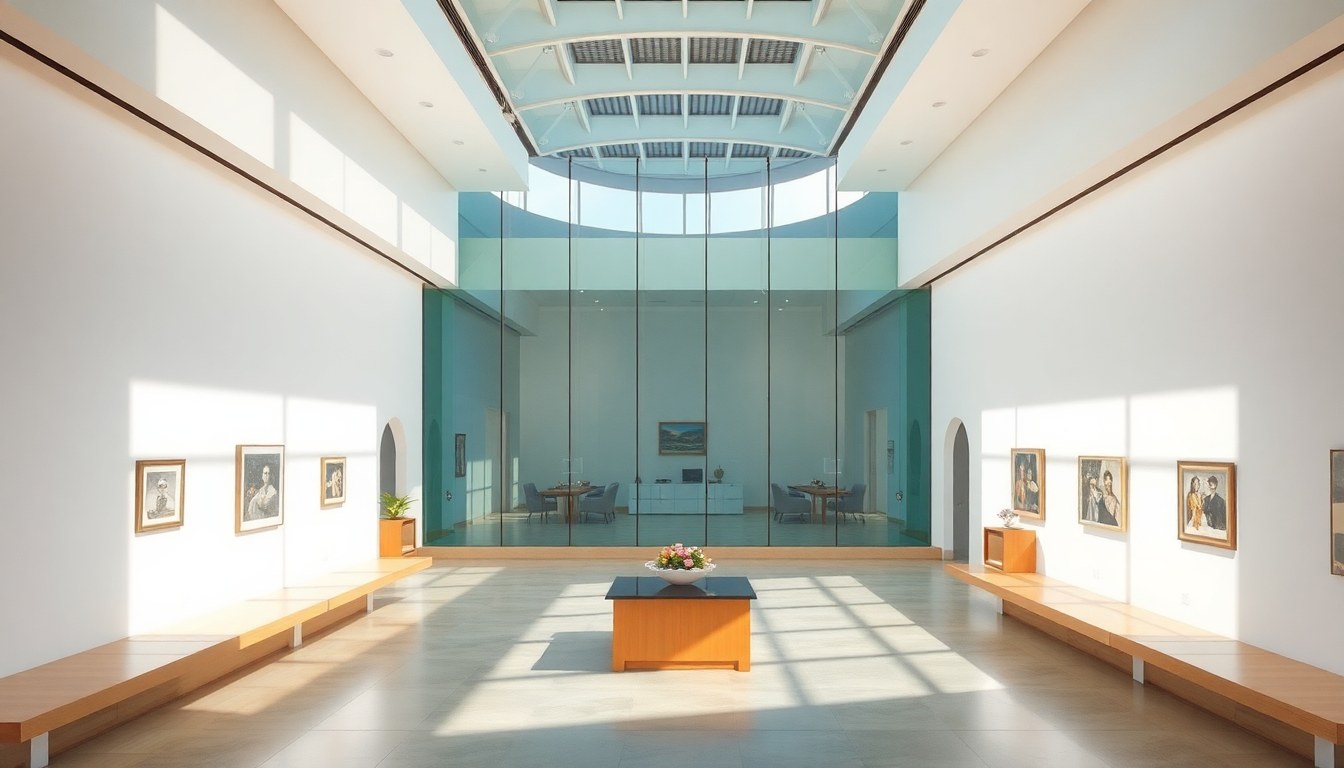
Chennai's museums, galleries, and heritage buildings house priceless collections of paintings, textiles, antiques, and historical artifacts that face a silent threat: ultraviolet radiation. UV rays from sunlight cause irreversible fading, discoloration, and material degradation that can destroy centuries-old treasures within years. UV-blocking laminated glass offers a proven solution, filtering up to 99% of harmful UV radiation while maintaining clarity and natural light transmission—essential for both preservation and visitor experience.
Understanding UV Damage to Artwork and Artifacts
Ultraviolet radiation comprises wavelengths between 280-400 nanometers that carry enough energy to break molecular bonds in organic materials. When UV light strikes paintings, textiles, wood furniture, or paper documents, it triggers photochemical reactions that fade pigments, yellow varnishes, weaken fibers, and embrittle materials. This damage accumulates continuously and cannot be reversed once it occurs.
In Chennai's tropical climate, the intensity of UV exposure becomes particularly severe. The city receives strong sunlight throughout the year, with UV index levels frequently reaching 10-12 during summer months. Museums and galleries with large windows or skylights face accelerated deterioration of their collections unless proper UV protection measures are implemented. Even indirect daylight contains significant UV radiation that penetrates standard glass.
Different materials show varying sensitivity to UV exposure. Organic dyes and pigments in textiles and watercolors fade rapidly, often showing visible damage within months. Oil paintings develop surface cracks and color shifts. Wood furniture loses its original patina and develops uneven discoloration. Photographs, manuscripts, and historical documents yellow and become brittle. The economic and cultural cost of this damage runs into crores for Chennai's institutions.
How UV-Blocking Laminated Glass Works
Laminated glass consists of two or more glass panes bonded together with an interlayer material. UV-blocking laminated glass incorporates specialized interlayers that absorb or reflect ultraviolet wavelengths while allowing visible light to pass through. This construction provides both UV protection and the safety benefits of laminated glass—if broken, the interlayer holds fragments together, preventing dangerous shards.
The interlayer material contains UV-absorbing compounds that capture ultraviolet photons before they can reach the protected space. Standard laminated glass already blocks approximately 95% of UV radiation, but specialized UV-blocking interlayers increase this to 99% or higher. The glass maintains excellent optical clarity with minimal color distortion, ensuring artwork appears natural to viewers while remaining protected from harmful rays.
PVB Interlayers for UV Protection
Polyvinyl butyral (PVB) represents the most common interlayer material in laminated glass globally. Standard PVB provides inherent UV-blocking properties due to its molecular structure, filtering most UV-B and UV-C radiation. Enhanced PVB formulations with additional UV-absorbing additives can block over 99.5% of UV radiation across the entire spectrum.
PVB interlayers offer several advantages for museum applications: excellent optical clarity, strong adhesion to glass, flexibility that accommodates building movement, and acoustic damping properties that reduce noise transmission. The material remains stable for decades without yellowing or losing its UV-blocking effectiveness. PVB laminated glass typically costs between ₹800-1,500 per square foot in Chennai, depending on glass thickness and interlayer specifications.
EVA Interlayers as an Alternative
Ethylene-vinyl acetate (EVA) interlayers provide another option for UV-blocking laminated glass. EVA offers comparable UV filtration performance to PVB when formulated with appropriate additives. The material bonds to glass through a simpler heating process that some fabricators find easier to control, potentially reducing production defects.
EVA interlayers typically cost slightly less than PVB, with prices ranging from ₹700-1,300 per square foot for finished laminated glass. However, EVA has lower resistance to moisture penetration at the edges, which can be a concern in Chennai's humid climate. Proper edge sealing becomes critical for long-term performance. For museum and gallery applications, PVB generally remains the preferred choice due to its proven track record in demanding environments.
Specifications for Museum-Grade UV Protection
Conservation professionals recommend that glazing for valuable artwork and artifacts block at least 97% of UV radiation, with 99% being the gold standard. The glass should filter both UV-A (315-400nm) and UV-B (280-315nm) wavelengths, as both contribute to photochemical damage. Testing should verify UV transmission across the full spectrum using standardized methods.
Beyond UV blocking, museum-grade glass should meet additional criteria. Visible light transmission should remain above 85% to allow proper viewing of artwork without excessive artificial lighting. Color rendering should be neutral with minimal tint—greenish or grayish casts distort how viewers perceive colors. The glass surface should have low reflectivity or anti-reflective coatings to prevent glare that interferes with viewing.
For Chennai installations, thermal performance deserves consideration alongside UV protection. Laminated glass with low-emissivity coatings can reduce solar heat gain, lowering air conditioning costs while protecting collections. This combination addresses both preservation needs and operational efficiency in the city's hot climate.
Installation Considerations for Chennai Museums and Galleries
Successful implementation of UV-blocking glass requires careful planning beyond simply selecting the right product. Existing window frames must be evaluated for their ability to support laminated glass, which weighs more than standard glass of the same thickness. Frames may need reinforcement, and hardware upgrades might be necessary to handle the increased weight safely.
Edge sealing becomes critical in Chennai's coastal humidity. Moisture penetration at the edges can cause delamination over time, compromising both UV protection and structural integrity. Professional installation with appropriate sealants and gaskets ensures long-term performance. Working with experienced suppliers like RAJA BROS in Chennai can help ensure proper specification and installation techniques.
For heritage buildings, architectural considerations may limit options. Conservation guidelines often restrict modifications to historic window frames and facades. In such cases, secondary glazing systems that install UV-blocking glass panels inside existing windows offer a reversible solution that provides protection without altering the building's exterior appearance. Interior designers and architects specializing in heritage projects, such as InEx Designs Interiors, can help navigate these constraints.
Cost-Benefit Analysis for Cultural Institutions
The upfront investment in UV-blocking laminated glass must be weighed against the irreplaceable value of protected collections. A typical museum display case measuring 2 meters by 1.5 meters requires approximately 3 square meters of glass. At ₹1,000 per square foot (roughly ₹10,750 per square meter), the glazing cost would be around ₹32,000 plus installation—a modest expense compared to the value of the artifacts being protected.
For larger installations such as gallery windows or skylights, costs scale accordingly. A gallery with 50 square meters of glazing might require an investment of ₹5-7 lakhs for UV-blocking laminated glass with professional installation. This investment protects collections worth crores while reducing long-term conservation costs. Institutions avoid expensive restoration treatments, replacement of damaged items, and the intangible loss of historical authenticity.
Energy savings provide an additional financial benefit. By reducing solar heat gain, UV-blocking laminated glass can lower cooling costs by 15-25% in Chennai's climate. Over a 20-year lifespan, these energy savings can offset a significant portion of the initial glass investment while maintaining comfortable conditions for visitors and staff.
Supplier Options and Procurement in Chennai
Chennai's glass industry includes several suppliers capable of providing UV-blocking laminated glass, though specifications and quality vary. When sourcing material, institutions should request documentation of UV-blocking performance, including spectrophotometric test data showing transmission across the UV spectrum. Reputable suppliers provide certification from independent testing laboratories.
Lead times for custom laminated glass typically range from 2-4 weeks, depending on size and specifications. Larger projects may require longer production schedules. Museums and galleries planning renovations should factor these timelines into project schedules and coordinate with contractors accordingly. Establishing relationships with reliable local suppliers ensures timely delivery and responsive service for future needs.
Maintenance requirements for UV-blocking laminated glass remain minimal. Regular cleaning with standard glass cleaners maintains clarity, and the UV-blocking properties do not degrade over the glass's lifespan. Periodic inspection of edge seals ensures continued protection against moisture infiltration in Chennai's humid environment.
Frequently Asked Questions
Does UV-blocking glass completely eliminate all light damage to artwork?
UV-blocking glass eliminates the most harmful wavelengths but cannot prevent all photochemical damage. Visible light, particularly blue wavelengths, also contributes to fading over time. Museums should combine UV-blocking glass with controlled lighting levels (typically 150-200 lux for sensitive materials) and rotation schedules that limit cumulative exposure. This comprehensive approach provides optimal protection while allowing public display of collections.
How long does UV-blocking laminated glass maintain its protective properties?
Quality UV-blocking laminated glass maintains its UV filtration effectiveness for 25-30 years or longer without degradation. The UV-absorbing compounds are integrated throughout the interlayer material rather than applied as a coating, so they cannot wear off. The glass itself may eventually require replacement due to physical damage or seal failure, but the UV-blocking performance remains constant throughout its service life.
Can UV-blocking film be applied to existing glass instead of replacing it?
UV-blocking window films offer a lower-cost alternative to laminated glass replacement, typically costing ₹150-400 per square foot installed. However, films have significant limitations: they last only 5-10 years before requiring replacement, may develop bubbles or discoloration, provide no safety benefits, and can void glass warranties. For valuable museum collections requiring long-term protection, laminated glass represents a more reliable investment despite higher initial costs.
What is the difference between UV-blocking glass and anti-reflective museum glass?
UV-blocking glass filters ultraviolet radiation to prevent damage, while anti-reflective glass reduces surface reflections to improve viewing clarity. Museum-grade conservation glass often combines both features: UV-blocking interlayers for protection and anti-reflective coatings or etched surfaces for optimal visibility. This combination provides comprehensive performance but costs significantly more—typically ₹2,500-5,000 per square foot—making it most appropriate for displaying the most valuable individual pieces.
Are there any Chennai suppliers who specialize in museum-quality UV-blocking glass?
While Chennai has numerous glass suppliers, few specialize specifically in museum-grade conservation glazing. General glass dealers can source UV-blocking laminated glass, but museums should verify specifications carefully and request performance documentation. Institutions may also consider suppliers from other major Indian cities who serve the museum sector nationally. Consulting with architects experienced in cultural projects, such as Studio HD Architects, can help identify appropriate suppliers and ensure proper specifications.
Protecting Chennai's cultural heritage requires proactive measures against environmental threats. UV-blocking laminated glass provides proven, long-lasting protection for irreplaceable artwork, textiles, and artifacts while maintaining the aesthetic qualities essential for public engagement. Whether you manage a museum, gallery, private collection, or heritage property, explore your options through the glassy.in directory to find qualified suppliers and professionals who can help implement effective UV protection solutions tailored to your specific needs.