
Toughened Glass
How to Choose the Right Toughened Glass Thickness for Sliding Doors in Indian Homes
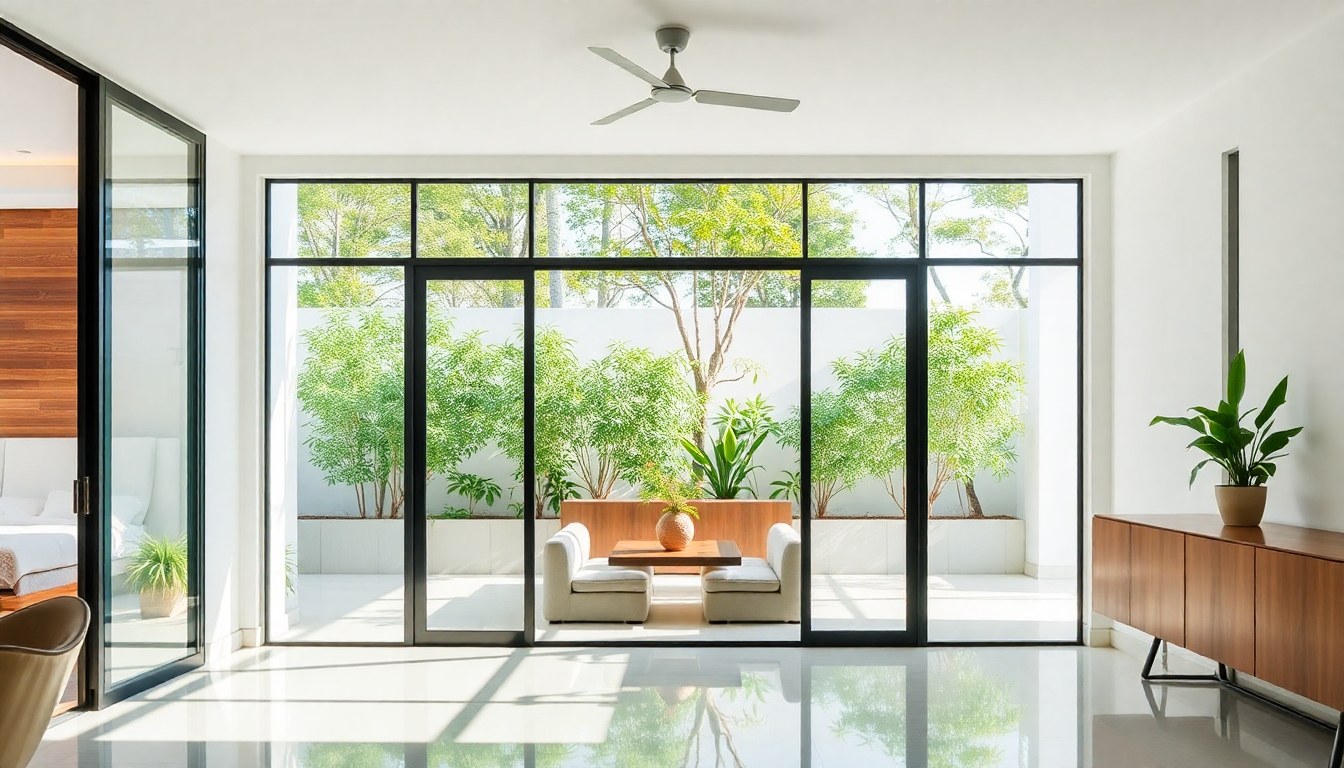
Choosing the correct toughened glass thickness for your sliding door is crucial for safety, durability, and long-term performance. Whether you're installing a balcony door in a Mumbai high-rise or a patio door in a Bangalore villa, the thickness you select directly impacts structural integrity, resistance to wind loads, and everyday usability. This guide walks you through the practical considerations for selecting between 8mm, 10mm, and 12mm toughened glass based on door dimensions, frame materials, and usage patterns specific to Indian homes.
Understanding Toughened Glass and Why Thickness Matters
Toughened glass, also known as tempered glass, undergoes a thermal treatment process that makes it four to five times stronger than ordinary annealed glass. When it breaks, it shatters into small, relatively harmless granules rather than dangerous shards, making it the mandatory choice for sliding doors in residential and commercial buildings across India.
The thickness of toughened glass determines its ability to withstand mechanical stress, wind pressure, and thermal expansion. In Indian climates—from the humid coastal regions to the extreme temperatures of northern plains—glass panels expand and contract. Thicker glass provides better dimensional stability and reduces the risk of stress fractures. Additionally, thicker glass offers improved sound insulation, a significant advantage in noise-heavy urban environments like Delhi, Chennai, or Kolkata.
Standard toughened glass thicknesses available in India for sliding doors are 8mm, 10mm, and 12mm. While 6mm toughened glass exists, it's generally not recommended for sliding doors due to structural limitations. Understanding which thickness suits your specific application prevents costly replacements and ensures compliance with safety standards.
8mm Toughened Glass: When It Works Best
Eight millimeter toughened glass is the minimum recommended thickness for sliding doors in Indian homes. It works well for specific applications where door dimensions are moderate and usage patterns are predictable.
Ideal Applications for 8mm Glass
This thickness is suitable for interior sliding doors that separate rooms, such as bedroom-to-balcony partitions or kitchen-to-dining area dividers. For exterior applications, 8mm glass works adequately for sliding doors up to 6 feet in height and 3 feet in width, provided they're installed in sturdy aluminum or uPVC frames with proper reinforcement.
In terms of cost, 8mm toughened glass is the most economical option, typically priced between ₹150 to ₹250 per square foot in major Indian cities, depending on quality and supplier. This makes it attractive for budget-conscious homeowners or rental properties where moderate durability is acceptable.
Limitations to Consider
Eight millimeter glass has limitations in high-wind zones, particularly in coastal cities or high-rise buildings above the 10th floor. It also offers less sound insulation compared to thicker variants, which may be a concern if your sliding door faces a busy street or noisy neighborhood. The glass can feel slightly flexible when large panels are used, and frequent heavy usage may lead to faster wear on rollers and tracks due to the panel's relative lightness and flex.
10mm Toughened Glass: The Balanced Choice
Ten millimeter toughened glass represents the sweet spot for most sliding door applications in Indian homes. It balances structural strength, acoustic performance, and cost-effectiveness, making it the most popular choice among architects and homeowners.
Why 10mm Is the Industry Standard
This thickness handles sliding doors up to 8 feet in height and 4 feet in width comfortably. It provides excellent resistance to wind loads, making it suitable for balconies and patios in high-rise apartments across cities like Pune, Hyderabad, and Gurgaon. The additional 2mm over 8mm glass significantly improves rigidity, reducing flex and vibration when the door is in operation.
Ten millimeter toughened glass offers noticeably better sound insulation than 8mm, reducing external noise by approximately 30-35 decibels when properly sealed. This makes a substantial difference in urban environments. The glass also provides improved thermal insulation, helping maintain indoor temperatures and reducing air conditioning costs during Indian summers.
Frame Compatibility and Installation
Most standard aluminum and uPVC sliding door frames available in India are designed to accommodate 10mm glass. This means easier sourcing of compatible hardware, rollers, and weatherstripping. The installation process is straightforward, and replacement parts are readily available through local suppliers. Expect to pay between ₹200 to ₹350 per square foot for quality 10mm toughened glass, depending on your location and whether you choose clear, tinted, or frosted variants.
12mm Toughened Glass: Premium Performance
Twelve millimeter toughened glass is the premium option, recommended for large-format sliding doors, high-traffic areas, and applications where maximum durability and insulation are priorities.
When to Invest in 12mm Glass
Choose 12mm glass for sliding doors exceeding 8 feet in height or when creating expansive glass walls that span 6 feet or more in width. This thickness is essential for frameless or minimal-frame sliding systems where the glass itself provides structural integrity. Commercial establishments, luxury villas, and penthouses commonly specify 12mm glass for its superior aesthetic and performance characteristics.
The additional thickness provides maximum wind load resistance, crucial for properties in cyclone-prone coastal regions or exposed hillside locations. Twelve millimeter glass also offers the best acoustic insulation, reducing noise transmission by up to 40 decibels, making it ideal for homes near airports, highways, or industrial areas.
Cost and Installation Considerations
Premium performance comes at a premium price. Twelve millimeter toughened glass typically costs between ₹300 to ₹500 per square foot in Indian markets. Beyond material costs, you'll need specialized heavy-duty frames, reinforced rollers, and professional installation to handle the weight—a 4x8 foot panel of 12mm glass weighs approximately 80 kilograms. Ensure your building structure can support this additional load, particularly in older constructions or cantilevered balconies.
Key Factors That Should Influence Your Decision
Several practical factors beyond basic dimensions should guide your thickness selection. Understanding these helps you make an informed choice tailored to your specific situation.
Door Dimensions and Panel Size
As a general rule, larger glass panels require thicker glass. For doors up to 6 feet high, 8mm suffices for interior applications. Doors between 6-8 feet perform best with 10mm glass. Anything above 8 feet or wider than 4 feet should use 12mm glass to prevent excessive flex and ensure longevity.
Location and Environmental Exposure
Consider your floor level and exposure to elements. Ground-floor patio doors in protected courtyards can use thinner glass than balcony doors on the 15th floor exposed to strong winds. Coastal properties should opt for thicker glass due to salt-laden winds and higher humidity. Similarly, homes in extreme temperature zones benefit from thicker glass for better thermal performance.
Usage Frequency and Household Profile
High-traffic sliding doors—such as the main balcony door in a living room—endure more stress than occasionally-used bedroom balcony doors. Households with children or pets should lean toward thicker glass for added safety and durability. The investment in 10mm or 12mm glass pays off through reduced maintenance and longer replacement cycles.
Frame Type and Quality
Your frame material influences which glass thickness works best. High-quality aluminum frames with thermal breaks can support heavier glass and provide better sealing. Budget uPVC frames may have weight limitations that restrict you to 8mm or 10mm options. Always verify the frame manufacturer's specifications for maximum supported glass weight and thickness before making your selection.
Safety Standards and Building Codes in India
Indian Standard IS 2553 specifies requirements for toughened safety glass. While the standard doesn't mandate specific thicknesses for sliding doors, it requires that all glass in doors and large glazed areas must be safety glass. Most municipal building codes and the National Building Code of India recommend minimum 10mm toughened glass for exterior sliding doors in multi-story buildings.
When purchasing toughened glass, always verify that it carries the ISI mark and manufacturer identification permanently etched on the glass. This ensures the glass has undergone proper tempering and meets safety standards. Reputable suppliers provide test certificates confirming the glass thickness and toughening quality.
For insurance purposes and building compliance, maintain documentation of your glass specifications. Some insurance policies offer better coverage or lower premiums when premium safety glass is installed in vulnerable areas like balcony doors.
Frequently Asked Questions
Can I use 6mm toughened glass for my sliding door to save costs?
While 6mm toughened glass is available, it's not recommended for sliding doors due to insufficient structural strength. The glass will flex excessively, causing stress on rollers and frames, leading to premature failure. The minimal cost savings aren't worth the safety risks and shorter lifespan. Stick to a minimum of 8mm for interior doors and 10mm for exterior applications.
What thickness is best for a 7-foot high balcony sliding door in a 12th-floor apartment?
For a 7-foot high sliding door on the 12th floor, 10mm toughened glass is the recommended minimum, with 12mm being the better choice if your budget allows. The height and wind exposure at that elevation require the additional strength and rigidity that 10mm or 12mm glass provides. This ensures safety during monsoons and protects against wind pressure fluctuations common in high-rise buildings.
Does thicker glass provide better security against break-ins?
Thicker toughened glass does offer more resistance to impact, but all toughened glass will eventually break if struck hard enough. For enhanced security, consider laminated toughened glass, which consists of two layers of toughened glass bonded with an interlayer. This prevents the glass from falling out of the frame even when shattered. Twelve millimeter laminated toughened glass provides the best combination of safety and security for ground-floor or easily accessible sliding doors.
How much weight difference is there between 8mm and 12mm glass?
Glass weight increases proportionally with thickness. Eight millimeter toughened glass weighs approximately 20 kg per square meter, 10mm weighs about 25 kg per square meter, and 12mm weighs around 30 kg per square meter. For a standard 4x7 foot sliding door panel, you're looking at roughly 52 kg for 8mm, 65 kg for 10mm, and 78 kg for 12mm. Ensure your frame and roller system is rated for the total weight before installation.
Will thicker glass make my sliding door harder to operate?
Not if properly installed with appropriate hardware. Quality roller systems are designed to handle different glass weights smoothly. In fact, thicker glass often slides more smoothly because its weight provides momentum and reduces vibration. The key is matching the roller capacity to your glass weight and ensuring proper track alignment during installation. Cheap or undersized rollers will struggle regardless of glass thickness.
Selecting the right toughened glass thickness for your sliding door is an investment in safety, comfort, and long-term value. Whether you choose 8mm, 10mm, or 12mm depends on your specific requirements, but don't compromise on quality to save a few rupees per square foot. For expert guidance and to connect with certified glass suppliers and installers in your city, explore the comprehensive directory at glassy.in, India's most trusted resource for all your glass needs.