
Toughened Glass
Toughened Glass Thickness Guide for Windows in Coastal Climate Cities
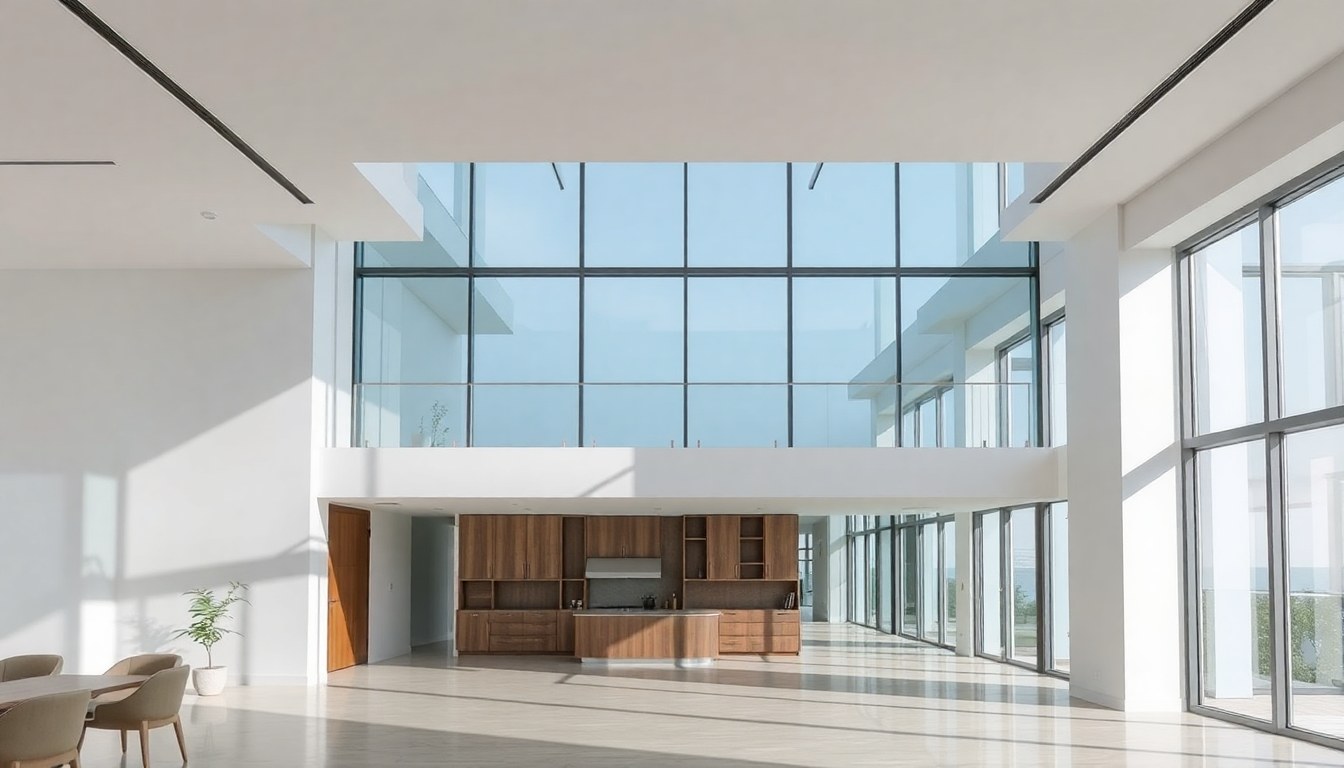
Coastal cities like Mumbai, Chennai, Visakhapatnam, Kochi, and Mangalore present unique challenges for window installations due to high humidity, salt-laden air, and strong winds that can accelerate glass degradation and corrosion. Selecting the appropriate toughened glass thickness—whether 6mm, 8mm, or 10mm—is crucial for ensuring structural integrity, weather resistance, and long-term durability in these demanding environments. This comprehensive guide helps homeowners, architects, and builders make informed decisions about toughened glass specifications for coastal climate applications.
Understanding Toughened Glass and Coastal Climate Challenges
Toughened glass, also known as tempered glass, undergoes a thermal treatment process that makes it four to five times stronger than ordinary annealed glass. When broken, it shatters into small, relatively harmless pieces rather than dangerous shards, making it the safety standard for residential and commercial windows across India. The manufacturing process involves heating glass to approximately 620°C and then rapidly cooling it, creating surface compression that gives the material its exceptional strength.
Coastal environments pose specific threats that ordinary glass cannot withstand effectively. Salt spray from the sea contains sodium chloride and other minerals that deposit on glass surfaces, creating a corrosive layer that can etch and degrade both the glass and surrounding fixtures over time. High humidity levels—often exceeding 80% in cities like Visakhapatnam and Kochi—accelerate this corrosion process while also affecting metal frames and sealants. Additionally, coastal areas experience higher wind loads, particularly during monsoon seasons and cyclonic weather, requiring glass that can flex without breaking under pressure.
The combination of these factors means that coastal installations require not just any toughened glass, but the right thickness matched to specific exposure conditions, window dimensions, and building height. Undersized glass may fail under wind pressure or thermal stress, while oversized specifications unnecessarily increase costs and structural load on frames.
6mm Toughened Glass: When It Works for Coastal Windows
Six-millimeter toughened glass represents the minimum recommended thickness for most window applications and can perform adequately in coastal settings under specific conditions. This thickness is suitable for smaller window openings, typically up to 3 feet by 4 feet, in low-rise buildings up to two stories where wind exposure is moderate. For homes in relatively sheltered coastal neighborhoods—away from direct beachfront exposure—6mm glass provides a cost-effective solution that meets basic safety and durability requirements.
The primary advantage of 6mm toughened glass is its lighter weight, which reduces stress on window frames and hinges, particularly important for older buildings or structures with weight limitations. It also represents the most economical option, with prices typically ranging from ₹120 to ₹180 per square foot depending on quality and supplier. For budget-conscious projects in coastal cities where windows face inland rather than seaward, this thickness can deliver satisfactory performance.
However, 6mm glass has limitations in high-exposure coastal environments. It offers less resistance to wind loads and may not meet building code requirements for upper floors or large window spans. In cities like Mumbai, where high-rises dominate and cyclonic winds are common, 6mm glass is generally restricted to ground-floor applications in protected areas. The thinner profile also provides marginally less sound insulation, a consideration in noisy coastal neighborhoods near busy roads or commercial areas.
8mm Toughened Glass: The Coastal Standard
Eight-millimeter toughened glass has emerged as the preferred standard for most coastal window installations, offering an optimal balance between performance, cost, and versatility. This thickness can accommodate window sizes up to 5 feet by 6 feet and performs reliably in buildings up to five or six stories, making it suitable for the majority of residential and small commercial projects in coastal cities across India.
The structural advantages of 8mm glass become particularly evident in coastal environments. The additional thickness provides approximately 33% more resistance to wind loads compared to 6mm glass, crucial during monsoon seasons when coastal cities experience sustained high winds and sudden gusts. This thickness also demonstrates better thermal stress resistance, important in cities like Chennai where intense sunlight can create significant temperature differentials between shaded and exposed glass areas, potentially causing thermal breakage in thinner panes.
Performance Benefits in High-Humidity Environments
Beyond structural considerations, 8mm toughened glass offers practical advantages specific to coastal humidity. The increased mass provides better acoustic insulation, reducing noise transmission by approximately 2-3 decibels compared to 6mm glass—meaningful in busy coastal cities. The thicker profile also allows for more robust edge treatment and better sealing, critical for preventing moisture infiltration that can lead to seal failure and frame corrosion over time.
Cost considerations for 8mm toughened glass typically range from ₹180 to ₹280 per square foot, representing a modest premium over 6mm options. For most coastal applications, this investment delivers significantly better long-term value through reduced maintenance, lower replacement frequency, and improved energy efficiency. Many architects and contractors in cities like Kochi and Mangalore now specify 8mm as the minimum standard for any window with direct sea exposure or in buildings above ground level.
10mm Toughened Glass: Premium Protection for Extreme Exposure
Ten-millimeter toughened glass represents the premium choice for coastal applications requiring maximum durability, security, and performance. This thickness is essential for large window installations exceeding 6 feet in any dimension, high-rise buildings above six stories, and any location with direct, unobstructed sea exposure where salt spray and wind loads are most severe. In cities like Mumbai, where luxury seafront apartments and commercial buildings face the Arabian Sea directly, 10mm glass has become the de facto standard.
The performance advantages of 10mm glass extend across multiple dimensions. Wind load resistance increases by approximately 25% over 8mm glass, providing crucial safety margins during cyclonic weather events that periodically affect the eastern coastline near Visakhapatnam and Chennai. The increased thickness also delivers superior acoustic insulation, reducing external noise by 4-5 decibels compared to 6mm glass—a significant improvement for properties near busy ports, beaches, or commercial areas.
Long-Term Durability and Investment Value
While 10mm toughened glass commands premium pricing—typically ₹300 to ₹450 per square foot—the investment often proves justified for high-value coastal properties. The thicker glass demonstrates greater resistance to surface etching from salt spray, maintaining optical clarity longer than thinner alternatives. It also provides better security against break-ins, an important consideration for ground-floor installations and vacation properties that may remain unoccupied for extended periods.
Structural considerations become important with 10mm glass due to its increased weight—approximately 25 kilograms per square meter compared to 15 kilograms for 6mm glass. Window frames, hinges, and supporting structures must be engineered to handle this additional load, sometimes requiring upgraded hardware or reinforced frames. However, for projects where performance and longevity are priorities, particularly in high-end residential developments along Marine Drive in Mumbai or the Banjara Hills overlooking the coast in Visakhapatnam, 10mm toughened glass delivers unmatched durability.
Additional Considerations for Coastal Glass Selection
Beyond thickness alone, several factors influence the long-term performance of toughened glass in coastal environments. Edge quality and polishing significantly affect durability, as rough or chipped edges become stress concentration points that can lead to premature failure, particularly when exposed to salt and moisture. Specifying polished edges adds minimal cost but substantially improves longevity in harsh coastal conditions.
Coating options provide additional protection and performance benefits. Low-E (low-emissivity) coatings reduce heat transfer, improving energy efficiency in hot coastal climates while providing some protection against UV degradation. Hydrophobic coatings create a water-repellent surface that helps salt deposits wash away more easily during rains, reducing maintenance requirements and preserving optical clarity. These coatings typically add ₹30 to ₹80 per square foot but deliver measurable benefits in coastal applications.
Installation quality proves equally important as glass selection. Proper sealing with marine-grade silicone, adequate drainage provisions to prevent water accumulation, and corrosion-resistant frames and hardware all contribute to system longevity. Many failures attributed to glass inadequacy actually result from poor installation practices or incompatible frame materials that corrode in salt air, compromising the entire window assembly.
Making the Right Choice for Your Coastal Project
Selecting the appropriate toughened glass thickness requires evaluating multiple project-specific factors. Window size and aspect ratio represent the primary consideration—larger panes require thicker glass regardless of other factors. Building height and exposure to prevailing winds must be assessed, with upper floors and windward-facing installations requiring thicker specifications. Budget constraints naturally influence decisions, but should be weighed against long-term replacement and maintenance costs that favor slightly thicker glass in most coastal scenarios.
For typical coastal residential projects in cities like Chennai, Kochi, or Visakhapatnam, 8mm toughened glass provides reliable performance for most applications. Reserve 6mm glass for small, protected windows in single-story structures, and specify 10mm for large openings, high-rise installations, or premium projects where maximum durability justifies the investment. When in doubt, consulting with local glass suppliers who understand regional wind loads and coastal conditions helps ensure appropriate specifications for your specific location and building design.
Frequently Asked Questions
Is 6mm toughened glass sufficient for coastal areas like Mumbai or Chennai?
Six-millimeter toughened glass can work in coastal areas for small windows (up to 3x4 feet) in low-rise buildings with limited direct sea exposure. However, 8mm is generally recommended as the minimum standard for most coastal applications due to better wind load resistance, improved durability against salt spray, and superior long-term performance. For direct beachfront properties or buildings above two stories, 8mm or 10mm glass is essential for safety and longevity.
How does salt air affect toughened glass thickness requirements?
Salt air doesn't directly weaken toughened glass, but it accelerates corrosion of frames, seals, and hardware, which can compromise the entire window system. Thicker glass (8mm or 10mm) allows for more robust edge sealing and better integration with corrosion-resistant frames, reducing moisture infiltration and extending system life. Salt deposits can also etch glass surfaces over time, with thicker glass maintaining optical clarity longer than thinner alternatives in high-exposure environments.
What is the price difference between 8mm and 10mm toughened glass for coastal windows?
Eight-millimeter toughened glass typically costs ₹180-₹280 per square foot, while 10mm glass ranges from ₹300-₹450 per square foot in most Indian coastal cities. The 40-60% price premium for 10mm glass is justified for large windows, high-rise installations, or properties with direct sea exposure where enhanced durability and wind resistance are critical. For standard residential windows in moderately exposed locations, 8mm glass offers better value.
Can I use different glass thicknesses for different windows in the same coastal home?
Yes, it's both practical and cost-effective to vary glass thickness based on each window's specific requirements. Use 10mm for large living room windows with sea views, 8mm for standard bedrooms and upper floors, and 6mm for small bathroom windows or protected areas facing inland. This approach optimizes performance where needed while controlling costs, though ensure all glass meets minimum safety standards for its location and size.
How often does toughened glass need replacement in coastal climates?
Properly specified and installed toughened glass can last 20-30 years or more in coastal environments, regardless of thickness. However, thinner glass (6mm) may show surface degradation or require replacement sooner in high-exposure areas, while 8mm and 10mm glass typically maintain performance throughout their service life. Regular cleaning to remove salt deposits and periodic inspection of seals and frames help maximize longevity regardless of thickness.
Selecting the right toughened glass thickness for your coastal property ensures safety, durability, and long-term value. Whether you're building a new home in Chennai, renovating a Mumbai apartment, or upgrading windows in Visakhapatnam, connect with experienced glass suppliers and fabricators through the Glassy.in directory to find qualified professionals who understand coastal climate requirements and can deliver quality installations tailored to your specific needs.