
Toughened Glass
Toughened Glass for Aquarium Walls: Thickness and Safety Standards for Large Tanks
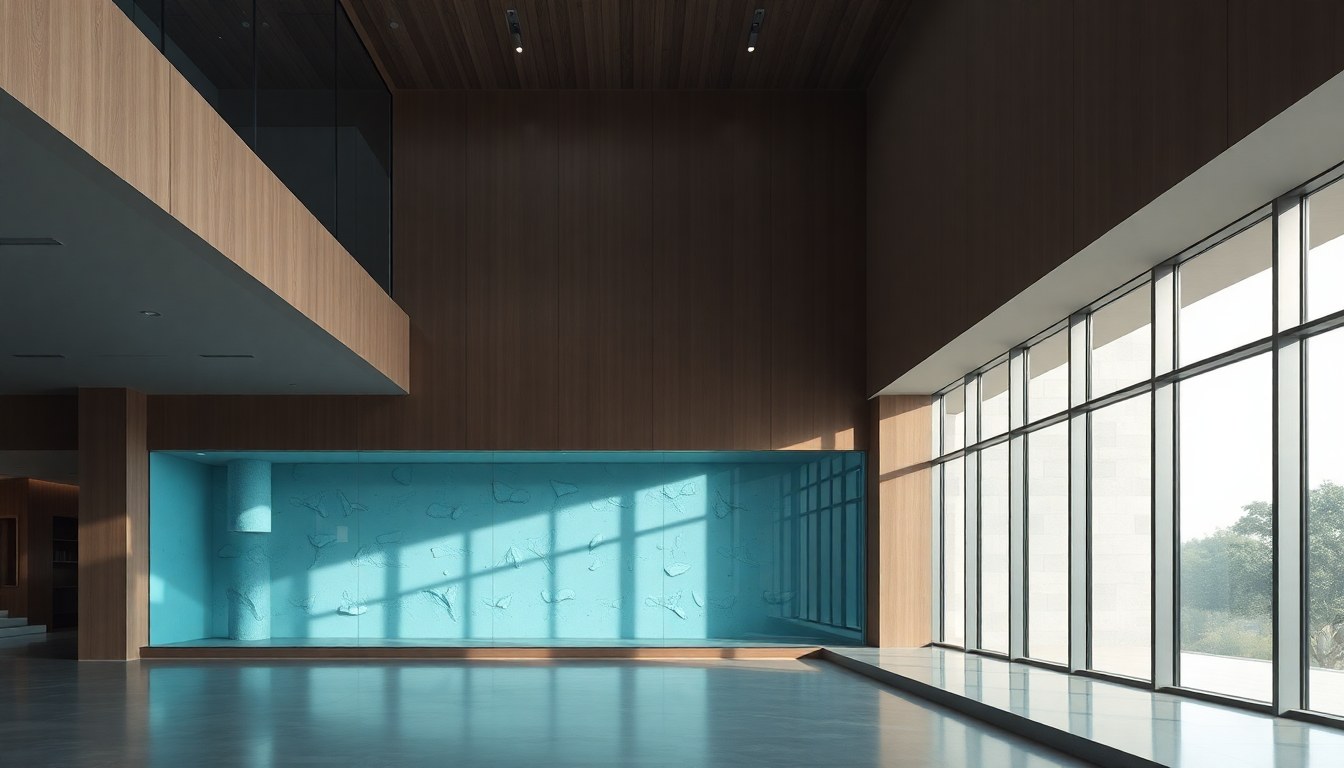
Selecting the correct toughened glass thickness for aquarium walls is critical for preventing catastrophic failure and ensuring the safety of both aquatic life and surrounding property. Whether you're building a residential fish tank or a commercial display aquarium, understanding water pressure calculations, appropriate glass thickness, and Indian safety standards will help you make informed decisions. This comprehensive guide covers everything from basic thickness requirements to edge treatment specifications for large-scale installations.
Understanding Water Pressure and Glass Thickness Requirements
Water pressure increases linearly with depth, exerting significant force on aquarium walls that must be carefully calculated before selecting glass thickness. At every 10 centimeters of water depth, pressure increases by approximately 0.01 bar or 1 kilopascal. For a 150-centimeter tall aquarium, the bottom edge experiences roughly 15 times more pressure than the top, making thickness calculations essential for structural integrity.
The relationship between water volume, tank dimensions, and required glass thickness follows established engineering principles. A standard formula considers the height of the water column, the length of the unsupported glass panel, and a safety factor typically between 3.8 and 4.0 for residential aquariums. Commercial installations often require higher safety factors of 5.0 or more, especially in public spaces where human safety is paramount.
Toughened glass offers approximately four to five times the strength of annealed glass of the same thickness, making it the preferred choice for aquarium construction. However, once toughened glass fails, it shatters completely into small granular pieces, which is why proper thickness selection and quality certification become non-negotiable for aquarium applications.
Basic Thickness Guidelines by Tank Height
For aquariums up to 60 centimeters in height, 10-millimeter toughened glass typically provides adequate strength for panels up to 90 centimeters in length. Tanks between 60 and 90 centimeters tall generally require 12-millimeter glass, while installations between 90 and 120 centimeters demand 15-millimeter thickness as a minimum standard.
Large display aquariums exceeding 120 centimeters in height require 19-millimeter or thicker toughened glass, with some commercial installations using 25-millimeter panels or laminated configurations. These calculations assume standard freshwater density; saltwater aquariums may require slightly thicker glass due to the higher specific gravity of seawater.
Safety Standards and Certifications for Aquarium Glass
In India, toughened glass used for aquarium construction should comply with IS 2553 Part 1, which specifies requirements for safety glass in building applications. While no specific Indian standard exclusively addresses aquarium glass, adherence to international standards like ASTM C1048 or EN 12150 provides additional assurance of quality and performance characteristics.
Quality toughened glass for aquariums must undergo proper heat treatment, reaching temperatures between 620 and 650 degrees Celsius before rapid cooling. This process creates surface compression that gives the glass its strength. Reputable manufacturers provide certification documents indicating the degree of tempering, surface compression levels (typically above 69 MPa), and compliance with relevant standards.
- Surface compression minimum: 69 MPa for standard toughened glass
- Edge compression: Should exceed 67 MPa to prevent edge failure
- Fragmentation test: Must break into small, relatively harmless pieces
- Optical quality: Minimal distortion for viewing clarity
- Nickel sulfide inclusion test: Especially important for large panels to prevent spontaneous breakage
Heat Soak Testing for Large Installations
For aquariums holding more than 2,000 liters or installed in commercial settings, heat soak testing becomes a critical safety measure. This process involves holding toughened glass at approximately 290 degrees Celsius for several hours to trigger any nickel sulfide inclusions that might cause spontaneous failure after installation. While this adds 15-20% to material costs, it dramatically reduces the risk of unexpected breakage in large, expensive installations.
Edge Treatment and Finishing Requirements
The edges of toughened glass panels represent the weakest point in aquarium construction, making proper edge treatment essential for long-term safety. All edges must be ground and polished before the tempering process, as any cutting or drilling after tempering will cause immediate shattering. Edge quality directly impacts both structural integrity and the effectiveness of silicone sealing in joined aquarium construction.
For aquarium applications, edges should receive at least a seamed finish, which removes sharp arris and provides a smooth surface for silicone adhesion. Better installations use pencil-polished or flat-polished edges, which offer superior smoothness and reduce stress concentration points. The edge finish quality becomes particularly important at corners where multiple panels join, as these junctions experience complex stress patterns.
Corner and Joint Considerations
Aquarium corners can be constructed using butt joints, mitered edges, or specialized corner brackets, each with distinct advantages. Butt joints, where one panel sits against the edge of another, are most common and rely entirely on structural silicone for strength. High-quality aquarium silicone with tensile strength above 2 MPa should be used, with joint widths between 3 and 6 millimeters depending on glass thickness.
Mitered corners, where edges are cut at 45-degree angles before tempering, provide larger bonding surfaces and more aesthetically pleasing joints. However, they require precise manufacturing and are more expensive. Some large commercial aquariums use external stainless steel or aluminum framing to support glass panels, reducing reliance on silicone alone for structural integrity.
Calculating Thickness for Custom Aquarium Designs
Custom aquarium designs require detailed calculations that account for panel dimensions, water height, and support conditions. The basic formula for unsupported rectangular panels considers the maximum span length, water height, and a safety factor. For a panel with height H (in centimeters), length L (in centimeters), and safety factor SF, the minimum thickness T (in millimeters) can be approximated as: T = (L × √H) / (SF × 30).
This simplified formula provides a starting point, but professional installations should involve structural engineering analysis, especially for tanks exceeding 1,000 liters. Factors like panel aspect ratio, bracing locations, and temperature variations can significantly affect stress distribution. In cities like Mumbai, Bangalore, and Delhi, several specialized aquarium designers offer calculation services and can recommend appropriate specifications based on local installation conditions.
Special Considerations for Curved and Specialty Panels
Curved aquarium panels require specialized manufacturing processes and different thickness calculations than flat panels. The curvature itself adds structural strength, potentially allowing for thinner glass than equivalent flat panels. However, curved toughened glass is significantly more expensive, with costs typically 3-4 times higher than flat panels of similar dimensions.
Cylindrical aquariums and bubble tanks use curved panels where the radius of curvature affects stress distribution. Tighter curves generally require thicker glass, and the tempering process for curved glass demands precise temperature control to avoid optical distortion. Most curved aquarium glass is custom-manufactured with lead times of 4-6 weeks in India.
Installation Best Practices and Maintenance
Proper installation of toughened glass aquarium panels requires clean, level surfaces and appropriate support structures. The base must be perfectly level to prevent uneven load distribution that could stress glass panels. A cushioning layer of neoprene or specialized aquarium mat between glass and support surfaces prevents point loading and accommodates minor irregularities.
Silicone application requires clean, dry glass edges and appropriate curing time before water filling. Most aquarium-grade silicones require 24-48 hours to cure sufficiently for leak testing and 7 days for full strength development. Rushing this process risks joint failure under water pressure. Temperature during curing should remain between 15 and 35 degrees Celsius for optimal silicone performance.
- Clean all glass surfaces with isopropyl alcohol before silicone application
- Use continuous silicone beads without gaps or air pockets
- Support large panels during curing to prevent sagging
- Perform leak testing with gradual filling over 24 hours
- Inspect all joints for proper adhesion before full water loading
Long-Term Maintenance and Inspection
Regular inspection of toughened glass aquarium panels helps identify potential issues before failure occurs. Check silicone joints quarterly for signs of degradation, separation, or algae growth that might indicate water seepage. While toughened glass itself requires minimal maintenance, the joints and seals demand attention, especially in the first year after installation when most silicone-related failures occur.
Avoid using abrasive cleaning materials on toughened glass surfaces, as scratches can become stress concentration points. Magnetic algae cleaners and soft cloths work best for routine maintenance. For large commercial aquariums, professional inspection annually by qualified technicians ensures continued safety and identifies any developing issues with glass or support structures.
Cost Considerations and Sourcing in India
Toughened glass pricing in India varies significantly based on thickness, quality, and order volume. As of 2024, 10-millimeter toughened glass costs approximately ₹180-250 per square foot, while 15-millimeter glass ranges from ₹300-400 per square foot. Thicker 19-millimeter and 25-millimeter panels can cost ₹450-650 per square foot, with additional charges for edge polishing, heat soak testing, and custom sizes.
Major glass manufacturing hubs in India include Gujarat, Maharashtra, and Tamil Nadu, with several manufacturers capable of producing aquarium-grade toughened glass. Sourcing locally can reduce transportation costs and breakage risks, though specialized applications may require importing high-quality glass from international suppliers. Always request certifications and test reports before committing to large orders.
For residential aquariums under 500 liters, total glass costs typically range from ₹15,000 to ₹50,000 depending on dimensions and specifications. Commercial installations can easily exceed ₹2-5 lakhs for glass alone, not including support structures, filtration systems, or installation labor. Obtaining multiple quotes and verifying manufacturer credentials helps ensure both competitive pricing and quality assurance.
Frequently Asked Questions
What is the minimum thickness of toughened glass for a 4-foot tall aquarium?
For a 4-foot (approximately 120 centimeters) tall aquarium, the minimum recommended toughened glass thickness is 15 millimeters for panels up to 4 feet in length. If the panel length exceeds 4 feet, 19-millimeter glass becomes necessary. These recommendations assume freshwater use and include appropriate safety factors. Always consult with a structural engineer for large custom installations to ensure proper thickness based on specific dimensions and support conditions.
Can regular toughened glass be used for aquarium construction or does it require special treatment?
While standard toughened glass meeting IS 2553 specifications can be used for aquariums, it must have properly polished edges completed before tempering and should ideally undergo heat soak testing for large installations. The glass should be free from nickel sulfide inclusions that could cause spontaneous breakage. Aquarium-specific considerations include optical clarity, edge finish quality for silicone bonding, and appropriate thickness calculations based on water pressure. Not all toughened glass manufacturers produce aquarium-suitable products, so verification of specifications is essential.
How long does toughened glass for aquariums typically last?
Properly manufactured and installed toughened glass aquarium panels can last 20-30 years or more without degradation. The glass itself does not weaken over time, though silicone joints typically require replacement every 10-15 years depending on water chemistry and maintenance practices. Regular inspection and maintenance of seals, rather than the glass panels themselves, determines the practical lifespan of most aquarium installations. Spontaneous breakage from nickel sulfide inclusions typically occurs within the first five years if present, making heat soak testing valuable for long-term reliability.
Is laminated glass better than toughened glass for large aquariums?
Laminated glass offers advantages for very large aquariums, particularly those exceeding 2 meters in height or installed in public spaces. Unlike toughened glass which shatters completely upon failure, laminated glass remains in place due to the interlayer bonding, providing a safety advantage if breakage occurs. However, laminated glass costs 40-60% more than toughened glass of equivalent strength and requires thicker overall panels. For most residential and moderate commercial applications under 2,000 liters, properly specified toughened glass provides adequate safety at lower cost. Large public aquariums often use laminated configurations combining multiple layers of toughened glass.
What certifications should I verify when purchasing toughened glass for an aquarium?
Request IS 2553 Part 1 compliance certification for toughened glass manufactured in India, along with test reports showing surface compression levels above 69 MPa. For imported glass, look for ASTM C1048 or EN 12150 certification. Heat soak test certificates are valuable for panels larger than 1 square meter. Reputable manufacturers provide batch-specific documentation including fragmentation test results and optical quality measurements. Additionally, verify that edge polishing meets specifications and that the manufacturer has experience with aquarium applications, as standard architectural glass may not meet the specific requirements for underwater viewing clarity and silicone bonding.
Finding qualified toughened glass suppliers and aquarium specialists is essential for successful large tank installations. Visit the glassy.in directory to connect with certified glass manufacturers, processors, and aquarium design professionals across India who can provide expert guidance on specifications, calculations, and installation services for your custom aquarium project.