
Toughened Glass
How to Repair Chips and Cracks in Toughened Glass: Emergency Guide for Homeowners
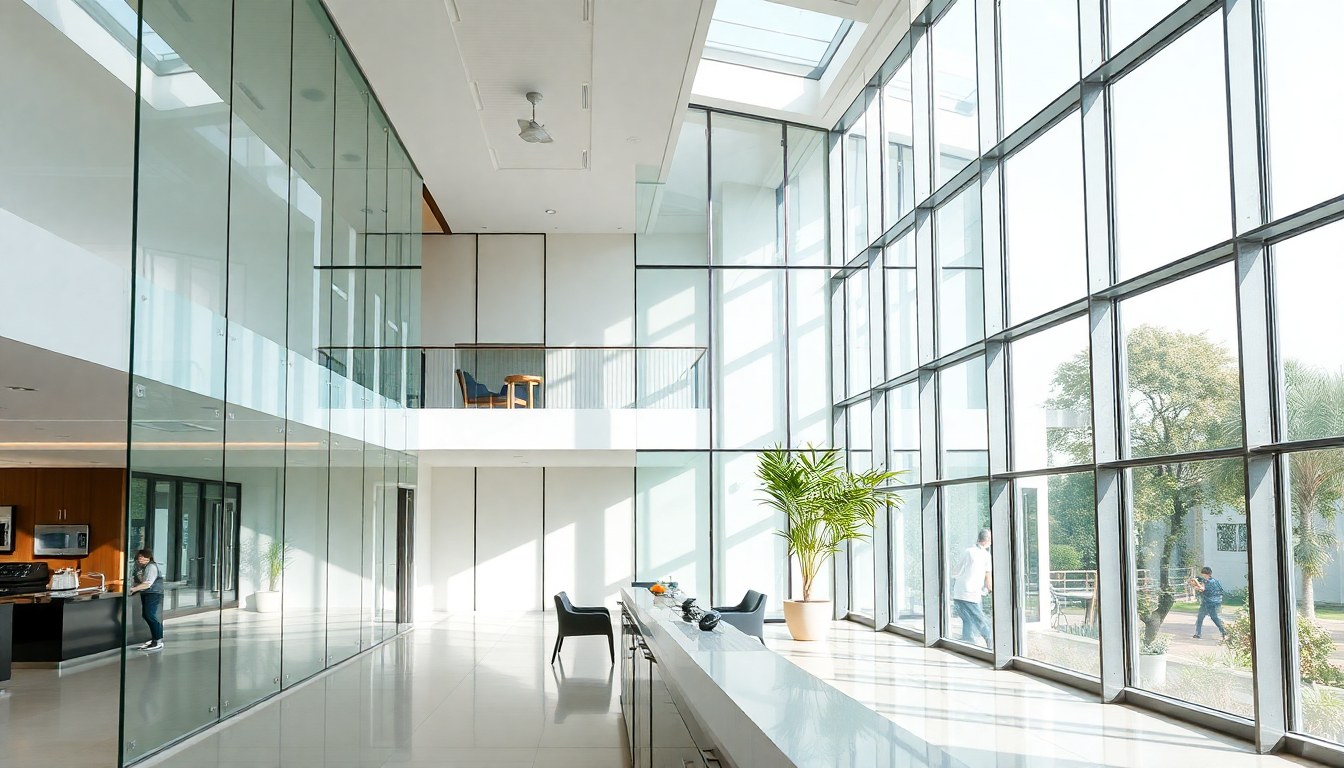
If you've noticed a crack or chip in your toughened glass door, partition, or railing, you need to know this critical fact immediately: toughened glass cannot be repaired. Unlike regular annealed glass, the tempering process creates internal stresses that make any damage irreversible, requiring complete replacement. This guide will help you assess the severity of damage, implement temporary safety measures, and understand when to call a professional before the glass shatters completely.
Why Toughened Glass Cannot Be Repaired
Toughened glass, also known as tempered glass, undergoes a specialized heat treatment process that makes it four to five times stronger than ordinary glass. During manufacturing, the glass is heated to approximately 620°C and then rapidly cooled using high-pressure air jets. This process creates compression on the surface and tension in the interior, giving toughened glass its strength and unique safety properties.
When toughened glass sustains any damage—even a small chip or crack—it disrupts this delicate balance of internal stresses. Unlike regular glass where a crack can remain stable or be filled with resin, any breach in toughened glass compromises the entire panel's structural integrity. The damage will either cause immediate shattering into thousands of small, relatively harmless pieces, or create a ticking time bomb that could explode at any moment due to temperature changes, vibrations, or additional stress.
Attempting to repair toughened glass with adhesives, resins, or any other method will not restore its strength and may actually accelerate failure. The only safe solution is complete replacement of the damaged panel. This is why understanding the severity of damage and taking immediate safety measures is crucial for protecting your family and property.
How to Assess the Severity of Damage
Not all damage to toughened glass presents the same level of immediate danger. Learning to assess the severity helps you determine how urgently you need professional intervention and what temporary measures to implement.
Surface Scratches Versus Structural Damage
Surface scratches that don't penetrate the glass are generally cosmetic issues that won't compromise structural integrity. You can test this by running your fingernail across the scratch—if it doesn't catch, it's likely superficial. However, any chip, crack, or deep scratch that you can feel represents structural damage requiring immediate attention.
Edge chips are particularly dangerous because the edges of toughened glass are the most vulnerable areas. A small edge chip of just 3-5mm can cause the entire panel to spontaneously shatter, especially in applications like shower enclosures or balcony railings where temperature fluctuations and stress are common.
Warning Signs of Imminent Failure
Certain signs indicate that your damaged toughened glass is at high risk of sudden failure:
- Spider-web patterns: Radiating cracks spreading from a central impact point suggest the glass is under extreme stress
- Rainbow or iridescent patterns: Visible stress marks around the damage area indicate internal tension
- Growing cracks: If a crack appears to be extending, even slowly, immediate replacement is critical
- Multiple impact points: Several chips or cracks significantly increase the risk of catastrophic failure
- Damage near fixing points: Cracks near clamps, hinges, or mounting hardware are especially dangerous
If you observe any of these warning signs, treat the situation as an emergency. Restrict access to the area immediately and contact a professional glass replacement service without delay.
Immediate Safety Measures for Damaged Toughened Glass
While waiting for professional replacement, implementing temporary safety measures can prevent injuries and property damage. These steps are particularly important if the damaged glass is in a high-traffic area or critical location like a main door, staircase railing, or shower enclosure.
Restricting Access and Creating Barriers
Your first priority is preventing anyone from touching, leaning against, or putting pressure on the damaged panel. For doors, lock them in an open or closed position and use an alternative entrance. For partitions and railings, create a physical barrier using chairs, tables, or temporary fencing at least one meter away from the glass. Place clear warning signs or bright tape to alert family members and visitors to the danger.
If the damage is in a child's room or play area, relocate children to another space entirely until replacement is complete. Toughened glass shatters into small pieces with relatively dull edges, but the sudden explosive failure can still cause injuries, especially to young children or pets.
Temporary Stabilization Techniques
While you cannot repair the glass, you can take limited steps to reduce the risk of spontaneous shattering before replacement:
- Avoid temperature extremes: Don't use heating or cooling systems that create rapid temperature changes near the damaged glass
- Minimize vibrations: Avoid slamming nearby doors, playing loud music, or conducting any construction activities in the vicinity
- Apply safety film carefully: If you have clear safety film available, gently apply it to both sides of the damaged area to contain glass fragments if shattering occurs—but do this only if you can do so without applying pressure to the damaged area
- Support the panel: For larger installations, place soft supports (like foam blocks) underneath to reduce stress, but never attempt to clamp or rigidly secure damaged toughened glass
Remember, these measures are temporary risk-reduction steps only. They do not make the glass safe for continued use and should never delay professional replacement.
When to Call a Professional Immediately
Certain situations require immediate professional intervention, sometimes within hours rather than days. Understanding these scenarios helps you prioritize and potentially prevent serious accidents or property damage.
Call a professional glass replacement service immediately if the damaged glass is in any of these critical applications: main entrance doors, shower or bathroom enclosures, balcony or staircase railings, overhead canopies or skylights, or any installation where failure could result in falls or serious injury. For these situations, many glass service providers offer emergency same-day or next-day replacement services.
You should also seek immediate professional help if the damage occurred due to unusual circumstances such as spontaneous breakage (without any obvious impact), damage to fire-rated or security glass installations, or if the glass is part of a structural glazing system. These scenarios may require specialized assessment beyond simple replacement. Reputable providers like Golden Glass House can evaluate complex installations and recommend appropriate solutions.
When calling a professional, provide detailed information about the damage location, size of the panel, type of installation (door, partition, railing, etc.), and any identifying marks or labels on the glass. This helps the service provider bring the correct replacement glass and hardware on the first visit, reducing downtime and inconvenience.
Understanding Replacement Options and Costs
When replacing damaged toughened glass, you'll encounter several options that affect both safety and budget. Understanding these choices helps you make informed decisions during what is often a stressful emergency situation.
Standard Toughened Glass Versus Enhanced Options
Standard toughened glass replacement is the most economical option and suitable for most residential applications. However, you might consider upgraded alternatives depending on your specific needs. Laminated toughened glass consists of two toughened glass layers bonded with an interlayer, providing additional security and noise reduction. This option costs approximately 40-60% more than standard toughened glass but offers superior performance for main doors and ground-floor installations.
Heat-soaked toughened glass undergoes an additional manufacturing process that dramatically reduces the risk of spontaneous breakage due to nickel sulfide inclusions—a rare but serious defect. While this option adds 15-25% to the cost, it's worth considering for critical installations like overhead glazing or large unsupported panels where spontaneous failure would be particularly dangerous.
Cost Factors in Indian Markets
Toughened glass replacement costs in India vary significantly based on thickness, size, and location. As a general guide, 10mm toughened glass typically costs ₹180-250 per square foot, while 12mm ranges from ₹220-300 per square foot. These prices include the glass but not installation, hardware, or emergency service charges.
Additional costs to budget for include removal and disposal of damaged glass (₹500-1,500), installation labor (₹100-200 per square foot), new hardware if required (₹500-5,000 depending on type), and emergency or same-day service premiums (typically 25-50% additional). For complex installations involving railings or structural glazing, consultation with specialists in interior design and glass work, such as Flooring House, can ensure proper specification and installation.
Preventing Future Damage to Toughened Glass
While you cannot repair damaged toughened glass, you can implement preventive measures to protect your new installation and avoid future emergencies. Understanding common causes of damage helps you address vulnerabilities in your home.
The edges of toughened glass are significantly more vulnerable than the face, so ensure proper edge protection during installation. Insist that installers use appropriate setting blocks, edge clearances, and compatible sealants. Hard contact between glass edges and metal or concrete framing is a leading cause of chips and cracks. Quality installation should include small rubber or plastic spacers that prevent direct contact while allowing for thermal expansion.
Impact from hard objects is another common cause of damage. Install door stops to prevent handles from striking glass panels, use corner guards in high-traffic areas, and consider applying a transparent protective film to glass surfaces in children's play areas or near sports activities. For exterior installations, ensure adequate drainage to prevent water accumulation at the base, as freeze-thaw cycles can stress the glass and mounting hardware.
Regular inspection and maintenance also extend the life of toughened glass installations. Every six months, check for loose hardware, degraded sealants, or any signs of stress around mounting points. Tighten loose fittings promptly, as movement and vibration significantly increase the risk of edge damage. Clean glass surfaces using appropriate non-abrasive cleaners and soft cloths to avoid creating surface scratches that could develop into stress points.
Frequently Asked Questions
Can I use glass repair resin on a small chip in toughened glass?
No, you should never attempt to repair toughened glass with resin, adhesive, or any other method. The tempering process creates internal stresses throughout the glass, and any damage—no matter how small—compromises the entire panel's structural integrity. Applying resin will not restore strength and may create a false sense of security while the glass remains at risk of sudden catastrophic failure. The only safe solution is complete replacement of the damaged panel.
How long can I safely use toughened glass with a small crack before replacing it?
You should not continue using damaged toughened glass at all. While some damaged panels may remain intact for days or even weeks, others can shatter within minutes or hours. Temperature changes, vibrations, additional impacts, or even internal stress redistribution can trigger sudden failure at any time. Implement safety measures immediately and arrange professional replacement as soon as possible—ideally within 24-48 hours for critical installations like doors and railings.
What causes toughened glass to crack spontaneously without any impact?
Spontaneous breakage of toughened glass, while rare, can occur due to nickel sulfide inclusions—microscopic impurities that can expand over time and create stress points. This typically happens within the first few years after installation. Other causes include edge damage during installation that weakens the glass over time, improper installation creating stress at fixing points, and extreme temperature differentials causing thermal stress. If your toughened glass breaks spontaneously, document the incident and contact both your installer and the glass manufacturer, as this may be covered under warranty.
Is it cheaper to replace just the glass or the entire door/partition assembly?
In most cases, replacing only the glass panel is significantly more economical than replacing the entire assembly. Glass replacement typically costs 30-50% of a complete new installation, as the framing, hardware, and installation infrastructure remain intact. However, if your existing hardware is damaged, outdated, or incompatible with current safety standards, investing in a complete replacement may provide better long-term value. A professional assessment can help you determine the most cost-effective approach for your specific situation.
Can I claim insurance for toughened glass replacement?
Many comprehensive home insurance policies in India cover accidental glass breakage, including toughened glass doors, partitions, and railings. However, coverage varies significantly between policies. Review your policy documents or contact your insurance provider to understand your coverage limits, deductibles, and claim procedures. Document the damage with photographs, obtain detailed replacement quotations from licensed professionals, and file your claim promptly. Some insurers require specific documentation or may send their own assessors before approving claims.
When you need professional toughened glass replacement or consultation, visit the Glassy.in directory to find verified glass service providers in your area. Our comprehensive listings help you connect with experienced professionals who can assess your damage, provide accurate quotations, and complete safe, quality installations that protect your home and family.