
Glass Railings
Tinted Glass for Residential Balconies: UV Protection & Privacy Without Frames
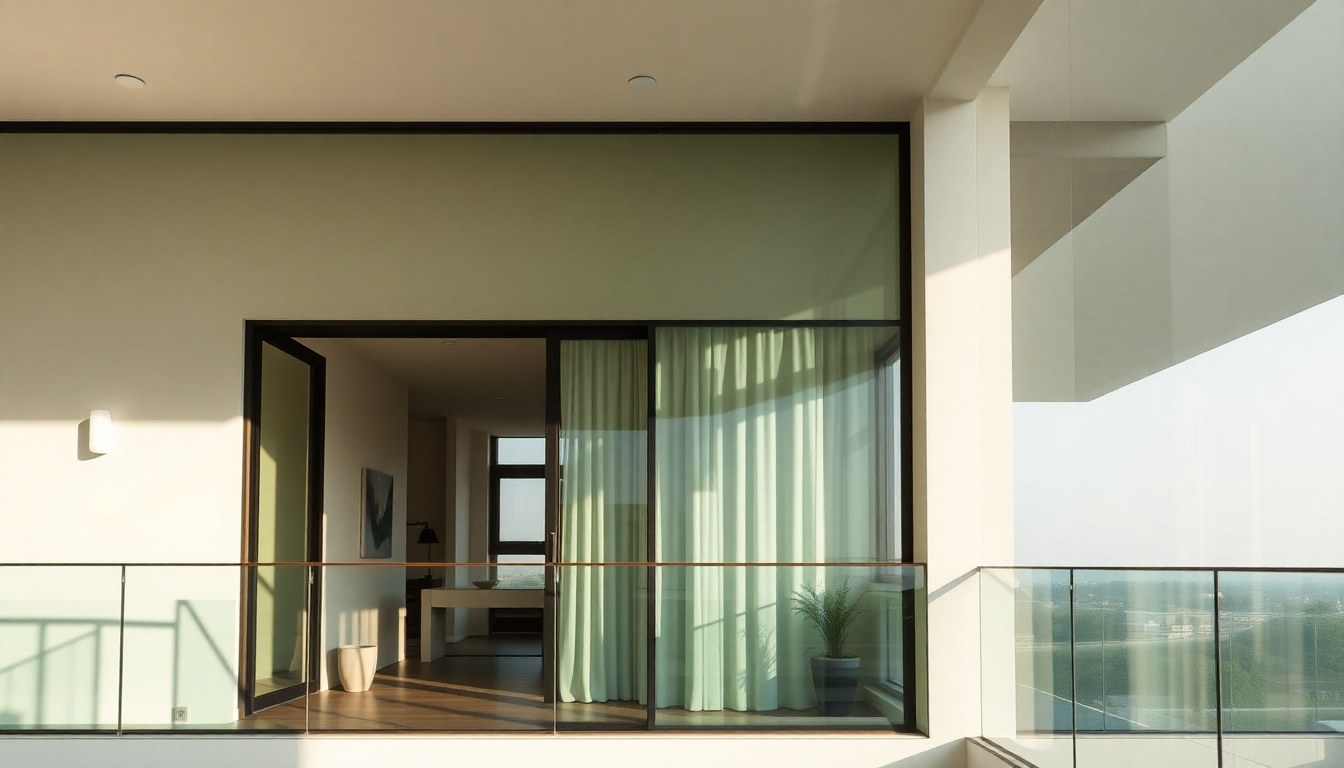
Tinted glass railings have become a sophisticated choice for modern residential balconies, combining aesthetic appeal with practical benefits like UV protection and enhanced privacy. Unlike traditional opaque barriers or heavy framing systems, tinted glass allows natural light to flow while filtering harmful rays and creating visual boundaries. If you're planning a balcony upgrade, understanding the range of tinted glass options available can help you make an informed decision that suits your home's architecture and lifestyle needs.
Why Choose Tinted Glass for Your Balcony Railing?
Balconies are extensions of your living space, and the railing you choose significantly impacts both function and aesthetics. Tinted glass railings offer a frameless or minimalist frame design that creates an illusion of space while providing essential safety barriers. Unlike solid walls or metal railings, tinted glass maintains visual connectivity with your surroundings—whether that's a garden, street view, or neighboring landscape.
The primary advantages of tinted glass include UV filtration, which protects your skin and furnishings from sun damage, improved privacy without sacrificing light, and a contemporary look that complements various architectural styles. Tinted glass railings also require minimal maintenance compared to painted wood or metal railings, and they age gracefully without rust or weathering concerns.
Understanding UV Protection in Tinted Glass
UV radiation passes through standard clear glass largely unfiltered. Over time, exposure to UV rays can fade furniture, artwork, and flooring, while also posing health risks with prolonged balcony use. Tinted glass is manufactured to absorb or reflect a significant portion of ultraviolet radiation, typically blocking 99% of UVA and UVB rays depending on the tint type and thickness.
How UV Filtering Works
Tinted glass achieves UV protection through two primary methods: absorption and reflection. Absorptive tints contain metallic oxides or organic compounds that capture UV energy and convert it to heat, which is then dissipated. Reflective coatings, often applied as a thin metallic layer, bounce UV rays away from the glass surface. Many modern tinted glasses use a combination of both methods for optimal protection.
The effectiveness of UV protection depends on the tint concentration, glass thickness, and the specific wavelengths being filtered. Thicker glass and darker tints generally provide superior UV blocking, though even light tints offer meaningful protection compared to untreated glass.
Available Tint Colors and Their Aesthetic Impact
Tinted glass comes in a diverse palette of colors, each creating a distinct visual and atmospheric effect. The choice of tint influences how light enters your home, the privacy level, and how your balcony integrates with your interior design.
Popular Tint Options
- Bronze Tint: The most common choice for residential balconies, bronze tint offers warm tones that reduce glare while maintaining good visibility. It pairs well with wooden interiors and traditional architectural styles.
- Gray Tint: A neutral option that provides excellent glare reduction and a modern aesthetic. Gray tints are ideal for contemporary homes and minimalist designs, offering balanced light transmission.
- Green Tint: Less common than bronze or gray, green tint creates a softer, more natural appearance and is often preferred in homes surrounded by greenery or gardens.
- Blue Tint: A sophisticated choice that creates a cool, calming atmosphere. Blue tints work particularly well in coastal areas or modern minimalist spaces.
- Reflective Tints: These mirror-like finishes maximize privacy during daylight hours while maintaining outward visibility at night. They offer a striking contemporary look but may reflect more heat into your home.
When selecting a tint color, consider your home's orientation (north-facing balconies benefit from warmer tints, while south-facing ones suit cooler tints), your interior color scheme, and local building regulations that may restrict certain reflectivity levels.
Privacy Benefits Without Compromising Light
One of the key advantages of tinted glass railings is the balance they strike between privacy and light transmission. Unlike solid barriers or heavy curtains, tinted glass allows you to enjoy natural daylight while limiting the view into your home from outside.
The privacy level depends on tint darkness and the angle of sunlight. During the day, when outdoor light is brighter than interior light, tinted glass creates a one-way mirror effect—passersby see mostly their own reflection, while you retain clear views outward. This dynamic changes at night or in low-light conditions, so pairing tinted glass with interior curtains or blinds offers complete privacy control when needed.
For residential buildings where balconies face neighboring properties or busy streets, tinted glass railings are far superior to transparent glass, as they eliminate the need for permanent privacy solutions that block natural light. This is particularly valuable in Indian homes where balconies serve as outdoor extensions for relaxation, work, or socializing.
Design Integration with Modern Architecture
Tinted glass railings seamlessly complement contemporary residential architecture while also working well with traditional designs when the right tint color is chosen. The frameless or minimal-frame design creates clean sight lines and doesn't visually clutter your balcony space.
Architectural Compatibility
Modern minimalist homes benefit from gray or reflective tinted glass that emphasizes clean lines and uncluttered aesthetics. Traditional or transitional designs work well with bronze or warm-toned tints that echo natural wood elements. Architects and interior designers, such as those listed at AR ARCHITECTS STUDIO and muppāl architects & associates, often recommend tinted glass railings as a signature feature that elevates residential projects.
Tinted glass also works well with mixed-material railings that combine glass with stainless steel, aluminum, or wood accents. The tint color can be coordinated with these materials to create a cohesive design language across your balcony and home exterior.
Installation, Maintenance, and Durability
Tinted glass railings are installed using frameless or minimal-frame systems, typically with stainless steel or aluminum fittings at top and bottom edges. Professional installation is essential to ensure safety compliance and proper sealing against weather elements.
Maintenance is straightforward—regular cleaning with mild soap and water keeps tinted glass clear and free from dust or bird droppings. Unlike painted metal railings that require repainting every few years, or wood railings that need sealing and treatment, tinted glass maintains its appearance indefinitely. The tint is either embedded in the glass during manufacturing or applied as a permanent coating, so it won't peel or fade.
Durability depends on glass quality and installation. High-quality tinted glass can last 20-30 years or longer without degradation. Tempered tinted glass, which is heat-treated for safety, is the standard choice for residential railings as it's more impact-resistant and breaks into harmless granules rather than sharp shards if damaged.
For reliable installation and quality materials, consider reaching out to manufacturers like VICKY GLASS WORKS, which specializes in residential glass solutions.
Cost Considerations and Value
Tinted glass railings represent a mid-to-premium investment for residential balconies. Costs vary based on balcony size, glass thickness, tint type, and installation complexity. In India, expect to budget ₹800 to ₹2,500 per square meter for quality tinted glass railing systems, including installation.
While tinted glass costs more upfront than basic metal railings, the long-term value is compelling. You'll save on maintenance, avoid replacement costs from rust or weather damage, and enjoy improved home comfort through UV protection and privacy. Additionally, tinted glass railings enhance property aesthetics and can positively influence resale value, particularly in premium residential areas where buyers prioritize modern design and quality finishes.
Frequently Asked Questions
Does tinted glass completely block UV rays?
Quality tinted glass blocks approximately 99% of UVA and UVB rays, providing excellent protection for your skin and furnishings. However, no glass blocks 100% of UV radiation. The remaining 1% is negligible for practical purposes, and tinted glass offers substantially more protection than standard clear glass, which blocks only about 25% of UV rays.
Will tinted glass make my balcony feel dark or closed-in?
Light tints like gray or bronze allow 50-70% of visible light to pass through, so your balcony remains bright and open. Darker or reflective tints transmit less light but create a more private atmosphere. The choice depends on your preference—most residential balconies with tinted glass feel naturally lit during daylight hours.
Can I change the tint color later if I'm not satisfied?
Once tinted glass is installed, changing the tint color requires replacing the entire railing system. This is why it's important to carefully consider your choice before installation. However, if you're uncertain, you can request samples or visit showrooms to see how different tints look in your home's lighting conditions.
Are there any building codes or regulations I should know about for tinted glass railings?
Building codes vary by state and municipality in India. Generally, balcony railings must meet minimum height requirements (typically 1.1 to 1.2 meters) and load-bearing standards. Some areas restrict reflectivity levels to prevent glare affecting neighboring properties. Consult with local authorities or architects like VK construction and architect before finalizing your design.
How do I clean tinted glass railings without damaging the tint?
Tinted glass is durable and resistant to standard cleaning methods. Use soft cloths, mild soap, and water—avoid abrasive scrubbers or harsh chemicals that might scratch the surface. For stubborn stains, a 50/50 vinegar and water solution works well. The tint won't be affected by normal cleaning, as it's either embedded in the glass or bonded as a permanent coating.
Transform Your Balcony with Tinted Glass
Tinted glass railings represent a thoughtful investment in your home's comfort, aesthetics, and long-term value. By filtering UV rays, enhancing privacy, and complementing modern architecture, they solve multiple design and functional challenges with a single elegant solution. Whether you're renovating an existing balcony or designing a new one, tinted glass offers flexibility in color choice and seamless integration with your home's style. Explore the extensive range of glass railing manufacturers and architects on glassy.in to find the perfect tinted glass solution for your residential balcony. Our directory connects you with trusted glass professionals across India who can guide you through design options, installation, and maintenance.