
Glass Guides
Tinted Glass for Heat Control: Choosing the Right Color for Indian Climates
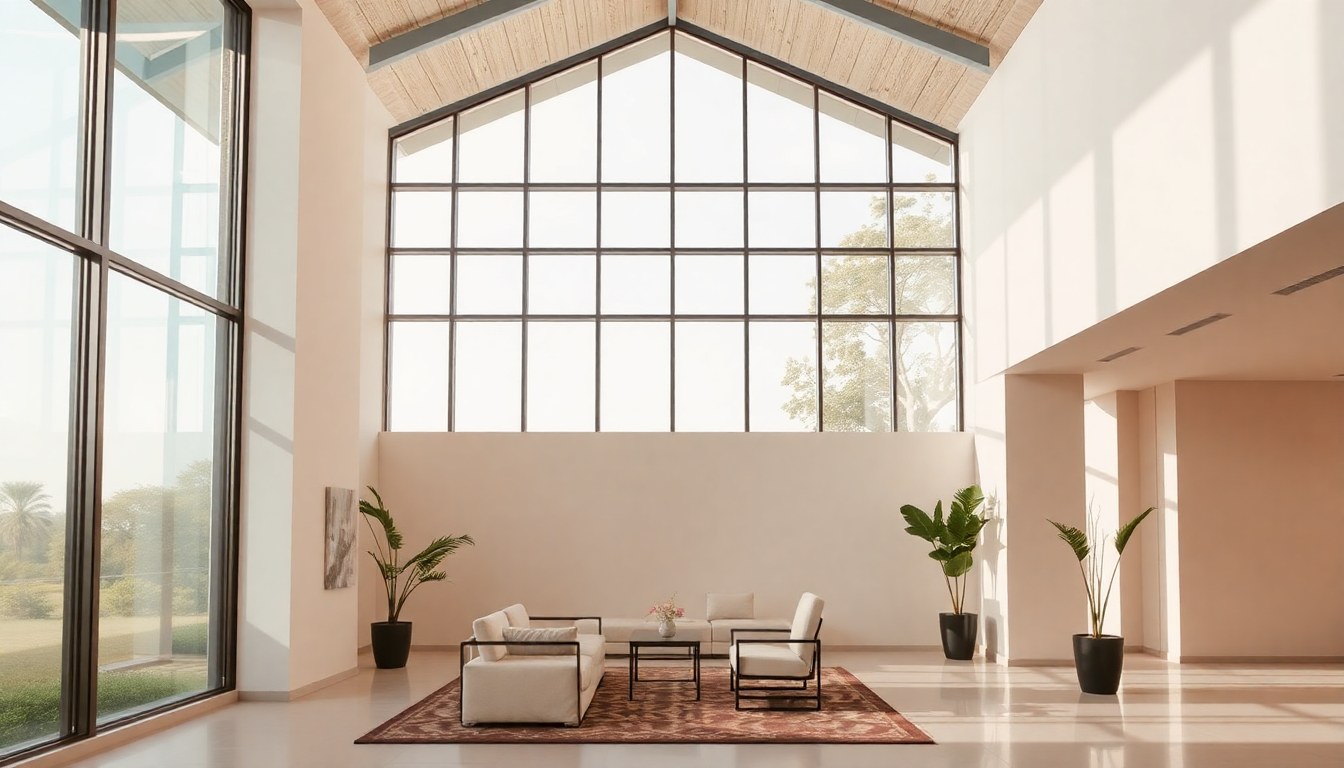
India's intense summer heat drives up air-conditioning costs and energy consumption, making heat-rejection glass a practical investment for homes and offices. Tinted glass—available in gray, bronze, green, and blue—reduces solar transmittance and cooling load while offering distinct aesthetic and performance benefits. This guide helps you choose the right tint color based on your location's climate, budget, and design preferences.
Why Tinted Glass Matters in Indian Homes and Offices
Uncoated clear glass allows up to 86% of solar energy to enter a building, driving indoor temperatures higher and forcing air-conditioning systems to work harder. Tinted glass reduces this solar heat gain by reflecting and absorbing infrared radiation before it penetrates indoors. The result: lower cooling loads, reduced electricity bills, and improved thermal comfort.
Beyond energy savings, tinted glass provides privacy, reduces glare on computer screens, and protects furniture and artwork from UV damage. In India's tropical and subtropical climates—from Bangalore's year-round warmth to Delhi's scorching summers—the right tint color can cut cooling costs by 15–25%, depending on orientation and existing insulation.
Understanding Solar Transmittance and Visible Light Transmission
Two key metrics determine a tint's effectiveness: Solar Heat Gain Coefficient (SHGC) and Visible Light Transmission (VLT). SHGC measures the fraction of solar radiation that enters through the glass (lower is better for heat rejection). VLT indicates how much visible light passes through (higher means brighter interiors).
A tint with SHGC of 0.30 blocks 70% of solar heat, while one with VLT of 0.50 allows half the daylight through. The trade-off: better heat rejection often means slightly dimmer interiors. Most Indian homes and offices prefer a balance—SHGC between 0.25–0.40 and VLT between 0.40–0.60—to maintain natural light while controlling heat.
How SHGC and VLT Affect Your Space
- High SHGC (0.50+): More solar heat enters; cooler bills in winter, higher in summer.
- Low SHGC (0.20–0.30): Stronger heat rejection; ideal for south and west-facing windows.
- High VLT (0.60+): Brighter interiors; less tint color visible from outside.
- Low VLT (0.30–0.40): Darker appearance; maximum privacy and glare reduction.
Tinted Glass Colors: Performance, Aesthetics, and Cost
Gray Tinted Glass
Gray is the most popular tint in India for balanced heat rejection and neutral aesthetics. It blocks 40–50% of solar heat while maintaining good visible light transmission (VLT: 0.50–0.65). Gray tint appears neutral from both inside and outside, making it versatile for residential and commercial spaces. It does not distort colors or create a greenish or blue cast, which some people find undesirable in living areas.
Cost: Gray tinted glass typically costs ₹120–₹180 per square foot, depending on thickness (4–6 mm) and supplier. Best for: South and west-facing windows in homes and offices where balanced light and heat control are priorities. Drawback: Slightly lower heat rejection compared to bronze or darker tints.
Bronze Tinted Glass
Bronze tint delivers superior heat rejection (SHGC: 0.25–0.35) while imparting a warm, earthy appearance. It blocks 50–60% of solar radiation and is particularly effective on west-facing windows that receive intense afternoon sun. Bronze glass reduces glare significantly and creates a premium aesthetic popular in high-end residential and corporate interiors.
Cost: Bronze tinted glass ranges from ₹140–₹220 per square foot. Best for: West-facing windows, luxury homes, and offices seeking a sophisticated look. Drawback: Slightly darker interiors (VLT: 0.40–0.55) and a warmer color cast that may not suit all design schemes.
Green Tinted Glass
Green tint offers moderate heat rejection (SHGC: 0.35–0.45) with a cool, natural aesthetic that some find calming. It maintains reasonable visible light transmission (VLT: 0.50–0.65) and is less common than gray or bronze, making it a distinctive choice for architects and designers. Green tint works well in biophilic design schemes and eco-conscious projects.
Cost: Green tinted glass costs ₹130–₹200 per square foot. Best for: East-facing windows, wellness centers, and homes emphasizing natural aesthetics. Drawback: Lower heat rejection than bronze; may require additional shading on west-facing exposures.
Blue Tinted Glass
Blue tint provides moderate heat control (SHGC: 0.35–0.45) while creating a cool, contemporary appearance. It maintains good light transmission (VLT: 0.50–0.70) and is often used in modern commercial buildings and tech offices. Blue glass reflects a sky-like quality that enhances building facades and appeals to clients seeking a modern aesthetic.
Cost: Blue tinted glass ranges from ₹125–₹210 per square foot. Best for: North-facing windows, modern office buildings, and contemporary homes. Drawback: Lower heat rejection than bronze; the blue cast may feel cold in certain lighting conditions.
Selecting the Right Tint for Your Location and Orientation
India's climate varies significantly by region. Bangalore and Hyderabad experience year-round warmth with moderate humidity, making bronze or gray tints ideal for all exposures. Delhi and North India face extreme summer heat followed by mild winters, so darker tints on west and south-facing windows are essential. Coastal cities like Mumbai and Chennai have high humidity and intense sun, benefiting from maximum heat rejection on all sides.
Window orientation is equally critical. West-facing windows receive the harshest afternoon sun and should prioritize heat rejection (bronze with SHGC ≤ 0.30). South-facing windows benefit from moderate tinting (gray or bronze with SHGC 0.30–0.40). East-facing windows receive morning sun and can use lighter tints (green or gray with SHGC 0.40–0.50). North-facing windows rarely need tinting for heat control and may use blue or light gray for aesthetics only.
Regional Recommendations
- Bangalore: Gray or bronze on west-facing; gray on south-facing; light gray on east and north.
- Delhi: Bronze on west and south; gray on east; minimal tinting on north.
- Mumbai/Coastal: Bronze on all exposures; consider reflective coatings for maximum heat rejection.
- Hyderabad: Gray or bronze on west and south; green on east for aesthetics.
Cost Comparison and ROI in Indian Markets
The cost premium for tinted glass varies by supplier, thickness, and location. A typical residential window upgrade from clear to tinted glass costs ₹2,000–₹5,000 per window (assuming 1.5 sq. meter size). For a 2,000 sq. foot home with 12–15 windows, total investment ranges from ₹24,000–₹75,000, depending on tint color and frame material.
Energy savings typically range from ₹3,000–₹8,000 annually, depending on climate zone and air-conditioning usage. This translates to a payback period of 3–10 years, after which the savings are pure benefit. In Bangalore and Hyderabad, where cooling is needed year-round, ROI is faster (3–5 years). In Delhi, where winters reduce cooling demand, payback extends to 6–10 years.
When sourcing tinted glass in India, consult established dealers like CRYSTAL GLASS & HARDWARE or CITY GLASS PALACE AND ALUMINIUM FABRICATION for competitive pricing and quality assurance. Interior designers such as JPK Interio can also advise on tint selection for integrated design schemes.
Installation and Maintenance Considerations
Tinted glass installation requires professional expertise to ensure proper sealing, insulation, and structural integrity. Poor installation can lead to condensation, air leaks, and reduced energy efficiency. Always hire certified installers with experience in your region's climate and building codes.
Maintenance is straightforward: clean tinted glass with mild soap and water using soft cloths to avoid scratches. Avoid abrasive cleaners that may damage the tint coating. Tinted glass is durable and typically lasts 20+ years without degradation, provided it is protected from impact and extreme temperature fluctuations.
Frequently Asked Questions
Does tinted glass reduce natural light too much?
Moderate tints (gray and bronze) maintain 40–65% visible light transmission, which most people find sufficient for comfortable interiors. The perceived dimness depends on room size, existing lighting, and personal preference. Lighter tints and north-facing windows minimize light reduction. If natural light is critical, consider combining tinted glass with skylights or light shelves.
Can I apply tint film to existing clear glass instead of replacing windows?
Yes, window tint films offer a cost-effective alternative (₹30–₹80 per sq. foot) to replacing glass. However, films are less durable than factory-tinted glass, may peel or bubble over time, and do not provide the same heat rejection. For long-term performance and aesthetics, factory-tinted glass is preferable, though films are suitable for temporary solutions or rental properties.
Which tint color is best for a home office in Bangalore?
Gray or light bronze tint is ideal for a Bangalore home office. Gray maintains neutral aesthetics and good light for screen work, while light bronze adds sophistication without excessive darkening. Both offer SHGC of 0.30–0.40, providing adequate heat control for year-round comfort. Ensure west-facing windows have darker tints to reduce glare on computer screens.
Does tinted glass affect the resale value of a home?
Tinted glass generally enhances resale value in hot climates by demonstrating energy efficiency and modern upgrades. Buyers appreciate lower cooling costs and improved comfort. However, overly dark tints may deter some buyers if they feel the interior is too dim. Neutral colors (gray and bronze) are safer choices than unconventional tints.
How much can I save on electricity bills with tinted glass?
Energy savings depend on climate, window size, orientation, and existing insulation. In Bangalore, expect 15–25% reduction in cooling costs. In Delhi, savings are 10–20% due to seasonal variation. For a home with ₹5,000 monthly electricity bills, tinted glass could save ₹500–₹1,250 monthly during peak cooling seasons, translating to ₹3,000–₹8,000 annually.
Choosing the right tinted glass color is a balance between heat control, aesthetics, and budget. Gray and bronze tints offer the best performance for most Indian climates, while green and blue provide distinctive design options. Consult with local glass suppliers and architects to assess your specific needs, and invest in professional installation for maximum durability and energy savings.
Ready to upgrade your windows? Browse verified glass dealers, architects, and interior designers in your city on glassy.in—India's largest glass-business directory. Compare quotes, read reviews, and connect with trusted professionals to bring your project to life.