
Glass Guides
Low-E Coated Glass: Why Architects Specify It for Bangalore's Climate
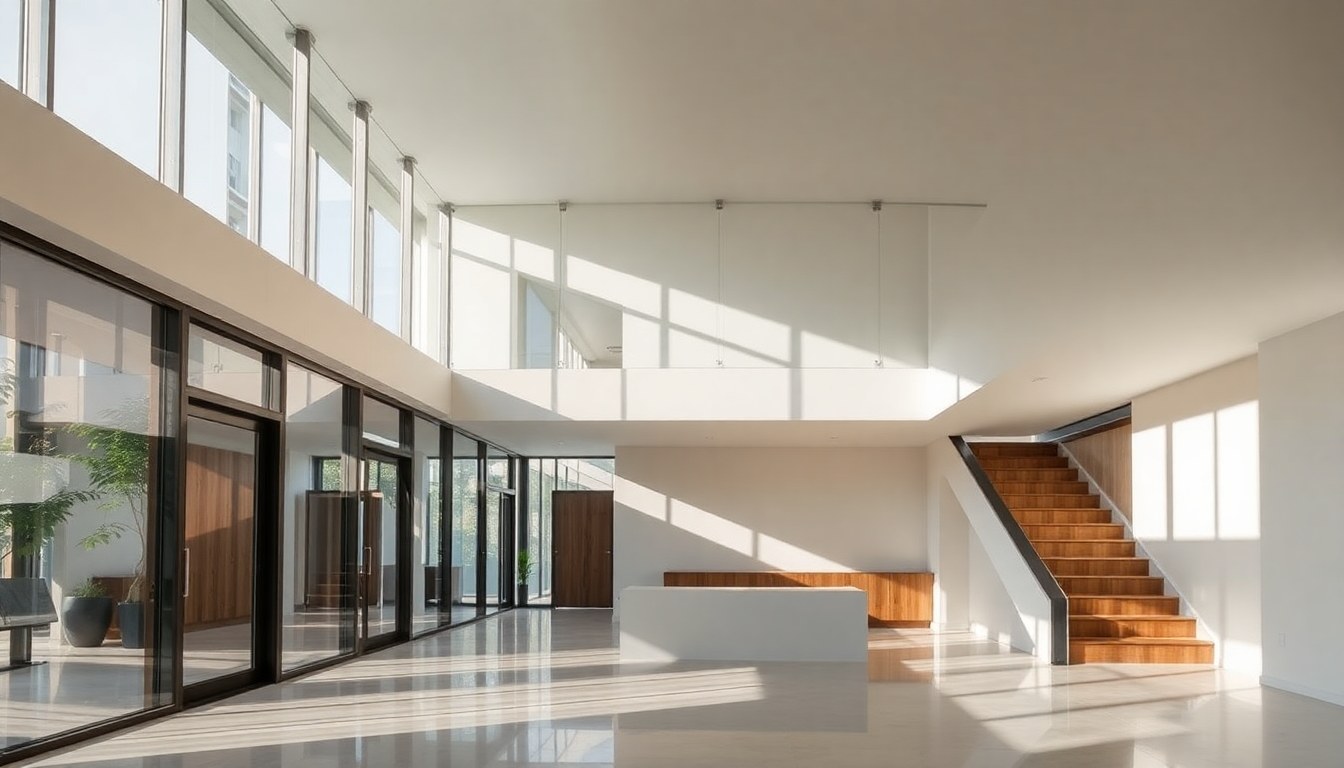
Bangalore's tropical climate brings scorching summers with temperatures regularly exceeding 35°C, combined with high humidity that makes air conditioning a year-round necessity. Low-emissivity (Low-E) coated glass has become the standard specification for architects and builders across the city because it dramatically reduces solar heat gain while maintaining transparency and natural daylighting. This guide explains the science behind Low-E coatings, their performance benefits in Bangalore's specific climate, and the measurable energy savings that justify their premium cost.
What Is Low-Emissivity Coating and How Does It Work?
Low-emissivity coating is a microscopically thin layer of metallic oxide—typically silver, tin oxide, or aluminum—applied to one surface of glass during manufacturing. This coating is so thin (often just 100-200 nanometers) that it remains invisible to the naked eye, yet it fundamentally alters how the glass interacts with thermal radiation.
The coating works by reflecting long-wave infrared radiation (heat) back into the room while allowing short-wave solar radiation (visible light) to pass through. Think of it as a one-way mirror for heat: sunlight enters freely, but thermal energy trying to escape is bounced back inside. This is why Low-E glass is sometimes called "selective transmission" glass—it selectively transmits light while blocking heat.
Soft-Coat vs. Hard-Coat Low-E Glass
There are two main types of Low-E coating, each suited to different applications. Soft-coat (pyrolytic) Low-E is applied during the float glass manufacturing process and is fused to the glass surface at extremely high temperatures, making it extremely durable but also more expensive. Hard-coat (sputtered) Low-E is applied after manufacturing through a vacuum sputtering process and is more affordable, though slightly less efficient and more prone to damage during handling and installation.
For Bangalore's climate, soft-coat Low-E in insulated glass units (IGUs) is the preferred choice for permanent installations in commercial and high-end residential projects, while hard-coat Low-E on single panes works well for retrofits and budget-conscious applications. Modern architectural specifications almost always call for soft-coat Low-E in double-glazed units because the performance difference justifies the cost over a building's 25-50 year lifespan.
Heat Rejection and Solar Control in Bangalore's Summer
Bangalore receives an average of 2,500-2,700 hours of sunshine annually, with peak solar intensity during March through May when outdoor temperatures can exceed 37°C. Without Low-E coating, ordinary clear glass allows approximately 86% of solar radiation to enter a building, converting that energy into indoor heat and forcing air conditioning systems to work harder.
Low-E coated glass reduces solar heat gain by 40-60%, depending on the specific product and coating configuration. This is measured as the Solar Heat Gain Coefficient (SHGC), which ranges from 0.23 to 0.40 for high-performance Low-E products—compared to 0.86 for uncoated clear glass. For a 100 square meter office with south-facing or west-facing glazing, this reduction translates to approximately 15-25 kW less heat load during peak afternoon hours, which is substantial in a tropical climate.
UV Protection and Interior Fading
Beyond thermal control, Low-E coatings block 99% of ultraviolet (UV) radiation. Bangalore's intense UV index (often 10-12 during summer months) causes rapid fading of fabrics, artwork, and flooring. By blocking UV, Low-E glass protects interior furnishings and extends their lifespan, adding another layer of value that isn't always quantified in energy calculations but is appreciated by building occupants and facility managers.
Energy Cost Savings: Real Numbers for Bangalore Buildings
The energy savings from Low-E glass are most dramatic in air-conditioned commercial and residential buildings. A typical office building in Bangalore with 40% glazing ratio (common in modern architecture) can reduce cooling energy consumption by 20-30% by switching from ordinary clear glass to Low-E coated IGUs. For a 10,000 square meter office building operating air conditioning 10-12 hours daily during summer, this translates to annual electricity savings of ₹8-15 lakhs, depending on local tariff rates and building orientation.
The payback period for the additional cost of Low-E glass typically ranges from 4-7 years in Bangalore's climate, after which the savings are pure operational benefit. Many architects and developers now specify Low-E glass as standard because the lifecycle cost analysis clearly favors it, even before considering the non-energy benefits like improved occupant comfort, reduced glare, and UV protection.
Winter Performance and Year-Round Benefits
While Bangalore's winters are mild (temperatures rarely drop below 15°C), Low-E glass still provides benefits during cooler months by reducing heat loss at night and early morning. The thermal insulation value (U-value) of a Low-E coated IGU is approximately 1.4-1.8 W/m²K, compared to 2.7-3.0 W/m²K for ordinary clear glass IGUs. This means indoor comfort is maintained more consistently throughout the day, reducing the temperature swings that can occur with ordinary glass.
Specification Considerations for Architects and Builders
When specifying Low-E glass for Bangalore projects, architects must consider several factors to optimize performance and cost-effectiveness. The orientation of glazing is critical: south-facing and west-facing windows benefit most from aggressive Low-E coatings with lower SHGC values (0.23-0.30), while north-facing windows can tolerate higher SHGC values (0.35-0.40) to allow more passive solar gain during winter mornings.
The choice between single-pane Low-E and insulated glass units (IGUs) depends on project type and budget. Commercial buildings and high-end residences almost always use Low-E IGUs (typically 6mm + 12mm air gap + 6mm, with Low-E coating on the inner surface of the outer pane). Budget residential projects may use single-pane Low-E glass with secondary benefits like reduced glare and UV protection, though thermal insulation is compromised.
Framing and Installation Quality
The performance of Low-E glass is only as good as its installation. Poor framing, thermal bridges in aluminum frames, and improper sealing can negate 30-40% of the thermal benefits. Architects working with firms like AALISHAN GROUP OF CONSTRUCTION should ensure that specifications include thermally broken aluminum frames or non-conductive framing materials, proper gasket sealing, and quality control during installation to verify that coatings are not damaged and that air gaps in IGUs are properly sealed.
Maintenance and Long-Term Durability
Low-E coatings are extremely durable when properly installed. Soft-coat Low-E fused to glass during manufacturing can last 25-50+ years without degradation. Hard-coat Low-E is slightly less durable but still performs well for 15-25 years. The coating itself does not require special maintenance—routine glass cleaning with standard glass cleaners is sufficient.
One important consideration: Low-E coatings can occasionally cause reflectivity issues if not properly oriented. The reflective side should always face outward (away from the building interior) in hot climates like Bangalore, so that reflected solar radiation goes back outside rather than into the building. Improper orientation is rare but can happen during installation, so quality control inspections are recommended.
Frequently Asked Questions
Does Low-E glass reduce natural light and daylighting in a room?
No. Low-E coatings are designed to transmit visible light (wavelengths 380-780 nanometers) while reflecting infrared radiation. A high-quality Low-E coated glass unit typically transmits 70-75% of visible light, compared to 88% for uncoated clear glass. While there is a slight reduction in brightness, it is barely noticeable to occupants and is far outweighed by the reduction in glare and heat gain. In fact, many people perceive Low-E glass as clearer because the reduced glare and heat creates a more comfortable visual environment.
Can Low-E coating be applied to existing windows, or does it only come as factory-applied on new glass?
Low-E coating is primarily applied during manufacturing (soft-coat) or in controlled factory environments (hard-coat). Retrofitting existing windows with Low-E coating in the field is not practical or cost-effective. For retrofit projects, the most economical approach is to replace existing windows with new Low-E IGUs, or to install secondary glazing with Low-E coating. Some specialized retrofit films with low-emissivity properties exist but are significantly less effective than factory-applied coatings.
Is Low-E glass more expensive, and is the extra cost justified in Bangalore?
Yes, Low-E glass costs 15-25% more than ordinary clear glass, depending on the type (soft-coat vs. hard-coat) and thickness. In Bangalore's hot climate, this extra cost is justified by energy savings alone. A typical commercial building recovers the additional glass cost within 4-7 years through reduced air conditioning consumption. Over a 30-year building lifespan, the total energy savings often exceed the initial glass cost by a factor of 3-5. Additionally, improved occupant comfort, reduced UV fading, and better thermal stability add non-quantifiable value.
What is the difference between Low-E glass and reflective glass or tinted glass?
Reflective and tinted glass reduce heat gain by blocking solar radiation (appearing dark from outside), but they also reduce visible light transmission and daylighting. Low-E glass is selective: it blocks infrared (heat) while maintaining high visible light transmission, so interiors remain bright and naturally lit. Reflective glass is often perceived as less aesthetically pleasing and can create glare issues. For Bangalore's climate, Low-E glass is superior because it provides thermal control without sacrificing daylighting or creating the "dark building" appearance of older reflective glass.
Can Low-E glass be combined with other glazing technologies like laminated or tempered glass?
Absolutely. Low-E coatings are often combined with laminated glass (for safety and sound insulation) and tempered glass (for safety and thermal stress resistance). In fact, most high-performance IGUs for commercial buildings use tempered Low-E glass panes bonded with laminated interlayers. This combination provides thermal control, safety, sound insulation, and UV protection in a single glazing system. Architects should specify these combinations based on project requirements—for example, a Bangalore high-rise office building might specify tempered Low-E laminated IGUs for safety, thermal performance, and security.
Conclusion: Making the Right Choice for Your Bangalore Building
Low-E coated glass has become the standard specification for modern buildings in Bangalore because it directly addresses the city's primary climate challenge: intense solar heat and UV radiation. Whether you're designing a commercial office, residential apartment, or institutional building, Low-E glass delivers measurable energy savings, improved occupant comfort, and long-term cost benefits that justify its premium price.
The key to successful Low-E glass specification is partnering with experienced architects and glazing specialists who understand Bangalore's specific climate and can optimize glass selection based on building orientation, occupancy patterns, and budget constraints. Find qualified glass suppliers, manufacturers, and installation professionals through glassy.in's directory of glass businesses, where you can connect with specialists experienced in thermal performance glazing for India's demanding climates.