
Glass Guides
Skylight Glass Maintenance: Preventing Leaks, Condensation & Algae Growth
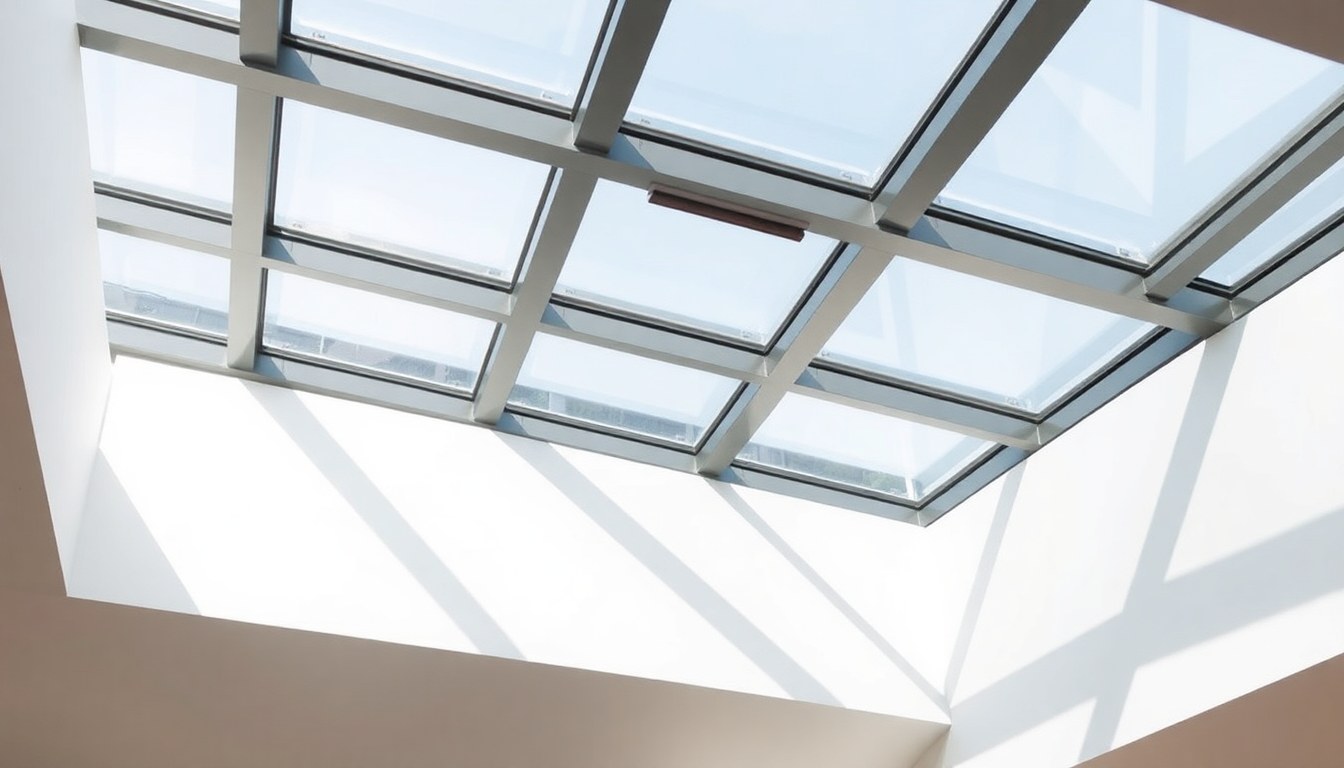
Skylights transform any room by flooding it with natural daylight, but they also sit at the intersection of your roof and interior environment—making them vulnerable to leaks, moisture problems, and biological growth. Without proper maintenance, a skylight that should last 20+ years can deteriorate within a decade, leading to costly water damage and compromised energy efficiency. This guide walks you through a practical, seasonal maintenance protocol that prevents the three most common skylight problems and keeps your overhead glass crystal clear year-round.
Understanding Your Skylight's Vulnerability
Skylights are exposed to weather from above and temperature fluctuations from below, creating a unique set of challenges. Rain, dust, fallen leaves, and bird droppings accumulate on the glass surface. Meanwhile, indoor humidity meets cold glass during winter, causing condensation. The combination of moisture, organic debris, and sunlight creates an ideal environment for algae and mold growth on the frame and surrounding sealant.
Most skylight failures occur not at the glass itself, but at the frame seals, flashing, and the junction where the skylight meets your roof structure. Understanding this helps you prioritize maintenance efforts. A well-maintained skylight can deliver consistent performance and natural light for two decades or more, while a neglected one may require replacement within 5–10 years.
Seasonal Cleaning Protocol
Spring Cleaning: Remove Winter Debris
As temperatures rise and snow melts, skylights accumulate winter debris—dried leaves, pine needles, bird droppings, and dust. Spring is the ideal time for thorough external and internal cleaning. Start from inside your home with a soft microfiber cloth and a glass cleaner designed for skylights (avoid harsh ammonia-based products that can damage sealant). Wipe gently in circular motions to remove dust and condensation residue.
For external cleaning, you'll need safe roof access. Use a soft-bristle brush to gently loosen debris, then rinse with a garden hose from top to bottom. Never use high-pressure washers, which can force water into seals and damage the frame. If algae or mold is visible as a greenish tint on the glass, mix a solution of one part white vinegar to three parts water and apply with a soft cloth. Let it sit for 10–15 minutes before rinsing thoroughly.
Summer Maintenance: Inspect Sealants and Flashing
Summer's dry weather is perfect for inspecting sealants and flashing without moisture interference. Look for cracks, gaps, or areas where the sealant has pulled away from the frame. Check the metal flashing around the skylight's perimeter—it should be firmly attached and free of rust or corrosion. If you notice any deterioration, mark it for repair before monsoon season arrives.
Summer is also when you should clean the interior glass thoroughly and check for any signs of water staining or discoloration that might indicate past or ongoing leaks. If you spot a water mark, trace it upward to find the source of the leak. Often, the problem originates not at the glass but at the flashing or frame.
Autumn Preparation: Clear Gutters and Debris
Before heavy rains and winter arrive, clear gutters and roof surfaces near your skylight. Leaves and debris can dam water flow, forcing it to pool around the skylight frame. Trim tree branches that overhang your roof to reduce leaf litter and allow better air circulation. Ensure your roof's drainage system directs water away from the skylight frame, not toward it.
Autumn is also the time to apply a fresh coat of weatherproofing sealant if your inspection revealed minor wear. Many homeowners schedule this work in October or November to have a protective barrier in place before winter moisture arrives.
Winter Monitoring: Watch for Condensation and Ice Dams
During winter, monitor your skylight daily for condensation buildup on the interior glass. Some condensation is normal, but excessive moisture dripping onto the frame or sill indicates a ventilation or thermal issue. Improve indoor air circulation by running exhaust fans in kitchens and bathrooms, and ensure your home's ventilation system is functioning properly.
Check for ice dams forming around the skylight's exterior edge. Ice dams trap water and force it under the flashing, causing interior leaks even when the skylight itself is sound. If ice buildup occurs, carefully remove it with a plastic scraper—never use metal tools that can damage the frame or glass. Consider installing heat tape along the frame's lower edge if ice dams are a recurring problem.
Preventing and Fixing Condensation
Root Causes of Skylight Condensation
Condensation forms when warm, humid indoor air meets cold glass. This is especially common in kitchens, bathrooms, and bedrooms during winter. The problem intensifies if your home lacks adequate ventilation or if the skylight lacks proper insulation. Modern skylights with double or triple-glazed glass and thermal breaks minimize condensation, but even these can experience moisture buildup in humid climates or poorly ventilated homes.
Practical Condensation Solutions
Start with ventilation improvements. Run exhaust fans during and for 20 minutes after showers or cooking. Open windows briefly on mild days to exchange humid indoor air with drier outdoor air. If your home has a central ventilation system, ensure it's properly balanced and not blocked. Some homeowners install a small dehumidifier near the skylight during winter months to reduce ambient humidity.
If condensation persists despite better ventilation, the issue may be the skylight's thermal performance. Older skylights with single-pane glass or poor insulation allow cold to penetrate, creating a cold surface that attracts condensation. In such cases, upgrading to a modern, energy-efficient skylight with low-emissivity (Low-E) coating and insulated frames is a worthwhile long-term investment. Many Indian homeowners also benefit from installing motorized blinds or cellular shades that provide thermal insulation and allow you to control light and heat gain.
Sealant and Flashing Inspection
Identifying Sealant Failure
Sealant is your skylight's primary defense against water infiltration. Inspect the sealant bead around the frame's perimeter at least twice yearly. Look for cracks, peeling, discoloration, or areas where it has shrunk away from the glass or frame. Sealant typically lasts 5–10 years before needing replacement, depending on climate and material quality. In India's diverse climates—from humid coastal regions to dry northern areas—degradation rates vary significantly.
If you notice minor cracks (less than 1/8 inch wide), you can apply a bead of high-quality silicone sealant over the damaged area. Clean the old sealant thoroughly with a sealant remover or rubbing alcohol, allow it to dry completely, then apply new sealant using a caulking gun. For larger cracks or widespread sealant failure, hire a professional to remove and replace the entire sealant bead—this is not a task for DIY unless you have experience with caulking.
Flashing and Frame Maintenance
The metal flashing that bridges your skylight frame and roof is critical. Inspect it for rust, gaps, or separation from the roof surface. Aluminum and galvanized steel flashing are common; both can corrode if the protective coating is damaged. If you spot surface rust, clean it with a wire brush and apply a rust-inhibiting primer and paint to prevent further deterioration.
Check that the flashing is properly sealed to the roof surface and that no gaps exist where water could seep underneath. If you find separation or gaps, apply a weather-resistant sealant or have a roofer reattach and reseal the flashing. This is not a cosmetic issue—improper flashing is the leading cause of skylight leaks in residential properties.
Algae and Mold Prevention
Why Algae Grows on Skylights
Green or brownish algae on skylight glass is not just an aesthetic problem—it reduces light transmission and indicates moisture retention that can damage the frame and sealant. Algae thrives in damp, shaded areas where moisture lingers. Skylights on the north side of a roof or in areas with poor air circulation are particularly vulnerable. In humid climates like Kerala, coastal Maharashtra, and parts of the Northeast, algae growth accelerates.
Cleaning and Prevention Strategies
For light algae growth, a vinegar solution (1:3 ratio of vinegar to water) applied with a soft cloth and gentle scrubbing works well. Rinse thoroughly with clean water. For stubborn growth, you can use a diluted bleach solution (1 part bleach to 10 parts water), but apply it carefully to avoid damaging sealant or frame materials. Always rinse completely and allow the skylight to dry fully.
To prevent algae from returning, improve air circulation around the skylight by trimming overhanging branches and ensuring gutters drain properly. Keep the glass clean and dry—algae cannot establish itself on surfaces that dry quickly. Consider applying a protective coating designed for glass that inhibits algae and mold growth; these are available from specialty glass suppliers and can extend the interval between cleanings.
Tools and Materials for Skylight Maintenance
Maintain a simple toolkit for regular skylight care. You'll need a soft microfiber cloth, a soft-bristle brush, a plastic scraper, a caulking gun, high-quality silicone sealant, glass cleaner suitable for skylights, white vinegar, and a garden hose. For external work, invest in a sturdy ladder or scaffolding and ensure you have safe roof access—never attempt external cleaning if you're uncomfortable working at heights.
For sealant replacement and major repairs, rent or purchase a sealant removal tool and a heat gun to soften old sealant. Quality matters: cheap sealants degrade faster and may not adhere properly. Choose products specifically rated for skylights and outdoor use. In India, brands like Pidilite, Fevicol, and imported products from manufacturers like Dow Corning are widely available through hardware stores and online retailers.
When to Call a Professional
While basic cleaning and minor sealant touch-ups are manageable for homeowners, certain situations require professional intervention. If you discover active leaks, extensive sealant failure, rust or corrosion on the frame, or damage to the glass itself, contact a qualified roofer or skylight specialist. Attempting complex repairs without proper training can worsen the problem and void your warranty.
If your skylight is over 15 years old and experiencing recurring condensation or frequent leaks despite maintenance, replacement may be more cost-effective than continued repairs. Modern skylights offer superior insulation, better ventilation options, and enhanced durability. Professional installation ensures proper flashing and integration with your roof, preventing future problems.
Frequently Asked Questions
How often should I clean my skylight glass?
Clean the interior glass monthly or as needed to remove dust and condensation residue. External cleaning depends on your environment—quarterly in dusty or tree-covered areas, biannually in cleaner locations. After storms or heavy winds, inspect for debris and clean if necessary. Regular cleaning prevents buildup that can trap moisture and encourage algae growth.
What causes skylight leaks, and how do I fix them?
Leaks typically originate from failed sealant, damaged flashing, or gaps where the skylight meets the roof—not from the glass itself. Inspect the sealant bead and flashing for cracks or separation. Minor sealant issues can be addressed by applying new sealant over damaged areas. For significant leaks or flashing damage, hire a professional roofer to ensure proper repair and prevent recurrence.
Can I prevent condensation on my skylight?
Yes, through ventilation and humidity control. Run exhaust fans in kitchens and bathrooms, open windows on mild days, and consider a dehumidifier if your home is naturally humid. Upgrading to a modern, insulated skylight with Low-E glass significantly reduces condensation. Ensure your home's ventilation system is balanced and functioning properly.
Is it safe to clean skylights myself, or should I hire a professional?
Interior cleaning is safe and easy for homeowners. External cleaning requires safe roof access and comfort working at heights. If you're unsure about roof safety or your skylight is difficult to access, hire a professional. The cost of professional cleaning (typically ₹2,000–₹5,000 in India) is modest compared to the risk of falls or accidental damage.
How long do skylights typically last?
A well-maintained skylight lasts 20–25 years or more. Neglected skylights may fail within 10 years due to sealant degradation, frame corrosion, or glass damage. Regular maintenance—seasonal cleaning, sealant inspection, and prompt repairs—is the most cost-effective way to maximize your skylight's lifespan and protect your home from water damage.
Proper skylight maintenance is an investment in your home's comfort, natural lighting, and structural integrity. For professional guidance on skylight selection, repair, or installation, explore India's trusted glass suppliers and specialists through the glassy.in directory—your comprehensive resource for all glass-related needs.