
Buying Guides
Tinted Glass Color Options: Heat Reduction & Aesthetic Choices
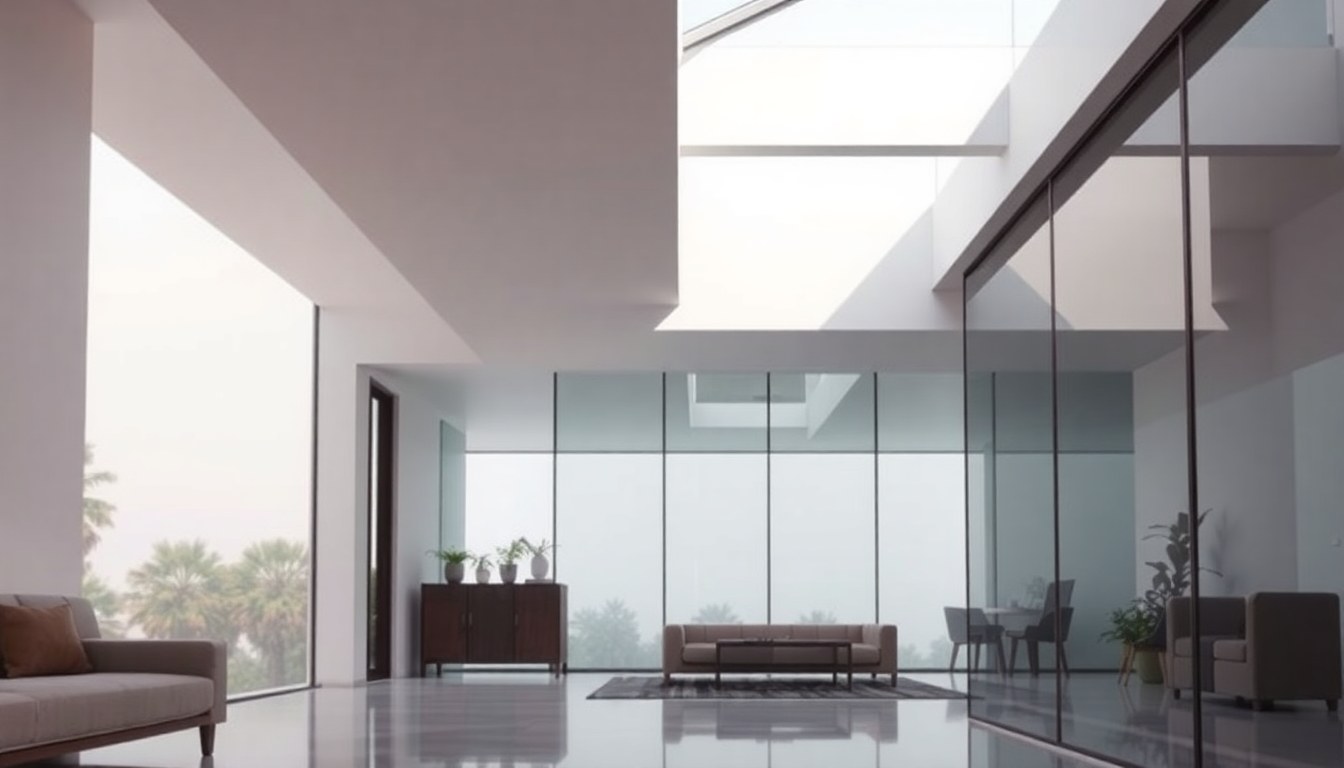
Tinted glass has become a standard choice for modern office buildings across India, offering a dual benefit of reducing solar heat gain while creating a distinctive architectural identity. Whether you're designing a corporate tower in Gurgaon or a tech park in Bangalore, selecting the right tint color directly impacts energy efficiency, occupant comfort, and curb appeal. This guide walks you through the most popular tinted glass options, their heat-reduction capabilities, UV-blocking performance, and how they influence the visual character of your building.
Understanding Tinted Glass and Its Benefits
Tinted glass is manufactured by adding metallic oxides during the float glass production process, creating a colored layer that absorbs and reflects solar radiation. Unlike clear glass, which allows up to 88% of solar energy to pass through, tinted variants can reduce solar heat transmission by 40–70%, depending on the tint type and thickness.
The primary advantages include lower air-conditioning costs, reduced glare for office workers, enhanced privacy, and improved UV protection for furnishings and skin. In India's hot climate, especially in cities like Bangalore and Gurgaon where summer temperatures soar above 40°C, tinted glass can reduce cooling loads by 15–25%, translating to significant operational savings over a building's lifetime.
Bronze Tinted Glass: The Popular Choice for Commercial Buildings
Bronze tint is the most widely specified color for office buildings across India. It imparts a warm, professional appearance while offering excellent heat rejection. Bronze glass typically reduces solar heat transmission by 45–55% and blocks 99% of UV rays, making it ideal for protecting interiors from fading.
Visually, bronze tint creates a subtle golden-brown hue that softens the building's exterior, giving it a mature, established look. This color works particularly well in mixed-use developments and corporate parks. The warmth of bronze also makes interior spaces feel less clinical than grey alternatives, which many occupants prefer during long working hours.
Bronze Glass Performance Metrics
- Solar Heat Gain Coefficient (SHGC): 0.40–0.50 (lower is better)
- Visible Light Transmission (VLT): 50–60% (maintains good daylighting)
- UV Rejection: 99%
- Typical thickness: 6mm to 12mm for commercial use
Grey Tinted Glass: Neutral Aesthetics with Strong Heat Control
Grey tint offers a neutral, contemporary aesthetic that appeals to minimalist architectural styles. It provides slightly superior heat rejection compared to bronze, reducing solar heat transmission by 50–65%, while maintaining a sleek, professional appearance. Grey glass is especially popular in tech hubs and modern office complexes where a clean, understated look is preferred.
The neutral tone of grey glass complements both warm and cool interior color schemes, making it a versatile choice for mixed-tenant buildings. However, some users report that grey tint can reduce visible light transmission more noticeably, potentially requiring additional artificial lighting in interior spaces during overcast days.
Grey Glass Performance Metrics
- Solar Heat Gain Coefficient (SHGC): 0.35–0.45
- Visible Light Transmission (VLT): 40–50%
- UV Rejection: 99%
- Best for: High-rise buildings, data centers, tech parks
Green and Blue Tinted Glass: Specialty Options for Distinctive Design
Green and blue tints are less common in commercial buildings but are gaining traction in hospitality, retail, and premium residential projects. Green tint creates a natural, calming appearance and performs similarly to bronze in terms of heat rejection (45–55% reduction), while blue tint delivers a modern, striking look with comparable thermal performance.
These colors are best used as accent elements or in specific sections of a building rather than as the primary facade material. They work well in mixed-glass designs where different facade orientations receive varying levels of solar exposure. Green glass, in particular, resonates with sustainability-focused projects and can enhance a building's LEED or IGBC certification prospects.
Green and Blue Glass Characteristics
- Green tint SHGC: 0.40–0.50; VLT: 50–65%
- Blue tint SHGC: 0.35–0.50; VLT: 45–60%
- UV Rejection: 99% for both
- Design flexibility: Ideal for curved facades, atrium walls, and accent panels
Heat Reduction Performance Across Tint Colors
Heat reduction is measured using the Solar Heat Gain Coefficient (SHGC), a value between 0 and 1 where lower numbers indicate better heat rejection. Tinted glass outperforms clear glass (SHGC ~0.86) by a substantial margin, and performance improves when tinted glass is combined with low-emissivity (Low-E) coatings.
In practice, a 12mm bronze-tinted glass with a Low-E coating can achieve an SHGC of 0.30–0.35, delivering superior thermal control compared to standard tinted options. For Gurgaon and Bangalore office buildings, combining tinted glass with reflective coatings or double-glazing units further enhances energy efficiency and reduces peak cooling loads during summer months.
When selecting tinted glass, consider the building's orientation. South-facing facades benefit most from darker tints and Low-E coatings, while north-facing walls can use lighter tints to maximize daylighting without excessive heat gain.
UV Protection and Interior Preservation
All tinted glasses block 99% of UV radiation, protecting furniture, artwork, and flooring from sun-induced fading and degradation. This is a critical consideration for office buildings with valuable interiors and for retail spaces displaying merchandise. UV protection also reduces skin damage risk for occupants exposed to direct sunlight throughout the workday.
The consistency of UV blocking across tint colors means your choice can be driven primarily by aesthetic and thermal preferences rather than UV concerns. However, if UV protection is a secondary priority, combining tinted glass with UV-blocking films or window treatments provides an extra layer of defense.
Choosing the Right Tint for Your Building Location
The optimal tint color depends on your building's climate, orientation, occupancy patterns, and architectural vision. In hot, dry climates like Gurgaon, darker tints (bronze or grey) with Low-E coatings are recommended to maximize cooling efficiency. In coastal or humid regions like Bangalore, lighter tints may be preferred to maintain daylighting while still managing heat.
For buildings with high occupancy during daylight hours, prioritize tints with higher visible light transmission (VLT) to reduce reliance on artificial lighting and improve occupant wellbeing. Conversely, data centers and server rooms benefit from darker tints and lower VLT values to minimize heat load and glare on equipment.
If you're working with an architect or interior designer, consult professionals like BIM Modeller Consulting Services who can model thermal performance across different tint options. For sourcing and installation, trusted dealers such as CITY GLASS PALACE AND ALUMINIUM FABRICATION can provide samples and technical guidance tailored to your project requirements.
Cost Considerations and Return on Investment
Tinted glass costs 10–30% more than clear glass, depending on the tint type, thickness, and coating specifications. However, the energy savings typically offset this premium within 3–5 years through reduced air-conditioning expenses. A 50,000 sq. meter office building in Bangalore can save ₹15–25 lakhs annually by switching from clear to high-performance tinted glass.
Additional cost factors include Low-E coating application (₹50–100 per sq. meter), double-glazing units for enhanced insulation, and custom tint shades for branding purposes. While initial capital expenditure is higher, the long-term operational savings and improved occupant comfort justify the investment for most commercial projects.
Installation and Maintenance Best Practices
Tinted glass requires the same careful handling and installation as standard glazing. Ensure that your glazing contractor follows Indian Standards (IS 2553 for float glass) and uses proper sealants and gaskets to prevent water ingress and thermal stress. Improper installation can lead to seal failure and reduced thermal performance over time.
Maintenance is straightforward: regular cleaning with mild detergent and soft cloths preserves clarity and appearance. Tinted glass does not require special treatments and maintains its color and performance indefinitely. However, avoid abrasive cleaners that may scratch the surface, particularly if Low-E coatings are applied.
Work with experienced installers and fabricators who have a proven track record in commercial glazing projects. Baby Associates and similar established dealers can connect you with certified installation teams and provide warranties on materials and workmanship.
Frequently Asked Questions
Which tinted glass color offers the best heat reduction?
Grey tint generally provides the strongest heat rejection, with SHGC values as low as 0.35–0.40. However, combining any tint color with Low-E coatings significantly improves performance. The best choice depends on your building's orientation and daylighting requirements; darker tints sacrifice some visible light transmission for superior thermal control.
Does tinted glass block UV rays effectively?
Yes, all standard tinted glasses block 99% of UV radiation, protecting interiors from fading and occupants from UV exposure. Bronze, grey, green, and blue tints all offer equivalent UV protection, so UV blocking should not be a differentiating factor in your color selection.
Can I use different tint colors on different sides of my building?
Absolutely. Many modern buildings use darker tints on south and west-facing facades (where solar exposure is highest) and lighter tints on north-facing walls to maximize daylighting. This mixed-tint approach optimizes both energy efficiency and visual interest while reducing overall cooling loads.
How much money can I save by installing tinted glass?
Energy savings vary by location, building size, and cooling system efficiency. In hot climates like Gurgaon and Bangalore, tinted glass can reduce cooling costs by 15–25%. For a typical 50,000 sq. meter office building, annual savings range from ₹15–25 lakhs, with payback periods of 3–5 years depending on electricity tariffs.
Is tinted glass suitable for all building types?
Tinted glass works well for offices, retail, hospitality, and residential buildings. However, healthcare facilities, laboratories, and specialized industrial spaces may require clear or lightly tinted glass for color accuracy and task visibility. Consult with your project architect or a specialist like feza Institute to determine the best glazing solution for your specific use case.
Conclusion: Making Your Tinted Glass Selection
Tinted glass is a practical and aesthetically appealing investment for any commercial building in India. Bronze and grey remain the most popular choices, offering excellent heat rejection and professional appearance, while green and blue tints provide distinctive design alternatives for specialty applications. The key is matching your tint color to your building's climate, orientation, and occupancy patterns while maintaining adequate daylighting and occupant comfort.
Ready to explore tinted glass options for your project? Browse our directory of glass suppliers, fabricators, and installers at glassy.in—India's largest glass-business directory. Connect with verified dealers and contractors who can provide samples, technical specifications, and competitive quotes tailored to your building's requirements.