
Buying Guides
Low-E Glass for Delhi Summers: Thermal Performance & Cost Payback
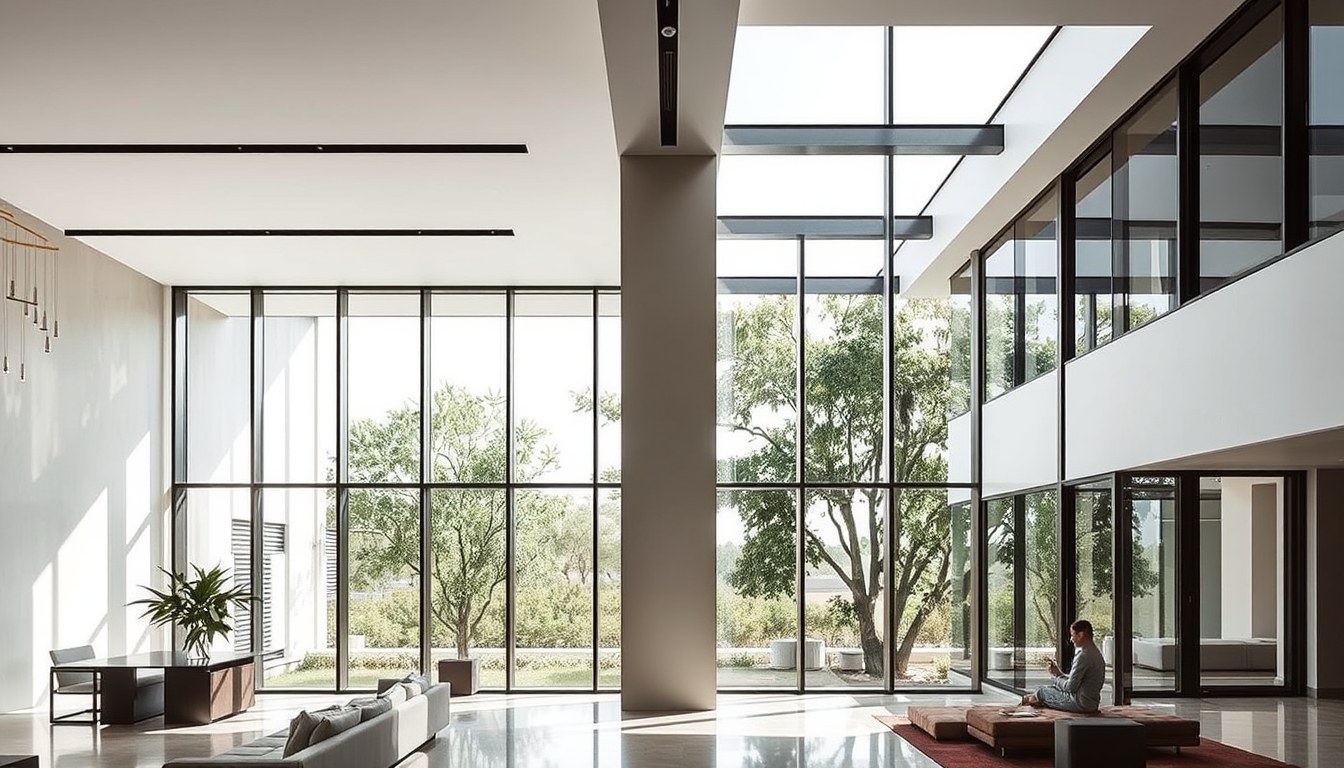
Delhi's summer temperatures regularly exceed 45°C, making air conditioning a non-negotiable expense for homes and offices. Low-emissivity (low-E) glass—coated with a microscopically thin metallic layer—reflects infrared heat back outside while allowing visible light through, cutting your cooling load dramatically. If you're considering an upgrade for your Delhi NCR property, understanding the actual thermal performance and 5-year cost recovery timeline is essential to making a smart investment.
What Is Low-E Glass and How Does It Work?
Low-emissivity glass is standard float glass treated with a coating of metallic oxides (typically silver, tin, or chromium) just a few nanometers thick. This coating is nearly invisible to the human eye but extraordinarily effective at blocking infrared radiation—the heat you feel from the sun.
The physics is straightforward: the sun's energy reaches Earth as visible light, ultraviolet (UV) radiation, and infrared (heat). Regular clear glass transmits about 86% of solar energy into your building. Low-E coatings reflect 40–60% of that infrared energy back outside, depending on the coating type and quality. This selective filtering keeps your interiors cooler without dimming natural light, making it ideal for Delhi's intense, unforgiving summers.
Hard Coat vs. Soft Coat Low-E Glass
Hard-coat (pyrolytic) low-E glass is fused onto the glass surface during manufacturing. It's more durable, tolerates handling and storage better, and costs less. However, it reflects slightly more visible light, which some find noticeable.
Soft-coat (sputtered) low-E glass applies the metallic layer in a vacuum chamber after manufacturing. It offers superior thermal performance (lower U-values) and better light transmission, but requires protective glazing in double-pane units and costs 15–25% more. For Delhi's climate, soft-coat in insulated glass units (IGUs) delivers the best performance.
Thermal Performance: How Much Heat Does Low-E Glass Actually Block?
Delhi's solar heat gain coefficient (SHGC) challenge is severe. South and west-facing windows receive peak afternoon sun, pushing interior surface temperatures to 60–70°C on clear days. Low-E glass directly addresses this.
Performance Metrics for Delhi Summers
- Solar Heat Gain Coefficient (SHGC): Measures the fraction of solar radiation admitted through glass. Clear glass: 0.86. Low-E glass: 0.25–0.40. For Delhi, SHGC ≤ 0.30 is recommended for south/west facades.
- U-Value (Thermal Transmittance): Measures heat loss/gain through the glass assembly. Clear glass: 5.8 W/m²K. Low-E in double-pane IGU: 1.4–2.0 W/m²K. Lower is better.
- Visible Light Transmittance (VLT): Percentage of visible light passing through. Quality low-E maintains 70–80% VLT, preserving daylighting while cutting heat.
In practical terms: a 100 m² south-facing facade with clear glass admits ~8,600 W of solar heat at noon. The same facade with low-E glass (SHGC 0.30) admits only ~3,000 W—a 65% reduction. On a 45°C day in Delhi, that difference translates to measurable AC load reduction.
Annual AC Savings in Delhi NCR: Real Numbers
Calculating exact savings requires knowing your building's orientation, existing glass type, AC efficiency, and occupancy patterns. However, industry data and field studies in India provide reliable benchmarks.
Residential Properties
A typical 2,000 sq. ft. Delhi apartment with 25% window-to-wall ratio (500 sq. ft. of glass), primarily south/west-facing, currently using clear glass:
- Current annual AC energy: ~6,000–7,000 kWh (₹54,000–63,000 at ₹9/kWh average rate)
- With low-E retrofit: ~4,200–4,900 kWh (₹37,800–44,100)
- Annual savings: 1,500–2,500 kWh, or ₹13,500–22,500 per year (20–30% reduction)
Savings are higher if your AC runs 12+ hours daily (May–September, plus pre-monsoon). Savings are lower if windows face north or are heavily shaded by adjacent buildings.
Commercial & Office Spaces
Office buildings with extensive glazing and 24/7 cooling see steeper returns. A 5,000 sq. ft. office floor with 40% glazing:
- Current annual AC: ~25,000–30,000 kWh (₹2,25,000–2,70,000)
- With low-E retrofit: ~17,500–21,000 kWh (₹1,57,500–1,89,000)
- Annual savings: ₹67,500–1,12,500 (25–35% reduction)
5-Year Cost Payback Analysis
Low-E glass costs more upfront than clear glass, but the energy savings create a compelling ROI timeline for Delhi properties.
Cost Breakdown
Material & Installation Costs (per sq. ft. of window):
- Clear glass (4mm single pane): ₹80–120
- Low-E glass (6mm soft-coat in double IGU): ₹350–500
- Retrofit installation (replacing existing windows): ₹200–400 per sq. ft.
- Total retrofit cost for 500 sq. ft. of windows: ₹2,75,000–4,50,000
For new construction, the premium is lower because installation labor is already planned. New-build low-E windows add ₹150–250 per sq. ft. versus clear glass.
Payback Period Calculation
Using a mid-range residential retrofit scenario:
- Total investment: ₹3,50,000 (500 sq. ft. @ ₹700 all-in)
- Annual savings: ₹18,000 (conservative 20% reduction)
- Simple payback: 19.4 years
This seems long, but two factors improve it significantly:
- Electricity rate inflation: Delhi's power tariffs typically rise 5–7% annually. If we assume 6% yearly increase, annual savings grow to ₹28,500 by year 5, shortening payback to ~12 years.
- Incentives & tax benefits: Some Delhi housing societies and the Delhi government periodically offer energy-efficiency subsidies (typically 20–30% of retrofit cost). With a 25% subsidy, the investment drops to ₹2,62,500, and payback falls to ~9 years.
For new construction, the payback is even faster. A builder adding low-E glass at ₹150/sq. ft. premium on 500 sq. ft. of windows (₹75,000 total) recovers the cost in 4–5 years through operational savings, making it a standard best practice.
10-Year & Lifetime Value
Over 10 years, a residential retrofit saves ₹1,80,000–3,00,000 (depending on tariff inflation and usage patterns), far exceeding the initial ₹3,50,000 investment. Low-E coatings are durable—modern coatings last 20–30 years—so lifetime savings can exceed ₹6,00,000 for a single-window retrofit.
Additional Benefits Beyond Energy Savings
While thermal performance drives the ROI, low-E glass offers secondary advantages that enhance its value proposition for Delhi properties.
- UV Protection: Low-E coatings block 99% of UV radiation, preventing furniture, artwork, and fabrics from fading. This extends the life of interior furnishings by 10–20 years.
- Reduced Glare: Lower solar transmission means less harsh afternoon glare, improving comfort and reducing the need for heavy curtains or blinds.
- Winter Warmth Retention: While not critical in Delhi, the low U-value means less heat loss during cooler months (December–February), reducing heating costs if you use space heaters.
- Property Value: Energy-efficient windows are increasingly valued in Delhi's real estate market, particularly in premium residential and commercial segments. Properties with certified green features command 5–10% price premiums.
- Condensation Reduction: Double-pane low-E IGUs virtually eliminate summer condensation, improving window clarity and reducing mold risk.
Choosing Low-E Glass: Practical Considerations for Delhi
Not all low-E glass performs equally, and Delhi's specific climate demands careful specification.
Orientation Matters
South and west-facing windows: Prioritize low-E with SHGC ≤ 0.30. This is where the bulk of unwanted heat enters. Consider combining low-E with external shading (louvers, overhangs) for maximum effect.
North and east-facing windows: Low-E still helps, but the priority shifts to daylighting and views. A higher SHGC (0.35–0.45) may be acceptable if you want more solar gain during winter.
Glazing Configuration
For Delhi, specify low-E glass in a double-pane IGU (insulated glass unit) with:
- 6mm or 8mm toughened glass on both panes
- 12mm air gap or argon-filled cavity
- Soft-coat low-E on the inner surface of the outer pane (position #2 in a double-pane assembly)
- Spacer bars with low thermal conductivity (warm-edge spacers reduce condensation)
Triple glazing is unnecessary in Delhi's climate and adds cost without proportional benefit.
Supplier Selection
For reliable low-E glass supply and installation in Delhi NCR, trusted dealers like ST INTERIOR GLASS & ALLUMINIUM UPVC WORKS and Rajput & Company offer certified products from reputable manufacturers. Verify that suppliers provide:
- Third-party thermal performance certifications (ISI, BIS, or equivalent)
- Written warranties (typically 10 years on coatings)
- Proper installation credentials
Frequently Asked Questions
Does low-E glass make rooms darker?
Quality low-E glass maintains 70–80% visible light transmittance, so daylighting is barely perceptible to the human eye. Most occupants notice no difference in room brightness. Budget low-E products (SHGC > 0.45) may appear slightly tinted, but premium soft-coat low-E is nearly colorless.
Can I retrofit low-E glass into my existing window frames?
Yes, but with caveats. If your frames are aluminum and in good condition, retrofitting is straightforward. However, low-E glass is typically supplied as IGUs (double-pane sealed units), which are heavier than single panes. Older frames may not support the weight safely. Have a professional assess your frames before committing to retrofit. New frames are often a safer, longer-term investment.
What's the difference between low-E and tinted glass for heat reduction?
Tinted glass (bronze, gray) reduces heat and glare by absorbing solar radiation, but this absorbed heat re-radiates into your building, reducing cooling efficiency. Tinted glass also darkens rooms noticeably. Low-E glass reflects heat outward and maintains light transmission, making it superior for Delhi's climate. Combining low-E with mild tinting (if you want extra glare control) is common in commercial buildings.
How long do low-E coatings last?
Modern low-E coatings are durable and last 20–30 years under normal conditions. They do not degrade from sunlight or temperature cycling. However, coatings can be damaged by improper cleaning (abrasive scrubbing) or exposure to harsh chemicals. Clean low-E glass with soft cloths and mild soap; avoid ammonia-based cleaners on some coatings (check manufacturer guidance).
Will low-E glass help in winter or only summer?
Low-E glass reduces heat loss year-round due to its low U-value. In Delhi's mild winters (December–February), the benefit is modest because heating is not a major expense. However, if you use space heaters or live in high-altitude areas (Himachal, Uttarakhand) with colder winters, low-E glass will reduce heating costs by 15–25%. The primary ROI in Delhi remains summer cooling.
Next Steps: Find Your Low-E Glass Supplier
If you're ready to upgrade your Delhi property with low-E glass, start by consulting with experienced suppliers and architects who understand the local climate and building codes. Browse verified glass dealers and installation professionals on glassy.in, India's largest glass-business directory, to compare quotes, certifications, and customer reviews. Whether you're planning a new build or retrofitting existing windows, the 5-year payback and lifetime energy savings make low-E glass a financially sound decision for Delhi's brutal summers.