
Buying Guides
Laminated Glass for Skylights: Safety, Sound Dampening & Light Control
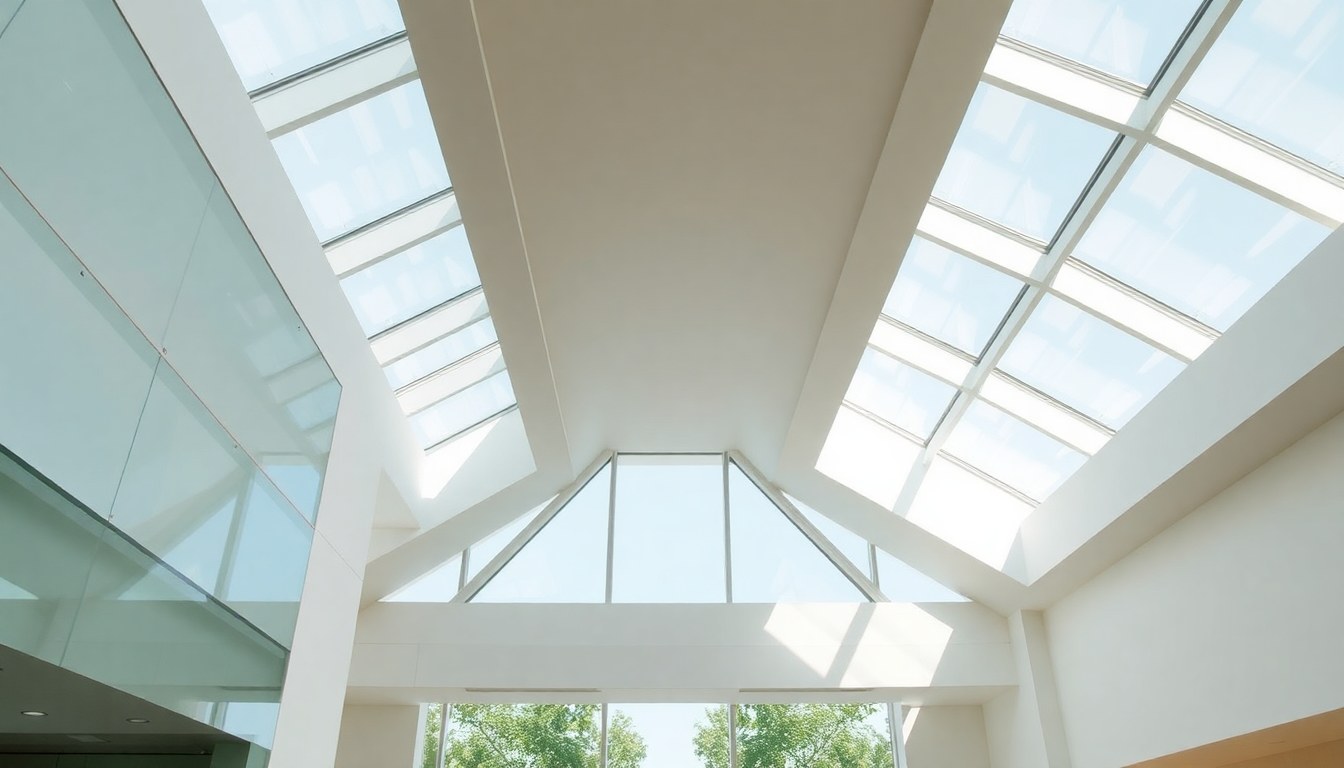
Skylights flood interiors with natural light, but standard glass carries risks—from safety hazards to unwanted noise and excessive UV exposure. Laminated glass transforms skylights into intelligent architectural elements that protect occupants, reduce sound transmission, and filter harmful radiation while maintaining stunning views. This buyer's guide walks you through everything you need to know about laminated skylight glass, from material specifications to installation requirements.
What Is Laminated Glass and Why It Matters for Skylights
Laminated glass consists of two or more glass panes bonded together with an interlayer—typically polyvinyl butyral (PVB), ethylene-vinyl acetate (EVA), or polyurethane (PU). When impact occurs, the interlayer holds the glass together, preventing dangerous shards from falling. This is especially critical for skylights, where falling glass poses serious injury risks to occupants below.
Unlike tempered glass, which shatters into small granules upon breakage, laminated glass cracks but remains intact. This property makes it ideal for overhead installations where structural integrity and safety are non-negotiable. The interlayer also provides acoustic benefits and UV protection, making laminated glass a multi-functional choice for residential and commercial skylights.
Key Differences: Laminated vs. Tempered Glass for Skylights
Tempered glass is stronger and more affordable, but it shatters completely upon impact—dangerous overhead. Laminated glass costs more but holds together, offers better sound dampening, and provides superior UV filtering. For skylights, laminated glass is the safer, more versatile option despite higher initial investment.
Understanding PVB and Other Interlayer Materials
The interlayer is the heart of laminated glass performance. PVB (polyvinyl butyral) remains the most common choice for skylights because it balances cost, durability, and performance across multiple criteria.
Polyvinyl Butyral (PVB) Interlayers
PVB interlayers typically range from 0.38 mm to 1.52 mm thick. Thicker PVB provides better sound dampening and impact resistance but reduces light transmission slightly. Standard 0.76 mm PVB offers a practical balance for most residential and commercial skylight applications. PVB is also UV-resistant and maintains clarity over decades, making it ideal for long-term skylight installations.
EVA and Polyurethane Alternatives
Ethylene-vinyl acetate (EVA) interlayers offer higher optical clarity and are often used in premium applications where light transmission is critical. Polyurethane (PU) interlayers provide superior acoustic performance and structural rigidity, making them suitable for high-traffic commercial spaces or noisy urban environments. These alternatives cost 15–30% more than PVB but deliver specialized performance benefits.
Acoustic Performance and Sound Dampening Benefits
One of laminated glass's standout advantages is noise reduction. A standard single-pane skylight transmits most ambient sound—rain, traffic, aircraft, neighborhood noise. Laminated glass dramatically reduces this intrusion.
How Laminated Glass Reduces Noise
The interlayer absorbs sound vibrations rather than transmitting them like rigid glass does. A single laminated unit with 0.76 mm PVB reduces noise by approximately 3–5 dB. Thicker interlayers (1.52 mm) improve performance to 5–8 dB reduction. For context, a 3 dB reduction is perceived as roughly 50% quieter by the human ear.
Combining laminated glass with double or triple glazing amplifies acoustic benefits. A double-glazed unit with laminated panes on both sides can reduce external noise by 30–40%, making skylights viable even in noisy urban locations. This is particularly valuable for bedrooms, home offices, and meditation spaces where silence matters.
Sound Dampening in Commercial Applications
Commercial properties benefit significantly from laminated skylight glass. Office buildings, hospitals, educational institutions, and hospitality venues all experience improved acoustic environments. Architects and designers like those at Scale Architects increasingly specify laminated glass to meet modern building standards and tenant expectations for quiet, comfortable interiors.
UV Filtering and Light Control Features
Unfiltered skylight transmits 100% of the sun's ultraviolet (UV) radiation, causing furniture fading, skin damage, and excessive heat gain. Laminated glass addresses these concerns through inherent and additive UV protection.
Inherent UV Blocking
Standard PVB interlayers block approximately 99% of UV-B rays naturally. This protection is built-in and does not degrade over time, unlike coatings that can wear away. This alone makes laminated glass superior to uncoated or standard tempered glass for skylight applications.
Enhanced UV and Solar Control Options
Manufacturers offer laminated glass with specialized coatings and interlayers that provide additional benefits:
- Low-E (Low-Emissivity) Coatings: Reflect infrared heat while transmitting visible light, reducing cooling costs by 10–20% in hot climates.
- Tinted Interlayers: Reduce glare and heat gain while maintaining views. Bronze, gray, and blue tints are common choices.
- Photochromic Interlayers: Darken automatically in bright sunlight and clear in low light—ideal for variable-light applications.
- Reflective Coatings: Minimize solar heat gain in tropical and subtropical regions like India's southern states.
Light Transmission and Glare Management
Clear laminated glass transmits 85–90% of visible light, maintaining bright interiors. Tinted or coated options reduce transmission to 50–75%, controlling glare and heat. Choose based on climate, orientation, and interior light requirements. A south-facing skylight in Mumbai may benefit from tinted laminated glass, while a north-facing skylight in Delhi can use clear laminated glass without excessive heat.
Structural Requirements and Roof Installation Considerations
Laminated skylight glass is heavier than standard glass, and proper structural support is essential. Installation errors compromise safety and void warranties, so professional assessment is mandatory.
Weight and Load Calculations
Laminated glass weighs approximately 2.5 kg per square meter per millimeter of thickness. A 10 mm laminated unit (two 5 mm panes with interlayer) weighs about 25 kg/m². Larger skylights can exceed 100 kg, requiring reinforced framing and roof structure capable of supporting this load plus wind and snow loads relevant to your region.
Indian building codes, particularly those following the National Building Code (NBC), specify minimum structural requirements. Consult with structural engineers and architects like SAN Design Square or Studio ARCPLUS CONSTRUCTION to ensure your roof can handle the skylight's weight and environmental stresses.
Framing and Sealing Standards
Laminated skylight glass requires:
- Aluminum or steel frames designed for glass weight and thermal expansion.
- High-quality sealants (silicone or polyurethane) that prevent water infiltration and accommodate seasonal movement.
- Proper flashing to integrate the skylight with roofing materials and prevent leaks.
- Thermal breaks in frames to reduce heat transfer and condensation.
Wind and Snow Load Specifications
India's diverse climate demands region-specific considerations. Coastal areas (Kerala, Tamil Nadu, Maharashtra) experience high wind loads; mountainous regions (Himachal Pradesh, Uttarakhand) face snow loads. Laminated glass skylights must meet these loads without deflection or failure. Manufacturers provide load tables; verify that your chosen skylight system meets local building codes and environmental standards for your location.
Selecting and Sourcing Laminated Skylight Glass in India
Quality laminated glass is available from specialized suppliers across India. When sourcing, prioritize manufacturers with certifications, warranties, and proven track records in skylight applications.
What to Look for in Suppliers
Reputable suppliers like Sri Lakshmi Glass Plywood And Hardware offer:
- ISO 9001 or equivalent quality certifications.
- Detailed technical specifications and performance data sheets.
- Customization options (size, tint, coating, interlayer thickness).
- Installation support and on-site consultation.
- Warranties covering manufacturing defects (typically 10–15 years for residential, longer for commercial).
Cost Considerations and Pricing
Laminated skylight glass costs ₹2,500–₹5,500 per square meter for standard clear units with 0.76 mm PVB, depending on size and thickness. Tinted or coated options range from ₹3,500–₹7,500/m². Installation adds ₹1,500–₹3,000/m² depending on roof complexity and location. Budget accordingly and obtain multiple quotes before committing.
Installation Best Practices and Professional Guidance
DIY skylight installation is not recommended. Improper installation voids warranties, creates safety hazards, and leads to leaks. Hire certified installers experienced with laminated glass skylights in your region.
Architects and designers such as Madras Terrace Architects and TATTVA, The House Of Designs often coordinate skylight specifications with installers to ensure seamless integration. Pre-installation inspections, proper flashing details, and post-installation testing for water tightness are standard practices that prevent costly repairs later.
Frequently Asked Questions
Is laminated glass safe for skylights?
Yes, laminated glass is the safest choice for skylights. The interlayer holds glass together upon impact, preventing dangerous shards from falling. This is why building codes increasingly require laminated glass for overhead glazing in residential and commercial buildings. Standard tempered glass shatters completely, posing serious injury risks.
How much noise reduction does laminated glass provide?
A standard laminated skylight with 0.76 mm PVB reduces noise by 3–5 dB. Thicker interlayers improve this to 5–8 dB. Double-glazed units with laminated panes on both sides can achieve 30–40% noise reduction, making them suitable for noisy urban environments and noise-sensitive spaces like bedrooms and offices.
Does laminated glass reduce UV rays?
Yes, laminated glass blocks approximately 99% of UV-B rays inherently through the PVB interlayer. This protection prevents furniture fading, skin damage, and excessive heat gain without additional coatings. Many manufacturers offer enhanced UV and solar control options with specialized interlayers and coatings for further protection.
What thickness of laminated glass is recommended for skylights?
For most residential skylights, 10 mm laminated glass (two 5 mm panes with interlayer) is standard. Commercial or larger installations may require 12 mm or thicker units depending on span, load, and local building codes. Consult structural engineers and manufacturers for specific recommendations based on your roof design and climate.
How long do laminated skylights last?
Quality laminated skylights last 20–30 years or more with proper maintenance. The glass itself is permanent, but seals and frames may need attention after 15–20 years. Warranties typically cover manufacturing defects for 10–15 years (residential) and longer for commercial installations. Regular inspections and timely maintenance extend lifespan significantly.
Ready to upgrade your skylights with laminated glass? Explore certified suppliers, architects, and installation specialists on glassy.in, India's largest glass-business directory. Find trusted professionals in your city and compare options to make an informed decision for your home or commercial project.