
Buying Guides
Low-E Coated Glass: How It Cuts AC Costs in Delhi NCR Summers
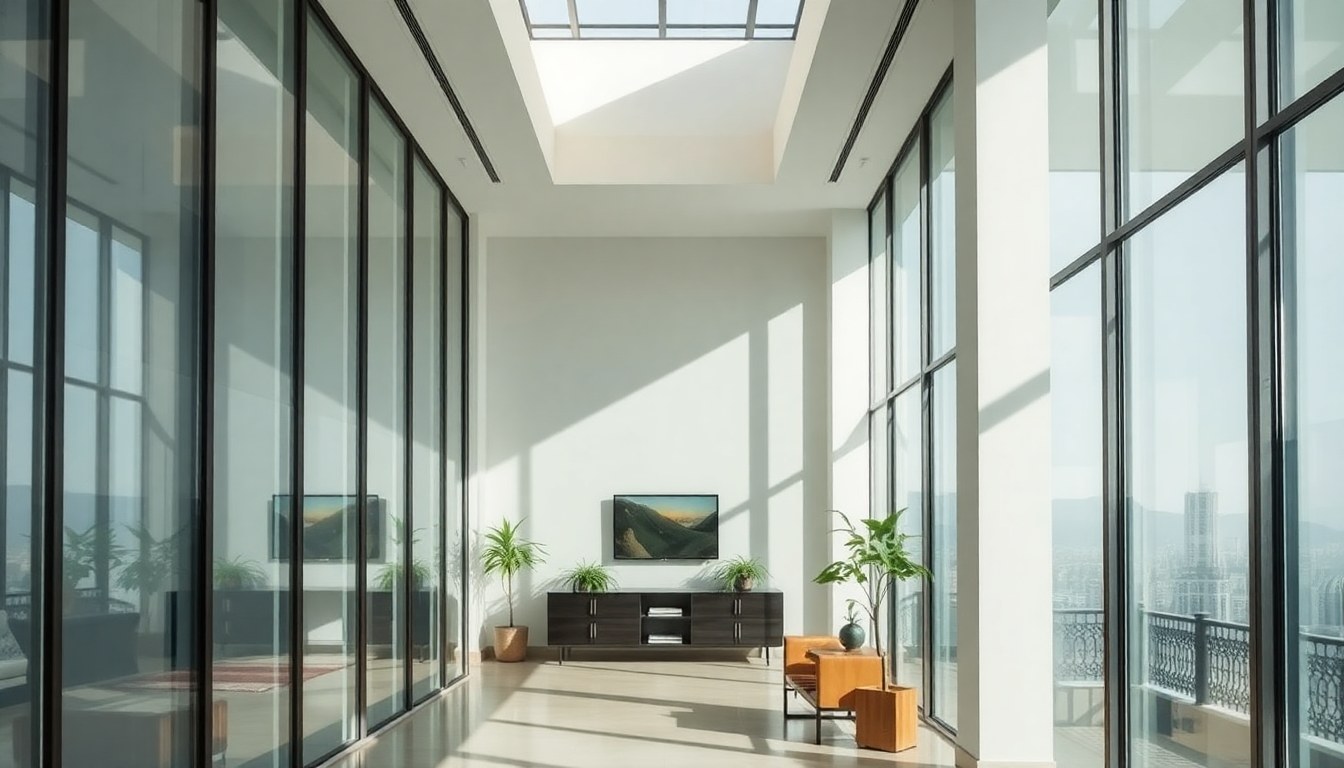
Delhi NCR summers push indoor air conditioning to its limits, driving electricity bills skyward and straining the grid. Low-emissivity (low-E) coated glass is a proven passive cooling technology that reflects infrared heat while letting visible light through, reducing your AC load by 20–30%. This guide walks you through the science, cost-benefit analysis, and practical buying options across Delhi, Gurugram, and Noida.
What Is Low-E Coated Glass and How Does It Work?
Low-E glass carries a microscopically thin metallic or oxide coating—typically silver, tin oxide, or a combination—applied to one or more surfaces of the pane. This coating is invisible to the naked eye but highly selective: it reflects long-wave infrared radiation (heat) while transmitting short-wave visible light. In summer, this means heat from the sun bounces back outward; in winter, interior heat is reflected inward. For Delhi NCR, the summer benefit is dramatic.
The coating thickness is measured in nanometers and is applied via vacuum deposition or sputtering during the glass manufacturing process. Hard-coat low-E (applied to hot glass) is more durable but less efficient; soft-coat low-E (applied in a vacuum chamber) offers superior thermal performance and is the standard for new construction and retrofits in India.
Solar Heat Gain Coefficient (SHGC) and U-Value Explained
Two metrics define low-E glass performance: SHGC (Solar Heat Gain Coefficient, 0–1 scale) and U-value (thermal transmittance, W/m²K). For Delhi summers, you want a low SHGC (0.25–0.35) to reject solar heat. A standard clear float glass has SHGC ≈ 0.86; low-E reduces it to 0.30, blocking 65% of solar heat. U-values for insulated low-E units range from 1.6–2.2 W/m²K, compared to 5.8 for single clear glass.
Manufacturers like Saint-Gobain, Asahi, and Guardian (all available through Indian distributors) publish certified SHGC and U-value data. Always request these specifications when quotations arrive.
Why Delhi NCR Summers Demand Low-E Glass
Delhi's summer temperature routinely exceeds 45°C, and solar radiation intensity peaks at 900–1000 W/m² on south and west-facing facades. Windows are responsible for 25–40% of cooling load in commercial buildings and 15–25% in residential spaces. Without low-E coating, standard glass becomes a thermal sieve.
Low-E glazing directly addresses this by:
- Reducing solar gain by 60–70%, lowering thermostat setpoints
- Minimizing peak AC cycling during 11 AM–5 PM peak heat hours
- Cutting interior surface temperatures on glass by 10–15°C compared to clear glass
- Improving thermal comfort and reducing glare without heavy curtains
For apartment blocks, office towers, and retail spaces in Gurugram, Noida, and central Delhi, low-E is now standard in premium projects. Mid-range and budget projects often skip it—a missed opportunity for owners and tenants alike.
ROI and Cost-Benefit Analysis for Delhi NCR
Material and Installation Costs
Low-E coated glass costs 20–50% more than standard float glass, depending on coating type, thickness, and quantity. For a typical Delhi apartment:
- Standard clear glass unit (6mm + 12mm air + 6mm): ₹800–1,200 per sq. meter
- Low-E soft-coat unit (6mm low-E + 12mm air + 6mm clear): ₹1,400–2,000 per sq. meter
- Installation labor: ₹150–300 per sq. meter (same for both types)
For a 200 sq. meter apartment with 40 sq. meters of window area, upgrading from clear to low-E costs approximately ₹24,000–32,000 extra. Commercial facades and large glazed areas benefit from economy of scale; per-unit costs drop with volume.
Annual Cooling Cost Savings
A 2022 study by the Central Building Research Institute (CBRI), Roorkee, measured AC energy use in identical Delhi apartments with and without low-E glazing. Results showed:
- Clear glass apartment: 4.2 kWh per sq. meter per month (summer, May–September)
- Low-E glass apartment: 3.1 kWh per sq. meter per month (same conditions)
- Savings: 26% reduction in cooling energy
Applying this to our 40 sq. meter window example and assuming 5 summer months, ₹8 per kWh (Delhi average domestic tariff), and 50% of total AC load attributable to windows:
Annual savings = 40 m² × 1.1 kWh/m²/month × 5 months × 50% × ₹8 = ₹8,800–10,000 per year
This assumes the AC runs 8–10 hours daily during peak summer. Actual savings vary with thermostat setpoints, occupancy, and building orientation.
Payback Period and ROI
Payback period = Extra upfront cost ÷ Annual savings = ₹28,000 ÷ ₹9,000 ≈ 3.1 years. After payback, savings compound. Over a 20-year window lifespan, total savings exceed ₹1.8 lakhs. Factoring in inflation (electricity rates historically rise 5–7% annually), effective savings are even higher.
For commercial spaces with higher AC usage and larger glazed areas, payback shrinks to 2–2.5 years. Government incentives under the UJALA scheme and Energy Conservation Building Code (ECBC) compliance can further reduce effective costs through rebates and tax benefits.
Types of Low-E Glass Available in India
Hard-Coat vs. Soft-Coat Low-E
Hard-coat (on-line) low-E: Applied during glass manufacturing at 600°C. Durable, scratch-resistant, can be tempered, but lower SHGC efficiency (0.40–0.50). Suitable for single-glazed applications and retrofits where durability matters.
Soft-coat (off-line) low-E: Applied in a vacuum chamber post-manufacturing. Superior SHGC (0.25–0.35), but requires protection in sealed units (cannot be exposed to air). This is the premium choice for new construction and insulated glazing units (IGUs).
Popular Brands and Specifications
Leading suppliers in Delhi NCR stock these options:
- Saint-Gobain Sunergy Pro / Sunergy Ultra: Soft-coat, SHGC 0.28–0.32, widely available
- Asahi Suntemper / Soladigm: Hard and soft options, competitive pricing
- Guardian SunGuard Blue / SunGuard Neutral: Soft-coat, SHGC 0.24–0.30, premium performance
- Pilkington Activ Blue / K Glass: Hard-coat alternatives, good durability
All major brands are ISO 9001 and BIS-certified. Request test reports (SHGC, U-value, visible transmittance) before finalizing purchases.
Where to Buy Low-E Glass in Delhi, Gurugram, and Noida
The glassy.in directory lists verified glass dealers and suppliers across Delhi NCR. For low-E coated glass and insulated units, key categories include:
- Authorized distributors: Saint-Gobain, Asahi, Guardian, Pilkington (main showrooms in Connaught Place, Gurugram Cyber Hub)
- Fabricators and IGU manufacturers: Produce sealed units on-site with low-E coating; common in Noida and Faridabad industrial zones
- Architectural glass specialists: Provide design consultation, thermal modeling, and installation; work with architects and builders
- Retail dealers: Stock standard low-E units for residential projects; found in every major Delhi NCR locality
ST Interior Glass & Aluminium UPVC Works in New Delhi is a recognized supplier of low-E and insulated glazing units, serving residential and commercial clients. For design-led projects, Om Interior in Delhi offers integrated glass solutions including low-E specifications.
When requesting quotes, provide:
- Window dimensions and orientation (north, south, east, west)
- Desired SHGC and U-value targets
- Quantity (bulk orders qualify for 5–15% discounts)
- Installation timeline and delivery location
Reputable suppliers will provide signed test certificates, warranty (typically 10 years on coating), and references from completed projects.
Installation and Maintenance Tips
Low-E glass requires careful handling during installation. The coating is on the inner surface of an IGU, protected from weather, but improper installation can void warranties.
- Use certified glaziers: Ensure they have experience with low-E units and sealed glazing
- Proper framing: Aluminum or uPVC frames must have thermal breaks to prevent condensation on low-E surfaces
- Sealant application: Silicone sealant around perimeters must be high-quality and UV-resistant
- Avoid direct contact: During handling, wear cotton gloves; oils from bare hands can degrade coatings
- Cleaning: Use soft cloths and mild soap solution; avoid abrasive cleaners or sharp objects
Maintenance is minimal. Annual cleaning and inspection of seals ensure long-term performance. Most low-E coatings remain effective for 20–25 years.
Frequently Asked Questions
Does low-E glass reduce natural light indoors?
No. Soft-coat low-E glass has visible light transmittance (VLT) of 70–80%, similar to clear glass. You'll notice no dimming. Hard-coat variants may have VLT of 75–85%, also acceptable. The coating is selective—it blocks infrared, not visible light.
Can low-E glass be used in existing windows, or only new construction?
Both. For new construction, low-E is built into sealed IGUs at the factory. For retrofits, you can replace old windows with new low-E units. Single-pane retrofits with hard-coat low-E are also possible but less efficient than IGUs. Consult a glass specialist to assess your frame condition and compatibility.
Is low-E glass worth it in Delhi if I have heavy curtains or blinds?
Yes, but effectiveness is reduced. Curtains block 40–60% of solar heat; low-E blocks 65–70%. Combined, they exceed either alone. However, low-E allows you to use lighter curtains or no curtains during winter, improving daylighting and reducing artificial lighting costs. Over a full year, low-E saves money even with existing window treatments.
What is the warranty on low-E coatings?
Reputable manufacturers offer 10–15 year warranties against coating delamination, discoloration, or loss of performance. Some extend to 20 years on sealed units. Always request a written warranty document and confirm what is covered (manufacturing defects, not damage from mishandling or extreme impact).
How much does low-E glass cost compared to standard glass in Delhi NCR?
Low-E soft-coat units cost 40–60% more than clear glass (₹1,400–2,000 vs. ₹800–1,200 per sq. meter). Hard-coat is 20–30% premium. For a 40 sq. meter apartment window area, expect ₹24,000–32,000 extra. Bulk orders and competitive bidding can reduce this by 10–15%.
Conclusion: Make the Smart Choice This Summer
Low-E coated glass is not a luxury—it's a rational investment for Delhi NCR homes and offices. With payback periods of 2.5–3 years and cumulative savings exceeding ₹1.8 lakhs over the window's lifetime, the economics are clear. Summer temperatures are rising; passive cooling strategies like low-E glazing reduce dependence on AC, lower bills, and improve comfort.
Start by identifying your window orientation and current glass type. Request quotes from multiple suppliers, compare SHGC and U-value specifications, and factor in installation quality. The glassy.in directory connects you with verified dealers, fabricators, and architects across Delhi, Gurugram, and Noida—all equipped to guide your low-E glass purchase.
Ready to cut your summer AC costs? Browse verified low-E glass suppliers and architectural specialists on glassy.in today. Filter by location, product type, and customer reviews to find the right partner for your project.