
Glass Railings
Tinted Glass for Balcony Railings: UV Protection & Privacy in Tropical Climates
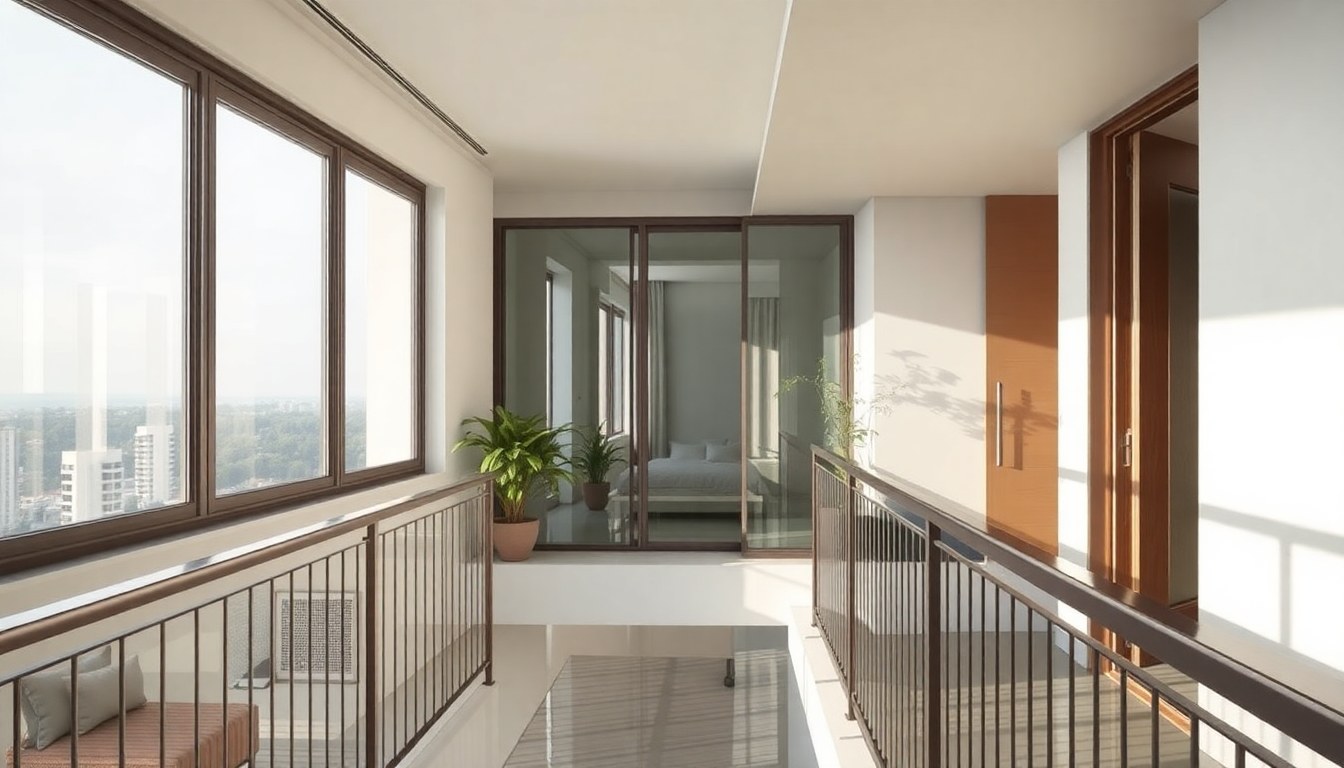
India's intense sun and urban living demands smart solutions for balcony spaces. Tinted glass railings combine aesthetic appeal with practical benefits—blocking harmful UV rays, reducing indoor heat, and enhancing privacy without sacrificing natural light. Whether you live in Mumbai, Bangalore, or Delhi, tinted glass is becoming the preferred choice for modern apartments seeking comfort and style.
Why Tinted Glass Works Best for Indian Balconies
Tropical and subtropical climates across India expose residents to UV radiation levels that can damage skin, fade furniture, and increase air-conditioning costs. Standard clear glass provides no UV protection, while tinted glass filters 50–99% of harmful rays depending on the tint density and type. This is particularly important for balconies that receive direct sunlight for 6–8 hours daily in cities like Chennai, Hyderabad, and Pune.
Beyond UV protection, tinted glass reduces the "greenhouse effect" on balconies and adjacent indoor spaces. Heat absorption through clear glass can increase room temperature by 5–10°C during peak summer, forcing air conditioners to work harder and consume more electricity. Tinted glass acts as a thermal barrier, lowering cooling costs by 15–25% according to energy efficiency studies in tropical regions. For residents in high-rise apartments, this translates to measurable savings on monthly electricity bills while maintaining a cooler, more comfortable living environment.
Types of Tinted Glass for Balcony Railings
Bronze and Amber Tint
Bronze and amber-tinted glass are among the most popular choices for Indian balconies. These warm tones reduce glare effectively while maintaining good visibility of the outside view. Bronze tint blocks approximately 50–65% of solar heat and provides a sophisticated, neutral aesthetic that complements most modern and traditional architectural styles. Amber variants are slightly lighter and work well in north-facing balconies where heat gain is less severe.
Grey and Smoke Tint
Grey-tinted glass offers neutral aesthetics and superior heat rejection (60–70% solar heat reduction). It provides excellent privacy without creating a cave-like effect inside the home. Smoke tint, a darker variant, blocks even more heat and UV rays but reduces visibility slightly. Many high-rise apartments in Bangalore and Pune opt for grey or smoke tint to maintain a sleek, contemporary appearance while maximizing thermal performance.
Green Tint
Green-tinted glass is less common but increasingly popular for eco-conscious homeowners. It absorbs a balanced spectrum of light, reducing heat while maintaining color neutrality for outdoor views. Green tint typically blocks 50–60% of solar heat and creates a calming, natural appearance. This option works particularly well in apartments with garden views or green surroundings.
Blue and Reflective Tint
Blue-tinted glass and reflective variants are premium options that provide superior heat rejection (70–80%) and strong privacy during daytime. Reflective glass can appear mirror-like from the outside, offering maximum privacy but reducing outward visibility. These options are ideal for south-facing or west-facing balconies in high-rise buildings where sun exposure is intense. However, reflective glass may have restrictions in some residential complexes due to aesthetic guidelines, so check with your building management before installation.
UV Protection and Heat Reduction Benefits
The primary advantage of tinted glass railings is blocking ultraviolet (UV) radiation. UV-A and UV-B rays penetrate clear glass and can cause skin damage, eye strain, and premature aging with prolonged exposure. Tinted glass reduces UV transmission to 1–3%, protecting residents, guests, and indoor furnishings from long-term sun damage. Furniture, carpets, and artwork fade significantly less when protected by tinted glass, extending their lifespan by years.
Heat reduction is equally important in Indian climates. Tinted glass absorbs solar radiation and prevents it from entering living spaces, reducing the cooling load on air-conditioning systems. Studies in Indian metropolitan areas show that tinted glass balcony railings can lower peak indoor temperatures by 3–7°C during summer months. This passive cooling method is energy-efficient and environmentally friendly, reducing carbon footprint while lowering utility bills. For apartments with south or west-facing balconies, the savings can be substantial—sometimes 20–30% reduction in cooling costs during summer months.
Additionally, tinted glass reduces glare, which improves visual comfort during work-from-home scenarios. Many Indian professionals now spend extended hours on balconies or near windows, and glare-reducing tint minimizes eye strain and headaches caused by bright sunlight.
Privacy Levels: Finding the Right Balance
Privacy is a critical concern for urban apartment dwellers. Tinted glass provides varying levels of privacy depending on tint density and type. Light tints (bronze, amber) offer daytime privacy from casual observation while maintaining clear outward visibility. Medium tints (grey, green) provide stronger privacy and reduce visibility from outside, especially during daytime. Dark or reflective tints offer maximum privacy, appearing opaque from the outside while allowing residents to see out clearly during the day.
However, privacy performance reverses at night when interior lights are on. Darker interior spaces combined with exterior darkness allow outsiders to see in more easily. To maintain privacy in all lighting conditions, many residents combine tinted glass with lightweight curtains or roller shades that can be deployed as needed. This dual-layer approach provides flexibility without compromising the aesthetic appeal of tinted glass railings.
For high-rise apartments, tint density should be chosen carefully. Buildings in central business districts like Mumbai's Bandra-Worli or Bangalore's Koramangala may have specific aesthetic guidelines. Lighter tints are often preferred in such locations to maintain a cohesive building appearance while still providing meaningful UV and heat protection.
Installation Considerations for High-Rise Apartments
Structural and Safety Requirements
Balcony railings in India must comply with building codes and safety standards. Indian Standard IS 1641:2016 specifies minimum requirements for balcony railings, including height (typically 1.1–1.2 meters), load capacity, and spacing. When installing tinted glass railings, ensure the glass thickness meets safety standards—typically 10mm toughened glass for balconies. Toughened (tempered) glass is mandatory because it shatters into small, harmless granules rather than sharp shards if broken, protecting residents from injury.
Professional Installation
Installing tinted glass railings requires specialized expertise. Professional glass installers ensure proper sealing, alignment, and structural integrity. In high-rise apartments, installation must account for wind loads, thermal expansion, and building movement. Hiring certified installers from recognized glass companies in your city (Mumbai, Delhi, Bangalore, Hyderabad, etc.) is essential. Poor installation can lead to water leakage, structural issues, and safety hazards. Budget ₹3,000–₹8,000 per linear meter for quality tinted glass railing installation, depending on glass type, thickness, and framing materials.
Maintenance and Durability
Tinted glass railings require minimal maintenance. Regular cleaning with mild soap and water keeps the glass clear and maintains its appearance. Avoid abrasive cleaners that can scratch the surface. High-quality tinted glass is UV-stable and resistant to fading, with a lifespan of 20–30 years. Aluminum or stainless steel frames supporting the glass may require occasional lubrication of hinges and locks, but the glass itself is durable and low-maintenance.
Cost Considerations and ROI
The cost of tinted glass balcony railings varies based on glass type, thickness, tint density, and installation complexity. In India, prices typically range as follows:
- Light tints (bronze, amber): ₹2,500–₹4,500 per square meter
- Medium tints (grey, green): ₹3,000–₹5,500 per square meter
- Dark or reflective tints: ₹4,000–₹7,000 per square meter
- Installation charges: ₹3,000–₹8,000 per linear meter (labor and framing)
While initial investment is higher than clear glass, the return on investment comes through energy savings, reduced furniture fading, and improved comfort. In tropical Indian climates, energy savings alone can recover installation costs within 3–5 years. Additionally, tinted glass railings enhance property value and appeal to potential buyers or renters, making them a worthwhile investment for homeowners.
Choosing the Right Tint for Your Location
Selection depends on your balcony's orientation, local climate, and privacy needs. South and west-facing balconies in hot climates (Chennai, Hyderabad, Pune) benefit most from medium to dark tints with high heat rejection. North-facing balconies in cooler climates may use lighter tints to maximize natural light. In coastal cities like Mumbai and Kochi, consider salt-resistant coatings on aluminum frames alongside tinted glass for durability. Consult with local glass suppliers who understand regional climate patterns and building regulations in your city.
Frequently Asked Questions
Does tinted glass reduce visibility from inside the balcony?
Light to medium tints have minimal impact on outward visibility—you can still see the view clearly. Dark tints and reflective variants reduce outward visibility slightly, especially at night or in dim lighting. Most residents find the privacy trade-off worthwhile, but if maintaining a clear view is critical, opt for lighter bronze or amber tints.
Is tinted glass safe for balconies in high-rise apartments?
Yes, when installed correctly using toughened glass and professional installation. Toughened (tempered) glass meets Indian safety standards and shatters safely if broken. Ensure your installer follows IS 1641:2016 guidelines and uses appropriate glass thickness (typically 10mm) for balcony railings.
How much can tinted glass reduce electricity bills?
In tropical Indian climates, tinted glass can reduce cooling costs by 15–25% depending on balcony size, orientation, and existing insulation. South or west-facing balconies see the greatest savings. Actual savings depend on your air-conditioning usage and local electricity rates.
Can I install tinted glass railings on an existing balcony?
Yes, tinted glass railings can be retrofitted to existing balconies, though it requires removing the old railing system and installing new framing. Consult with your building management to ensure compliance with building regulations and aesthetic guidelines before proceeding.
What maintenance do tinted glass railings require?
Minimal maintenance is needed. Clean regularly with mild soap and water using soft cloths. Avoid abrasive cleaners and harsh chemicals. Check aluminum frames occasionally for debris and lubricate hinges if present. Quality tinted glass lasts 20–30 years with proper care.
Ready to upgrade your balcony with tinted glass railings? Explore verified glass suppliers and installers in your city through glassy.in, India's largest glass-business directory. Find local experts who understand tropical climate requirements and building safety standards for your region.