
Glass Railings
Glass Railing Safety Standards in India: What Homeowners Need to Know
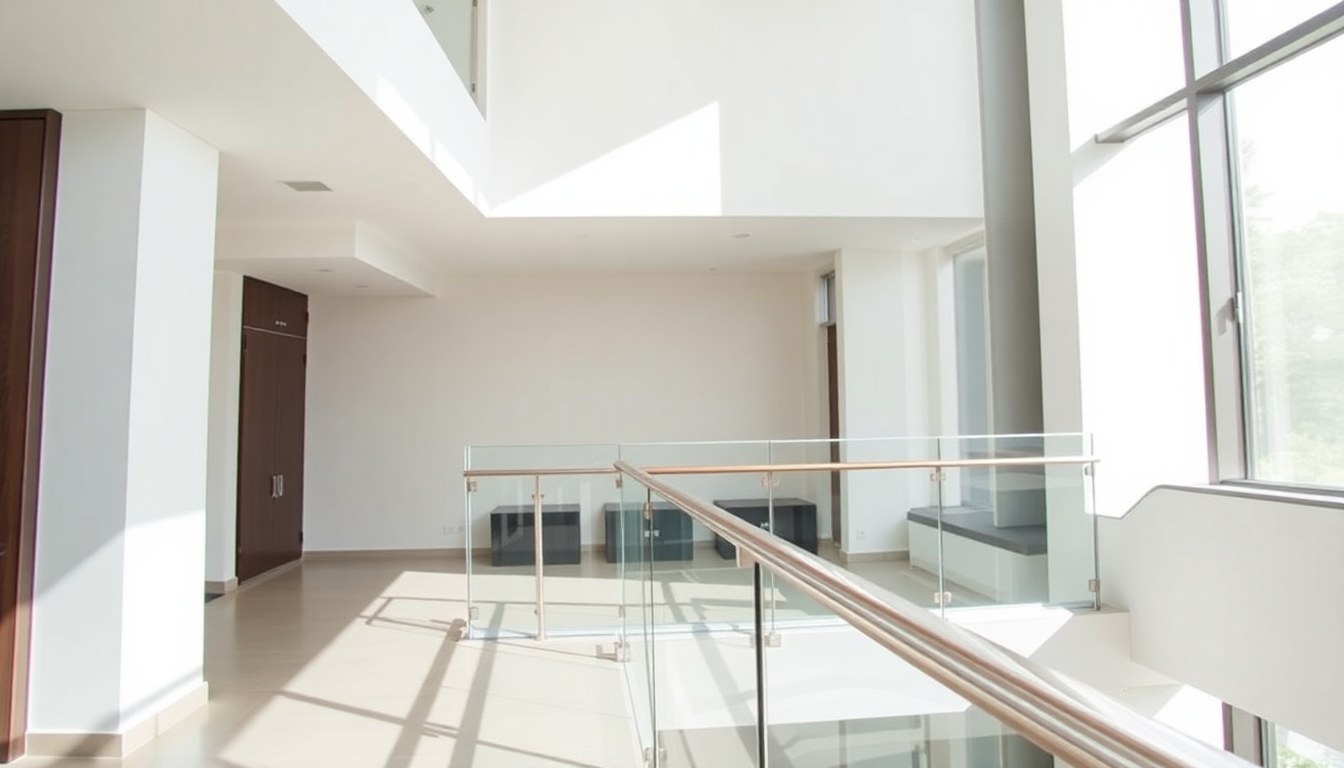
Glass railings have become a hallmark of contemporary home design across India, offering unobstructed views and a sleek aesthetic. However, aesthetics must never compromise safety—and India's building codes take this seriously. Whether you're planning a balcony upgrade or installing staircase railings, understanding the mandatory safety standards, material specifications, and certification requirements will protect your family and ensure your installation passes municipal inspections.
Indian Building Codes and Glass Railing Standards
India's primary regulatory framework for glass railings is the National Building Code of India (NBC) 2016, published by the Bureau of Indian Standards (BIS). This code sets minimum safety requirements for all structural elements, including railings in residential and commercial buildings. The NBC mandates that railings must be designed to withstand specific loads and prevent accidental falls, particularly in households with children and elderly members.
Additionally, the Indian Standards (IS) 4099:2015 specifically addresses safety requirements for glass in buildings. This standard covers aspects like glass selection, installation methods, and performance criteria. State-level building bylaws often align with or exceed these national standards, so always verify requirements with your local municipal corporation or building authority before commencing work.
Key Regulatory Bodies
- Bureau of Indian Standards (BIS): Sets national safety and quality standards for glass and railing materials
- Local Municipal Corporation: Enforces building bylaws and issues occupancy certificates
- Indian Institute of Architects (IIA): Provides guidance on design compliance
Glass Thickness and Load-Bearing Requirements
One of the most critical safety parameters is glass thickness. The NBC specifies minimum thickness based on the railing's height, the type of glass used, and the anticipated load. For residential balconies and staircases, toughened (tempered) glass with a minimum thickness of 10mm to 12mm is the industry standard. This thickness ensures the glass can withstand accidental impacts and wind loads without shattering into dangerous shards.
Railings must be designed to resist a horizontal concentrated load of 1.2 kN (approximately 122 kg-force) applied at any point along the railing height, according to NBC guidelines. The glass panel itself must not deflect more than L/200 (where L is the span length) under this load. For balconies exposed to high wind zones (coastal areas or elevated locations), thicker glass or laminated options may be required.
Glass Type Specifications
- Toughened Glass: Most common choice; breaks into small, relatively harmless granules if shattered
- Laminated Glass: Two or more glass sheets bonded with polyvinyl butyral (PVB); holds together even if broken, providing additional safety
- Annealed Glass: Not recommended for railings due to risk of large, sharp shards upon breakage
When selecting glass, verify that the supplier holds BIS certification and that the glass is marked with the manufacturer's name, thickness, and safety rating. Mas Glass and Plywood is one example of a certified dealer who can guide you through compliant material selection.
Height and Balustrade Design Standards
The height of a railing directly impacts safety, especially in homes with young children. The NBC mandates a minimum railing height of 1.1 meters (1100mm) for balconies, terraces, and elevated walkways in residential buildings. This height is measured from the finished floor level to the top of the railing. For staircases, the requirement is the same—1.1 meters measured vertically from the stair nosing.
Beyond height, the design must prevent a sphere of 100mm diameter from passing through any opening in the balustrade. This "sphere rule" prevents children from getting their heads or bodies stuck between glass panels or between the glass and the frame. The spacing between the bottom of the railing and the floor should not exceed 100mm to prevent small children from crawling underneath.
Design Considerations for Safety
- Railing height: Minimum 1.1m from finished floor level
- No opening larger than 100mm diameter in any direction
- Bottom edge gap: Not more than 100mm from floor
- Handrail diameter: 30–50mm for comfortable grip
- Handrail height: 900–950mm from stair nosing (separate from glass panel)
Installation and Framing Requirements
Even the highest-quality tempered glass will fail if installed incorrectly. The frame—typically aluminum or stainless steel—must be structurally sound and properly anchored to the building structure. All fasteners, brackets, and connections must be corrosion-resistant, especially in coastal regions where salt spray accelerates deterioration.
The glass panel should be secured using rubber gaskets or silicone sealants to allow for thermal expansion and contraction. Rigid connections can cause stress concentration and premature failure. Professional installers will ensure that the frame is level, plumb, and securely fixed to the building's structural elements—typically the floor slab and the parapet wall.
If you're unsure about the structural adequacy of your balcony or staircase, consult a qualified architect or structural engineer. SRI ARCHITECTS can assess your space and recommend compliant designs before installation begins.
Installation Best Practices
- Use certified installers with experience in NBC-compliant work
- Ensure the supporting structure (floor, parapet, beam) is inspected and approved
- Apply rubber gaskets and silicone sealants for flexibility and weatherproofing
- Use stainless steel or aluminum frames rated for your climate zone
- Obtain a detailed installation drawing and compliance certificate from the installer
Certification and Compliance Documentation
When purchasing glass railings, always request a BIS certificate or equivalent third-party certification from the glass manufacturer. This certificate confirms that the glass meets Indian Standards for strength, safety, and quality. Similarly, the installation contractor should provide a Certificate of Compliance stating that the work adheres to the NBC and relevant Indian Standards.
Before accepting the installation, conduct a visual inspection for signs of proper installation: no visible cracks, secure fastening, smooth operation of any moving parts, and clean sealant lines. Many municipal corporations require a structural inspection and approval before issuing an occupancy certificate, so having proper documentation protects you legally and ensures your home meets regulatory requirements.
Keep all certificates, warranties, and installation records for future reference. If you ever need to renovate or repair the railing, these documents will help contractors understand the original specifications and ensure replacements maintain the same safety standards.
Regional Variations and Coastal Considerations
India's diverse climate zones demand region-specific considerations. Coastal areas (Mumbai, Chennai, Kochi, Goa) experience higher wind loads and salt spray, requiring thicker glass, superior frame materials, and more frequent maintenance. The Indian Standards for wind load design (IS 875:2015) specifies different wind pressure zones across India, and your railing design must account for your location's wind zone classification.
Seismic zones also affect railing design. In earthquake-prone regions (Himalayas, North India), railings must be designed to withstand lateral seismic forces. Always consult with a structural engineer if your property is in a high-risk zone, as standard designs may not be adequate.
For maintenance, coastal homeowners should schedule annual inspections to check for corrosion of fasteners and deterioration of sealants. Regular cleaning with mild soap and water—not harsh chemicals—will extend the life of both glass and frame.
Common Mistakes to Avoid
Many homeowners unknowingly compromise safety by cutting corners during installation. Using annealed (non-tempered) glass to save costs is a critical error; it shatters into large, razor-sharp pieces that can cause severe injuries. Undersizing the glass thickness to reduce material expense is equally dangerous and will likely fail inspection.
Another common mistake is improper frame installation. If the frame is not securely anchored or if thermal expansion is not accommodated, the glass can crack or separate from the frame over time. Hiring unqualified contractors to save on labor costs often results in costly rework and safety hazards.
Finally, neglecting regular maintenance—such as checking for loose fasteners or deteriorating sealants—can compromise the railing's integrity over years. Budget for annual inspections and maintenance to ensure long-term safety.
Frequently Asked Questions
What is the minimum glass thickness required for a residential balcony railing in India?
The minimum recommended thickness is 10mm toughened glass for most residential balconies. For larger spans (over 1.5m) or high wind zones, 12mm thickness is advisable. Always verify with your local building authority, as some municipal bylaws may specify thicker glass depending on the balcony size and exposure.
Is laminated glass safer than toughened glass for railings?
Both are safe when installed correctly, but they offer different advantages. Toughened glass is stronger and more impact-resistant, breaking into harmless granules. Laminated glass holds together when broken, preventing shards from falling. For railings, toughened glass is more common and cost-effective. Laminated glass is often preferred in high-traffic areas or where extra security is desired. Either option meets NBC standards when properly installed.
Do I need an architect's approval for glass railing installation?
While not always mandatory for minor renovations, obtaining an architect's review is highly recommended. An architect can verify that your proposed railing meets NBC requirements, that the supporting structure is adequate, and that the installation will pass municipal inspection. This is especially important for older buildings or if you're modifying the balcony structure.
How often should glass railings be inspected for safety?
Annual inspections are recommended, particularly in coastal areas or regions with extreme weather. Check for loose fasteners, cracks in the glass, deteriorating sealants, and corrosion of metal frames. Address any issues immediately to prevent safety hazards. In harsh climates, twice-yearly inspections may be necessary.
What should I do if my existing railing doesn't meet current NBC standards?
If your railing is older and doesn't comply with current standards, you have two options: retrofit the existing structure to meet modern requirements or replace it entirely. A qualified structural engineer or architect can assess your railing and recommend cost-effective upgrades. Replacement is often the safer and more durable choice in the long term.
Conclusion
Glass railings enhance the beauty and openness of your home, but safety must always come first. By understanding India's building codes, selecting certified materials, hiring qualified installers, and maintaining your railings properly, you can enjoy the aesthetic benefits without compromising on security. Whether you're installing a new railing or upgrading an existing one, reference the NBC 2016 and Indian Standards IS 4099:2015, consult with local building authorities, and invest in professional installation and certification.
Ready to upgrade your home with compliant glass railings? Explore certified glass dealers and architects on glassy.in, India's largest glass-business directory. Connect with verified suppliers, read reviews from other homeowners, and get expert guidance to ensure your project meets all safety standards and building codes.