
Glass Railings
Laminated Glass for Balcony Railings: Why Architects Prefer It Over Toughened
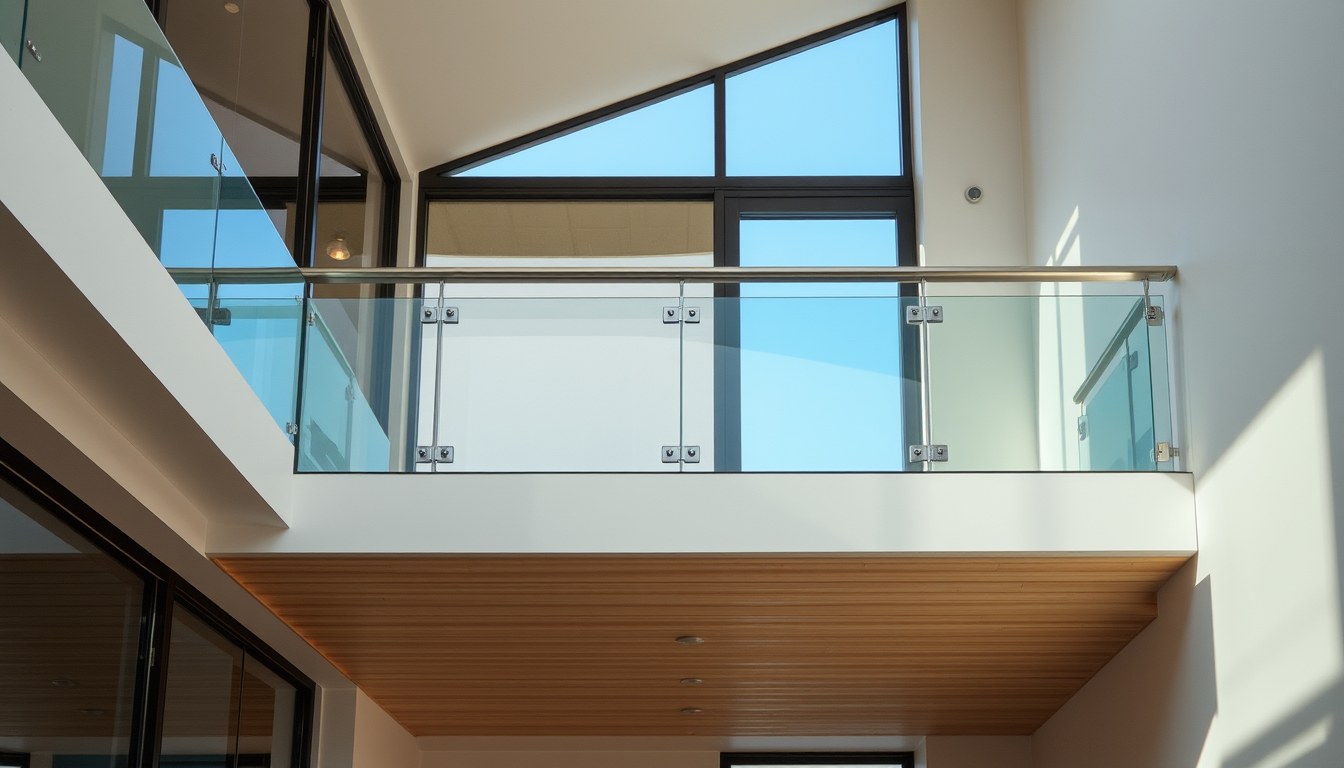
When designing high-rise residential or commercial buildings, architects face a critical decision about balcony railing materials. Laminated glass has emerged as the preferred choice over conventional toughened glass, primarily because its polyvinyl butyral (PVB) interlayer keeps glass fragments bonded together even after impact, dramatically reducing injury risk. Understanding the structural and safety advantages of laminated glass can help property owners and builders make informed decisions that protect occupants while meeting modern building codes.
Understanding Laminated Glass Construction
Laminated glass consists of two or more glass panes bonded together with a plastic interlayer, typically made of polyvinyl butyral (PVB). This interlayer is the key differentiator between laminated and toughened glass. During manufacturing, the glass sheets and PVB layer are heated and pressurized together, creating a permanent bond that holds the layers intact even under significant stress.
The PVB interlayer is transparent and typically ranges from 0.38mm to 1.52mm in thickness, depending on the desired safety rating and performance requirements. This seemingly thin layer provides remarkable adhesive strength, ensuring that if the glass breaks, the fragments remain attached to the plastic interlayer rather than scattering dangerously. For balcony railings in high-rise buildings, this characteristic is invaluable.
How PVB Interlayers Work
The PVB interlayer functions as a shock absorber and adhesive simultaneously. When impact occurs, the plastic layer distributes force across a wider area, reducing stress concentration at the point of impact. Additionally, the interlayer's flexibility allows it to deform slightly, absorbing energy that would otherwise cause immediate glass failure.
Even if both glass panes crack, the PVB keeps the fragments held together, maintaining the structural integrity of the railing. This prevents the catastrophic failure mode seen in toughened glass, where a single defect or impact can cause complete disintegration into small cubes.
Laminated Glass vs. Toughened Glass: Key Differences
Toughened glass (also called tempered glass) is treated through a thermal process that creates internal stress, making it stronger than annealed glass. However, this strength comes with a critical weakness: if the glass is damaged or experiences a point impact, the entire pane shatters into small, relatively harmless cubes. While this fragmentation pattern reduces cut injuries compared to annealed glass, it creates a complete loss of the railing's containment function.
Laminated glass, by contrast, maintains structural integrity even after cracking. The PVB interlayer holds fragments in place, preserving the barrier function of the railing and preventing accidental falls or injuries from sharp glass edges.
Safety Performance Comparison
- Toughened glass: Shatters completely on impact, losing all structural integrity; fragments are small but railing function is compromised
- Laminated glass: Cracks but remains intact; maintains railing function and prevents fragment scatter
- Injury risk: Toughened glass poses fall risk; laminated glass eliminates this risk through retained integrity
- Long-term durability: Toughened glass offers no secondary protection; laminated glass provides redundancy through multiple layers
Why Architects Specify Laminated Glass for Balconies
Leading architectural firms and interior design consultants across India increasingly specify laminated glass for balcony railings in residential and commercial projects. This preference stems from multiple factors beyond basic safety compliance.
Building codes and safety standards in India, including the National Building Code (NBC), increasingly favor laminated glass for fall protection applications. Architects working on projects in metropolitan areas like Delhi, Mumbai, Bangalore, and Chennai recognize that laminated glass aligns with these evolving standards and client expectations for premium safety features. Firms like Govinda Interiors and Studio Aoi Architects have made laminated glass a standard specification in their high-rise residential designs.
Regulatory Compliance and Building Codes
Indian building codes increasingly mandate safety glass for balcony railings in residential buildings above a certain height. Laminated glass satisfies these requirements more comprehensively than toughened glass because it provides both impact resistance and retained integrity. The NBC Part 4 (Safety) emphasizes the importance of barriers that maintain structural function even after damage.
Insurance companies and building certification bodies also prefer laminated glass specifications, as they reduce liability exposure and demonstrate a commitment to occupant safety. This preference translates into lower insurance premiums and smoother certification processes for developers.
Performance Benefits in High-Rise Applications
High-rise balconies face unique stresses that make laminated glass particularly valuable. Wind loads, thermal expansion and contraction, vibrations, and occasional impacts from objects or accidents all place demands on railing systems. Laminated glass handles these stresses more gracefully than toughened alternatives.
Impact Resistance and Durability
Laminated glass exhibits superior impact resistance because the PVB interlayer absorbs and dissipates energy more effectively than the brittle response of toughened glass. A child throwing a ball, a construction accident during maintenance, or weather-related debris impact will not compromise a laminated glass railing's safety function. The glass may crack, but the railing remains intact and functional.
This durability extends the service life of balcony systems. While toughened glass might require complete replacement after a single significant impact, laminated glass often continues performing safely even with visible cracks. This reduces long-term maintenance costs and minimizes disruption to building occupants.
Thermal and Stress Performance
High-rise buildings experience significant temperature fluctuations, particularly in exposed balcony areas. Laminated glass handles thermal stress better than toughened glass because the PVB interlayer provides flexibility that accommodates expansion and contraction. This reduces the risk of spontaneous breakage from thermal stress, a known failure mode in toughened glass systems.
Design and Aesthetic Advantages
Beyond safety and performance, laminated glass offers design flexibility that architects appreciate. The PVB interlayer can be tinted in various colors—clear, bronze, green, or gray—allowing designers to achieve specific aesthetic goals while maintaining safety performance. Some specifications even incorporate decorative patterns or digital printing into the interlayer.
Laminated glass also provides sound dampening properties superior to toughened glass, an additional benefit for balconies in urban environments with traffic noise. This acoustic performance makes outdoor spaces more enjoyable for residents. Architects at firms like CASA Designaro leverage these aesthetic and functional properties to create balcony designs that are both beautiful and protective.
Cost Considerations and Value Proposition
While laminated glass typically costs 20-40% more than toughened glass per square meter, the total cost of ownership favors laminated glass when maintenance, liability, and long-term durability are factored in. A balcony railing that requires replacement after a single impact represents a significant unexpected expense, whereas laminated glass often avoids such costs.
For developers and property owners, the premium cost of laminated glass is offset by reduced insurance claims, faster occupancy approvals, better market positioning, and enhanced resale value. Buyers increasingly recognize and value safety features like laminated glass railings, making it a worthwhile investment.
Budget Planning for Laminated Glass Railings
- Laminated glass (12mm, standard clear): ₹800–1,200 per square meter
- Toughened glass (12mm, standard clear): ₹500–800 per square meter
- Installation and framing: ₹2,000–4,000 per linear meter (varies by location and complexity)
- Long-term maintenance: Laminated glass typically requires less frequent replacement
Specifications and Standards for Balcony Laminated Glass
When specifying laminated glass for balcony railings, architects should reference IS 2553 (Code of Practice for Glazing with Flat Glass) and IS 3952 (Laminated Safety Glass for Use in Buildings). These Indian Standards define minimum thickness, interlayer requirements, and performance testing protocols.
Typical specifications for residential balcony railings include 12mm laminated glass (6mm + 0.76mm PVB + 6mm) for standard applications, with thicker options (15mm or 19mm) for high-wind zones or commercial buildings. The PVB interlayer thickness can be increased for enhanced safety performance if required by building codes or architectural specifications.
Installation Best Practices
Proper installation is critical to realizing the safety benefits of laminated glass. The glass must be securely framed in aluminum or stainless steel profiles with appropriate structural support to handle the intended loads. Structural engineers and experienced installation teams understand the nuances of laminated glass mounting, ensuring that the interlayer bonds are not stressed during installation.
Professional installation teams, such as those associated with VAZRA Interiors, ensure that laminated glass railings meet all regulatory requirements and perform as designed. Improper installation can compromise the safety benefits, making contractor selection critical.
Frequently Asked Questions
What is the main safety advantage of laminated glass over toughened glass for balcony railings?
The primary advantage is that laminated glass remains structurally intact even after cracking, thanks to its PVB interlayer that holds glass fragments together. Toughened glass, by contrast, shatters completely into small cubes when damaged, compromising the railing's ability to prevent falls. This retained integrity makes laminated glass significantly safer for high-rise applications where a complete railing failure could result in serious injury or death.
Is laminated glass more expensive than toughened glass?
Yes, laminated glass typically costs 20-40% more per square meter than toughened glass. However, when considering total cost of ownership—including reduced maintenance, fewer replacements, lower insurance premiums, and faster building approvals—laminated glass often represents better value over the building's lifetime.
Can laminated glass be used in all climate conditions?
Laminated glass performs well in virtually all Indian climate conditions. It handles thermal stress, humidity, and UV exposure effectively. The PVB interlayer actually provides superior performance in high-temperature environments compared to toughened glass, which is more prone to spontaneous breakage from thermal stress.
How long does laminated glass last in a balcony railing application?
With proper installation and maintenance, laminated glass can last 20-30 years or more in balcony railings. The lifespan depends on environmental factors, maintenance practices, and the frequency of impacts. Even after cracking, laminated glass often continues functioning safely, whereas toughened glass typically requires immediate replacement.
Are there any disadvantages to choosing laminated glass for balcony railings?
The main disadvantage is higher initial cost. Additionally, once laminated glass is damaged, it may be more challenging to replace a single pane compared to toughened glass. However, these minor drawbacks are far outweighed by the superior safety and durability benefits, particularly in high-rise residential and commercial applications.
Conclusion
Laminated glass with PVB interlayers represents the gold standard for balcony railing safety in modern architecture. By preventing complete shattering and maintaining structural integrity even after impact, laminated glass eliminates the catastrophic failure mode inherent in toughened glass systems. Architects across India increasingly specify laminated glass for residential and commercial projects, recognizing that the modest premium cost delivers substantial long-term value through enhanced safety, durability, and regulatory compliance.
If you're planning a balcony railing project or seeking expert guidance on glass specifications, explore the extensive network of qualified architects and glass specialists on glassy.in—India's largest glass-business directory. Connect with experienced professionals who understand the nuances of laminated glass selection and installation to ensure your project meets the highest safety and quality standards.