
Glass Railings
Glass Staircase Railings vs Metal Railings: Safety, Aesthetics & Cost
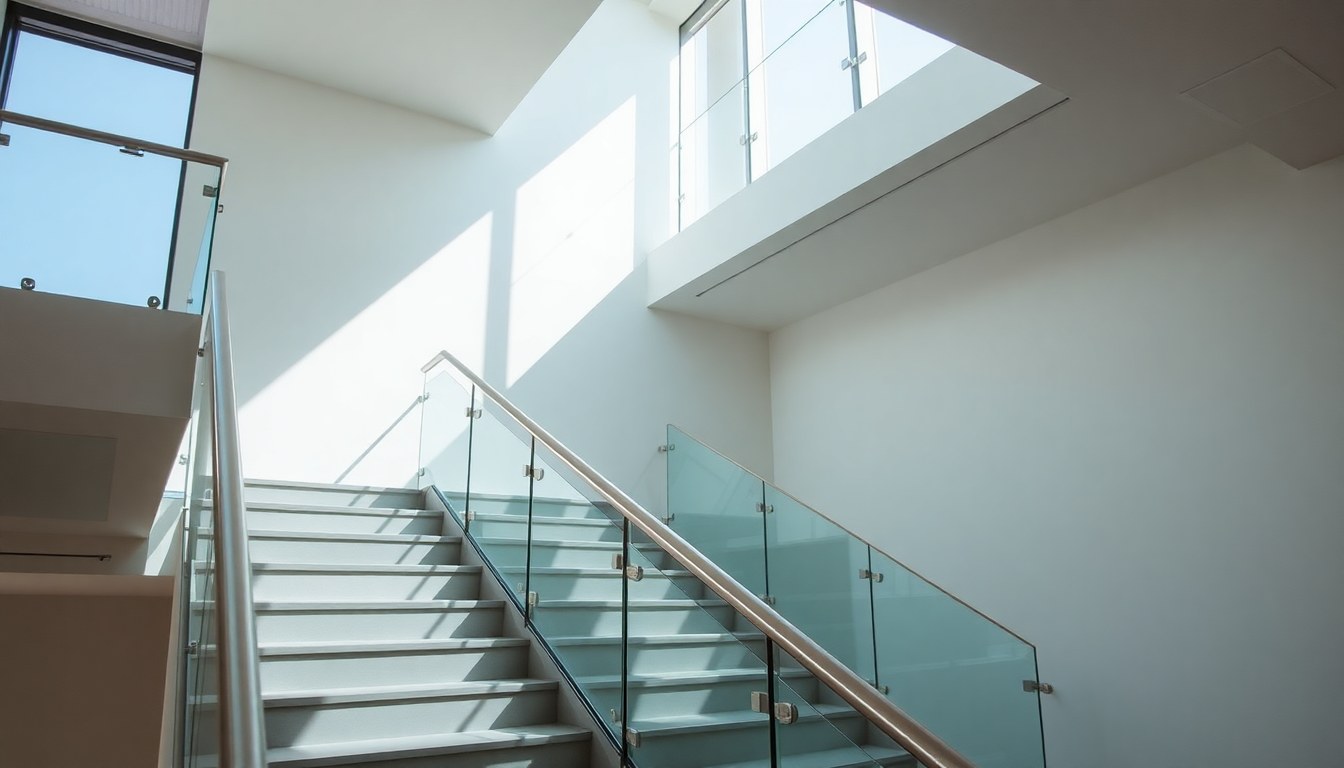
When designing or renovating a staircase, the railing choice significantly impacts both safety and visual appeal. Glass staircase railings and metal railings each offer distinct advantages, and the right choice depends on your space, budget, and aesthetic preferences. This comprehensive guide compares frameless glass balustrades with traditional metal railings across safety, maintenance, design flexibility, and cost—helping you make an informed decision for your home or commercial property.
Safety Standards and Building Compliance
Both glass and metal railings must meet Indian building codes and safety standards. The National Building Code of India (NBC) specifies that railings must prevent falls and allow no opening larger than 100 mm through which a sphere can pass. Glass railings must be made from tempered or laminated glass, which is significantly stronger than regular glass and designed to prevent injury if breakage occurs.
Tempered glass is heat-treated to withstand impact and thermal stress, making it five times stronger than annealed glass. If it breaks, it crumbles into small, blunt pieces rather than sharp shards. Laminated glass consists of two glass panes bonded with a plastic interlayer, holding fragments together even if damaged. Metal railings, typically made from stainless steel or mild steel, offer excellent structural strength and durability. Both materials, when properly installed, provide reliable fall protection and comply with Indian safety regulations.
Impact Resistance
Metal railings generally absorb impact without visible damage, making them ideal for high-traffic areas or homes with children and pets. Glass railings, while engineered to be safe, may show cracks or damage from severe impact, though they won't shatter dangerously if tempered or laminated.
Aesthetic Appeal and Design Flexibility
Glass railings create a sense of openness and light, making staircases appear less visually heavy. Frameless glass balustrades are particularly popular in modern minimalist interiors, as they don't obstruct sightlines and allow natural light to flow freely through the stairwell. This makes small spaces feel larger and more connected. Metal railings, conversely, offer strong visual presence and can anchor a design scheme with their solid appearance.
Metal railings come in numerous styles—wrought iron with ornate patterns, sleek stainless steel, powder-coated aluminum in various colors, or contemporary geometric designs. They suit traditional, transitional, and modern interiors depending on the finish and pattern. Glass railings work beautifully in contemporary, minimalist, industrial, and luxury residential spaces. They pair well with wooden, concrete, or metal stairs and integrate seamlessly with modern home décor.
Customization Options
- Glass railings: Available in clear, frosted, tinted, or patterned glass; can feature stainless steel or aluminum frames; support custom etching or digital printing
- Metal railings: Endless design possibilities through forging, welding, and finishing; available in various metals and colors; can incorporate decorative elements or minimalist bar designs
Maintenance Requirements and Durability
Glass railings require regular cleaning to maintain their transparent appearance. Fingerprints, dust, and water spots are visible on glass, necessitating weekly or bi-weekly cleaning with glass cleaner and a soft cloth. In humid climates or areas near the sea, mineral deposits may accumulate. Despite cleaning demands, glass doesn't corrode, rust, or degrade over time, making it extremely durable with a lifespan of 20+ years when properly maintained.
Metal railings demand different maintenance depending on the material. Stainless steel is highly corrosion-resistant and requires minimal upkeep—occasional wiping with a damp cloth suffices. Mild steel railings, while affordable, require regular painting or coating to prevent rust, especially in humid or coastal areas. Powder-coated finishes offer better protection but may chip or scratch over time. Wrought iron railings need periodic maintenance to prevent rust and preserve their finish. Overall, metal railings may require more preventive maintenance than glass, particularly in challenging climates.
Cleaning and Care Comparison
- Glass: Weekly cleaning with glass cleaner; occasional deep cleaning for mineral deposits; no rust or corrosion concerns
- Metal (stainless steel): Occasional wiping; minimal maintenance; resistant to corrosion
- Metal (mild steel/wrought iron): Regular painting or coating; rust prevention essential; more labor-intensive upkeep
Cost Analysis: Initial Investment and Long-Term Value
Glass railings typically cost more upfront than basic metal railings. In India, frameless glass balustrades range from ₹800 to ₹2,500 per linear meter, depending on glass thickness (10-12 mm), framing material, and installation complexity. Frosted or tinted glass may add 10-15% to the cost. Metal railings are generally more affordable, ranging from ₹400 to ₹1,500 per linear meter for stainless steel or mild steel options. Ornate wrought iron designs can cost ₹1,000 to ₹2,000+ per linear meter.
While glass railings require higher initial investment, they offer lower long-term maintenance costs and superior durability. Metal railings may be cheaper initially but can incur ongoing maintenance expenses, particularly if rust prevention or repainting is necessary. For a 10-meter staircase, glass railings might cost ₹8,000-₹25,000 installed, while metal railings might cost ₹4,000-₹20,000, depending on design complexity. Over 15-20 years, the total cost of ownership often favors glass due to minimal maintenance requirements.
Budget Breakdown
- Material cost: Glass railings are 20-40% more expensive per meter
- Installation: Glass requires specialized fitters; metal installation is generally simpler and cheaper
- Maintenance: Glass has lower lifetime maintenance costs; metal may require periodic repainting or rust treatment
- Replacement: Glass is durable; damaged metal may require more frequent repairs or replacement
Practical Considerations for Different Spaces
Glass railings excel in residential apartments, penthouses, modern offices, and retail spaces where visual openness is valued. They're particularly effective in homes with limited natural light or small stairwells, as they maximize the sense of space. However, they may not suit high-impact environments like industrial warehouses or spaces prone to frequent accidents, where metal's durability is preferable.
Metal railings are versatile and work in virtually any setting—residential homes, commercial buildings, industrial facilities, and outdoor staircases. They're ideal for traditional architecture, heritage properties, and spaces where a bold design statement is desired. Metal railings also perform better in extreme weather conditions, high-traffic areas, and environments where frequent impact or maintenance challenges are expected.
Best Use Cases
- Glass railings: Modern apartments, luxury homes, office lobbies, retail showrooms, residential staircases in well-protected interiors
- Metal railings: Traditional homes, commercial buildings, industrial spaces, outdoor staircases, high-traffic public areas, heritage properties
Hybrid Solutions and Alternatives
Many designers now combine glass and metal for optimal results. A common approach uses glass panels with stainless steel or aluminum frames, balancing transparency with structural definition. Another popular hybrid features a wooden handrail with glass panels and metal balusters, merging warmth, safety, and contemporary design. These combinations often cost slightly more than single-material options but offer superior aesthetics and functionality.
Composite materials like aluminum composite panels paired with glass also provide durability, easy maintenance, and modern aesthetics. Some projects use glass with wooden frames for a warmer, more traditional feel. The choice of hybrid solution depends on your space's architectural style, maintenance preferences, and budget constraints.
Environmental and Sustainability Factors
Glass is 100% recyclable and has no environmental degradation over time. Tempered and laminated glass can be recycled indefinitely without losing quality. Metal railings, particularly stainless steel and aluminum, are also fully recyclable. However, the manufacturing process for some metals is more energy-intensive than glass production. If sustainability is a priority, both materials are responsible choices, though glass edges slightly ahead due to its inert nature and infinite recyclability without quality loss.
Frequently Asked Questions
Are glass railings safe for homes with children and pets?
Yes, when made from tempered or laminated glass and properly installed according to building codes, glass railings are completely safe for children and pets. Tempered glass is five times stronger than regular glass and crumbles into harmless pieces if broken. Laminated glass holds together even if damaged. Both types prevent falls effectively and meet Indian safety standards. The main consideration is keeping glass clean so children and pets don't accidentally walk into it.
How often do glass railings need cleaning?
Glass railings should be cleaned weekly or bi-weekly to maintain their transparent appearance and prevent fingerprint buildup. A simple wipe with glass cleaner and a soft cloth takes just a few minutes. In areas with hard water or high humidity, mineral deposits may accumulate and require occasional deeper cleaning with specialized solutions. Regular cleaning is straightforward and doesn't require professional services.
Which is more cost-effective: glass or metal railings?
Metal railings typically have a lower initial cost (₹400-₹1,500 per meter), while glass railings cost more upfront (₹800-₹2,500 per meter). However, glass often proves more cost-effective long-term because it requires minimal maintenance and lasts 20+ years without degradation. Metal railings, especially mild steel or wrought iron, may require regular repainting and rust prevention, adding ongoing costs. For a 10-15 year perspective, glass usually offers better value despite higher initial investment.
Can glass railings be used outdoors?
Yes, glass railings can be used outdoors if made from tempered or laminated glass and installed with weather-resistant frames (stainless steel or aluminum). However, they require more frequent cleaning due to exposure to dust, pollen, and weather. Metal railings, particularly stainless steel, are generally more practical for outdoor use as they require less maintenance and handle temperature fluctuations better. For outdoor applications, consider your climate and maintenance capacity before choosing glass.
What's the difference between frameless and framed glass railings?
Frameless glass railings use minimal metal components (usually only at the top and bottom), creating a clean, modern aesthetic with maximum transparency. Framed glass railings have visible metal frames around each glass panel, providing more visual definition and often appearing more traditional. Frameless designs are more expensive and require thicker, stronger glass, while framed options are more affordable and versatile in design. Both are equally safe when properly engineered and installed.
Make Your Choice Today
Both glass and metal railings offer distinct advantages—glass excels in modern aesthetics and low maintenance, while metal provides versatility, affordability, and durability across diverse environments. Your decision should reflect your space's architectural style, maintenance preferences, budget, and long-term vision. For expert guidance on selecting and installing the perfect railing for your staircase, explore verified glass railing suppliers and metal railing manufacturers on the glassy.in directory, India's most comprehensive glass business platform. Connect with experienced professionals who understand your local building codes and can deliver quality solutions tailored to your specific needs.