
The Evolution of Glass Manufacturing in India
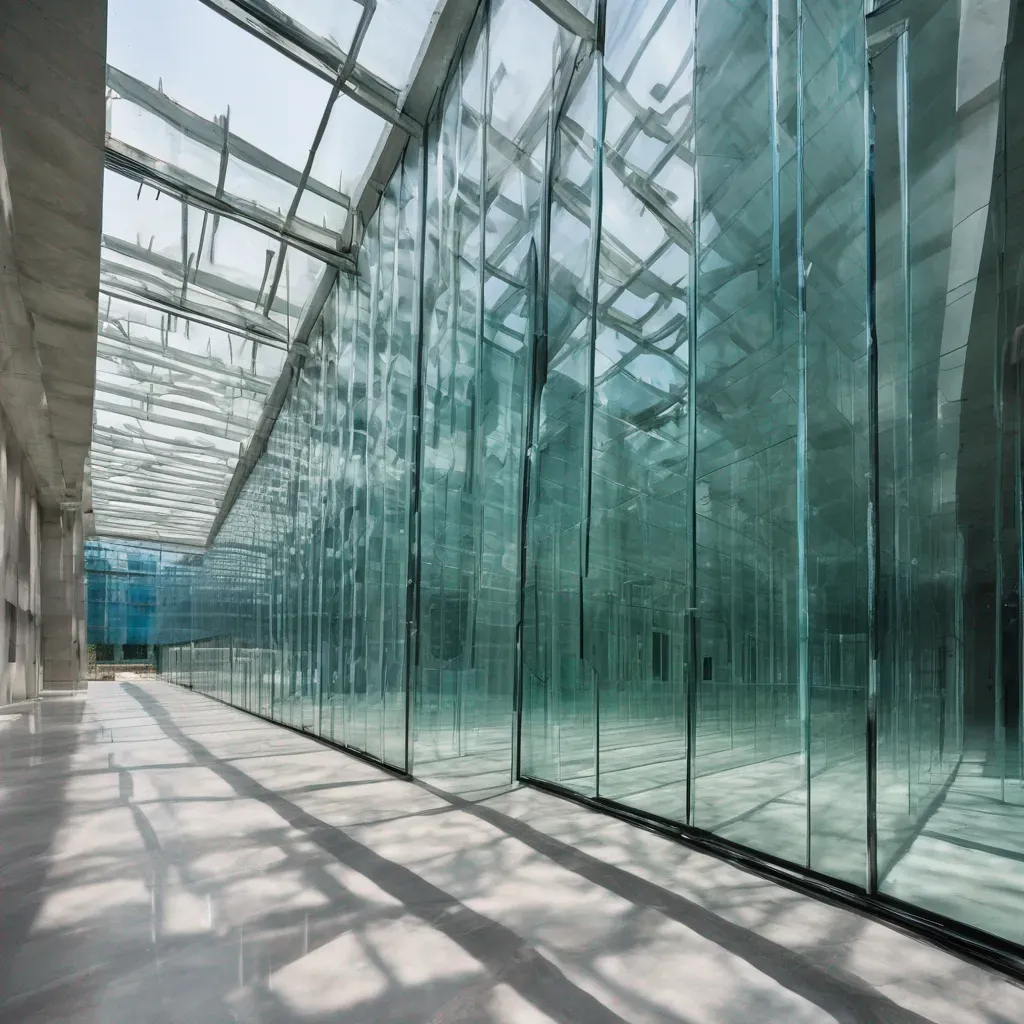
The Evolution of Glass Manufacturing in India
Glass, a remarkable material that reflects both utility and artistry, has been an integral part of human life for centuries. Known for its versatility and elegance, glass has evolved from being a luxury item to an essential component in modern architecture, interiors, and art. In India, the journey of glass manufacturing is a compelling tale of tradition blending with technological innovation, cultural artistry, and industrial modernity. This article delves into the fascinating evolution of glassmaking in India, examining its influences on art and design, and providing insights into India’s growing prominence in the global glass industry.
Glassmaking’s Humble Beginnings in India
The history of glass manufacturing in India dates back thousands of years. Archaeologists have discovered evidence of glass beads, bangles, and ornaments in sites like Mohenjo-Daro and Harappa, indicating that India had an early engagement with glassmaking as far back as the Indus Valley Civilization. However, in these ancient times, glass was predominantly used for decorative purposes. The artisans of India, celebrated for their intricate craftsmanship, mastered early technologies of glass melting and shaping using basic tools and natural raw materials like sand and plant ash.
Fast forward to the Mughal era, India saw a significant infusion of artistic techniques as the rulers encouraged cultural exchanges with Persia, Turkey, and Central Asia. Brilliantly crafted glass objects emerged as symbols of artistic ingenuity. Colored glass panels in intricate jali work (lattices) became prominent features of Mughal architecture, enhancing aesthetic appeal while demonstrating the merging of utility and design. Examples of these glass art forms were often integrated into palaces, mosques, and royal interiors, leaving an enduring influence on Indian design traditions.
A New Era: Glass Industrialization
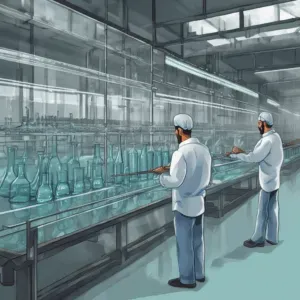
The advent of industrialization in the 19th century marked a turning point for glass manufacturing in India. Driven by British colonial rule, glass production began to transition from small-scale artisanal work to mechanized industries. By the early 20th century, India saw the establishment of its first modern glass factories, such as the Bengal Glass Works in Calcutta (now Kolkata). This transition was fueled by the growing demand for practical glass materials, such as bottles, jars, and window panes.
The shift towards industrial-scale manufacturing did not diminish the artistry of glass in India, though. Traditional glassblowing techniques continued to thrive alongside mechanized production, particularly within regional craft clusters. The famed Firozabad glass industry, often referred to as the “Glass City of India,” remains a beacon of glass artistry in Uttar Pradesh, creating everything from vibrant glass bangles to decorative elements cherished worldwide. Visitors to this craft hub are often captivated by the amalgamation of centuries-old techniques with modern aesthetic sensibilities.
The Growth of Architectural Glass in Modern India
India’s glass industry underwent another transformation with the rapid urbanization and globalization of the late 20th and early 21st centuries. As cities expanded and modern architectural styles gained traction, the demand for innovative glass solutions skyrocketed. No longer confined to decorative uses, glass began playing crucial roles in construction and interior design. Its properties of natural translucency, thermal insulation, and energy efficiency propelled its widespread use in commercial and residential buildings alike.
Tempered glass, laminated glass, double-glazed units, and solar control glass are just a few examples of India’s expanding repertoire of high-performance architectural glass. Today, both homegrown enterprises and global giants cater to India’s burgeoning glass demand. The innovative integration of glass into skyscrapers, office spaces, and luxury homes has redefined the concept of sustainable, light-filled spaces, making glass the material of choice for contemporary architecture.
Art and Glass: A Reawakening in Indian Interiors
While practicality drove much of glass manufacturing’s progress, its artistic appeal has experienced a resurgence in India. Designers and artists have rediscovered the rich history of handcrafted glass, infusing traditional techniques with modern creativity. Decorative stained glass panels, mosaic art, and blown glass sculptures are increasingly used in high-end interior decor projects, often adding an unparalleled sense of elegance.
Moreover, glass is now celebrated for its adaptability as a canvas for artistry. From etched glass walls to colorful glass tabletops that capture light and intricate patterns, the possibilities are endless. Many contemporary Indian designers draw inspiration from indigenous styles, merging artisanal craftsmanship with modern aesthetics. These innovations contribute to the global reputation of India as a hub for luxury glass art and design.
For anyone intrigued by the interplay of art and glass, modern innovations in this field offer not only a visual experience but also tactile, functional works of art. Whether you’re designing a space or acquiring custom pieces, the aesthetic visionary possibilities of glass in Indian interiors leave much to explore.
To further dive into the fascinating world of glass and how it has been revolutionized in modern times, visit Glassy.in. Their unique approach to glass artistry and design captures the essence of this enduring yet futuristic material.
Technological Advancements and the Future of Glass Manufacturing
The rise of automation and innovation in the 21st century has propelled the Indian glass industry onto the world stage. High-end machinery, green technologies, and cutting-edge processes like precision sandblasting, smart glass technology, and 3D printing have all contributed to making glass products in India more efficient, sustainable, and design-forward.
India is quickly emerging as a global supplier for both standard and specialized glass products, serving industries spanning construction, automotive, consumer goods, and telecommunications. Flexible solutions like energy-efficient glass and smart windows further position India as a key player in the future of glass manufacturing. For a list of top-tier glass products suited for any creative or industrial need, check out Glassy.in, an industry leader in bespoke glass solutions.
Conclusion
The evolution of glass manufacturing in India is a testament to the country’s ability to blend timeless craftsmanship with cutting-edge innovations. What started as a highly decorative material for ancient ornaments and architectural finesse now permeates every facet of Indian life, from kitchenware to cutting-edge skyscrapers. Beyond its functional uses, glass continues to inspire imagination in art, design, and interiors, symbolizing human creativity and transformation.
As India continues rising as a powerhouse in glass art and manufacturing, the future looks bright—literally and metaphorically. From the glimmer of ancient glass beads to the soaring glass facades of today’s skyscrapers, India’s journey with glass offers a legacy of beauty, durability, and innovation that will undoubtedly light the way for generations to come.# The Evolution of Glass Manufacturing in India
Glass, an integral part of art, design, and architecture, has evolved spectacularly in India over centuries. From its ancient beginnings to its modern-day industrialized production, the journey of glass manufacturing in India is a fascinating tale steeped in craftsmanship, innovation, and cultural significance. Whether it’s the vivid colors of stained glass art in religious structures or the sleek, minimalistic designs dominating contemporary interiors, glass has played a monumental role in shaping India’s visual and functional aesthetic.
In this article, we’ll unravel the history, advancements, and global impact of glass manufacturing in India, offering insights for art enthusiasts, design lovers, and anyone curious about this timeless material.
A Glimpse into the Origins: Ancient Glassmaking in India
Glass has been a part of India’s artistic and functional landscape for thousands of years. Excavations of ancient sites such as Arikamedu and Taxila unearthed evidence of glass beads, bangles, and other ornamental objects dating back to 1000 BCE. The craftsmanship of these early glass products highlighted India’s affinity for creativity and precision.
During ancient times, glass manufacturing was deeply intertwined with the country’s cultural practices. Indian artisans pioneered the use of glass for decorative purposes, melding it into mosaics, jewelry, and intricate designs. Historically, religious structures, such as temples and stupas, also incorporated glass art in architectural details, lending an ethereal glow to sacred spaces.
The Mughal Era: A Golden Period for Decorative Glass
The Mughal Empire marked a turning point in the history of both art and glass in India. During this period, glassmaking evolved into an elaborate craft. Mughal royalty’s patronage led to the creation of opulent glass objects ranging from mirrors to chandeliers. Intricate glass inlays and stained glass windows became a hallmark of Mughal architectural masterpieces, infusing a balance of color, texture, and light into palaces and mosques.
One of the most iconic examples is the Sheesh Mahal (Palace of Mirrors) in Rajasthan. Its brilliantly detailed displays of mirrored glass reflect light ingeniously, creating dazzling effects that continue to inspire modern design today. This era profoundly influenced India’s art and glass identity, blending Persian techniques with local aesthetics.
Industrial Revolution: The Shift from Craft to Industry
The advent of the Industrial Revolution in the 18th and 19th centuries significantly transformed India’s glass manufacturing landscape. British colonial rule introduced factory-based processes and modern technological methods, allowing for large-scale production of glass. This era saw the establishment of manufacturing hubs in cities like Firozabad, now famously known as the “Glass City of India.”
Firozabad remains a testament to India’s prowess in both traditional and industrial glassmaking. Skilled artisans create stunning glass bangles, decorative items, and utility products that are globally renowned. At the same time, industrial units are instrumental in producing glass sheets, bottles, and other essential materials catering to domestic and international markets.
Contemporary Innovations in Glass Design and Manufacturing
Fast forward to the 21st century, India’s glass manufacturing industry has fully embraced modernization while maintaining its rich artistic heritage. Today, India is among the key players in the global glass market, producing everything from architectural glass and automotive glass to intricate art installations and eco-friendly glass solutions.
Architectural Glass: Beyond Utility to Art
The evolution of architectural glass has been particularly impressive. Glass has moved beyond its functional role as a window material to becoming a medium for artistic and structural excellence. From awe-inspiring facades on skyscrapers to contemporary designs in homes, India’s adoption of glass in architecture reflects its fusion of art and technology.
Companies are now producing energy-efficient glasses — like low-emissivity (Low-E) glass — that cater to environmentally conscious consumers while enhancing design possibilities. These innovations not only meet aesthetic requirements but also address pressing sustainability concerns.
Rise of Handmade Glass Art
Even in this technological age, handmade glass art continues to captivate hearts. Firozabad’s glass artisans, for example, craft exquisite blown glass products that grace global exhibitions and luxury interiors. Stained glass art, once confined to religious settings, has experienced a resurgence, finding a place in high-end residential and commercial interior design.
India’s Global Impact: The Power of Heritage and Innovation
India’s glass manufacturing sector has solidified its global presence, propelled by a keen focus on heritage preservation and cutting-edge technology. The export of traditional glass art items, combined with modern glazing solutions, has made Indian glass highly sought after worldwide.
Companies like Glassy seamlessly bridge the gap between tradition and modernity by introducing products that honor India’s artistic past while embracing future-forward innovations. They exemplify how Indian businesses merge cultural values with sustainable practices, creating a significant impact in industries like art, design, and construction.
The Intersection of Glass and Art in Indian Interiors
In recent years, Indian homeowners and interior designers have rediscovered glass as a key element for creating dynamic and evocative interiors. Whether it’s a translucent glass partition that subtly divides spaces or colorful glass sculptures that double as conversational pieces, glass offers unparalleled versatility.
Modern Indian interiors often feature artistic embellishments like etched glass, frosted patterns, and backlit glass panels, adding layers of personality and depth. Decorative glass elements are now embraced not only for their beauty but also for their ability to amplify light, making small urban spaces appear expansive and luxurious.
As businesses like Glassy continue to provide customized glass solutions tailored to the evolving tastes of modern consumers, the material’s role in Indian interior design remains more inspirational than ever.
Conclusion: The Timeless Allure of Glass in India
The evolution of glass manufacturing in India mirrors the country’s journey through history, culture, and progress. From ancient beads to grand Mughal mirrors, and from handmade crafts to modern energy-efficient innovations, glass has transcended its role as a mere material, becoming an enduring symbol of artistry and advancement.
For those drawn to art, interiors, or architecture, glass represents endless possibilities. It’s a medium that speaks of heritage while embracing modern functionality — a material that connects the past, present, and future. As India continues to innovate in glass manufacturing, one thing is certain: its legacy of craftsmanship and design will continue to inspire generations to come.