
Shower Enclosures
Frameless Shower Enclosures: Silicone Sealant Maintenance & Mold Prevention
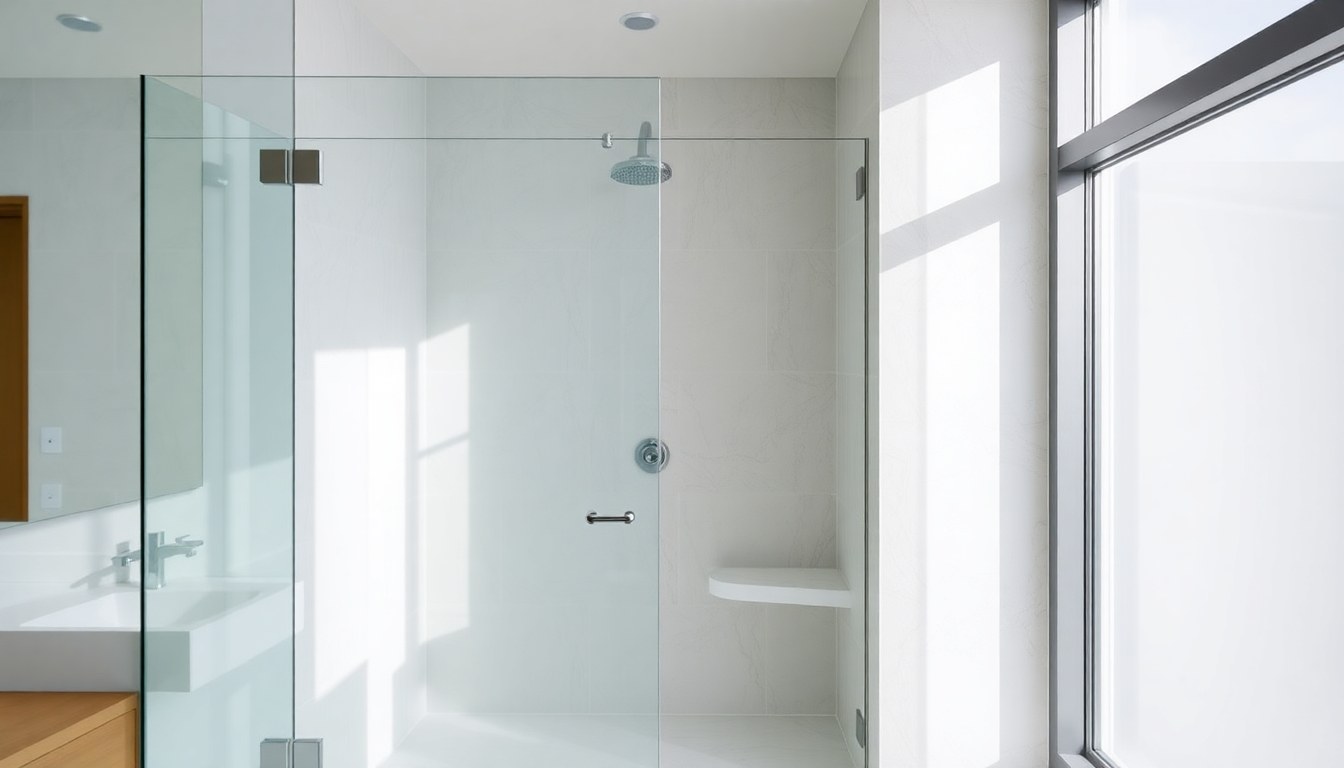
Frameless shower enclosures deliver a modern, minimalist look that elevates any bathroom—but their success hinges entirely on proper silicone sealant maintenance. Unlike framed enclosures, frameless designs rely on high-quality silicone to create watertight seals at glass-to-tile and glass-to-glass junctions, making sealant care non-negotiable. In India's humid climate, where moisture and temperature fluctuations are constant, mold and mildew can colonize deteriorating sealants within weeks, compromising both aesthetics and structural integrity.
Why Silicone Sealants Matter in Frameless Shower Enclosures
Frameless shower enclosures have no aluminum frames to hide imperfections or provide secondary waterproofing. The silicone sealant is the primary barrier against water infiltration, making its quality and maintenance absolutely critical. When silicone degrades—whether from UV exposure, thermal cycling, or poor installation—water seeps behind glass panels, leading to water damage in surrounding walls and the growth of harmful mold colonies.
Premium silicone sealants are formulated to remain flexible even as building materials expand and contract with temperature and humidity changes. In Indian bathrooms, where monsoon seasons bring extreme humidity spikes, this flexibility prevents cracking and maintains watertight integrity. Inferior or expired sealants lose elasticity and begin to shrink, creating hairline gaps where moisture penetrates.
Understanding Silicone Sealant Lifespan
Most high-quality silicone sealants used in shower enclosures last between 5 to 10 years under normal conditions. However, in humid tropical climates like those across India—particularly in coastal cities such as Mumbai, Kolkata, and Chennai—sealants may degrade faster due to constant moisture exposure and temperature fluctuations. Budget-grade sealants may fail within 3 to 5 years, while premium brands rated for wet environments can extend to 12 years with proper maintenance.
Several factors accelerate sealant degradation:
- Humidity levels above 80%: Persistent moisture breaks down silicone polymers over time
- Poor ventilation: Stagnant air prevents moisture evaporation, keeping sealants perpetually damp
- Hard water deposits: Mineral buildup creates micro-cracks where mold spores colonize
- Chemical exposure: Harsh bathroom cleaners and bleach-based products degrade silicone faster
- Improper installation: Sealants applied over wet surfaces or without primer fail prematurely
Recognizing Signs of Sealant Failure
Inspect your frameless shower enclosure's silicone sealants monthly for these warning signs: visible discoloration or black specks (mold), shrinkage creating visible gaps, a chalky or powdery appearance, or a persistent musty odor near the seams. If you notice water pooling on the bathroom floor outside the enclosure or dampness in adjacent walls, sealant failure is likely the culprit. Early detection allows you to re-seal before water damage spreads.
Mold Prevention in Humid Indian Climates
Mold thrives on silicone sealants because they provide a porous surface where moisture accumulates. In India's monsoon season, bathroom humidity regularly exceeds 90%, creating ideal conditions for mold proliferation. Prevention is far more cost-effective than remediation, which often requires professional removal and sealant replacement costing ₹8,000 to ₹15,000 per enclosure.
Ventilation Strategies
Proper ventilation is your first line of defense. Install an exhaust fan rated for your bathroom size (typically 50-100 CFM for standard bathrooms) and run it for at least 30 minutes after each shower. In homes without ducted ventilation, consider a window exhaust fan or portable dehumidifier to reduce ambient humidity to below 60%. During monsoon months in cities like Bangalore, Mumbai, and Hyderabad, run ventilation continuously even when not showering.
Daily Cleaning Practices
After each shower, squeegee water off glass panels and wipe sealant lines with a dry microfiber cloth. This simple step removes the moisture that mold spores need to germinate. Weekly, scrub sealants with a soft brush and a mixture of equal parts white vinegar and water—this natural solution kills early-stage mold without damaging silicone. For stubborn mold, use a diluted bleach solution (1 part bleach to 10 parts water), but limit use to once monthly as bleach accelerates sealant degradation.
Never use abrasive scrubbers or scouring powders on silicone sealants, as these create micro-scratches where mold easily takes hold. Avoid silicone-based bathroom cleaners, which can soften and weaken the sealant material itself.
Moisture Control Products
In particularly humid regions, install a small dehumidifier in the bathroom or use moisture-absorbing products like silica gel packets or commercial bathroom moisture absorbers. Some homeowners in Chennai and Kolkata have found success with bathroom exhaust fans equipped with humidity sensors that activate automatically when moisture levels spike above 65%.
Professional Sealing Techniques and Best Practices
If you're installing a new frameless shower enclosure or re-sealing an existing one, proper technique ensures maximum longevity. The substrate must be completely dry—ideally for 24-48 hours after any water exposure—and free of old sealant, dust, and soap residue. Many installation failures occur when contractors skip this crucial preparation step.
Step-by-Step Installation Guidelines
- Surface preparation: Remove old sealant with a caulk removal tool, then clean with rubbing alcohol and allow to dry completely
- Primer application: Apply a silicone primer to porous surfaces (tile, stone) to improve adhesion and prevent sealant failure
- Sealant selection: Choose 100% silicone sealants rated for wet environments; avoid acrylic-latex hybrids in shower areas
- Application technique: Use a caulking gun at a 45-degree angle, applying a continuous bead without gaps or air pockets
- Tooling: Smooth the sealant with a wet tool within 10 minutes of application to ensure proper adhesion and water shedding
- Curing time: Allow 24-48 hours full cure before exposing to water; some premium sealants require 72 hours in humid conditions
In India, reputable glass suppliers and contractors in major metros like Delhi, Bangalore, and Pune typically charge ₹300-500 per linear meter for professional frameless enclosure sealing, including labor and materials. While this seems expensive, professional installation often comes with warranties covering sealant failure for 2-3 years, providing peace of mind.
Re-Sealing Timeline and Maintenance Schedule
Plan for complete re-sealing every 5-7 years in humid Indian climates, or sooner if you notice sealant degradation. However, proactive maintenance can extend intervals by 2-3 years. Establish a quarterly inspection routine: examine sealants under bright light, look for discoloration or gaps, and test water shedding by pouring water along seams to confirm it flows away cleanly.
Annual Maintenance Checklist
- Check sealant for visible mold, shrinkage, or discoloration
- Test enclosure for water leaks by inspecting adjacent walls and floors
- Deep-clean sealants with vinegar solution and soft brush
- Verify exhaust fan operation and clean filters
- Inspect glass panels for water spots or mineral deposits indicating poor sealing
If minor mold appears on otherwise intact sealants, aggressive cleaning with vinegar or diluted bleach may restore appearance without full replacement. However, if sealants show visible gaps, significant shrinkage, or mold that returns within days of cleaning, professional re-sealing is necessary. Delaying this work risks water damage costing ₹20,000-50,000 or more in structural repairs.
Choosing the Right Silicone Sealant for Indian Conditions
Not all silicone sealants are created equal. For frameless shower enclosures in India, prioritize products specifically formulated for wet environments and humid climates. Look for sealants with anti-fungal additives that inhibit mold growth—these cost slightly more (₹200-400 per cartridge versus ₹80-150 for basic silicone) but prove worthwhile in monsoon-prone regions.
Premium brands like Dow Corning, Sikaflex, and Neutral Cure silicones are widely available through glass suppliers across India and offer superior performance compared to generic hardware-store alternatives. Ensure the product is labeled "100% silicone" and rated for kitchen and bath use; avoid "siliconized" products, which contain polyurethane or acrylic bases that fail faster in wet conditions.
Frequently Asked Questions
How often should I clean the silicone sealants in my frameless shower enclosure?
Clean sealants weekly with a soft brush and white vinegar solution to prevent mold buildup. After each shower, wipe sealant lines dry with a microfiber cloth. In high-humidity areas or during monsoon season, increase frequency to twice weekly. Monthly deep-cleaning with a diluted bleach solution (1:10 ratio) helps prevent stubborn mold, but avoid overuse as bleach degrades silicone over time.
Can I repair small gaps in silicone sealants without full replacement?
Small gaps (less than 3mm) can sometimes be sealed with additional silicone applied over the existing sealant, but this is a temporary fix. For long-term reliability, especially in humid climates, it's better to remove the old sealant completely and re-seal the entire joint. This typically costs ₹500-1,500 per enclosure depending on size and accessibility, but prevents future water damage.
What's the best way to prevent mold on sealants in a bathroom with poor ventilation?
Install an exhaust fan if possible, or use a portable dehumidifier to keep humidity below 60%. Run ventilation for 30 minutes after each shower, and keep the bathroom door open when not in use to allow air circulation. Squeegee glass after showers and wipe sealants dry immediately. If structural ventilation is impossible, consider anti-fungal sealants with built-in mold inhibitors when re-sealing.
How long does silicone sealant typically last in Indian bathrooms?
High-quality silicone sealants last 5-10 years in India's humid climate, with premium products potentially reaching 12 years with proper maintenance. Budget sealants may fail within 3-5 years. Lifespan depends heavily on ventilation quality, cleaning frequency, and regional humidity levels. Coastal cities with year-round high humidity typically see shorter sealant life than inland areas.
Is it safe to use bleach on frameless shower enclosure sealants?
Diluted bleach (1 part bleach to 10 parts water) can be used monthly to kill mold on sealants, but frequent use accelerates degradation. Limit bleach application to once monthly and always rinse thoroughly with clean water afterward. For regular cleaning, white vinegar is safer and equally effective at preventing mold without damaging silicone long-term.
Maintain Your Frameless Shower Enclosure with Expert Guidance
Frameless shower enclosures remain a premium choice for modern Indian bathrooms, but their beauty and functionality depend entirely on sealant maintenance. By understanding silicone lifespan, implementing mold prevention strategies, and following a structured re-sealing schedule, you'll protect your investment and enjoy a pristine, leak-free enclosure for years. For professional installation, quality sealant products, and expert maintenance advice tailored to your region's climate, explore vetted glass suppliers and contractors on the Glassy.in directory—India's most trusted resource for bathroom glass solutions.