
Shower Enclosures
Frameless Shower Enclosures in Hard-Water Areas: Mineral Stain Prevention
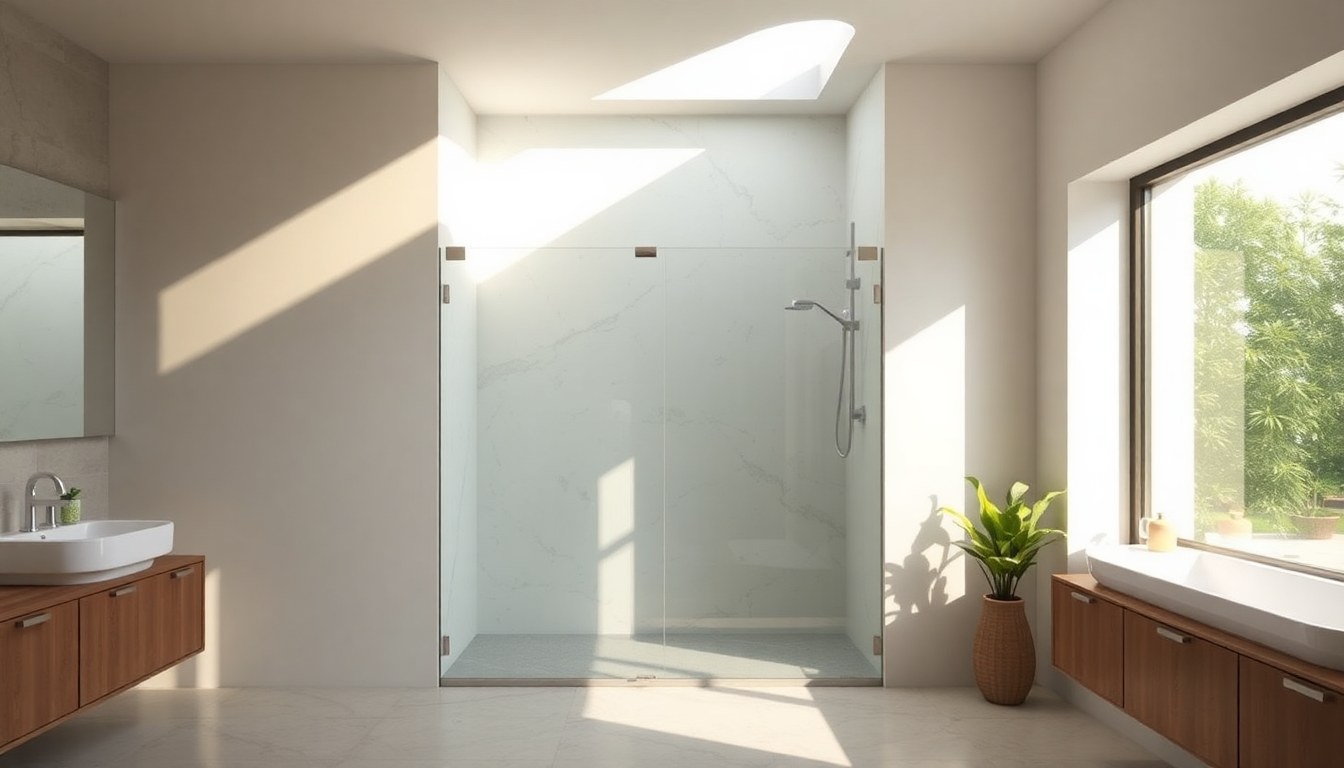
If you live in a hard-water region and own a frameless shower enclosure, you've likely noticed white, chalky mineral deposits building up on the glass—no matter how often you clean. Hard water contains dissolved minerals like calcium and magnesium that leave behind unsightly stains, compromising the aesthetic appeal of your modern bathroom. The good news is that with the right preventive measures and maintenance routine, you can keep your frameless glass shower enclosure looking pristine for years to come.
Understanding Hard Water and Its Impact on Frameless Glass
Hard water is water with a high concentration of dissolved minerals, particularly calcium carbonate and magnesium. These minerals are harmless to drink but wreak havoc on glass surfaces when water evaporates, leaving behind mineral residue. In frameless shower enclosures, this problem is magnified because the glass is exposed directly to water spray and steam without the protective frame that traditional enclosures offer.
The mineral deposits—also called limescale or water spots—form more rapidly in hard-water areas and are particularly stubborn on frameless glass. Unlike framed enclosures where mineral buildup can hide along rubber seals and frames, frameless designs showcase every spot. This makes preventive treatment essential rather than optional if you want to maintain the sleek, transparent look that makes frameless enclosures so popular.
Why Frameless Enclosures Are More Vulnerable
Frameless shower enclosures feature large, uninterrupted glass panels with minimal metal components. While this creates a beautiful, open aesthetic, it also means there's more exposed glass surface area for hard-water minerals to accumulate. Traditional framed enclosures have rubber gaskets and metal frames that can conceal some mineral buildup, but frameless designs offer no such hiding places.
Pre-Treatment: Applying Protective Coatings
The most effective strategy for preventing mineral stains is to apply a protective coating to your frameless glass before hard water ever touches it. These coatings create a barrier that prevents minerals from bonding directly to the glass surface, making cleanup dramatically easier and less frequent.
Glass Sealers and Hydrophobic Coatings
Professional-grade glass sealers work by filling microscopic pores in the glass surface, creating a hydrophobic (water-repellent) layer. When water beads up and rolls off rather than clinging to the glass, minerals have less opportunity to deposit and harden. Popular options include silane-based sealers and ceramic coatings, which can last between 6 to 24 months depending on water hardness and shower frequency.
For best results, have your frameless enclosure professionally sealed during installation or shortly after. Many glass suppliers and bathroom specialists, such as those listed on New Amar Glass & Plywoods, offer application services. If you're applying a sealer yourself, ensure the glass is completely clean and dry, and follow manufacturer instructions carefully.
Oleophobic and Hydrophobic Treatments
Oleophobic coatings repel both water and oils, making them excellent for shower glass. Hydrophobic treatments specifically reduce water adhesion. The key difference is that oleophobic coatings tend to last longer but are more expensive, while hydrophobic options are budget-friendly and still highly effective for mineral prevention.
Daily and Weekly Maintenance Practices
Even with a protective coating, regular maintenance prevents mineral buildup from accumulating over time. Establishing simple daily and weekly habits is far easier than dealing with heavy deposits later.
Squeegee After Every Shower
The simplest and most effective daily practice is to squeegee your frameless enclosure immediately after showering. This removes standing water before minerals can settle and harden onto the glass. A rubber-blade squeegee works best—use firm, downward strokes to push water toward the floor. Spend just 30 seconds per panel, and you'll dramatically reduce mineral accumulation.
Improve Ventilation
Poor ventilation traps moisture and heat, allowing water droplets to evaporate slowly on the glass surface—the ideal condition for mineral deposits to form. Install or upgrade your bathroom exhaust fan to run for at least 20-30 minutes after each shower. If your bathroom lacks proper ventilation, consider installing a ceiling-mounted fan or adding a window that opens. Better air circulation speeds water evaporation away from the glass, minimizing mineral contact time.
Weekly Vinegar Rinse
Once weekly, spray white vinegar (5% acidity) on your frameless glass and let it sit for 10-15 minutes. The mild acid dissolves fresh mineral deposits before they harden. Wipe with a soft cloth and rinse thoroughly with clean water. This preventive weekly rinse takes just 5 minutes and prevents the need for harsh scrubbing later.
Deep Cleaning Techniques for Stubborn Stains
Despite preventive efforts, some mineral buildup may eventually occur, especially in areas with extremely hard water. When weekly vinegar rinses aren't enough, these deeper cleaning methods restore clarity.
Commercial Hard-Water Stain Removers
Products specifically formulated for hard-water stains contain stronger acids than vinegar and dissolve mineral deposits more quickly. Look for cleaners labeled for shower glass or hard-water removal. Always test on a small, inconspicuous area first. Apply according to product instructions, typically allowing 5-15 minutes of contact time before scrubbing gently with a soft brush or cloth. Rinse thoroughly to prevent residue buildup.
Baking Soda and Vinegar Paste
For a natural alternative, mix baking soda with white vinegar to form a paste. Apply to mineral-stained areas and let sit for 15-20 minutes. The combination of mild abrasive (baking soda) and mild acid (vinegar) works synergistically to break down deposits. Gently scrub with a soft cloth or non-abrasive sponge, then rinse thoroughly. This method is safe for all glass types and won't damage protective coatings.
What to Avoid
Never use abrasive scouring pads, steel wool, or harsh chemicals like bleach on frameless shower glass. These can scratch the surface, damage protective coatings, and create micro-pits where minerals settle even more easily. Avoid acidic cleaners stronger than white vinegar unless specifically recommended for your glass type, as overly aggressive acids can etch the glass surface over time.
Water Softening Solutions for Severe Hard Water
If your area has extremely hard water (typically above 200 ppm of dissolved minerals) and mineral stains persist despite preventive measures, consider a water-softening system.
Whole-Home Water Softeners
Ion-exchange water softeners remove calcium and magnesium ions before water enters your home. This eliminates mineral deposits at the source, protecting not just your shower glass but also appliances, plumbing, and fixtures throughout your home. Installation costs range from ₹15,000 to ₹50,000+ depending on your home's water usage and hardness level, but the long-term benefits justify the investment if you have severe hard water.
Point-of-Use Shower Filters
If a whole-home system isn't feasible, shower-head filters or inline cartridge filters can reduce mineral content in shower water specifically. While not as comprehensive as whole-home softening, these budget-friendly options (₹1,500-₹5,000) can noticeably reduce mineral deposits on your frameless enclosure. Replace filter cartridges every 3-6 months for optimal effectiveness.
Working with Glass Professionals for Installation and Maintenance
When installing a new frameless shower enclosure in a hard-water area, consult with experienced glass professionals who understand local water conditions and can recommend appropriate sealers and coatings. Architects and interior designers specializing in bathroom renovations, such as Jk Interior's and studio anoma, can guide you toward the best materials and protective treatments for your region.
Many glass dealers and bathroom specialists offer professional sealing and maintenance services. Building a relationship with a local provider ensures your frameless enclosure receives expert care and timely resealing when protective coatings wear down. Regular professional maintenance every 12-18 months can extend the life of your protective treatments and keep your glass looking showroom-perfect.
Frequently Asked Questions
How often should I reseal my frameless shower enclosure in a hard-water area?
Most protective sealers last 6-12 months in moderate hard-water conditions and 3-6 months in severe hard-water areas. Professional-grade ceramic coatings may last up to 24 months. Monitor your glass for increasing water spots or reduced water beading, which indicate the coating is wearing down. Reapply sealer annually or as needed to maintain maximum protection.
Can I apply glass sealer myself, or should I hire a professional?
DIY application is possible if you follow instructions carefully, but professional application ensures proper surface preparation, even coverage, and optimal adhesion. Professionals have access to commercial-grade sealers often superior to retail products. For the best results, especially during initial installation, hiring a professional is recommended. Subsequent maintenance applications can be DIY if you're comfortable with the process.
Will squegeeing every day really make that much difference?
Yes, absolutely. Squegeeing removes standing water before minerals can settle and harden, which is the easiest prevention method. It takes just 30 seconds per shower and dramatically reduces mineral accumulation over time. Combined with weekly vinegar rinses and proper ventilation, squegeeing is often sufficient to prevent visible staining in moderately hard-water areas.
Is white vinegar safe to use on all types of shower glass?
White vinegar (5% acidity) is safe for standard tempered glass used in most frameless enclosures. However, if your glass has special coatings or treatments, check with your manufacturer before using vinegar regularly. Some specialty coatings may be sensitive to acids. When in doubt, test vinegar on a small area first or consult with your glass supplier.
What's the difference between hard-water stains and soap scum?
Hard-water stains are mineral deposits (calcium and magnesium) that appear white or cloudy and are insoluble in water alone. Soap scum is a combination of soap residue and minerals that appears as a filmy coating. Both respond to vinegar, but soap scum may require a degreasing cleaner. Hard-water stains are more common on frameless glass in mineral-rich areas and are the primary focus of prevention strategies discussed here.
Keep Your Frameless Shower Glass Crystal Clear
Hard water doesn't have to ruin the beauty of your frameless shower enclosure. By combining preventive treatments like protective sealers with simple daily habits like squegeeing and weekly vinegar rinses, you can maintain crystal-clear glass for years. In severe hard-water areas, consider professional water softening or point-of-use filters for additional protection. Explore the expertise of glass professionals and interior designers on glassy.in to find trusted local suppliers and specialists who can help you choose the right materials and maintenance strategies for your bathroom.