
Shower Enclosures
Frameless Glass Shower Enclosure Maintenance: Preventing Mold & Water Stains
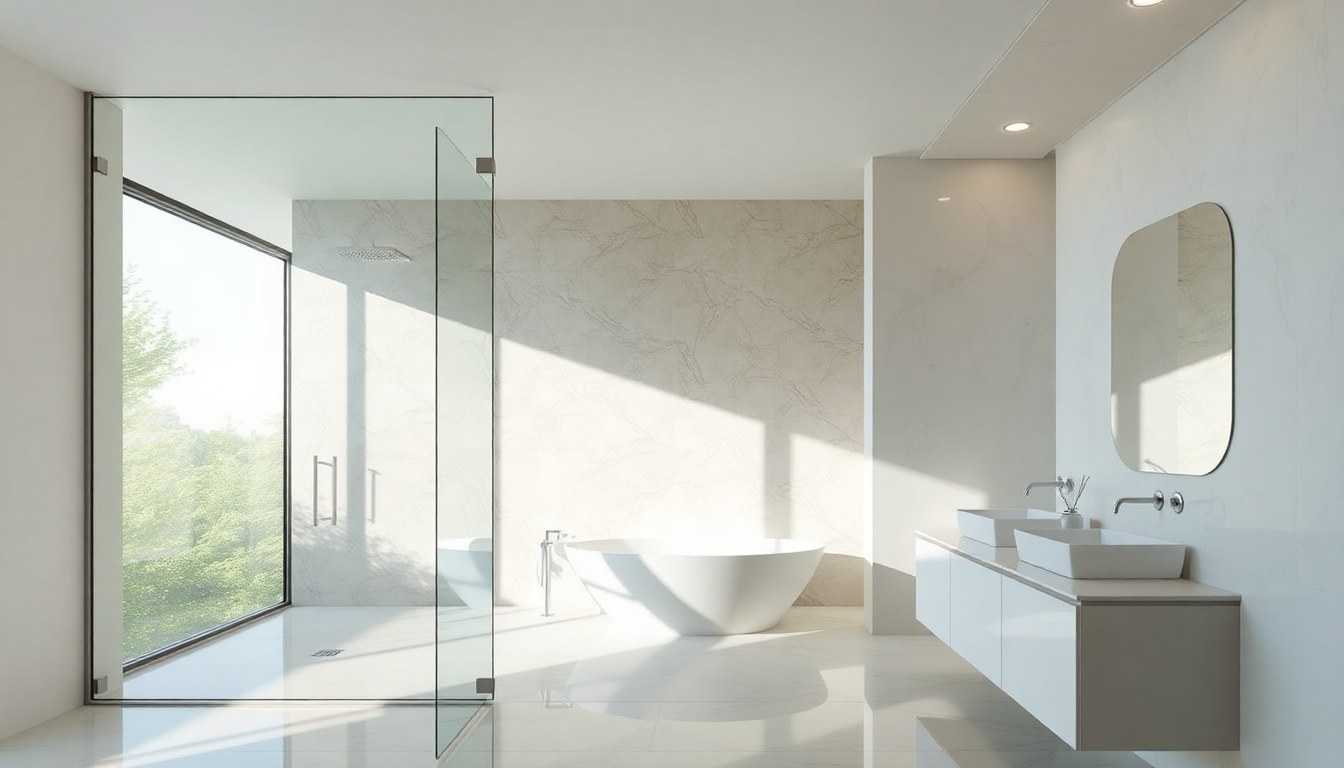
Frameless glass shower enclosures offer a sleek, modern aesthetic that instantly elevates your bathroom—but their minimalist design means they demand consistent maintenance to prevent mold, mildew, and stubborn water stains. Unlike framed enclosures, frameless designs have fewer crevices where dirt hides, yet the exposed glass demands more frequent attention to stay crystal clear. This guide walks you through proven cleaning protocols, squeegee techniques, and preventative measures that will keep your investment looking pristine while protecting it from costly damage.
Understanding the Frameless Glass Enclosure Challenge
Frameless shower enclosures are constructed from tempered glass panels held together by stainless steel or aluminum clamps, with minimal silicone sealant visible. This design creates a clean look but also exposes the glass to constant moisture, temperature fluctuations, and mineral deposits from hard water—a common issue across Indian cities like Mumbai, Bangalore, and Delhi where water mineral content varies significantly.
The primary enemies of your frameless enclosure are mineral buildup from hard water, mold and mildew growth in silicone sealants, soap scum accumulation on glass surfaces, and water spots that become increasingly difficult to remove if left unattended. Understanding these challenges helps you develop a maintenance routine that prevents rather than just treats problems.
Daily and Weekly Cleaning Protocols
The Post-Shower Squeegee Routine
Your first line of defense against water spots and mold is the humble squeegee, used immediately after each shower. This single habit prevents 70–80% of water-related problems by removing standing water before minerals can deposit on the glass. Use a squeegee with a soft rubber blade, working from top to bottom in overlapping strokes, applying gentle but firm pressure. Pay special attention to the bottom edges and corners where water pools naturally.
For best results, wipe the squeegee blade itself with a dry cloth after each use to prevent mold growth on the tool itself. Store it in a well-ventilated area—hanging it on a shower hook rather than leaving it on the enclosure floor ensures air circulation and prevents bacterial growth.
Weekly Glass Cleaning
Once weekly, perform a thorough glass cleaning using a pH-neutral glass cleaner or a homemade solution of equal parts white vinegar and distilled water. Spray the solution generously on the glass panels and let it sit for 2–3 minutes to dissolve mineral deposits and soap residue. Wipe with a microfiber cloth using circular motions, then buff dry with a clean, lint-free cloth to prevent streaking.
Avoid abrasive scouring pads or acidic cleaners (like undiluted vinegar or lemon juice) that can etch tempered glass over time. Commercial products like Aqua Glass Cleaner or Cif Glass & Window Cleaner, available across Indian retailers, work effectively and are formulated for safety on tempered glass.
Silicone Sealant Care and Mold Prevention
Regular Sealant Inspection
Silicone sealant—typically applied where glass meets the base or between panels—is the most vulnerable component of your frameless enclosure. Inspect it monthly for discoloration, cracks, or gaps where water can seep behind the glass. Healthy sealant should be white or clear, flexible, and free from black or pink mold spots.
If you notice early mold growth on sealant, address it immediately with a dedicated mold-killing spray. Apply the product directly to affected areas, let it sit for the recommended time (usually 10–15 minutes), then scrub gently with an old toothbrush and rinse thoroughly. Commercial products like Dettol Mold & Mildew Remover or homemade solutions of 1 part bleach to 10 parts water work effectively.
Sealant Replacement Timeline
Quality silicone sealant typically lasts 5–10 years depending on water quality, bathroom ventilation, and maintenance diligence. If sealant becomes cracked, discolored despite cleaning, or pulls away from the glass, it's time for replacement. This is a straightforward DIY task: remove old sealant with a sealant removal tool or old knife, clean the area thoroughly with rubbing alcohol, and apply new 100% silicone caulk using a caulking gun. Allow 48 hours for curing before exposing the enclosure to water.
In Indian bathrooms with high humidity (common in coastal cities and during monsoon seasons), consider upgrading to anti-mold silicone sealants that contain mildewcide additives, available from suppliers like Pidilite or Soudal.
Tackling Hard-Water Stains and Mineral Deposits
Identifying Hard-Water Buildup
Hard-water stains appear as white, chalky, or cloudy deposits on glass that don't respond to regular cleaning. They form when minerals like calcium and magnesium in your water supply dry on the glass surface. The severity depends on your local water hardness—areas with TDS (Total Dissolved Solids) above 300 ppm are particularly prone to stubborn buildup. Cities like Jaipur, Ahmedabad, and parts of Delhi experience notably harder water than coastal regions.
Effective Hard-Water Removal Methods
For light mineral deposits, white vinegar is your most economical solution. Spray undiluted vinegar on affected areas, let sit for 15–20 minutes, and scrub with a soft cloth or non-scratch sponge. For stubborn deposits, you may need a commercial hard-water stain remover like Scrubbing Bubbles or Bar Keeper's Friend (diluted and used cautiously on glass). Apply, let sit briefly, and rinse thoroughly.
For severe buildup that won't budge, consider using a glass polishing compound designed for shower enclosures. Apply with a microfiber cloth using gentle circular motions. Always test any new cleaning product on a small, inconspicuous area first to ensure it doesn't damage the glass coating.
Prevention Through Water Softening
If hard water is a persistent problem in your area, installing a water softener or point-of-use softening system for your bathroom can dramatically reduce mineral deposits. While an initial investment (typically ₹8,000–₹25,000 for basic systems), this pays dividends in reduced cleaning time and extended enclosure lifespan. Alternatively, using distilled water for a final rinse after cleaning provides excellent results without the capital expense.
Ventilation and Humidity Control
Mold and mildew thrive in damp, poorly ventilated bathrooms. Ensure your bathroom exhaust fan runs during and for at least 20–30 minutes after each shower to remove excess moisture. If your bathroom lacks an exhaust fan, open windows during and after showers, or install a wall-mounted fan (₹2,000–₹8,000 depending on capacity).
Keeping bathroom humidity below 50–60% is ideal for preventing mold growth on sealants and glass. In particularly humid climates or during monsoon seasons, running a dehumidifier or keeping the bathroom door open to allow air circulation becomes especially important. Even simple measures like leaving the shower door partially open between uses improve air flow and reduce trapped moisture.
Maintenance Schedule and Checklist
Consistency is key to maintaining a frameless glass shower enclosure. Use this simple schedule to stay on track:
- Daily: Squeegee glass and wipe down sealants after each shower
- Weekly: Clean glass panels with pH-neutral cleaner or vinegar solution
- Monthly: Inspect sealant for mold, cracks, or discoloration; treat any mold spots immediately
- Quarterly: Deep clean all glass surfaces, paying attention to corners and seams; check clamps and hardware for corrosion
- Annually: Assess overall sealant condition and plan replacement if needed; descale with vinegar if hard-water buildup is visible
Setting phone reminders for weekly and monthly tasks ensures you don't let maintenance slip. Many homeowners find that a 10-minute weekly cleaning prevents the need for exhausting monthly deep-cleans.
Frequently Asked Questions
Can I use vinegar on all types of frameless glass shower enclosures?
White vinegar is safe for most tempered glass enclosures and is highly effective for mineral deposits. However, avoid undiluted vinegar on glass with special coatings (like some premium anti-fog or self-cleaning treatments), as acidity can degrade these coatings over time. Always dilute vinegar 1:1 with water as a safer approach, and test on a small area first. If your enclosure has a protective coating, check the manufacturer's care instructions before using vinegar.
How do I prevent mold from growing on the silicone sealant?
Mold prevention relies on three factors: moisture control (use your exhaust fan and squeegee daily), adequate ventilation (keep the bathroom dry between showers), and regular inspection. Applying a mold-inhibiting spray to sealants every 2–3 months provides extra protection. If mold repeatedly returns despite these efforts, the sealant may be degraded and need replacement. Anti-mold silicone caulks with mildewcide are worth the extra cost if mold is a recurring problem in your bathroom.
What's the best way to remove stubborn, years-old water stains?
Years of mineral buildup requires patience and the right approach. Start with white vinegar (let it sit longer—30–45 minutes). If that doesn't work, try Bar Keeper's Friend (a mild abrasive powder) mixed into a paste, applied gently with a soft cloth. For extreme cases, a glass polishing compound or professional glass restoration service may be necessary. Prevention is always easier than correction, so addressing water stains within days of formation prevents the deep etching that makes old stains so stubborn.
How often should I replace the silicone sealant in my frameless enclosure?
Quality silicone sealant lasts 5–10 years in typical bathroom conditions. In high-humidity environments (coastal areas, monsoon-prone regions) or with very hard water, it may degrade faster—potentially within 3–5 years. Inspect sealant annually; if you notice cracks, gaps, discoloration that won't clean, or water seeping behind the glass, replacement is overdue. Replacing sealant proactively every 7–8 years is a smart preventative measure that costs ₹500–₹2,000 in materials and avoids expensive water damage to surrounding structures.
Is it worth installing a water softener specifically for my bathroom?
If you live in a hard-water area and struggle with persistent mineral deposits despite regular cleaning, a point-of-use water softener (₹8,000–₹25,000) can be worthwhile. It reduces cleaning time, extends enclosure lifespan, and improves glass clarity. However, if your hard-water issues are mild, using distilled water for final rinses or switching to better cleaning products may be sufficient. Consider a softener if you're spending more than 30 minutes weekly on cleaning or if mineral buildup returns within days of cleaning.
Keep Your Frameless Enclosure Pristine
Maintaining a frameless glass shower enclosure is straightforward when you establish consistent habits: daily squeegee use, weekly cleaning, monthly sealant inspection, and proper ventilation. These simple practices prevent the mold, hard-water stains, and sealant degradation that can compromise both the appearance and longevity of your investment. By addressing issues early and following a preventative maintenance schedule, your frameless enclosure will remain crystal clear and mold-free for decades.
Looking for premium frameless glass shower enclosures or professional installation services? Explore verified glass suppliers and bathroom specialists in your area through the glassy.in directory, where you'll find trusted vendors across India offering quality products, expert advice, and reliable installation support.