
Smart Glass
Smart Glass for Office Cabins: Privacy on Demand Without Blinds
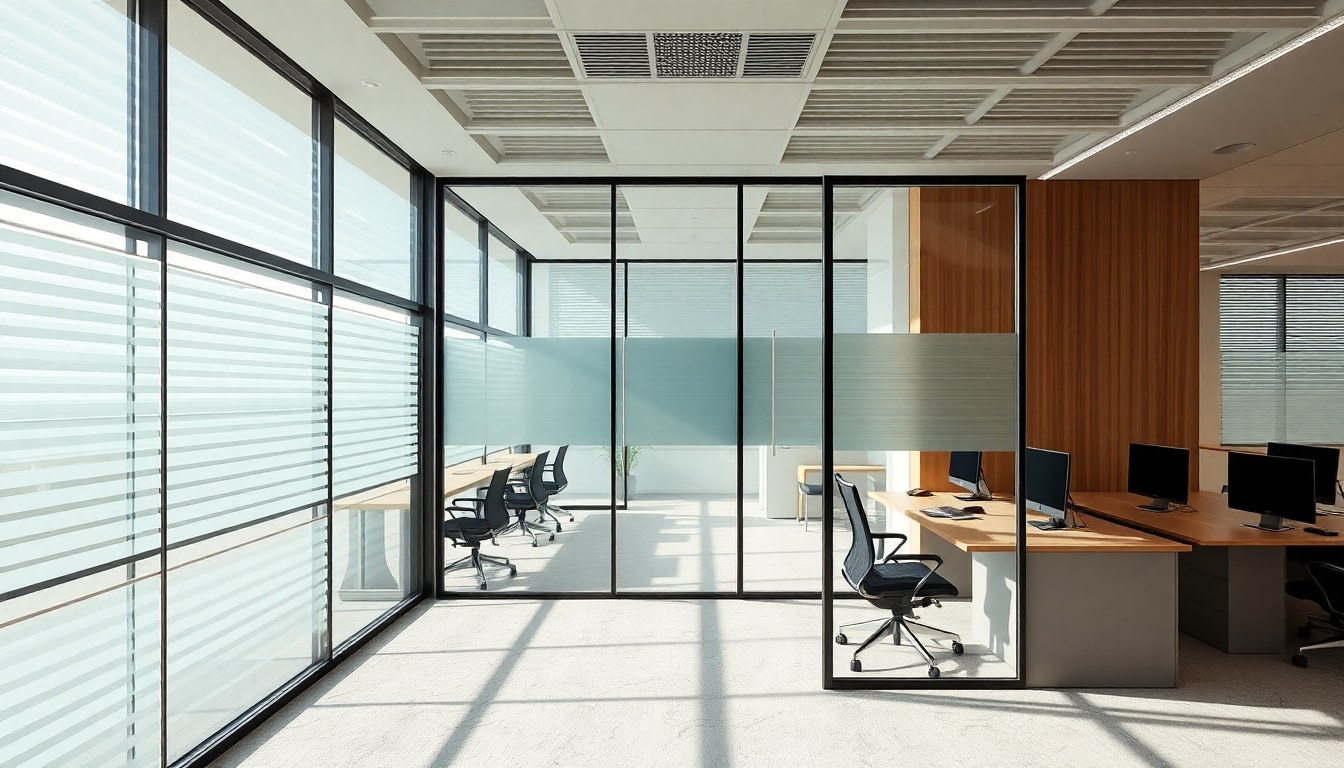
Modern office spaces demand flexibility, aesthetics, and functionality in equal measure. Smart glass—also called switchable glass or electrochromic glass—delivers all three by transforming from transparent to opaque instantly, eliminating the need for blinds, curtains, or heavy drapes. For Bangalore's thriving corporate sector, this technology offers a game-changing solution to privacy challenges while reducing energy consumption and creating a cleaner, more professional workspace.
What Is Smart Glass and How Does It Work?
Smart glass is a technologically advanced material that changes its light transmission properties when an electrical current is applied. The most common type used in office settings is electrochromic glass, which contains a special coating of metal oxides. When voltage is applied, ions move within the glass layers, darkening it; when the voltage is removed, the glass returns to its clear state.
The process happens in seconds, giving occupants complete control over their visual privacy without touching a single blind cord. Users can adjust opacity levels gradually—from fully transparent to completely opaque—using a wall-mounted switch, remote control, or even a smartphone app. This seamless transition maintains the aesthetic appeal of modern office design while solving real privacy problems.
Key Components of Smart Glass Systems
- Electrochromic layer: The intelligent coating that responds to electrical signals
- Power supply: Low-voltage DC power (typically 12V or 24V), safe for office environments
- Control interface: Switches, remotes, or building management system integration
- Laminated glass structure: Multiple layers bonded together for safety and durability
Why Office Cabins in Bangalore Need Smart Glass Solutions
Bangalore's corporate landscape is characterized by open-plan offices, collaborative spaces, and individual cabins that need to balance transparency with privacy. Traditional blinds accumulate dust, require regular maintenance, and create a dated aesthetic that doesn't align with modern workspace design. Smart glass solves these problems while addressing specific challenges unique to India's climate and work culture.
The city's intense afternoon sun creates glare and heat buildup in glass-walled cabins, forcing employees to lower blinds and work in semi-darkness. This disrupts focus, increases reliance on artificial lighting, and drives up air-conditioning costs. Smart glass selectively blocks heat and light while maintaining visibility, creating a more comfortable and productive work environment.
Privacy Without Isolation
One of smart glass's greatest advantages is that it provides privacy without creating the psychological isolation that comes with closed blinds. Employees can see out while others cannot see in, maintaining a sense of connection to the broader office while protecting sensitive work. This is particularly valuable in Bangalore's knowledge-intensive sectors—IT, finance, consulting—where confidentiality matters but collaboration remains essential.
Energy Efficiency and Cost Savings
Smart glass significantly reduces cooling costs in office cabins, a major expense in Bangalore's hot climate. By blocking solar heat gain during peak hours, smart glass reduces the workload on air-conditioning systems. Studies on similar technologies show that intelligent glass can reduce cooling energy consumption by 20-30%, translating to substantial savings over time.
The financial case is compelling: while smart glass has a higher upfront cost than traditional blinds (typically ₹8,000 to ₹15,000 per square meter installed), the energy savings, reduced maintenance costs, and extended lifespan (15-20 years) make it economical over the medium to long term. For large corporate campuses with hundreds of cabins, these savings compound significantly.
Additional Environmental Benefits
- Reduced peak-hour electricity demand on the grid
- Lower carbon footprint compared to conventional blind-and-AC combinations
- Eliminates waste from replacing worn-out blinds
- Supports corporate sustainability goals and ESG reporting
Aesthetic and Workspace Design Advantages
Smart glass elevates the visual appeal of modern office spaces. Instead of cluttered blind mechanisms, cabins maintain clean lines and minimalist aesthetics. The glass remains fully transparent when not in use, preserving sightlines and the sense of openness that contemporary office design emphasizes. This is especially important for Bangalore's premium corporate hubs where first impressions matter.
Architects and interior designers working on Bangalore office projects increasingly specify smart glass for high-profile cabins, conference rooms, and collaborative spaces. Firms like tada design collective and cube interiors recognize that smart glass aligns with contemporary design principles while solving practical problems. The technology integrates seamlessly with glass partitioning systems, creating a unified, professional look.
Implementation and Integration in Bangalore Offices
Installing smart glass in office cabins requires coordination between glass suppliers, electricians, and building management systems. The process involves measuring cabin dimensions, selecting appropriate glass thickness and tint levels, installing power supplies, and setting up control systems. Reputable glass dealers in Bangalore, such as ARMAN GLASS EMPORIUM and Adithya Glass, offer consultation, supply, and installation services for smart glass systems.
The electrical requirements are minimal—most smart glass systems operate on low-voltage DC power, making retrofitting into existing cabins straightforward. Integration with building management systems (BMS) allows centralized control, scheduling (e.g., darkening glass during peak sun hours automatically), and data monitoring. Some systems can even integrate with occupancy sensors, darkening the glass when a cabin is unoccupied.
Timeline and Costs
A typical smart glass installation for a single office cabin takes 2-3 days, including removal of existing fixtures, installation of smart glass panels, electrical work, and testing. For a standard 2m × 2m cabin partition, costs range from ₹35,000 to ₹60,000 installed, depending on glass quality, control systems, and supplier. Larger installations or custom configurations may cost more but offer economies of scale.
Challenges and Considerations
While smart glass offers numerous benefits, there are practical considerations to evaluate. The technology requires a reliable power supply, and power interruptions will leave the glass in its current state (though most systems have battery backup). The initial investment is higher than traditional blinds, requiring a longer payback period. Additionally, smart glass performs best in controlled environments; extreme temperature fluctuations or physical impacts can affect performance.
Another consideration is that smart glass tints uniformly—it cannot create partial shading like adjustable blinds. For offices where employees need fine-tuned light control, a hybrid approach (smart glass combined with minimal blinds) might be optimal. Testing samples in your specific office environment is advisable before committing to a full installation.
Real-World Applications in Bangalore Corporate Spaces
Several Bangalore IT parks, financial institutions, and consulting firms have adopted smart glass for executive cabins and meeting rooms. The technology proves particularly valuable in:
- Executive offices: Maintaining privacy during confidential calls and meetings
- Interview rooms: Creating a professional, distraction-free environment
- Conference cabins: Allowing teams to work collaboratively without external interruptions
- Client-facing spaces: Projecting a modern, tech-forward image
The positive feedback from these early adopters has created growing demand, with more Bangalore companies recognizing smart glass as a worthwhile investment in employee comfort, productivity, and corporate image.
Frequently Asked Questions
How long does it take for smart glass to change from transparent to opaque?
Most electrochromic smart glass systems transition fully within 5-10 seconds. Some advanced systems can achieve full opacity in as little as 3 seconds, while budget options may take up to 15 seconds. The speed depends on the voltage applied and the specific technology used. This rapid response makes smart glass practical for real-time privacy needs in office environments.
Is smart glass safe and durable for office use?
Yes, smart glass is designed for durability and safety. The glass is typically laminated, meaning it won't shatter into sharp pieces if broken. Quality smart glass systems are rated for 15-20 years of use and can withstand normal office wear and tear. Reputable suppliers provide warranties covering manufacturing defects and performance guarantees.
Can smart glass be installed in existing office cabins, or only during construction?
Smart glass can be retrofitted into existing cabins by replacing existing glass partitions or panels. The process is straightforward if your cabin has standard glass framing. You'll need to coordinate with a glass supplier and electrician to ensure proper installation and power supply integration. Most retrofits take just a few days with minimal disruption to office operations.
What is the maintenance requirement for smart glass?
Smart glass requires minimal maintenance—essentially the same as regular glass. Occasional cleaning with standard glass cleaner keeps it clear and streak-free. Unlike blinds, there are no moving parts to dust, no cords to untangle, and no mechanisms to service. The electrical components are sealed within the glass layers, protecting them from dust and damage.
How much can smart glass reduce air-conditioning costs in a Bangalore office?
By blocking solar heat gain, smart glass can reduce cooling energy consumption by 20-30% in cabins with significant sun exposure. The exact savings depend on cabin orientation, current AC efficiency, usage patterns, and how aggressively the smart glass is used. A cabin facing west (high afternoon sun) will see greater savings than one on the north side. Over a year, a typical cabin might save ₹5,000-₹15,000 in cooling costs.
Transform Your Office Cabin Privacy Today
Smart glass represents a forward-thinking investment in workplace comfort, energy efficiency, and professional aesthetics. If you're planning an office renovation or new construction in Bangalore, explore smart glass options with experienced glass suppliers and designers. Visit the glassy.in directory to connect with trusted glass businesses, architects, and interior designers who specialize in smart glass solutions and can guide you through the selection, installation, and integration process for your specific office needs.