
Smart Glass
Smart Glass for Home Offices: Privacy on Demand Without Blinds
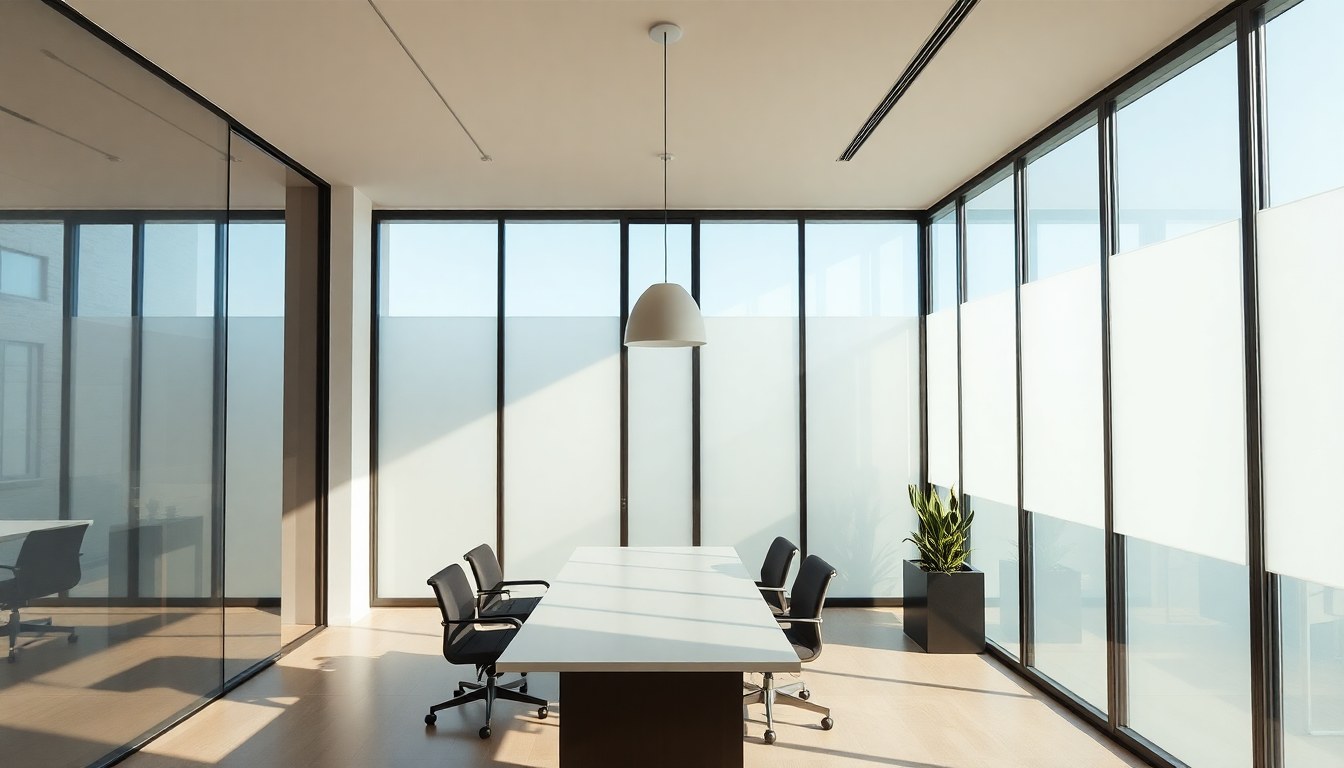
Working from home has become the norm for millions of Indians, but privacy remains a challenge—especially when video calls coincide with curious family members or street-facing windows. Smart glass offers an elegant solution: the ability to switch your windows from crystal-clear to completely opaque at the touch of a button, eliminating the need for traditional blinds, curtains, or shutters. This technology transforms your home office into a professional, distraction-free space while maintaining natural light control and aesthetic appeal.
What Is Smart Glass and How Does It Work?
Smart glass, also known as switchable glass or dynamic glass, uses advanced materials to change opacity electronically. Unlike passive blinds that physically block light, smart glass modifies its molecular structure in response to an electrical current, allowing you to adjust transparency without moving parts. The two most common technologies for home offices are electrochromic glass and PDLC (Polymer Dispersed Liquid Crystal) glass.
Electrochromic glass contains a thin coating of metal oxides that darken when voltage is applied, similar to how the visors in welding helmets work. PDLC glass, on the other hand, uses suspended liquid crystals that align when powered, creating an opaque white appearance. Both technologies are reversible—turn off the power, and the glass returns to its original state. The switching happens in seconds to minutes, depending on the product, making it ideal for quick privacy adjustments during calls or confidential work.
Electrochromic Glass (EC Glass)
EC glass gradually darkens from clear to a deep tint, similar to sunglasses. It offers smooth, variable opacity levels, allowing you to fine-tune light and privacy. This makes it excellent for managing glare while maintaining partial visibility outside, which many home office workers prefer for connection to their surroundings.
PDLC Glass (Smart Film)
PDLC glass switches between fully transparent and frosted white, with little middle ground. It provides instant, complete privacy and is often easier to retrofit into existing windows using adhesive films. However, it blocks more light entirely when activated, which some users find too stark for all-day use.
Privacy Benefits for Home Office Workers
The primary advantage of smart glass is instant, on-demand privacy without visible hardware. During video conferences, you can activate the glass in seconds—no fumbling with blind cords or adjusting multiple panels. This creates a professional background for clients and colleagues, as the opaque glass appears intentional and modern rather than hastily covered.
Smart glass also protects against shoulder surfing and casual glances at your screen from outside. If you handle sensitive documents, financial data, or confidential client information, this layer of security is invaluable. Additionally, smart glass eliminates the "closed office" feeling that heavy curtains or metal blinds create. You maintain a sense of openness and natural light while retaining complete control over visibility.
- Instant activation: No mechanical operation required; control via remote, app, or wall switch
- Professional appearance: Looks modern and intentional, not improvised
- No maintenance: No dust accumulation on blinds or slats
- Noise reduction: Laminated smart glass can improve sound insulation
- Temperature control: Reduces solar heat gain, lowering AC costs in summer
Cost Comparison: Smart Glass vs. Traditional Blinds
Smart glass is more expensive upfront than traditional blinds, but the comparison depends on quality, size, and installation complexity. For a typical home office window (1.2 m × 1.2 m), here's what you can expect in India:
Traditional Blinds
- Roller blinds (basic): ₹2,000–₹5,000 installed
- Motorized roller blinds: ₹8,000–₹15,000
- Wooden venetian blinds: ₹5,000–₹12,000
- Maintenance cost: Cleaning, repairs, replacement every 5–7 years
Smart Glass
- PDLC smart film (retrofit): ₹15,000–₹35,000 per window
- Electrochromic glass (full replacement): ₹40,000–₹1,00,000+ per window
- Installation: ₹5,000–₹15,000 (varies by complexity)
- Maintenance: Minimal; typically just regular glass cleaning
- Lifespan: 10–15+ years with proper care
While smart glass costs 3–10 times more initially, the long-term value emerges over a decade. You avoid repeated blind replacements, save on cleaning supplies, and potentially reduce energy bills through better thermal management. For permanent home office setups, the investment becomes more justifiable.
Smart Glass Installation for Bangalore Apartments
Installing smart glass in an apartment—especially in Bangalore's competitive rental market—requires careful planning. Most apartment leases prohibit permanent window modifications, making PDLC smart film the preferred choice for renters. However, homeowners have more flexibility and can opt for full glass replacement.
PDLC Smart Film Installation (Renter-Friendly)
Smart film is a self-adhesive or spray-applied polyester layer that adheres directly to existing glass. A professional installer cleans the window thoroughly, applies the film, and connects it to a power supply and control unit. The entire process takes 2–4 hours per window. When you move, the film can be carefully removed without damaging the original glass, making it ideal for rental apartments.
Full Electrochromic Glass Replacement
For homeowners, replacing the entire window with pre-manufactured electrochromic glass provides a seamless, durable solution. This requires removing the old frame and installing new glass units, which typically takes 1–2 days. The process is more invasive but offers superior durability and aesthetic integration.
Key Installation Considerations
- Electrical supply: Smart glass requires a dedicated power line; ensure your home's wiring can accommodate it
- Window orientation: East and west-facing windows benefit most from heat-reducing smart glass
- Apartment society approval: Check your society rules before installation, especially for structural changes
- Warranty: Reputable installers in Bangalore offer 2–5 year warranties on film and glass
- Control systems: Choose between wall switches, remote controls, or smartphone apps based on convenience
Bangalore-based smart glass suppliers and installers are increasingly available in areas like Indiranagar, Koramangala, and Whitefield. Always request multiple quotes and verify installer credentials before committing.
Energy Efficiency and Long-Term Savings
Beyond privacy, smart glass delivers measurable energy benefits. In Bangalore's hot climate, electrochromic glass can reject up to 60% of solar heat when activated, reducing air conditioning load significantly. Over a year, this translates to lower electricity bills—particularly valuable during peak summer months when AC usage peaks.
Smart glass also reduces glare on computer screens, which decreases eye strain and improves productivity. Many home office workers report fewer headaches and better focus after switching to smart glass, offsetting some of the initial cost through improved well-being and work quality.
Choosing the Right Smart Glass for Your Home Office
Selecting between electrochromic and PDLC depends on your priorities. If you value variable light control and gradual privacy, electrochromic glass is worth the investment. If you need complete, instant privacy and prefer a lower cost, PDLC smart film is the practical choice. Consider these factors:
- Budget: PDLC is more affordable for most home offices
- Rental vs. owned: Renters should choose removable smart film; homeowners can invest in full glass replacement
- Window size: Larger windows make smart glass more cost-effective per square meter
- Climate: In hot regions like Bangalore, heat-rejecting smart glass offers greater energy savings
- Aesthetic preference: Electrochromic creates a subtle tint; PDLC creates a frosted appearance
Frequently Asked Questions
Does smart glass work in power cuts?
No. Smart glass requires continuous or at least intermittent electrical power to maintain its state. During a power cut, PDLC film becomes transparent, and electrochromic glass reverts to its clear state. Many installations include battery backup systems or solar charging options to maintain privacy during outages, though these add to the cost.
Can smart glass be installed on any window?
Most windows can accommodate smart glass, but large or unusually shaped windows may require custom solutions. PDLC smart film is more flexible and can be cut to fit irregular shapes. Electrochromic glass typically comes in standard sizes, so custom orders may be necessary. Consult a professional installer to assess your specific windows.
How long does smart glass last?
High-quality PDLC smart film lasts 10–15 years with proper care. Electrochromic glass can last 15–20+ years. Lifespan depends on switching frequency, environmental conditions, and maintenance. Regular cleaning and avoiding mechanical stress extend durability significantly.
Is smart glass worth it for a home office?
For professionals who handle sensitive information, conduct frequent video calls, or value privacy and aesthetics, smart glass is a worthwhile investment. The cost is higher than blinds, but the combination of instant privacy, professional appearance, energy savings, and low maintenance often justifies the expense over 10+ years. Renters may find PDLC smart film particularly appealing due to its removability.
Can I control smart glass from my phone?
Many modern smart glass systems support smartphone apps via Wi-Fi or Bluetooth, allowing remote control from anywhere. However, basic models use wall switches or remote controls. When choosing a system, confirm the control options match your preferences—app control is convenient but adds cost.
Transform your home office into a professional, private space with smart glass technology. Explore verified smart glass suppliers and installers in your city through the Glassy.in directory, where you can compare products, read reviews, and connect with trusted providers across India.