
Smart Glass
Embedded LED Glass Panels: Wiring Safety and Power Requirements for Vadodara Retail Displays
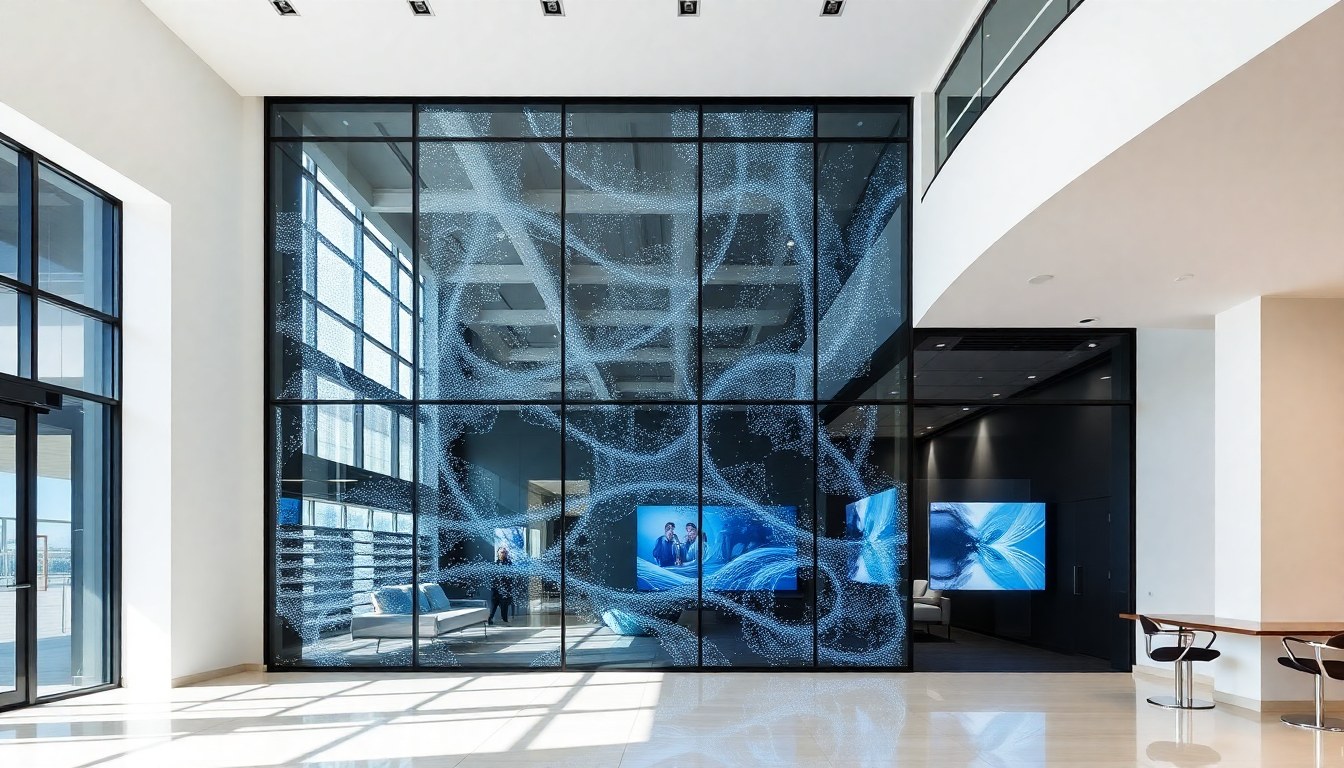
LED-embedded glass panels are transforming retail displays across Vadodara, offering eye-catching signage that combines transparency with dynamic lighting. These smart glass solutions integrate ultra-thin LED strips or modules between laminated glass layers, creating stunning visual effects while maintaining structural integrity. Understanding the electrical specifications, safety standards, and power requirements is essential for retailers, architects, and fabricators looking to implement these systems safely and effectively.
Understanding LED Glass Panel Construction and Lamination Methods
LED glass panels consist of multiple layers bonded together using specialized lamination techniques. The most common construction involves two or more glass panes with LED strips positioned between them, sealed using either Polyvinyl Butyral (PVB) or Ethylene Vinyl Acetate (EVA) interlayers. The lamination process must account for the electrical components while maintaining optical clarity and structural strength.
The PVB lamination method remains the industry standard for LED glass panels, offering excellent adhesion, UV resistance, and acoustic properties. The process requires precise temperature control—typically between 130°C and 145°C—to ensure the interlayer bonds properly without damaging the LED components. EVA lamination operates at slightly lower temperatures (100°C to 120°C) and provides faster processing times, making it suitable for certain retail applications where quick turnaround is essential.
Wire routing within the glass sandwich requires careful planning. Copper wiring typically runs along the edges or in pre-determined channels, with connection points positioned to allow external power access. The thickness of standard LED glass panels ranges from 10mm to 21mm, depending on the size, LED density, and structural requirements. For large retail displays exceeding 2 square meters, thicker configurations with additional support are necessary.
Electrical Specifications and Power Requirements
LED glass panels for retail displays typically operate on low-voltage DC power, usually 12V or 24V systems. The power consumption varies significantly based on LED density, brightness settings, and panel size. A standard 1-square-meter panel with medium LED density (approximately 100 LEDs per square meter) consumes between 15 to 40 watts, while high-density displays can draw up to 80 watts per square meter.
Transformer and Power Supply Sizing
Proper transformer sizing is critical for safe operation and longevity of LED glass displays. The transformer must handle the total wattage of all connected panels plus a 20-30% safety margin to prevent overheating and ensure stable voltage delivery. For example, a retail installation with five 1-square-meter panels at 30 watts each would require a minimum 195-watt transformer (150W × 1.3), though selecting a 200W or 250W unit provides better reliability.
Quality transformers should include built-in protections: short-circuit protection, overload protection, and over-temperature cutoff. IP-rated enclosures (minimum IP65 for indoor retail, IP67 for outdoor installations) protect against dust and moisture. Leading suppliers like Saint Gobain Glass can provide guidance on compatible power systems for their glass products used in LED panel fabrication.
Voltage Drop Calculations
For larger installations spanning several meters, voltage drop becomes a significant concern. Copper wire gauge must be selected based on the total current draw and cable run length. A 24V system tolerates voltage drop better than 12V systems, making it preferable for retail displays exceeding 3 meters in any dimension. Standard practice limits voltage drop to 3% maximum to maintain consistent LED brightness across the entire panel.
BIS Safety Standards and Regulatory Compliance
In India, LED glass panel installations must comply with Bureau of Indian Standards (BIS) regulations, particularly IS 15885 for LED lamps and luminaires, and IS 2026 for electric wiring. The BIS certification ensures that electrical components meet safety requirements for insulation, temperature resistance, and electromagnetic compatibility.
All transformers and LED drivers used in retail installations must carry BIS hallmarking. The wiring within the glass laminate should use copper conductors with insulation rated for the lamination process temperatures—typically silicone or PTFE insulation capable of withstanding 200°C. Connection points must be fully sealed to prevent moisture ingress, which could cause short circuits or corrosion over time.
Fire safety is paramount in retail environments. LED glass panels should incorporate flame-retardant materials in all electrical components, and the installation must include appropriate circuit breakers sized to the total load. For commercial installations in Vadodara, electrical work must be certified by a licensed electrician, and major retail projects may require inspection by local electrical authorities before commissioning.
Installation Best Practices for Retail Environments
Professional installation begins with a detailed electrical plan showing power source locations, cable routing, and transformer placement. In retail settings, transformers are typically concealed in false ceilings, behind display units, or in dedicated electrical enclosures. Accessibility for maintenance must be considered—transformers should be reachable without dismantling the entire display.
Cable management requires careful attention to aesthetics and safety. Surface-mounted conduits should match the interior design scheme, while concealed wiring runs through walls or ceiling voids must follow electrical code requirements for spacing and protection. For frameless LED glass installations, edge-mounted power connections provide the cleanest appearance, with wiring concealed behind mounting hardware or adjacent structures.
- Maintain minimum 50mm clearance around transformers for heat dissipation
- Use strain relief at all connection points to prevent wire fatigue
- Label all circuits clearly for future maintenance and troubleshooting
- Install emergency shutoff switches in easily accessible locations
- Provide dedicated circuits for LED glass panels separate from general lighting
Interior designers working with LED glass panels, such as Nidhi Mehta Interior Design, often coordinate with electrical contractors early in the design phase to ensure seamless integration of these technical elements with the overall aesthetic vision.
Maintenance, Troubleshooting, and Lifespan Considerations
Quality LED glass panels offer operational lifespans of 50,000 to 100,000 hours—equivalent to 10-20 years of typical retail use. However, this longevity depends on proper electrical design and regular maintenance. The transformer typically has a shorter lifespan (30,000-50,000 hours) and represents the component most likely to require replacement during the panel's service life.
Common electrical issues include flickering (often caused by loose connections or inadequate transformer capacity), dimming (voltage drop or LED degradation), and complete failure (transformer malfunction or wiring damage). A systematic troubleshooting approach begins with checking the power supply, then connections, and finally the LEDs themselves. Keeping detailed installation documentation, including wiring diagrams and component specifications, significantly simplifies maintenance.
Preventive maintenance should include quarterly visual inspections of all accessible wiring and connections, annual thermal imaging of transformers to detect overheating, and testing of emergency shutoff systems. For retail installations operating 12-16 hours daily, scheduling maintenance during off-hours minimizes business disruption. Establishing relationships with local glass suppliers like Jagdish Glass Company can provide access to replacement parts and technical support when needed.
Cost Considerations and Return on Investment
LED glass panel systems represent a significant investment, with costs ranging from ₹8,000 to ₹25,000 per square meter depending on LED density, glass quality, and customization requirements. Electrical components add ₹2,000 to ₹5,000 per panel for transformers, wiring, and installation labor. However, the energy efficiency of LED technology—consuming 70-80% less power than traditional illuminated signage—delivers substantial operating cost savings.
For a typical Vadodara retail store operating 12 hours daily, a 5-square-meter LED glass display consuming 150 watts costs approximately ₹540 per month in electricity (at ₹8 per kWh), compared to ₹2,160 for equivalent fluorescent backlit signage. The payback period on the higher initial investment typically ranges from 3 to 5 years, after which the energy savings contribute directly to profitability.
Beyond direct cost savings, LED glass panels enhance brand visibility and customer engagement, potentially increasing foot traffic and sales. The dynamic lighting capabilities allow retailers to adjust displays for different times of day, seasons, or promotional campaigns without physical modifications—a flexibility that traditional signage cannot match.
Frequently Asked Questions
What voltage do LED glass panels require for retail displays?
Most LED glass panels operate on low-voltage DC power, typically 12V or 24V systems. The 24V configuration is preferred for larger retail displays as it experiences less voltage drop over distance and allows for longer cable runs while maintaining consistent brightness. All systems require a transformer to convert standard 230V AC mains power to the appropriate DC voltage.
How much power does a typical retail LED glass panel consume?
Power consumption varies based on panel size and LED density. A standard 1-square-meter panel with medium LED density consumes between 15 to 40 watts, while high-density displays can draw up to 80 watts per square meter. A typical retail storefront installation of 5 square meters would consume approximately 75 to 200 watts total, significantly less than traditional illuminated signage.
Are LED glass panels safe for use in public retail spaces?
Yes, when properly installed according to BIS standards and local electrical codes, LED glass panels are very safe for retail environments. They operate on low voltage (12V or 24V), which poses minimal shock risk. The laminated construction encapsulates all electrical components within the glass, preventing direct contact. All components should carry BIS certification and installation must be performed by licensed electricians.
What is the expected lifespan of LED glass panels?
Quality LED glass panels offer operational lifespans of 50,000 to 100,000 hours, equivalent to 10-20 years of typical retail use at 12 hours per day. The LEDs themselves are extremely durable, while transformers typically require replacement after 30,000-50,000 hours. Proper electrical design, adequate transformer sizing, and regular maintenance significantly extend system lifespan.
Can LED glass panels be dimmed or controlled remotely?
Yes, LED glass panels can incorporate dimming controls and smart automation systems. PWM (Pulse Width Modulation) dimmers allow brightness adjustment from 0-100%, while DMX controllers enable color-changing RGB systems and dynamic lighting effects. Many modern installations include smartphone or computer control, allowing retailers to adjust displays remotely and program automated schedules for different times of day or promotional periods.
Looking for suppliers and installers of LED glass panels in Vadodara? Visit the glassy.in directory to connect with verified glass dealers, fabricators, and interior designers specializing in smart glass solutions for retail applications. Whether you're planning a new storefront or upgrading existing displays, our comprehensive listings help you find the right professionals for your project.