
Smart Glass
Switchable Privacy Glass Installation Cost for Hospital Patient Rooms in 2026
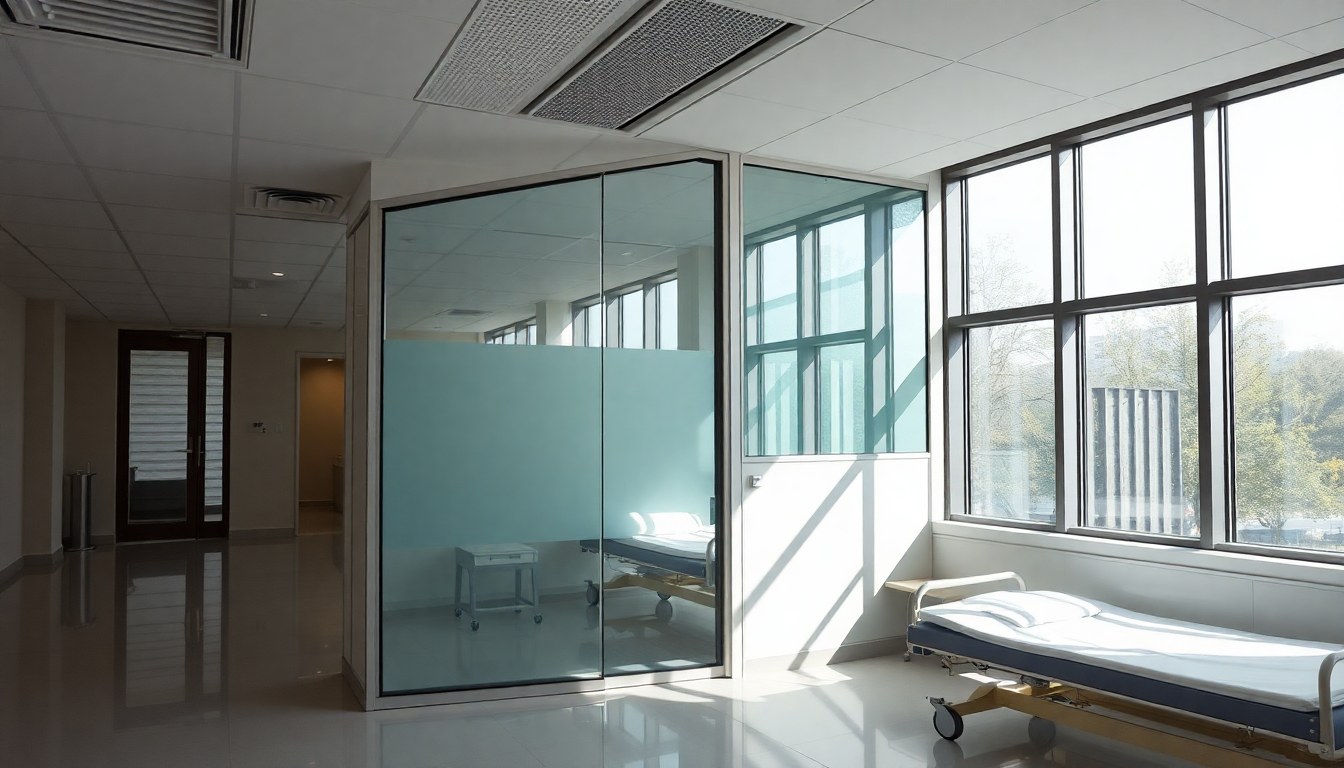
Switchable privacy glass installation in hospital patient rooms typically costs between ₹8,500 and ₹18,000 per square foot in 2026, depending on glass specifications, control systems, and infection-control compliance requirements. This investment delivers instant privacy at the touch of a button while maintaining natural light flow and reducing the need for traditional curtains that harbor bacteria. For healthcare facilities planning renovations or new construction, understanding the complete cost breakdown—from PDLC film and transformers to specialized wiring and control panels—is essential for accurate budgeting.
Understanding PDLC Smart Glass Technology for Healthcare Settings
Polymer Dispersed Liquid Crystal (PDLC) technology forms the foundation of switchable privacy glass used in modern hospital environments. When electrical current flows through the glass, liquid crystal molecules align to create a transparent state. When power is switched off, the molecules scatter randomly, creating an opaque privacy barrier. This technology operates silently and switches states in milliseconds, making it ideal for patient rooms where privacy needs can change instantly.
Healthcare-grade PDLC glass differs from commercial applications in several critical ways. Medical facilities require higher durability specifications to withstand frequent cleaning with hospital-grade disinfectants, enhanced UV resistance for infection control, and fail-safe modes that default to privacy during power outages. These specialized requirements add approximately 15-25% to base material costs but ensure compliance with healthcare standards.
The technology integrates seamlessly with hospital building management systems, allowing nursing stations to control privacy settings remotely during emergencies. This capability proves invaluable during code situations or when patients are unable to operate controls themselves.
Material and Glass Cost Breakdown
The primary cost component for switchable privacy glass installations centers on the PDLC glass panels themselves. In 2026, healthcare-grade PDLC glass ranges from ₹6,500 to ₹12,000 per square foot for the glass material alone. Standard patient room installations typically require 40-80 square feet of smart glass, depending on window and partition configurations.
Glass Specifications and Pricing Tiers
Basic PDLC laminated glass suitable for interior partitions starts at ₹6,500-₹8,000 per square foot. Mid-range options with enhanced durability and better optical clarity range from ₹8,500-₹11,000 per square foot. Premium healthcare-grade installations with antimicrobial coatings, superior switching speed, and extended warranties reach ₹12,000-₹15,000 per square foot.
Tempered safety glass backing adds ₹800-₹1,200 per square foot but remains mandatory for hospital applications to meet safety codes. Insulated glass units (IGUs) that incorporate PDLC technology for exterior windows cost an additional ₹2,500-₹4,000 per square foot due to the dual-pane construction required for thermal performance.
- Standard interior partition PDLC glass: ₹6,500-₹8,000/sq ft
- Healthcare-grade with antimicrobial coating: ₹9,000-₹11,000/sq ft
- Exterior-rated IGU with PDLC: ₹14,000-₹18,000/sq ft
- Fire-rated PDLC glass (60-90 minute rating): ₹16,000-₹22,000/sq ft
Electrical Components and Control Systems
PDLC glass requires specialized electrical infrastructure that accounts for 20-30% of total installation costs. Each glass panel needs a dedicated transformer to convert standard 230V AC power to the low-voltage DC current (48-65V) required for PDLC operation. Transformers cost between ₹4,500 and ₹12,000 per panel depending on wattage capacity and brand.
Control panels represent another significant expense, ranging from ₹8,000 for basic wall-mounted switches to ₹45,000 for sophisticated touchscreen interfaces integrated with nurse call systems. Many hospitals opt for multi-zone control panels at ₹25,000-₹35,000 that allow nursing staff to manage privacy settings for multiple rooms from a central location.
Smart Integration and Automation
Modern hospital installations increasingly incorporate smart building integration, adding ₹15,000-₹40,000 per room for connectivity hardware and programming. These systems enable automated privacy scheduling, occupancy-based switching, and integration with electronic health record systems. While the upfront cost is substantial, automated systems reduce staff workload and improve patient satisfaction scores.
Wireless control options using Bluetooth or Wi-Fi add ₹6,000-₹12,000 per room but eliminate complex wiring runs. Battery backup systems that maintain privacy during power outages cost ₹8,000-₹18,000 per room depending on runtime requirements, though many facilities consider them essential for patient dignity during emergencies.
Installation Labor and Compliance Costs
Professional installation labor for hospital-grade switchable glass typically costs ₹1,200-₹2,500 per square foot, significantly higher than commercial installations due to infection-control protocols and healthcare facility access restrictions. Installers must work during specific hours to minimize patient disruption, often requiring night or weekend shifts that command premium rates.
Specialized firms experienced in healthcare installations ensure proper sealing to prevent moisture infiltration and bacterial growth. Working with experienced professionals like Studio Aoi Architects who understand hospital design requirements can streamline the integration of smart glass systems with overall facility planning.
Infection Control and Healthcare Compliance
Meeting infection-control standards adds ₹500-₹1,500 per square foot to installation costs. This includes antimicrobial sealants, specialized framing systems with minimal crevices for bacterial accumulation, and documentation for Joint Commission or NABH accreditation reviews. All electrical components must meet IP65 or higher ratings for cleanability with hospital-grade disinfectants.
Fire safety compliance requires fire-rated framing systems and proper compartmentalization, adding ₹800-₹2,000 per opening. Acoustic performance specifications for patient privacy may necessitate additional sound-dampening measures, increasing costs by ₹600-₹1,200 per square foot for STC-rated installations above 40.
Ongoing Maintenance and Operational Costs
Annual maintenance contracts for hospital switchable glass systems range from ₹12,000 to ₹35,000 per room, covering transformer inspections, control system updates, and emergency service calls. These contracts prove cost-effective compared to per-incident service calls that can exceed ₹8,000 for after-hours emergency repairs.
Power consumption for PDLC glass remains minimal, typically adding only ₹200-₹400 annually per room to electricity costs. The glass draws power only in the transparent state; the opaque privacy mode requires no electricity, making it energy-efficient for applications where privacy is the default setting.
Replacement parts inventory adds ₹15,000-₹25,000 to initial budgets for facilities installing smart glass in multiple rooms. Stocking spare transformers, control panels, and connectors ensures rapid repairs without waiting for manufacturer shipments. For interior design elements that complement smart glass installations, specialists like Home plus interior can help create cohesive patient room aesthetics.
Cost Comparison and Return on Investment
Traditional privacy solutions like curtains and blinds cost significantly less upfront—₹8,000-₹25,000 per patient room—but carry hidden long-term expenses. Fabric curtains require replacement every 18-24 months due to infection control protocols, costing ₹6,000-₹12,000 per replacement cycle. They also harbor bacteria and require frequent laundering that costs ₹300-₹500 per room monthly.
Switchable privacy glass eliminates these recurring costs while improving patient satisfaction scores that directly impact hospital reimbursement rates. Facilities report 15-30% improvements in privacy-related patient satisfaction metrics after smart glass installation. The enhanced natural light exposure also correlates with faster patient recovery times and reduced medication needs in several studies.
- Traditional curtain systems: ₹8,000-₹25,000 initial + ₹6,000-₹12,000 biannual replacement
- Motorized blinds: ₹35,000-₹65,000 initial + ₹4,000-₹8,000 annual maintenance
- PDLC smart glass: ₹3,40,000-₹14,40,000 initial + ₹12,000-₹35,000 annual maintenance
Most healthcare facilities achieve ROI within 7-12 years when factoring in reduced replacement costs, improved patient satisfaction scores, and decreased housekeeping labor. Premium facilities targeting medical tourism or VIP patient segments often justify costs through enhanced perceived value and competitive differentiation.
Frequently Asked Questions
What is the average cost per patient room for complete switchable glass installation?
A typical hospital patient room with 50-60 square feet of switchable privacy glass costs between ₹4,25,000 and ₹10,80,000 for complete installation in 2026. This includes PDLC glass panels, electrical infrastructure, control systems, professional installation labor, and compliance certifications. Costs vary based on glass specifications, control sophistication, and existing electrical infrastructure. Rooms requiring exterior-rated insulated glass units or fire-rated assemblies fall at the higher end of this range.
How long does switchable privacy glass last in hospital environments?
Healthcare-grade PDLC smart glass typically maintains full functionality for 15-20 years with proper maintenance, significantly outlasting traditional privacy curtains that require replacement every 18-24 months. The PDLC film itself carries warranties of 10-15 years, while the glass substrate lasts indefinitely. Electrical components like transformers and control panels may need replacement after 10-12 years. Regular maintenance and using hospital-approved cleaning solutions extend service life and maintain optical clarity throughout the warranty period.
Can switchable glass be retrofitted into existing hospital patient rooms?
Yes, retrofitting existing patient rooms with switchable privacy glass is feasible but costs 15-25% more than new construction installations due to demolition, disposal of existing glazing, and integration with established electrical systems. Retrofit projects require careful assessment of structural support for heavier PDLC glass panels and may need upgraded electrical circuits. Working with firms experienced in healthcare renovations, such as naksa office godda, ensures minimal disruption to ongoing patient care during installation.
What are the power requirements for PDLC smart glass in patient rooms?
PDLC smart glass operates on low-voltage DC power (48-65V) converted from standard 230V AC hospital power through dedicated transformers. A typical patient room installation draws 3-7 watts per square foot when in transparent mode and zero watts in opaque privacy mode. Total power consumption remains negligible—approximately 150-400 watts per room when transparent—less than a standard light bulb. Battery backup systems for emergency privacy protection add 50-100 watts to the load during charging cycles.
Does switchable privacy glass meet infection control standards for hospitals?
Yes, healthcare-grade switchable privacy glass meets stringent infection control requirements when properly specified and installed. The non-porous glass surface resists bacterial colonization and withstands repeated cleaning with hospital-grade disinfectants including quaternary ammonium compounds and bleach solutions. Antimicrobial coatings available on premium products provide additional protection. Proper installation with medical-grade sealants and minimal-crevice framing systems prevents moisture accumulation and microbial growth. Most manufacturers provide documentation supporting NABH, Joint Commission, and other healthcare accreditation requirements.
Planning a hospital renovation or new patient wing with switchable privacy glass? Connect with experienced glass suppliers, installers, and healthcare design specialists through the glassy.in directory to receive competitive quotes and expert guidance on smart glass solutions tailored to your facility's specific needs and budget requirements.