
Smart Glass
Smartglass Switchable Glass Technology: Cost vs Benefit for Home Offices
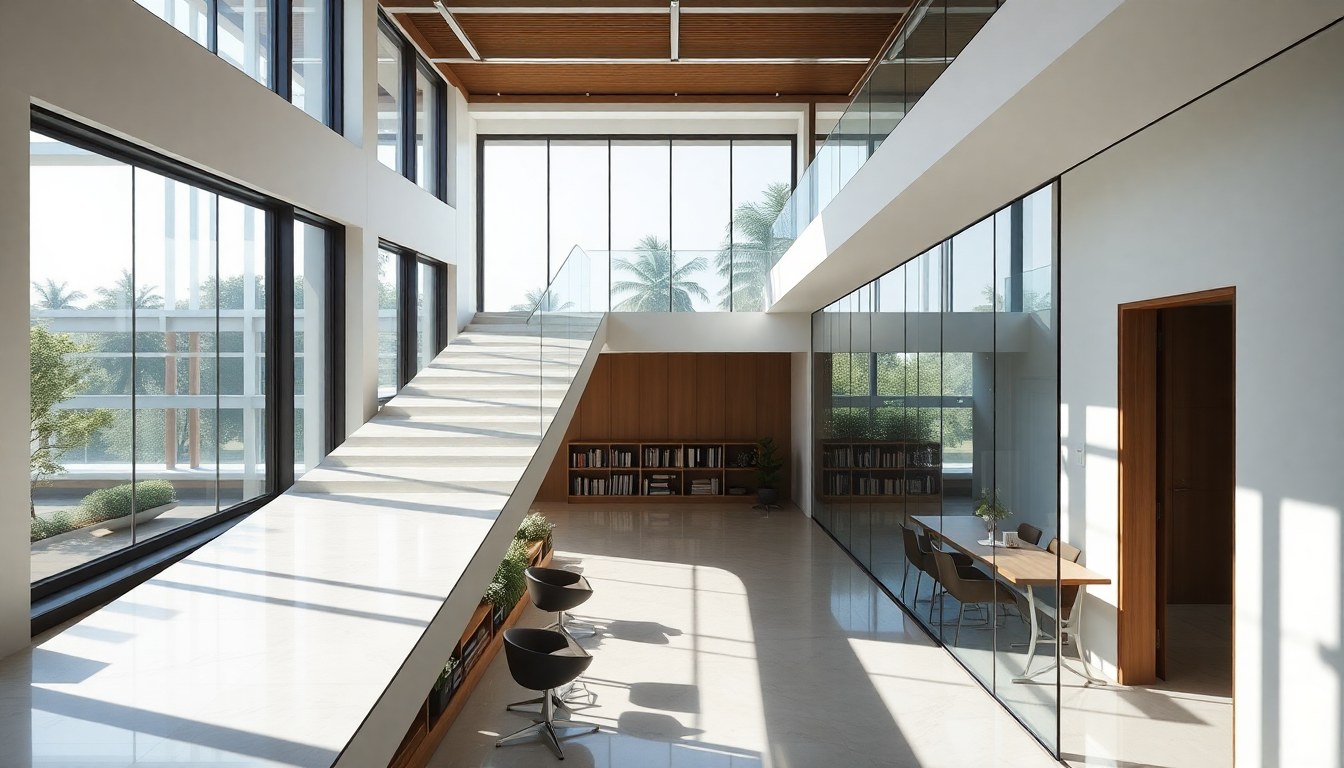
As remote work becomes permanent for millions of Indian professionals, home office design has evolved beyond a desk and chair. Smart glass—also called switchable glass or electrochromic glass—promises instant privacy, glare reduction, and modern aesthetics at the flip of a switch. But with costs ranging from ₹8,000 to ₹50,000 per square meter installed, the question remains: does the technology justify the expense for residential use?
What Is Smartglass Switchable Technology?
Smartglass, or electrochromic glass, is a specialized window coating that changes opacity on demand. When electrical current passes through the glass, microscopic particles within the electrochromic layer shift state, darkening or clearing the glass instantly. Unlike traditional blinds or curtains, this transition happens electronically without moving parts, dust accumulation, or maintenance headaches.
The technology relies on five layers: two transparent conductive coatings, an electrochromic material (usually tungsten oxide), an ion conductor, and a counter-electrode layer. When activated via a wall switch, app, or timer, ions move through the conductor, triggering the color change. The process is reversible—switch it off and the glass returns to clear.
How Electrochromic Glass Works
The electrochromic effect occurs at a molecular level. When voltage is applied, lithium ions migrate through the ion conductor, causing the tungsten oxide layer to absorb light. This darkening happens uniformly across the entire pane within seconds to minutes, depending on the glass size and power supply. Removing the voltage reverses the process, restoring transparency.
Cost Breakdown for Home Office Installation
Understanding the true cost of smartglass requires looking beyond the per-square-meter price. Installation, electrical infrastructure, control systems, and ongoing power consumption all factor into the total investment.
Material and Installation Costs
- Glass material: ₹8,000–₹15,000 per square meter for quality electrochromic panels
- Installation labor: ₹2,000–₹5,000 per square meter depending on window complexity
- Electrical wiring and control unit: ₹15,000–₹40,000 for a single-room setup
- Smart home integration: ₹5,000–₹20,000 for app-based controls and automation
A typical home office window (3 square meters) would cost approximately ₹30,000–₹60,000 for material and installation alone. Add electrical infrastructure and smart controls, and the total reaches ₹50,000–₹85,000 for a single window.
Power Consumption and Operating Costs
Smartglass consumes electricity only during state transitions—darkening or clearing. Once set to a desired opacity, it draws minimal power. A typical electrochromic window uses 1–3 watts per square meter during activation and near-zero watts in standby. For a 3-square-meter window darkening twice daily for 30 seconds each, annual electricity cost is roughly ₹50–₹150, making power consumption negligible for residential users.
Privacy and Productivity Benefits
The primary appeal of smartglass for home offices lies in instant, controllable privacy without the visual clutter of blinds or curtains. For professionals managing video calls, client meetings, or sensitive work, this advantage is tangible.
On-Demand Privacy Without Visual Obstruction
Traditional window treatments block light entirely when closed, darkening rooms and requiring manual adjustment. Smartglass offers graduated opacity—from fully transparent to opaque—allowing you to maintain natural light while blocking external views. During a video call, you can darken the window in seconds without disrupting your workspace's visual flow. After the call, restore transparency instantly.
For homes in busy neighborhoods or apartment complexes in cities like Mumbai, Bangalore, or Delhi, this feature eliminates the need for permanent fixtures that consume floor space or require daily adjustment.
Glare Reduction and Eye Comfort
Smartglass reduces glare by 60–80% when partially or fully activated, depending on the specific product. For professionals spending 8+ hours daily at screens, reduced glare decreases eye strain and improves focus. Unlike tinted windows, which reduce glare permanently and darken the room, smartglass lets you control the effect in real time.
Energy Efficiency and Thermal Control
While smartglass doesn't insulate like double-glazed windows, electrochromic technology does reduce solar heat gain, potentially lowering air-conditioning costs during summer months.
Heat Rejection and Cooling Savings
When activated to full opacity, smartglass blocks up to 60–70% of infrared radiation, reducing the heat entering your home office. In Indian climates, particularly in cities like Chennai, Hyderabad, and Pune where summers are intense, this translates to measurable cooling savings. Studies indicate 10–20% reduction in AC usage for rooms with smartglass windows, though actual savings depend on window size, orientation, and climate zone.
For a home office with a 3-square-meter south-facing window in a hot climate, annual cooling savings might reach ₹2,000–₹4,000. Over a 20-year lifespan, this adds up—but it's modest compared to the upfront investment.
Winter Considerations
In India's cooler regions (northern states, hill stations), smartglass offers less benefit during winter since you'd want maximum solar heat gain. The technology is most cost-effective in consistently warm climates or for offices with significant summer cooling demands.
Practical Considerations and Limitations
Before investing in smartglass, evaluate whether your home office genuinely needs it. Several practical factors may influence your decision.
Installation Challenges
Smartglass requires professional installation and electrical integration. If your home office window lacks nearby power outlets or electrical infrastructure, retrofitting becomes expensive. New construction or renovation projects integrate smartglass more cost-effectively than retrofitting existing windows. Additionally, if your window frame is non-standard or damaged, replacement costs multiply.
Durability and Maintenance
Quality smartglass lasts 20–30 years with minimal maintenance. Unlike motorized blinds with moving parts, electrochromic glass has no mechanical components to fail. However, the electrical control system requires occasional inspection, and the glass itself needs occasional cleaning like any window. Accidental damage (impact, scratches) is irreparable—the entire pane must be replaced, costing ₹8,000–₹15,000 per square meter.
Aesthetic and Functional Trade-offs
When fully opaque, smartglass appears milky or frosted, not completely black. For offices requiring absolute darkness (for projector use or light-sensitive work), traditional blackout curtains remain superior. Additionally, partially tinted smartglass can affect color perception—important if your work involves design, photography, or color-critical tasks.
ROI and When Smartglass Makes Sense
The return on investment for smartglass in home offices is primarily non-financial. Quantifiable returns (energy savings) are modest, but qualitative benefits (privacy, convenience, aesthetics) may justify the cost for specific situations.
Ideal Use Cases
- High-privacy professions: Lawyers, financial advisors, healthcare professionals, and consultants handling confidential information benefit most from instant privacy control.
- Frequent video conferencing: Professionals with multiple daily calls appreciate the ability to manage background and glare without disrupting workflow.
- Bright, hot-climate locations: Homes in south-facing rooms or hot Indian cities maximize cooling benefits.
- Premium residential projects: New homes or renovations where smartglass integrates seamlessly with smart home systems.
- Rental or commercial home offices: Professionals renting dedicated spaces may find smartglass justifies the investment for client-facing environments.
When Traditional Solutions Suffice
If your home office has adequate privacy from neighbors, minimal glare issues, or limited budget, traditional solutions deliver better value. High-quality motorized roller blinds cost ₹5,000–₹15,000 per window, offer complete darkness, and require no electrical infrastructure. Cellular blinds provide insulation and privacy at ₹3,000–₹8,000. For most residential users, these options balance cost, functionality, and aesthetics effectively.
Frequently Asked Questions
How much does smartglass cost to install in India?
Smartglass installation typically costs ₹50,000–₹85,000 for a single home office window (3 square meters) including material, labor, and electrical integration. Material alone ranges from ₹8,000–₹15,000 per square meter, with installation labor adding ₹2,000–₹5,000 per square meter. Control systems and smart home integration add ₹20,000–₹60,000 depending on complexity.
Does smartglass really save money on electricity bills?
Smartglass saves money primarily through reduced air-conditioning costs in hot climates. Annual savings typically range from ₹2,000–₹4,000 for a 3-square-meter window in consistently warm regions. However, the upfront investment of ₹50,000–₹85,000 means payback periods exceed 15–20 years, making energy savings a secondary benefit rather than the primary justification.
Can I install smartglass in an existing window frame?
Yes, but retrofitting is more expensive and complex than installing in new construction. The existing window frame must be compatible, and electrical infrastructure must be added. If your current window is damaged or non-standard, replacement becomes necessary, significantly increasing costs. Professional assessment is essential before committing.
What happens to smartglass if the power goes out?
Smartglass remains in its last state—if it was clear when power failed, it stays clear; if opaque, it remains opaque. The glass doesn't revert or change on its own. To restore normal operation, power must be restored. For critical privacy needs, smartglass shouldn't be your only solution during frequent power cuts.
Is smartglass worth it for a home office in India?
Smartglass is worth it if you prioritize privacy, convenience, and modern aesthetics over pure financial ROI. For high-privacy professions, frequent video conferencing, and homes in hot climates, the benefits justify the cost. For casual remote workers in moderate climates with adequate existing privacy, traditional window treatments offer better value. Evaluate your specific needs before deciding.
Make an Informed Decision
Smartglass switchable technology is genuinely innovative, but it's not universally necessary for home offices. The decision ultimately depends on your profession, climate, budget, and workspace priorities. If you're ready to explore smartglass options or want to compare suppliers in your city, visit the glassy.in directory to connect with verified glass manufacturers and installers across India. Our platform helps you request quotes, compare pricing, and read reviews from other homeowners who've invested in smart glass solutions.