
Toughened Glass
Shopfront Glass Displays: Tempered vs Laminated for Retail Safety
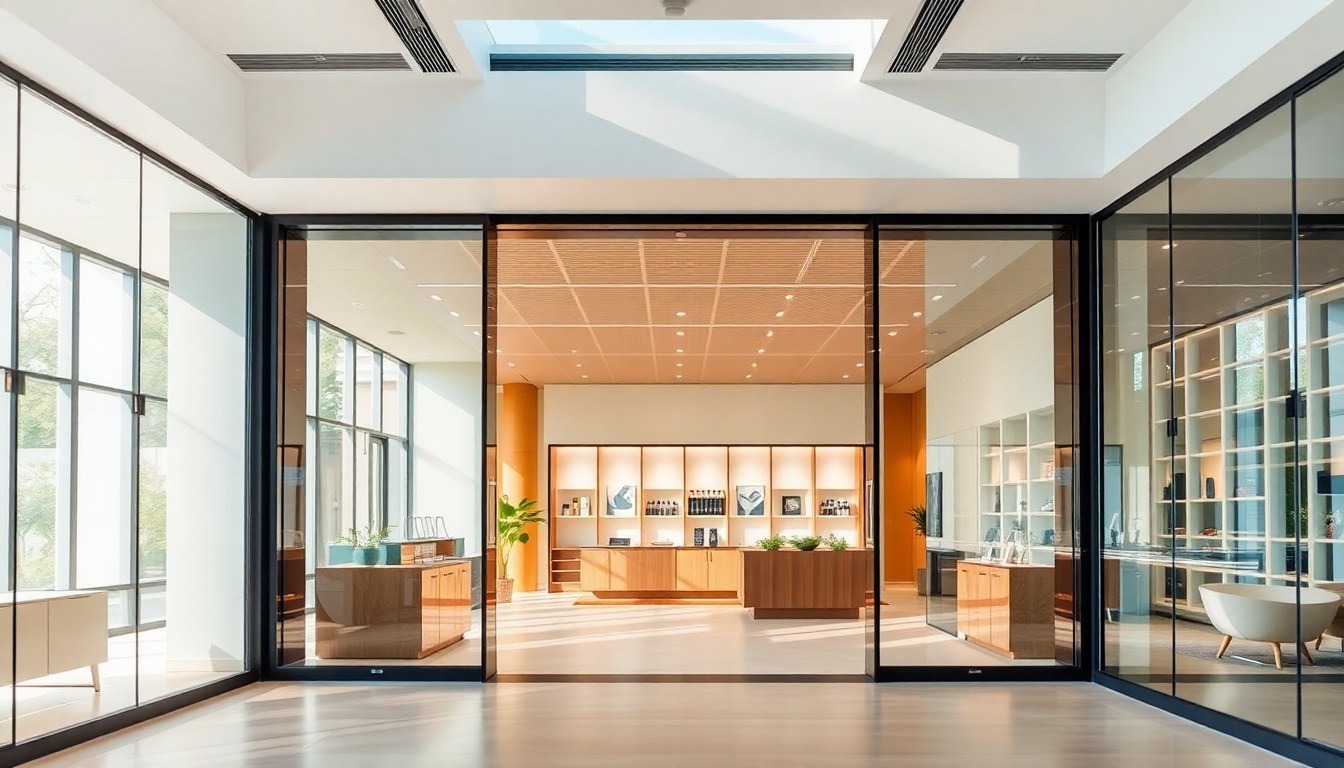
Your shopfront glass is the first line of defense against break-ins, accidents, and liability claims. Tempered and laminated glass offer fundamentally different protection strategies, and choosing the wrong one can cost your retail business thousands in damage, theft, or legal expenses. This guide compares both options across impact resistance, security, design flexibility, and installation, so you can make an informed decision for your Mumbai or Ahmedabad storefront.
Understanding Tempered Glass for Retail Displays
Tempered glass is ordinary annealed glass that has been heat-treated to increase its strength. During the tempering process, the glass is heated to approximately 620°C and then rapidly cooled, creating internal stress that makes it 4–5 times stronger than untreated glass. This process is permanent and cannot be reversed.
For retail shopfronts, tempered glass excels at handling thermal stress and sudden impacts from weather, vibrations from traffic, or accidental collisions. When tempered glass does break, it shatters into small, relatively harmless granules rather than sharp shards—a safety feature that reduces injury risk to customers and staff. However, this same property creates a significant drawback: once broken, the entire panel loses structural integrity and must be replaced immediately.
Advantages of Tempered Glass
- Superior impact resistance: Handles accidental bumps, weather extremes, and vibrations without cracking.
- Safety on breakage: Crumbles into small, blunt pieces rather than dangerous shards.
- Cost-effective: Typically 20–30% cheaper than laminated glass of similar thickness.
- Clarity: No visible interlayer; maintains pristine transparency for display visibility.
- Thermal resistance: Performs well in high-temperature environments like kitchens or near heating systems.
Limitations of Tempered Glass
- Complete failure on breakage: One crack means total replacement; no residual strength.
- Poor theft resistance: One well-placed hammer blow breaks the entire panel, allowing quick access to merchandise.
- Cannot be cut or modified: Must be ordered to exact specifications; on-site alterations are impossible.
- Spontaneous breakage risk: Rare, but nickel sulfide inclusions can cause spontaneous shattering months or years after installation.
Understanding Laminated Glass for Retail Displays
Laminated glass consists of two or more glass panes bonded together by an interlayer, typically made of polyvinyl butyral (PVB) or ethylene-vinyl acetate (EVA). The interlayer acts as an adhesive and shock absorber, holding the glass together even after impact. This construction creates a "fail-safe" design where the glass can crack but remains structurally intact.
Laminated glass is the industry standard for high-security retail environments, jewelry stores, and luxury boutiques. Even when struck hard enough to shatter, the interlayer prevents the glass from separating, making it extremely difficult and time-consuming for thieves to breach. The longer a burglar takes, the higher the risk of detection—which is precisely why laminated glass deters break-ins so effectively.
Advantages of Laminated Glass
- Exceptional theft prevention: Remains intact after impact, requiring sustained effort to penetrate.
- Structural integrity after damage: Cracked but held together; provides time to repair or reinforce.
- UV protection: The interlayer blocks up to 99% of UV rays, protecting merchandise from fading.
- Sound insulation: Reduces external noise, creating a quieter shopping environment.
- Flexibility in design: Can be tinted, colored, or printed for branding and privacy.
- Post-installation modifications: Can be cut or shaped after installation if needed.
Limitations of Laminated Glass
- Higher cost: Typically 50–100% more expensive than tempered glass, depending on interlayer thickness.
- Visible interlayer: Creates a slight haze or milky appearance, especially in thick laminates.
- Slower impact response: Requires thicker construction to match tempered glass strength.
- Interlayer degradation: Over 20–30 years, the interlayer can discolor or delaminate if exposed to extreme UV or moisture.
- Heavier weight: Requires stronger framing and more robust installation hardware.
Impact Resistance and Safety Comparison
Both tempered and laminated glass resist impacts, but they respond differently. Tempered glass absorbs energy through its rigid structure and either withstands the blow or fails completely. Laminated glass absorbs energy through the flexibility of its interlayer, distributing force across a larger area and preventing catastrophic failure.
In practical retail scenarios, a shopping cart rolling into a display, a child's ball hitting the glass, or a falling object poses minimal risk with either option. However, intentional break-ins or extreme weather events reveal the critical difference: tempered glass creates a clear entry point, while laminated glass forces the intruder to work much harder and longer to create an opening.
For storefronts in high-traffic areas of Mumbai or Ahmedabad where accidental impacts are common, tempered glass is sufficient. For jewelry stores, electronics retailers, or luxury brands where theft is a concern, laminated glass is the safer choice despite higher upfront costs.
Theft Prevention and Security Considerations
Retail theft is a significant concern in Indian cities, and shopfront glass is often the first target. Studies show that burglars spend less than 60 seconds attempting to break into a storefront; if they cannot succeed in that timeframe, they typically move on to easier targets. Laminated glass extends this timeline dramatically.
Tempered glass offers no theft resistance beyond its general strength. A single hammer blow creates a large opening, allowing a thief to grab merchandise and flee within seconds. Laminated glass, by contrast, requires multiple strikes, tools, or sustained effort to create an opening large enough to reach through. Even a 10mm laminated panel can resist repeated hammer blows, buying precious time for alarm systems to alert security or police.
For maximum security, retailers often combine laminated glass with:
- Security film applied to the inner surface to further slow penetration
- Alarm sensors that trigger immediately upon glass disturbance
- CCTV cameras positioned to capture faces and details
- Reinforced frames and locks that secure the glass panel mechanically
Design Flexibility and Aesthetic Considerations
Tempered glass offers superior optical clarity because it lacks a visible interlayer. For retailers who prioritize unobstructed views of merchandise—such as jewelry stores, art galleries, or high-end fashion boutiques—tempered glass provides a cleaner aesthetic. The glass appears to disappear, drawing customer attention directly to the products inside.
Laminated glass introduces a subtle haze, especially in thicker constructions (8mm or more). However, modern lamination technology has reduced this effect significantly. More importantly, laminated glass offers design flexibility that tempered glass cannot match:
- Tinting and coloring: Laminated glass can be tinted in any color to match brand identity or reduce glare.
- Digital printing: Logos, promotional images, or privacy patterns can be printed directly onto the interlayer.
- Frosted or textured finishes: Create privacy while maintaining light transmission.
- Post-installation modifications: Laminated glass can be cut to accommodate signage, fixtures, or structural changes after installation.
For retailers seeking both security and branding opportunities, laminated glass with custom printing is increasingly popular in metropolitan areas like Mumbai and Ahmedabad.
Installation Best Practices for Shopfronts
Proper installation is critical for both tempered and laminated glass. Poor installation can negate the safety benefits of either material, creating liability for the retailer.
Tempered Glass Installation
Tempered glass must be ordered to exact specifications because it cannot be cut or drilled after tempering. Work with your glass supplier to ensure accurate measurements, including frame depth, mounting points, and any required cutouts for locks or hardware. Installation typically takes 1–2 days and involves securing the panels in a sturdy aluminum or steel frame with appropriate gaskets and sealants. In Mumbai's humid climate, ensure proper drainage to prevent water accumulation that can corrode frames.
Laminated Glass Installation
Laminated glass can be ordered slightly larger than needed and trimmed on-site, offering flexibility. However, the heavier weight requires stronger frames and more anchoring points. Installation typically takes 2–3 days because the interlayer requires careful handling to avoid air bubbles. Use a qualified installer experienced with laminated glass; improper installation can cause delamination or reduced impact resistance. In Ahmedabad's dry climate, ensure that the glass is protected from extreme temperature fluctuations during installation, which can affect the interlayer's adhesive properties.
Both materials benefit from:
- Professional measurement and site assessment before ordering
- Structural evaluation of existing frames to ensure they can support the glass weight
- Proper sealing and weatherproofing to prevent water ingress
- Regular maintenance, including cleaning and inspection for cracks or damage
- Insurance documentation and safety certifications
Cost Analysis and Long-Term Value
Initial cost is a significant factor for retail businesses. In India, tempered glass typically costs ₹800–₹1,500 per square meter, while laminated glass ranges from ₹1,500–₹3,500 per square meter, depending on thickness and interlayer quality. For a standard 10 square meter shopfront, the difference can be ₹7,000–₹20,000 or more.
However, long-term value must account for replacement, repair, and security costs. A single break-in resulting in merchandise theft can exceed the cost difference between the two materials many times over. Additionally, laminated glass reduces insurance premiums for high-value retail operations, often recovering its cost premium within 2–3 years through lower premiums.
Consider your business profile:
- Low-risk retail (clothing, books, non-luxury items): Tempered glass is cost-effective and adequate.
- High-risk retail (jewelry, electronics, cosmetics): Laminated glass pays for itself through reduced theft and insurance savings.
- Luxury or heritage retail: Laminated glass with custom design is an investment in brand protection and customer experience.
Frequently Asked Questions
Can laminated glass be tempered as well?
No. The tempering process requires rapid cooling that would damage the interlayer. However, laminated glass made with tempered panes (called "tempered laminated" glass) combines the safety of tempered glass with the security of lamination. This option is more expensive but offers superior performance for high-security applications.
How long does tempered glass last in a retail shopfront?
Tempered glass is durable and can last 20–30 years or longer if properly maintained and not damaged by impact. Regular cleaning and inspection for micro-cracks help extend its lifespan. However, once broken, it must be replaced immediately.
Does laminated glass yellow or discolor over time?
High-quality laminated glass with UV-stabilized interlayers resists discoloration for 20–30 years. However, cheaper interlayers or exposure to extreme UV radiation (common in bright, south-facing storefronts in India) can cause yellowing. Specify UV-protective interlayers when ordering.
Which glass is better for earthquake-prone areas?
Laminated glass is superior in seismic zones because it remains intact even after significant impact, reducing the risk of glass fragments falling onto customers or streets. Tempered glass, while strong, creates hazardous debris when it fails. For storefronts in earthquake-prone regions, laminated glass is recommended.
Can I install tempered or laminated glass myself?
Installation should always be performed by qualified professionals. Improper installation can compromise safety, create liability, void warranties, and result in costly repairs. Professional installers in Mumbai and Ahmedabad typically charge ₹500–₹1,500 per square meter for labor, ensuring proper sealing, alignment, and structural integrity.
Conclusion and Next Steps
Choosing between tempered and laminated glass for your shopfront is a decision that balances cost, safety, security, and design. Tempered glass offers affordability and clarity, making it ideal for low-risk retail environments. Laminated glass provides superior theft prevention, UV protection, and design flexibility, justifying its higher cost for high-value merchandise and brand-conscious retailers.
Start by assessing your retail profile: What merchandise do you sell? What is your location's crime rate? What is your budget for installation and maintenance? Once you have clarity, consult with experienced glass suppliers and installers in your city to evaluate structural requirements, local building codes, and insurance implications.
Ready to find the right glass solution for your retail shopfront? Browse verified glass suppliers and installation experts on glassy.in, India's largest glass-business directory. Compare quotes, read reviews, and connect with professionals in Mumbai, Ahmedabad, and across India—all in one place.