
Reflective Glass: Cut Electricity Bills with Energy Efficiency
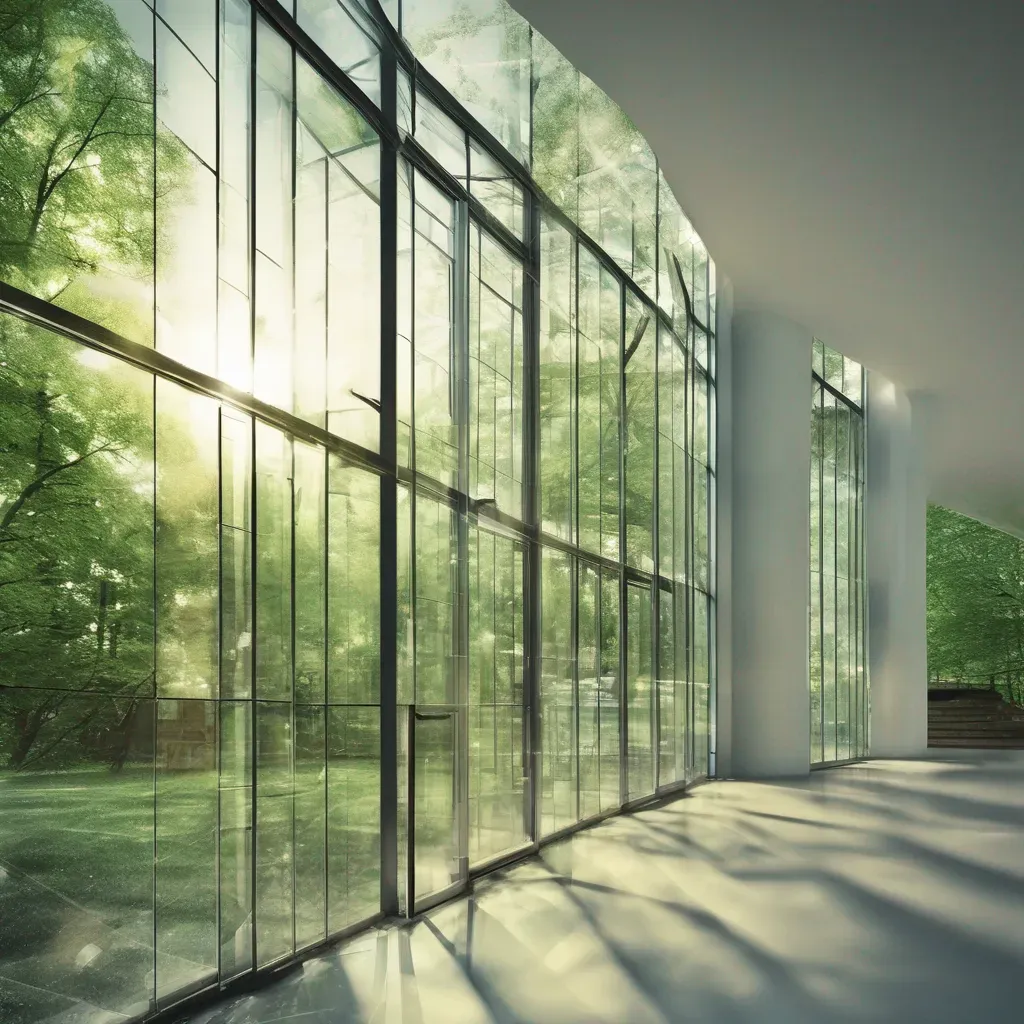
How Reflective Glass Can Reduce Your Electricity Bills
As the world shifts toward energy efficiency and sustainability, smart architecture and interior designs are fast becoming the norm. One material that has been making waves in the sphere of green design is reflective glass. Known for its aesthetic appeal and multi-functional benefits, it’s not just a design element that enhances visual appeal but also a practical solution for reducing energy consumption. In this article, we’ll explore how reflective glass can help you lower your electricity bills while simultaneously elevating the art and beauty of your spaces.
What Is Reflective Glass?
Reflective glass is a type of coated glass that features a thin metallic or oxide layer designed to reflect light and heat. This coating helps control solar heat gain, allowing the glass to block a significant portion of sunlight while still letting sufficient natural light illuminate the interiors. The result? A cooler, more energy-efficient indoor environment that gracefully balances form and function.
Reflective glass is available in a spectrum of shades and textures to complement various aesthetic themes, particularly in spaces that celebrate the interplay between art & glass. Its ability to be customized in terms of color and reflectivity makes it a versatile choice for homeowners and architects alike.
The Connection Between Reflective Glass and Energy Savings
Electricity bills often skyrocket due to our dependence on artificial lighting and air conditioning. Reflective glass helps mitigate both of these energy drains. Here’s how:
1. Regulating Indoor Temperatures
The reflective coating on this type of glass significantly reduces the amount of heat that penetrates your building. By keeping excess heat out during summer, reflective glass helps maintain cooler indoor temperatures, which means your air conditioning system doesn’t have to work overtime to keep your space comfortable.
Similarly, during winter months, reflective glass can act as an insulator, retaining the warmth indoors and reducing heating costs. This dual functionality translates directly into noticeable energy savings, ensuring long-term affordability with a relatively small upfront investment.
2. Maximizing Natural Light
Sunlight is essential for bright and welcoming homes, but excessive glare can make indoor spaces uncomfortable and render artificial lighting necessary even during daylight hours. Reflective glass strikes the perfect balance—it filters sunlight to minimize glare while allowing enough natural light into the room. As a result, you can turn off those energy-guzzling lights and let the brilliance of nature illuminate your space effortlessly.
Integrating Reflective Glass into Artful Spaces
Reflective glass isn’t just about utility—it’s also a canvas for creativity. If you’re passionate about merging artistry with architecture, reflective glass unlocks multiple design possibilities. From creating expansive windows that frame picturesque outdoor views to crafting customized panels and partitions, its versatility ensures every design tells a story. The shimmering, mirrored effect of reflective glass also lends a modern and sophisticated aesthetic to interiors, aligning well with contemporary trends.
When paired with other artistic elements, such as decorative frames or frosted glass, reflective glass can introduce depth, light, and dimension to spaces. A home office bathed in gentle daylight filtered through reflective glass, for instance, becomes both a functional and inspiring zone. Similarly, large reflective glass façades in commercial buildings can transform bland exteriors into artistic masterpieces, blending innovation with sustainability.
To explore premium reflective glass options and their integration into artistic interiors, check out this reflective glass collection.
Eco-Consciousness and Cost Reduction: A Win-Win
Choosing reflective glass is a proactive step in embracing eco-friendly living without compromising on style. Beyond reducing electricity bills, here are a few additional benefits to consider:
Lower Carbon Footprint
When your energy consumption decreases, so does your impact on the environment. Reflective glass ensures that your home or workplace operates more sustainably by cutting dependency on artificial cooling and lighting.
Long-Term Durability
Reflective glass is built to last. It can withstand intense weather conditions, meaning you won’t need frequent replacements or maintenance. This durability ensures cost savings in the long run.
Increased Property Value
Energy-efficient features like reflective glass not only save you money during ownership but also boost the resale value of your property. Eco-conscious buyers are often willing to pay more for homes and offices equipped with sustainable solutions.
For more insights into how glass innovations can elevate your space and save energy, visit Glassy.
Making the Right Choice
When investing in reflective glass, it’s important to assess your specific needs. Depending on your climate, building orientation, and desired aesthetic, the level of reflectivity and tint can make a significant difference. Collaborate with a professional who understands the synergy of functional design and artistic glasswork so you can achieve the perfect balance.
Moreover, don’t overlook your interior design choices when incorporating reflective glass. Its reflective properties can beautifully complement art pieces, textiles, or patterned walls, making it a design element as much as a functional one. With the right execution, reflective glass can seamlessly connect the indoors to the outdoors, creating spatial harmony and inspiring environments.
Final Thoughts
Reflective glass is far more than a utilitarian material. By reducing electricity bills, improving sustainability, and serving as a stunning medium for artistic expression, it exemplifies the marriage of beauty and functionality. Whether you’re renovating a small home, designing a commercial space, or seeking to add a modern touch to your interiors, reflective glass can help turn your vision into a reality while saving you money.
By understanding the benefits and creative possibilities of reflective glass, you’re paving the way for a future where art, sustainability, and innovation coexist. So why not take the first step toward smarter design by exploring premium reflective glass options today? After all, reducing your electricity bills doesn’t have to come at the cost of inspiration—it can be an art in itself.# How Reflective Glass Can Reduce Your Electricity Bills
Reflective glass has become a popular architectural choice in recent years, not only for its aesthetic appeal but also for its exceptional practicality. While we often focus on how glass adds elegance and modernity to residential or commercial spaces, there’s a hidden benefit that deserves attention: reflective glass can significantly reduce electricity bills. Understanding how this innovative material works and why it’s such a game-changer can make all the difference in creating energy-efficient, cost-effective spaces infused with style.
Below, we delve into the science, art, and functionality of reflective glass, explaining how it can help reduce energy bills, while offering compelling insights into its role in the realms of art and design.
The Science Behind Reflective Glass

Reflective glass, also called coated glass, is a marvel of materials technology. It’s treated with a microscopically thin metallic or inorganic coating that alters the way the glass interacts with sunlight. This coating allows the glass to reflect a significant portion of sunlight while permitting light to pass through. Essentially, it filters the sun’s rays, reducing heat transmission and managing solar glare.
The most significant feature of reflective glass is its ability to block ultraviolet (UV) radiation and infrared heat. By doing so, it keeps interiors cooler during warmer months, reducing the load on air conditioning systems. At the same time, reflective glass can help retain heat during colder months, contributing to year-round energy efficiency. In short, reflective glass optimizes the thermal insulation of a building, which is key to saving energy.
Reducing Electricity Bills with Reflective Glass
Let’s break down how reflective glass directly cuts electricity usage and saves you money.
1. Minimizing Air Conditioning Costs
In regions prone to high temperatures, keeping spaces cool can become both a financial and environmental burden. Reflective glass combats this issue by reducing the amount of solar heat that enters your home or office. Temperatures indoors stay naturally more comfortable, and your air conditioning system doesn’t have to work as hard to maintain cooler conditions. This directly results in lower electricity bills, even during peak summer months.
2. Enhancing Natural Light Efficiency
While reflective glass blocks heat, it still allows ample natural light to flood your interiors. Taking advantage of daylight lowers your dependence on artificial lighting, offering another way to save on electricity bills. It’s a win-win: energy efficiency intertwined with well-lit, naturally illuminated spaces that feel bright and inviting.
3. Energy Savings in Winter
During winter months, reflective glass works just as hard to keep your spaces energy efficient. The same coating that reflects sunlight also acts as an insulating layer, helping to prevent heat from escaping. This ensures your heating system doesn’t need to work overtime, reducing energy consumption and expenses year-round.
Art & Glass: Beyond Energy Efficiency
While reflective glass is undeniably a functional material, its contribution to art and design often goes unrecognized. Reflective glass offers architects, designers, and artists a blank canvas for creativity. Its ability to reflect light and surroundings can transform buildings into living works of art. Buildings clad in reflective glass create dynamic interplay between natural elements like sunlight, clouds, and urban landscapes, becoming not just functional spaces but visual masterpieces that evolve with time and weather.
For interior design enthusiasts, reflective glass can be used in smaller-scale applications, such as reflective partitions, decorative panels, or even custom-made furniture. These installations contribute to energy savings while adding a touch of modern sophistication.
Whether it’s in towering city skyscrapers or intricately designed art pieces like glass mosaics, the material blurs the line between functionality and creative expression. Companies like Glassy have been paving the way for innovative glass solutions that merge utility with aesthetics.
Sustainable and Eco-Friendly
Another compelling reason to incorporate reflective glass into your space is its sustainability. We’ve entered a time where environmentally conscious choices are no longer optional—they’re necessary. By cutting energy consumption, reflective glass also helps reduce carbon emissions, offering an eco-friendly option for conscientious homeowners and architects.
When paired with other green technologies, such as solar panels or energy-efficient lighting, reflective glass becomes part of a holistic approach to sustainable living. Companies like Glassy provide eco-conscious glass solutions that align with modern sustainability goals without compromising on style.
Simple Applications of Reflective Glass
Reflective glass can be incorporated into a variety of functional and artistic elements within your spaces. Here are a few examples:
- Skylights and Roof Windows: Maximize natural light while mitigating heat and UV exposure.
- Glass Facades for Buildings: Perfect for commercial spaces aiming to merge sleek aesthetics with energy efficiency.
- Interior Glass Features: Reflective partitions or accent walls that enhance not only energy savings but also the visual dynamics of any room.
- Public and Urban Art: Reflective glass panels can add dimension to sculptures and architectural installations in urban environments.
Whether you’re keen on energy savings, passionate about unique design elements, or both, reflective glass can elevate any project while making it practical and sustainable.
Final Thoughts: An Investment in Artful Efficiency
Reflective glass is more than just a utilitarian material—it’s a catalyst for change in how we design and build spaces. From significantly reducing electricity bills to curating timeless art installations, this innovative material offers advantages that blend seamlessly into areas of architecture, design, and sustainability.
By incorporating reflective glass into your homes, offices, or art projects, you’re not only saving money but also contributing to greener, smarter, and more beautifully designed spaces. Whether you’re intrigued by energy savings or the aesthetic dimensions of reflective glass, its versatile applications make it a powerful investment for the future.
Ready to Explore Reflective Glass?
Discover premium reflective glass solutions tailored to your needs with Glassy. Whether you’re envisioning a striking facade or an energy-efficient interior design project, innovative glass products await.