
Recyclable Glass in Sustainable Construction Strategies
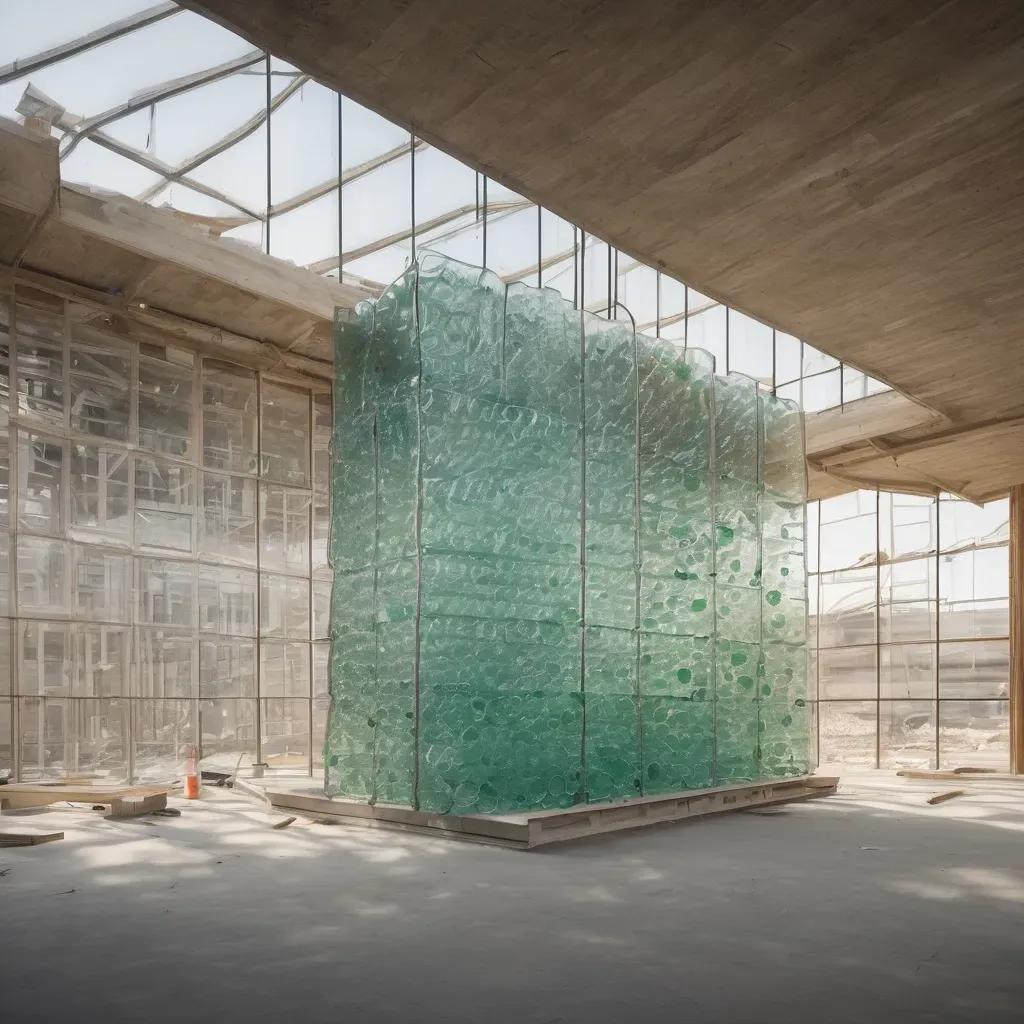
Sustainable Construction: Role of Recyclable Glass
In today’s quest for sustainable development, the construction industry has had to redefine its practices and materials to align with the global need for environmentally responsible solutions. One material at the forefront of this revolution is recyclable glass. Its eco-friendly properties, combined with its versatility and aesthetic appeal, make it an ideal candidate for modern construction — merging functionality, sustainability, and artistry in one.
This article delves into the pivotal role recyclable glass plays in sustainable construction, its implications for architecture and design, and the exciting possibilities it offers to integrate art into building materials.
Why Sustainable Construction Matters
The construction industry accounts for nearly 38% of global CO2 emissions, making sustainability a pressing need. Traditional construction practices not only deplete resources but also generate significant waste that ends up in landfills, impacting ecosystems. To counteract this, sustainable construction incorporates resource-efficient practices and renewable materials.
This is where recyclable materials like glass shine. Unlike conventional materials, glass is highly durable and can be recycled repeatedly without losing its integrity or quality, reducing environmental impact dramatically.
The Unique Properties of Recyclable Glass
Recyclable glass goes beyond being just a responsible choice for sustainability. Its properties make it a prime material for diverse uses in construction and architectural design:
- Infinite Recyclability: Unlike many materials that degrade during recycling, glass can be continuously recycled without compromising its quality. This means less waste and fewer resources extracted from nature.
- Eco-Friendly Manufacturing: Recycled glass reduces the energy-intensive processes associated with creating new glass products, cutting carbon emissions in the process.
- Durability: In its many forms, glass is strong, weather-resistant, and can withstand temperature extremes, making it ideal for long-lasting applications.
- Transparency and Light Optimization: Glass encourages the use of natural light, minimizing the reliance on artificial lighting and enhancing energy efficiency in buildings.
Given these attributes, incorporating recyclable glass into construction projects contributes not only to sustainability goals but also to the creation of energy-efficient, aesthetically appealing structures.
Applications of Recyclable Glass in Sustainable Construction
One of the most exciting things about recyclable glass is its immense versatility. From structural uses to decorative touches, recyclable glass has secured its spot as a material that balances both form and function.
1. Architectural Glass: Beyond the Conventional
Recyclable glass is increasingly being used in facades, windows, and roofing systems to enhance energy efficiency. High-performance glass panels with heat-reflective coatings, for instance, regulate indoor temperatures, reducing reliance on heating and cooling systems. With minimalist designs trending globally, glass façades allow architects to achieve sleek and modern aesthetics while maintaining an eco-conscious approach.
Moreover, artistic building facades made with decorative glass breathe life into urban landscapes. Many designers are now exploring the creative potential of glass as a canvas for art by incorporating patterns, textures, and engraved designs into building exteriors.
2. Recycled Glass Aggregates in Construction Materials
Ground or crushed recycled glass can be turned into aggregates, which are used in concrete, tiles, and paving stones. These applications not only contribute to waste reduction but also offer builders sustainable alternatives to conventional materials, such as gravel or sand, without compromising strength or durability.
These aggregates have begun appearing in both interior and exterior applications, producing smooth finishes that showcase a natural sparkle—an appealing touch for art and design enthusiasts.
3. Artistic Expressions in Interiors
Recyclable glass serves as an element of creative storytelling in interior design. Stained glass panels, recycled glass furniture, and mosaic art pieces add character and uniqueness to spaces. Each recycled piece carries a historical essence, creating a compelling narrative through materiality, form, and color.
As seen on platforms like Glassy, artists and designers are blending sustainable practices with innovation to craft stunning glass masterpieces for modern interiors—sustainable design meeting artistic genius.
4. Energy-Efficient Glass Technology
Advanced technologies, such as low-emissivity (Low-E) glass and solar control glass, are paving the way for greener buildings by optimizing energy use. These glass types, often crafted using recyclable materials, block harmful ultraviolet and infrared rays while allowing natural light to flood spaces. Incorporating such materials into homes and commercial properties aligns perfectly with eco-conscious living.
Merging Art with Innovation in Glass
Glass inherently lends itself to artistic exploration, an attribute that has piqued the interest of art enthusiasts and architects worldwide. From intricate stained glass designs that exude vintage charm to ultra-modern digitally printed surfaces, recyclable glass merges artistic expression with sustainability.
Creative urban projects are increasingly integrating glass sculptures and installations into public spaces, demonstrating how art and glass can shape community engagement. For instance, the use of vibrant, recycled glass mosaics in outdoor gardens or eco-parks not only diverts waste from landfills but creates mesmerizing works of art.
Even on a smaller scale, glass in interiors—whether they’re upcycled glass tabletops, vases, or light fixtures—adds an environmentally friendly touch to home decor while enriching the aesthetic appeal.
Explore platforms like Glassy for inspiration on how glass art is transforming sustainable living spaces.
The Future of Sustainable Construction with Glass
As urban centers grow, there’s no denying that the global demand for sustainable construction materials will intensify. Recyclable glass holds immense potential to address this need. But the journey forward will likely include increased investment in innovative technologies, better waste management systems, and more collaborations between manufacturers, designers, and architects.
Efforts to recycle and upcycle glass waste already contribute significantly to the construction and design industries. And as creative designers find inspiration in the interplay between art, light, and glass, we can expect even bolder, more sustainable applications in the future.
Final Thoughts
Recyclable glass is more than just a sustainable building material — it’s a medium for innovation, design, and artistic expression. Its capacity to merge sustainability with aesthetics holds transformative power to shape not only the construction industry but also global perceptions of eco-friendly living spaces.
Whether you’re designing minimalist glass-clad buildings, crafting recycled-glass furniture, or experimenting with mosaic art in interior projects, one thing is clear: recyclable glass is here to help us redefine sustainable construction with beauty and purpose.
By embracing materials like glass, we’re not just building for the future—we’re proving that sustainability can be as creative and inspiring as it is essential. # Sustainable Construction: Role of Recyclable Glass
As the global focus shifts toward sustainability and environmental accountability, the construction industry has emerged as a vital area for change. A growing demand for eco-friendly materials has led architects, designers, and builders to explore innovative solutions that blend functionality with environmental responsibility. Among these solutions, recyclable glass stands out not only for its sustainable properties but also for its artistic and aesthetic potential.
From reducing environmental waste to promoting artistic design, recyclable glass holds immense promise for sustainable construction. Here’s a closer look at this remarkable material and its role in shaping sustainable architecture.
The Sustainability Factor of Recyclable Glass
Glass is a fascinating material—it’s 100% recyclable without any loss in quality or purity. Unlike many construction materials, it can be endlessly reused, making it a pivotal resource in achieving a circular economy. When glass is recycled, it significantly reduces the need to extract raw materials like sand and limestone, thereby curbing energy consumption and carbon emissions during production.
For construction projects prioritizing sustainability, choosing recyclable glass helps align with eco-friendly goals. From insulating glass panels to decorative facades, glass can be both structurally useful and environmentally responsible.
Further, recycling glass diverts it from landfills, reducing the amount of non-biodegradable waste and contributing to cleaner, greener urban spaces. In a time where construction and demolition waste contribute to the majority of landfill content, pivoting toward recyclable materials like glass is a vital step forward.
Elevating Design Aesthetics with Recyclable Glass
Beyond its sustainability, glass opens up a world of creative possibilities in architecture and interior design. Its clarity, brilliance, and versatility make it a popular choice for modern architects and designers who wish to strike that perfect balance between form and function.
Recyclable glass can be transformed into stunning decorative elements that enhance interior and exterior aesthetics. Whether in the form of colorful glass mosaics, textured privacy panels, or elegant balustrades, the material is ideal for crafting sophisticated and artistic spaces. The integration of glass doesn’t just add beauty; it also emphasizes light, transparency, and openness, characteristics closely tied to contemporary design philosophies.
Take, for example, architectural glass installations in large commercial buildings. By incorporating tempered or laminated glass, designers can create visually striking features such as glass curtain walls. Using recyclable glass in such projects adds not only an eco-conscious element but also transforms mundane structures into artistic works of functional beauty.
For those interested in art and glass, recyclable glass provides a unique medium that connects sustainability with creativity. Artistic expressions leveraging recycled glass, such as chandeliers made from reused bottle glass or intricately crafted stained glass windows, serve as elegant examples of how recycled materials can tell a story while being environmentally responsible.
Technological Advancements in Recyclable Glass
Recent advancements in technology have propelled glass recycling and manufacturing to new heights. Highly efficient recycling processes ensure less energy is utilized, while innovations like smart glass and photovoltaic panels make glass a multi-functional material in sustainable construction.
Smart glass, for instance, uses electrochromic technology to adjust its transparency based on light exposure or user-controlled preferences. This makes buildings more energy-efficient by improving heat regulation and reducing reliance on artificial cooling or heating systems. The ability to use recyclable raw materials in smart glass production makes it a champion of both technology and sustainability.
Similarly, recycled glass is now being integrated into concrete, tiles, and countertops, further diversifying its applications in green construction projects. The enhanced durability and aesthetic appeal of these composite products demonstrate how glass recycling isn’t just about reducing waste—it’s about reimagining waste into works of art and utility.
Role of Recyclable Glass in Green Certification
For construction projects looking to achieve green building certifications such as LEED (Leadership in Energy and Environmental Design), the inclusion of recyclable materials like glass