
Glass Partitions
Mirrored Glass Partitions for Retail Shopfronts: Design & Retail Psychology
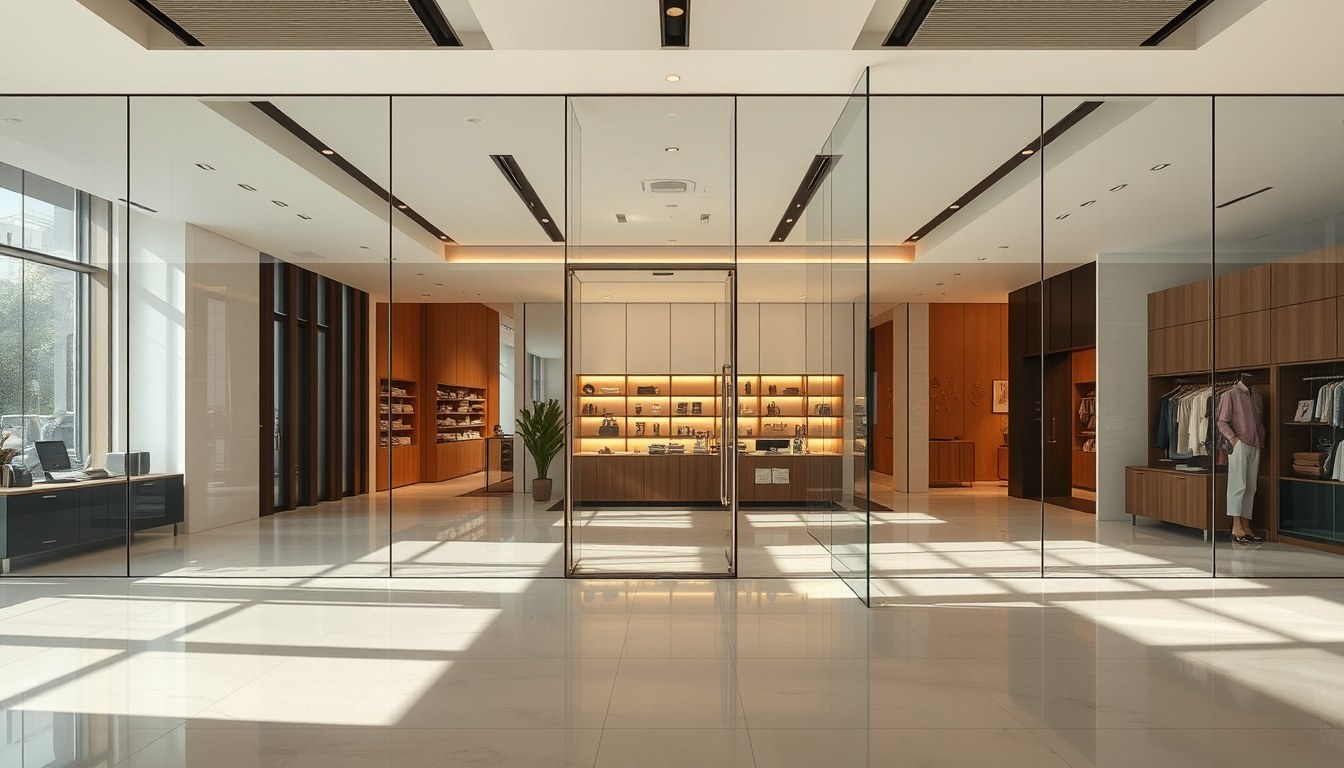
Mirrored glass partitions have become a powerful tool in modern retail design, creating an illusion of expanded space while subtly influencing customer behavior and perception. For boutiques, showrooms, and high-end retail outlets across India, these partitions offer more than aesthetic appeal—they deliver measurable psychological benefits that can increase dwell time and boost sales. This guide explores how mirrored glass partitions work in retail environments, their design applications, cost considerations, and the practical challenges you'll face when installing them.
The Psychology Behind Mirrored Glass in Retail Spaces
Retail psychology reveals that customers spend more time in spaces where they feel comfortable and visually engaged. Mirrored glass partitions tap into this by creating perceived depth and light, making cramped showrooms feel larger and more luxurious. When a customer enters a boutique with mirrored partitions, they unconsciously perceive the space as more spacious, which reduces anxiety and encourages longer browsing sessions.
The mirror effect also creates what designers call "visual multiplication"—products and displays appear doubled or reflected, creating an impression of greater inventory and variety. This psychological trick is particularly effective in fashion boutiques, jewelry showrooms, and cosmetics retailers where perceived abundance influences purchase decisions. Additionally, mirrored surfaces encourage self-awareness in customers, making them more conscious of their appearance and more likely to engage with fashion, beauty, and lifestyle products.
How Mirrors Influence Customer Behavior
Research in environmental psychology shows that mirrors in retail spaces increase customer engagement and reduce checkout anxiety. When customers see themselves in mirrors while shopping, they're more likely to try on products and make impulse purchases. Mirrored partitions strategically placed near fitting rooms or display areas amplify this effect, creating natural focal points that guide customer movement through the store.
Design Applications of Mirrored Glass Partitions in Retail
Mirrored glass partitions work best when integrated thoughtfully into your retail layout. They're not simply decorative—their placement determines their effectiveness in creating visual flow and enhancing product visibility. Understanding where and how to install them is crucial for maximizing their impact.
Creating Visual Expansion in Small Boutiques
Small retail spaces in Indian shopping malls and high streets often suffer from claustrophobic layouts. A mirrored glass partition dividing a 200-square-foot boutique can make it feel 50% larger. The key is positioning mirrors opposite windows or artificial lighting to reflect light deeper into the space. In Bangalore, Mumbai, and Delhi boutiques, this technique has proven invaluable for maximizing premium retail space without expanding the actual footprint.
The most effective approach is to use full-height mirrored partitions (floor to ceiling) rather than partial mirrors. Partial mirrors can create visual confusion and break the illusion of expanded space. When installing in boutiques, ensure the mirror backing is high-quality silver coating to avoid distortion that might make products or customers appear unflattering.
Defining Zones Without Closing Off Space
Mirrored glass partitions excel at creating distinct retail zones—fitting rooms, display areas, storage sections—while maintaining visual openness. Unlike solid walls, mirrored partitions allow customers to see beyond them, creating a sense of continuous space. This is particularly useful in showrooms where you want to separate product categories while keeping the entire store visible from the entrance.
For jewelry showrooms and luxury goods retailers, mirrored partitions can create a semi-private consultation area that still feels connected to the main sales floor. The transparency of glass combined with the reflective quality of mirrors achieves this balance elegantly.
Enhancing Lighting and Ambiance
Mirrored surfaces are natural light amplifiers. In retail spaces with limited natural light, mirrored glass partitions reflect artificial lighting, reducing the need for additional fixtures and lowering energy costs. Strategic placement opposite LED spotlights creates a sophisticated, well-lit environment that makes products appear more attractive and premium.
Cost Considerations for Indian Retailers
The cost of mirrored glass partitions varies significantly based on glass thickness, mirror quality, frame materials, and installation complexity. Understanding the price structure helps you budget effectively for your retail renovation.
Material and Installation Costs
In India, mirrored glass partitions typically cost between ₹800 to ₹2,500 per square foot, depending on quality and specifications. Basic mirrored partitions with aluminum frames start around ₹800–₹1,200 per square foot, while premium options with stainless steel frames and high-grade mirror backing reach ₹2,000–₹2,500 per square foot. Installation adds another ₹200–₹500 per square foot, depending on structural modifications required.
For a typical 10x8 foot partition (80 square feet) in a Mumbai or Bangalore boutique, expect a total cost of ₹80,000–₹2,00,000 including installation. Larger showrooms or multiple partitions may negotiate bulk pricing with suppliers. Always get quotes from multiple glass suppliers in your city—prices vary significantly between regions and suppliers.
Hidden Costs and Budget Planning
Beyond the base cost, factor in these often-overlooked expenses:
- Structural assessment: ₹5,000–₹15,000 to evaluate load-bearing capacity and wall integrity
- Electrical work: If you're installing lighting fixtures alongside partitions, budget ₹10,000–₹30,000
- Maintenance and cleaning supplies: ₹2,000–₹5,000 annually for specialized glass cleaners
- Warranty and repairs: Extended warranties cost 10–15% of the partition cost but provide peace of mind
Maintenance and Durability Challenges
Mirrored glass partitions require consistent maintenance to preserve their aesthetic appeal and reflective quality. Neglecting maintenance can quickly diminish their visual impact and create a dated, poorly maintained appearance that reflects badly on your retail brand.
Cleaning and Fingerprint Management
Mirrored surfaces attract fingerprints, dust, and smudges far more visibly than regular glass. In a busy retail environment, mirrors need daily cleaning to maintain their premium appearance. Use microfiber cloths and pH-neutral glass cleaners specifically formulated for mirrors—harsh chemicals can damage the silver backing over time.
For high-traffic areas, implement a cleaning schedule: morning touch-ups before opening and evening deep cleans after closing. In humid climates like coastal Indian cities (Mumbai, Goa, Kochi), moisture can degrade mirror backing faster, requiring more frequent maintenance and occasional re-silvering of affected sections.
Common Durability Issues
Over 5–10 years, mirrored glass partitions may develop these issues:
- De-silvering: The mirror coating deteriorates, creating dark spots or cloudy areas. This typically starts at edges and corners.
- Seal breakdown: Poor-quality edge sealing allows moisture to penetrate, accelerating de-silvering.
- Stress fractures: Temperature fluctuations or structural movement can cause hairline cracks.
- Frame corrosion: Aluminum frames in humid environments may oxidize unless properly treated.
Quality mirrored glass with proper edge sealing and stainless steel or powder-coated aluminum frames lasts 10–15 years with minimal issues. Budget for professional re-silvering (₹300–₹600 per square foot) every 8–10 years if your partition develops de-silvering.
Design Best Practices for Retail Mirrored Partitions
Successful implementation of mirrored glass partitions requires strategic planning beyond just installation. Consider these design principles to maximize their effectiveness in your retail space.
Positioning and Angle Considerations
Never place mirrors directly opposite each other—they create infinite reflection loops that confuse the eye and feel disorienting. Instead, angle mirrored partitions slightly or position them perpendicular to each other. Opposite mirrors also make it difficult for staff to monitor the store effectively, creating security concerns.
Position mirrored partitions to reflect light sources, not dark corners. A mirror opposite a window amplifies natural light; a mirror facing a dark wall wastes the reflective potential. In showrooms, angle mirrors to reflect product displays, creating visual multiplication that enhances perceived inventory.
Balancing Mirrors with Other Materials
An all-mirrored retail space feels overwhelming and artificial. Balance mirrored partitions with matte glass panels, frosted sections, or solid frames. A 60% mirrored, 40% frosted glass partition creates visual interest while maintaining the space-expanding benefits. This approach also reduces glare and creates a more sophisticated aesthetic suitable for luxury retail.
Compliance and Safety Standards
Ensure your mirrored glass partitions meet Indian building codes and safety standards. Tempered glass is mandatory for partitions in public retail spaces to prevent injury if breakage occurs. Check with local municipal authorities in your city—Delhi, Bangalore, and Mumbai have specific requirements for commercial glass installations. Proper edge finishing and safety seals are non-negotiable for customer-facing partitions.
Frequently Asked Questions
Are mirrored glass partitions suitable for all retail types?
Mirrored partitions work exceptionally well for fashion boutiques, jewelry showrooms, cosmetics stores, and luxury goods retailers. They're less effective in grocery stores, electronics shops, or casual retail environments where they might feel out of place. Consider your brand identity and customer expectations before investing in mirrored partitions. High-end, aspirational brands benefit most from the premium aesthetic they create.
How often do mirrored glass partitions need professional cleaning?
In busy retail environments, professional deep cleaning should occur monthly, with daily in-house maintenance using microfiber cloths. In quieter boutiques, monthly professional cleaning combined with weekly in-house care is sufficient. The frequency depends on foot traffic, humidity levels, and your brand standards. Never use abrasive materials or ammonia-based cleaners that damage mirror backing.
Can mirrored glass partitions be customized or modified after installation?
Basic modifications like adding frosted sections or etched designs are possible but costly (₹500–₹1,500 per square foot). Major changes like repositioning or resizing require removal and reinstallation. It's best to finalize your design before installation. If you anticipate future changes, discuss flexible design options with your glass supplier upfront.
What's the difference between regular mirrors and retail-grade mirrored glass?
Retail-grade mirrored glass uses tempered glass for safety, superior silver coating for clarity, and edge sealing to prevent moisture penetration. Regular mirrors are often annealed (non-tempered) and lack proper sealing, making them unsuitable for commercial retail spaces. The investment in retail-grade materials pays dividends in durability and appearance over 10+ years.
How do mirrored partitions affect retail security and staff visibility?
Poorly placed mirrors create blind spots that compromise security and staff sightlines. Avoid positioning mirrors where they obstruct staff view of the sales floor or fitting rooms. Work with a designer to ensure mirrors enhance rather than hinder visibility. Many successful retailers use mirrored partitions in specific zones while keeping main sales areas open and visible.
Conclusion
Mirrored glass partitions represent a strategic investment in retail design that delivers psychological, aesthetic, and functional benefits. For Indian boutiques and showrooms, they offer a cost-effective way to create luxury ambiance, expand perceived space, and subtly influence customer behavior. However, success requires thoughtful placement, quality materials, and consistent maintenance. Partner with experienced glass suppliers and designers who understand retail psychology and local building codes to maximize your investment.
Ready to transform your retail space with mirrored glass partitions? Explore verified glass suppliers, manufacturers, and retail design specialists in your city through the glassy.in directory. Connect with professionals who understand your market and can deliver solutions tailored to your boutique or showroom.