
Glass Partitions
Mirrored Glass Partitions for Small Spaces: Illusion of Space & Style
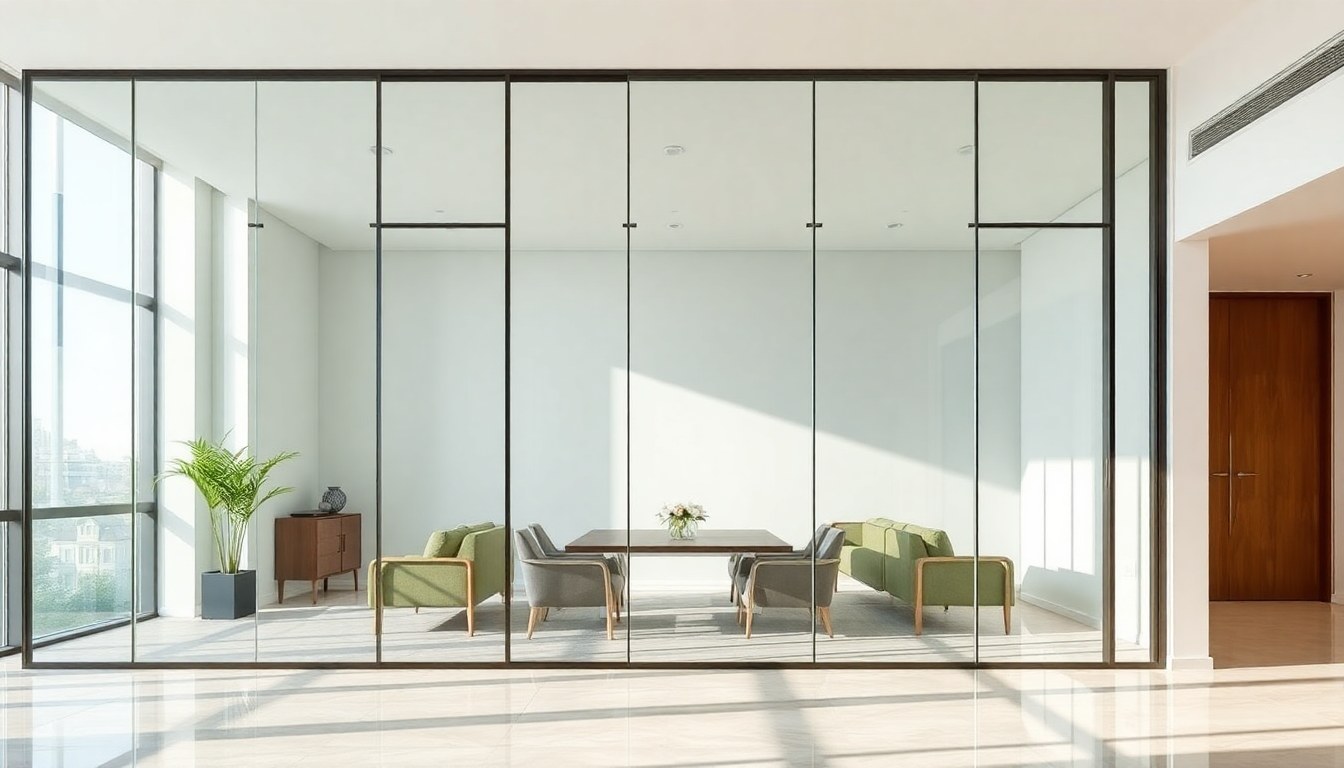
Small studios, compact offices, and cramped co-working spaces face a universal challenge: making limited square footage feel larger and brighter without expensive renovations. Mirrored glass partitions offer a smart, elegant solution that reflects natural light, creates visual depth, and maintains an open, professional aesthetic. Whether you're designing a Bangalore startup hub or a Mumbai design studio, reflective glass partitions can transform how your space feels and functions.
How Mirrored Glass Partitions Create the Illusion of Space
The psychology of mirrors in interior design is straightforward: reflective surfaces bounce light and imagery around a room, making walls appear to recede and spaces feel larger than they actually are. When you install a mirrored glass partition in a small office, it doesn't just divide the room—it multiplies the perceived depth by reflecting the opposite side of the space back into view. This optical effect is particularly powerful in studios with limited natural light or awkward layouts.
Unlike solid walls or opaque partitions, mirrored glass maintains visual continuity across an open floor plan. Employees in one section can see the reflected activity in another, creating a sense of connection and openness even when functional separation is necessary. This balance between privacy and transparency makes mirrored partitions ideal for creative teams, counselling offices, and boutique fitness studios that need both focus areas and visual cohesion.
The Light-Amplification Effect
Natural light is precious in urban Indian office spaces, especially in buildings with limited window access. Mirrored glass partitions act as light multipliers, bouncing sunlight deeper into the interior and reducing reliance on artificial lighting. A single north-facing window can illuminate twice the area when a mirrored partition is positioned strategically to reflect that light across the room. Over a year, this can meaningfully reduce electricity costs in studios and small offices.
The reflection also distributes light more evenly, eliminating dark corners and harsh shadows that plague traditional partitions. This uniform illumination reduces eye strain for employees working long hours and creates a more inviting environment for clients and visitors.
Types of Reflective Glass and Coating Options
Not all mirrored glass partitions are created equal. The market offers several options, each with distinct benefits and trade-offs suited to different budgets and applications.
Full Mirror vs. Partially Reflective Glass
Full mirror partitions deliver maximum reflection and the strongest illusion of space. They're typically made from float glass with a silvered backing applied during manufacturing. However, they can feel overwhelming in very small spaces and may create an unsettling "fun house" effect if overused. Full mirrors are best suited for accent walls or sections of a partition rather than entire room dividers.
Partially reflective glass (also called semi-silvered or one-way mirror glass) offers a subtler aesthetic. It reflects about 50% of light while allowing visibility through the partition. This option is ideal for open offices where you want to suggest separation without creating a hard visual barrier. Partially reflective glass costs slightly less than full mirror and feels more contemporary in modern office design.
Anti-Glare and Low-Emissivity Coatings
Standard mirrored glass can create problematic glare, especially in spaces with bright afternoon sun or strong artificial lighting. Anti-glare coatings reduce reflectivity in specific light wavelengths, minimizing eye discomfort while preserving the space-amplifying effect. These coatings are particularly valuable in design studios, photography offices, and spaces where color accuracy matters.
Low-emissivity (Low-E) coatings serve a different purpose: they reduce heat transfer through the glass, helping regulate room temperature. In Indian climates, especially in cities like Delhi and Ahmedabad where summer temperatures soar, Low-E mirrored partitions can reduce air-conditioning costs while maintaining the aesthetic benefits of reflection. These coatings are invisible to the eye and don't compromise the mirror effect.
Expect to pay a premium for coated options—typically 15–25% more than standard mirrored glass—but the investment pays dividends in comfort and energy efficiency.
Cost Comparison: Mirrored Glass vs. Traditional Mirrors and Other Partitions
Budget is a critical factor in choosing partition systems. Here's how mirrored glass stacks up against alternatives:
- Standard Mirrored Glass Partitions: ₹800–₹1,500 per square meter (installed). Durable, professional, and maintenance-intensive.
- Traditional Mirror Sheets: ₹600–₹1,200 per square meter. Cheaper upfront but prone to tarnishing, requires frequent polishing, and can develop dark spots over years.
- Partially Reflective Glass: ₹1,000–₹1,800 per square meter. More expensive but offers better aesthetics and requires less frequent cleaning.
- Opaque Glass Partitions: ₹700–₹1,400 per square meter. No reflection benefit, but eliminates glare concerns and feels more formal.
- Wooden or Metal Frame Partitions: ₹500–₹1,200 per square meter. Most affordable but don't amplify light or create spatial illusion.
For small spaces under 500 square meters, mirrored glass partitions typically cost ₹40,000–₹75,000 for a complete installation, including framing and hardware. While this is more expensive than basic opaque partitions, the return comes in the form of reduced lighting costs, improved employee perception of space, and enhanced aesthetic value that appeals to clients and investors.
Maintenance and Longevity of Mirrored Glass Partitions
Mirrored surfaces require more upkeep than frosted or opaque glass, but smart maintenance practices keep them looking pristine with minimal effort.
Cleaning Best Practices
Dust and fingerprints show readily on mirrored glass, making regular cleaning essential for a professional appearance. Weekly dry dusting with a microfiber cloth removes surface particles without streaking. For deeper cleaning, use a 50:50 solution of white vinegar and distilled water, spray lightly, and wipe with a lint-free cloth. Avoid commercial glass cleaners containing ammonia, which can damage the silvered backing over time.
In humid environments—common in coastal Indian cities like Mumbai and Kochi—moisture can penetrate the edges of mirrored glass and cause the silvering to deteriorate. Ensure proper sealing around partition edges and maintain humidity levels between 30–50% to prevent this issue. Installing a dehumidifier in very damp spaces is a worthwhile preventive measure.
Longevity and Warranty
Quality mirrored glass partitions last 15–20 years with proper care. Most manufacturers offer 5–10 year warranties covering silvering defects and manufacturing faults. Edge deterioration and backing separation are the most common long-term issues. Reputable glass suppliers in India, particularly in metros like Bangalore and Hyderabad, typically provide comprehensive warranties and maintenance support.
Avoid mounting heavy objects directly on mirrored partitions and protect edges from impact. If a partition is damaged, replacement is usually the most practical solution, as repairing silvering is costly and often invisible seams are difficult to achieve.
Design Tips for Maximizing the Effect in Small Spaces
Strategic placement and design choices amplify the benefits of mirrored glass partitions:
- Position opposite windows: Place mirrored partitions to face natural light sources, maximizing reflection and illumination depth.
- Use partial mirrors strategically: Mirror one wall or section rather than the entire partition to avoid an overwhelming effect in tight spaces.
- Combine with light colors: Pair mirrored partitions with white, cream, or pale neutral walls to enhance the brightening effect.
- Avoid mirrors facing mirrors: Placing two mirrored surfaces opposite each other creates infinite reflection loops that can feel disorienting.
- Incorporate frosted sections: Blend frosted and reflective glass in the same partition for visual interest and reduced glare in specific zones.
- Add strategic lighting: Install LED panels or pendant lights near mirrored partitions to amplify the reflection effect after sunset.
In open-plan offices, mirrored partitions work best as accent features—perhaps dividing a brainstorming area from a quiet focus zone—rather than as the primary architectural element. This balanced approach maintains openness while creating functional zones.
Real-World Applications in Indian Offices and Studios
Mirrored glass partitions have gained popularity in Indian creative hubs and growing corporate spaces. Design agencies in Bangalore frequently use partially reflective glass to create portfolio display areas that reflect the creative energy of the office while maintaining visual separation. Photography studios in Delhi use anti-glare mirrored partitions to create backdrop areas that amplify available light without creating problematic reflections in photos.
Boutique fitness studios in Mumbai and Pune have embraced mirrored partitions to expand the perceived size of workout spaces, making compact studios feel more luxurious. Counselling and therapy offices use frosted mirrored glass to balance the need for privacy with the psychological benefit of visual openness, reducing the clinical feeling of traditional solid walls.
Frequently Asked Questions
Do mirrored glass partitions work in all lighting conditions?
Mirrored glass partitions are most effective in spaces with natural light or consistent artificial lighting. In very dim environments, the reflection effect is minimal. However, even in low-light conditions, the glass itself doesn't obstruct sightlines, making spaces feel more open than solid partitions would. For consistently dark areas, consider pairing mirrored glass with dedicated task lighting or LED panels to maximize the amplification effect.
Can mirrored glass partitions be used in humid environments like Mumbai or Kochi?
Yes, but with proper precautions. High humidity can damage the silvered backing if moisture penetrates the edges. Ensure partitions are sealed professionally, maintain indoor humidity between 30–50%, and inspect edges annually for signs of deterioration. Purchasing from manufacturers who offer humidity-resistant coatings and extended warranties is recommended for coastal locations.
How much does it cost to install mirrored glass partitions in a 200 square meter office?
For a 200 square meter office space, expect installation costs between ₹16,000–₹36,000, depending on the type of glass (standard mirror vs. partially reflective), coating options, and framing system. Basic mirrored glass typically costs ₹800–₹1,200 per square meter installed, while partially reflective or coated options range from ₹1,200–₹1,800 per square meter. Request multiple quotes from local glass suppliers to compare pricing and warranty terms.
Are mirrored partitions better than frosted glass for small spaces?
Both serve different purposes. Mirrored partitions amplify light and create spatial illusion, making them ideal for naturally dark or cramped spaces. Frosted glass provides privacy and a modern aesthetic but doesn't enhance perceived space or reflect light. For maximum benefit in small spaces, consider a hybrid approach: mirrored sections opposite windows combined with frosted sections for privacy in specific areas.
How often do mirrored glass partitions need cleaning?
Weekly dry dusting with a microfiber cloth keeps mirrored partitions looking professional. Deep cleaning with vinegar solution should be done monthly or as needed. In high-traffic or dusty environments, weekly deep cleaning may be necessary. The frequency depends on your office's activity level and air quality. Establish a simple maintenance routine to keep partitions pristine without excessive effort.
Transform Your Small Space Today
Mirrored glass partitions are a smart investment for any small office, studio, or open-plan workspace in India. They amplify light, create the illusion of spaciousness, and maintain a contemporary, professional aesthetic—all while costing less than major renovations. Whether you're in Bangalore, Delhi, Mumbai, or any other Indian city, quality mirrored glass partitions are within reach and deliver measurable returns in employee satisfaction and energy efficiency. Browse the extensive directory of glass partition suppliers and manufacturers on glassy.in to find trusted vendors near you, compare pricing, and request custom quotes for your space.