
Glass Partitions
Glass Partition Condensation Problems: Root Causes & Permanent Solutions
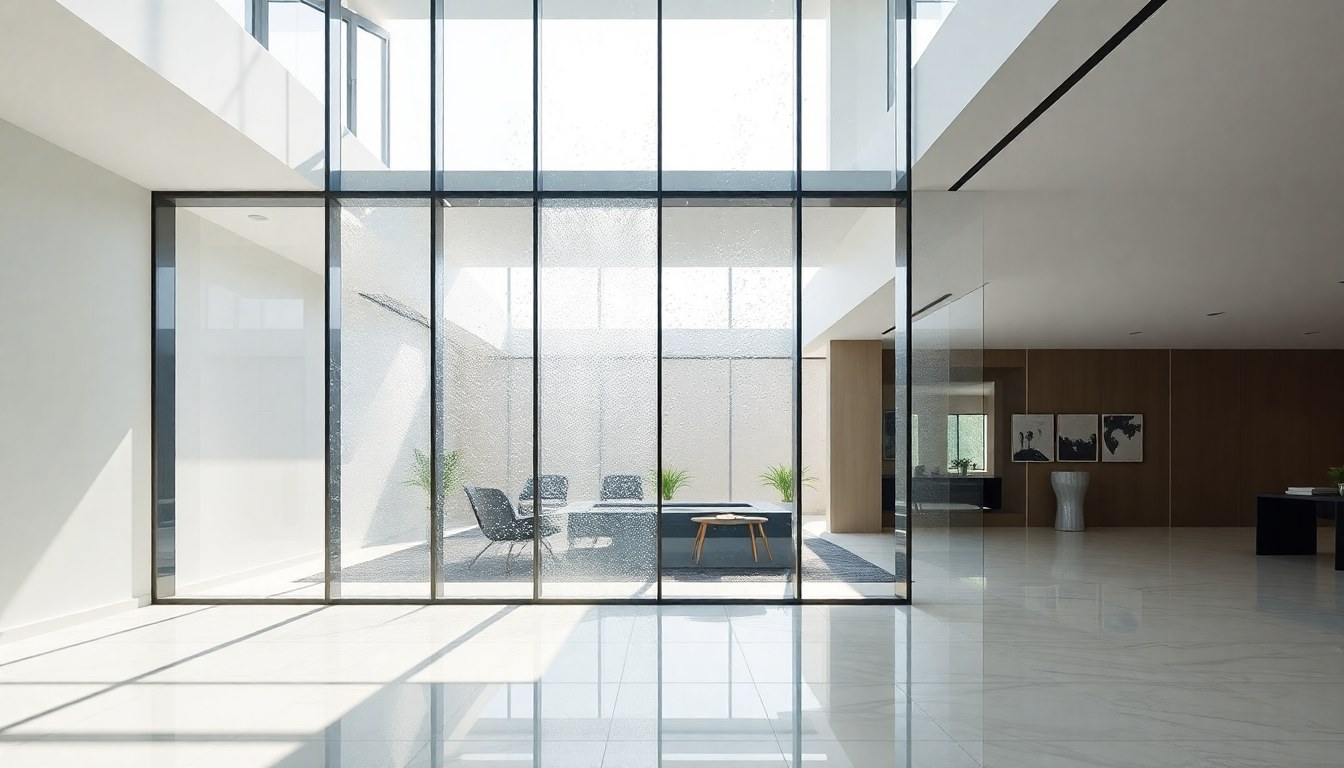
Glass partitions create a sleek, modern aesthetic in bathrooms and offices, but persistent fogging and condensation can turn them into eyesores within weeks. If you're a Bangalore homeowner or office manager struggling with cloudy glass dividers, you're not alone—this is one of the most common complaints about glass installations. The good news is that condensation is entirely preventable with the right understanding of its root causes and proven solutions.
Why Glass Partitions Fog Up: The Science Behind Condensation
Condensation on glass partitions occurs when warm, moisture-laden air comes into contact with a cold glass surface. The moisture in the air cools below its dew point and transforms into liquid water droplets on the glass. This is especially common in bathrooms during showers, where hot water creates steam, and in humid climates like Bangalore where ambient moisture levels remain high year-round.
The root cause is a temperature differential between the glass surface and the surrounding air. In bathrooms, the glass partition separates a steamy shower area from a cooler room, creating the perfect conditions for condensation. Office partitions experience similar issues in air-conditioned spaces where outside walls or poorly insulated glass conducts cold from outdoors, while indoor humidity levels spike during monsoon season or due to poor ventilation.
Temperature Differential as the Primary Culprit
Single-pane glass conducts temperature rapidly, meaning the glass surface temperature quickly matches the coldest adjacent environment. When a bathroom partition has cold water pipes running behind it, or when it's positioned near an exterior wall in an air-conditioned office, the glass becomes a heat sink. Warm, humid air hits this cold surface and immediately condenses.
Humidity Levels and Poor Air Circulation
Bangalore's relative humidity often exceeds 70% during monsoon months (June to September). When bathrooms or offices lack proper exhaust ventilation, moisture accumulates indoors, increasing the dew point. Even small temperature drops on the glass surface trigger visible condensation. Poor air circulation traps humid pockets near the glass, preventing natural evaporation.
Immediate Fixes: Ventilation and Airflow Solutions
The most cost-effective first step is improving air circulation and moisture removal. These solutions work within days and cost between ₹2,000 to ₹8,000 depending on your setup.
Install or Upgrade Exhaust Fans
An exhaust fan is your first line of defense. For bathrooms, the Indian Standards Bureau (ISB) recommends a minimum air change rate of 8–10 times per hour. This means a 10 square meter bathroom needs a fan rated for at least 80–100 CFM (cubic feet per minute). Install the fan directly above or near the shower area, and ensure the duct runs outside the building—not into the ceiling cavity or attic where moisture will accumulate.
For office glass partitions, consider wall-mounted exhaust fans or ducted ventilation systems that pull moisture-laden air away from the partition. Modern EC (electronically commutated) fans are energy-efficient and can be set on timers or humidity sensors.
Use Dehumidifiers for Targeted Moisture Control
Portable dehumidifiers work well for enclosed spaces or rooms where exhaust installation isn't feasible. A 20-liter capacity dehumidifier costs ₹8,000–₹15,000 and can reduce indoor humidity from 80% to 50–60% within hours. Position it near the glass partition for maximum effect. This is particularly useful in Bangalore offices during the monsoon when external humidity is unavoidable.
Improve General Air Circulation
Simple measures like opening windows during low-humidity hours (early morning or late evening), using ceiling fans, and avoiding blocking air vents can significantly reduce condensation. In bathrooms, keep the door open after showers to allow steam to dissipate into the rest of the home. In offices, ensure air conditioning vents are positioned to create cross-ventilation rather than dead zones near glass partitions.
Anti-Fog Coatings and Surface Treatments
If ventilation improvements alone don't eliminate fogging, anti-fog coatings offer a practical next step. These hydrophilic or hydrophobic treatments prevent water droplets from forming visible beads on the glass surface.
Hydrophilic Anti-Fog Coatings
Hydrophilic coatings attract water molecules, causing them to spread into a thin, transparent film rather than forming opaque droplets. Products like commercial-grade anti-fog sprays or professional ceramic coatings cost ₹1,500–₹5,000 per application and last 3–12 months depending on the product and exposure. These are ideal for bathroom mirrors and glass partitions in high-humidity areas.
Hydrophobic Coatings and Water-Repellent Treatments
Hydrophobic coatings cause water to bead and roll off the glass surface. While traditionally used on car windshields, premium hydrophobic glass treatments rated for interior use can last 6–18 months. They cost ₹3,000–₹8,000 per application but reduce the need for frequent cleaning.
Durability and Maintenance Considerations
Anti-fog coatings require reapplication every 6–12 months and perform best when combined with ventilation improvements. Cheap spray-on products (₹200–₹500) offer temporary relief lasting 2–4 weeks, while professional-grade coatings from certified applicators provide better longevity. Always ensure the glass is thoroughly cleaned and dried before application for optimal adhesion.
Permanent Solution: Insulated Glass Units (IGU) Partitions
For a long-term fix that eliminates condensation at its source, insulated glass units (IGUs) are the gold standard. IGUs consist of two or more glass panes separated by a sealed air gap (typically 6–12mm), which acts as an insulator and prevents the inner glass surface from reaching the dew point.
How IGUs Prevent Condensation
Because the inner pane of an IGU remains closer to room temperature than a single-pane glass surface would, condensation is virtually eliminated. The air gap also provides thermal resistance, so the glass doesn't conduct cold from outside or from water pipes. For Bangalore offices with glass partitions facing exterior walls, IGUs eliminate the temperature differential that causes fogging.
Cost-Benefit Analysis for Bangalore Homeowners
IGU partitions cost 40–60% more than single-pane glass—roughly ₹800–₹1,500 per square foot depending on thickness and frame material. A 10 square meter partition might cost ₹75,000–₹1,50,000 versus ₹50,000–₹80,000 for single-pane. However, the benefits include:
- Permanent elimination of condensation (no ongoing maintenance)
- Improved thermal comfort and reduced air-conditioning costs
- Better sound insulation (useful in office environments)
- Increased property value and aesthetic appeal
- Lifespan of 15–20 years with minimal degradation
When to Choose IGU Partitions
IGUs are worth the investment if you're installing new partitions, renovating extensively, or dealing with persistent condensation in high-humidity areas. For existing partitions, retrofitting to IGU is complex and often not cost-effective; instead, focus on ventilation and coatings first.
Practical Troubleshooting Checklist for Bangalore Homes
Use this step-by-step approach to diagnose and fix condensation issues in your space:
- Assess ventilation: Is there an exhaust fan in the bathroom? Does it vent outside? Check for blocked ducts or non-functional fans.
- Measure humidity: Buy a cheap hygrometer (₹300–₹500) and check indoor humidity levels. Ideal range is 30–50%; above 60% requires intervention.
- Identify temperature sources: Feel the glass partition surface. Is it noticeably colder than the room? Check for cold water pipes, exterior walls, or direct sunlight creating temperature differentials.
- Improve airflow: Install or upgrade exhaust fans, open windows during low-humidity hours, and use ceiling fans to circulate air.
- Apply anti-fog coating: If condensation persists after 2 weeks of improved ventilation, apply a professional-grade anti-fog treatment.
- Consider IGU upgrade: If the partition is new or recently installed, and condensation is severe, discuss IGU options with your glass supplier.
Frequently Asked Questions
Why does my bathroom glass partition fog up even with an exhaust fan?
The exhaust fan may not be powerful enough (check CFM rating), the duct might be blocked or venting into the ceiling cavity instead of outside, or the fan may not run long enough after showers. Ensure the fan runs for at least 20 minutes post-shower and that humidity drops below 60% within an hour. If humidity remains high, upgrade to a larger capacity fan or add a dehumidifier.
How long do anti-fog coatings last?
Professional-grade hydrophilic or hydrophobic coatings typically last 6–12 months with proper maintenance. Cheaper spray-on products last 2–4 weeks. Reapplication is necessary as coatings wear away from cleaning, humidity exposure, and daily use. Budget for annual reapplication if you choose this route.
Are IGU partitions worth the extra cost?
Yes, if condensation is a persistent problem or if you're installing new partitions. IGUs eliminate condensation permanently, improve thermal comfort, reduce noise, and add property value. For existing single-pane partitions, ventilation and coatings are more cost-effective first steps. Consider IGU upgrade during major renovations.
Can I use a hairdryer or heat lamp to prevent condensation on glass partitions?
Temporary heat sources can reduce condensation in the short term but are inefficient and impractical as permanent solutions. They consume significant electricity and don't address the underlying moisture problem. Focus on ventilation and humidity control instead.
What's the ideal humidity level to prevent glass partition fogging?
Indoor humidity should be maintained between 30–50% to prevent condensation on glass surfaces. In Bangalore's humid climate, aim for 40–50% during monsoon season. Use a hygrometer to monitor levels, and adjust exhaust fans, dehumidifiers, or air-conditioning accordingly.
Glass partition condensation is a solvable problem when you address its root causes. Start with ventilation improvements, apply anti-fog coatings if needed, and consider IGU partitions for permanent results. If you're planning to install or replace glass partitions in your Bangalore home or office, explore options from verified suppliers and installers on glassy.in, India's largest glass-business directory. Connect with experienced professionals who understand local climate challenges and can recommend solutions tailored to your space.