
Glass Facades
Mirrored Glass Façades: Aesthetic & Thermal Implications for Commercial Buildings
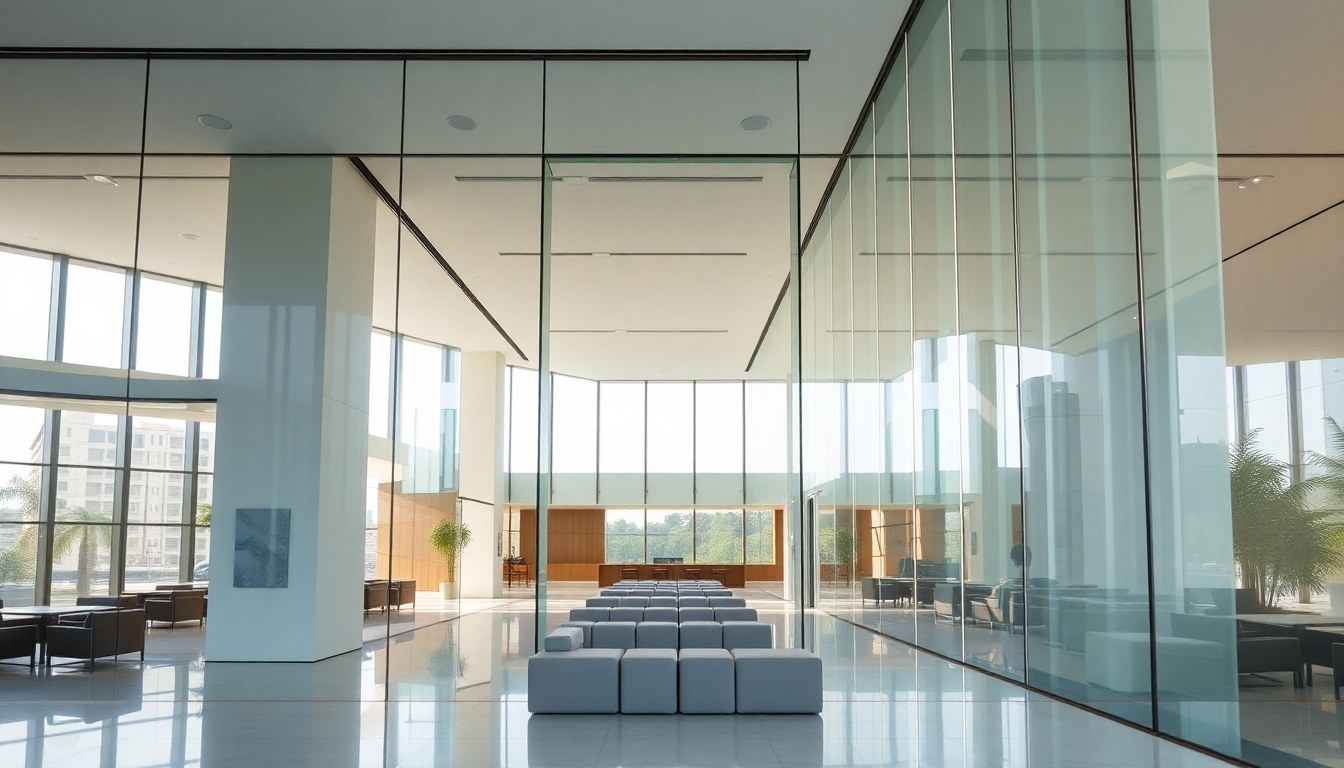
Mirrored glass façades have become synonymous with modern commercial architecture, especially across Bangalore's thriving tech corridor. These reflective curtain wall systems deliver striking visual impact while addressing critical thermal and energy efficiency concerns—yet their performance depends heavily on specification, orientation, and climate context. This guide explores the aesthetic, thermal, and financial dimensions of mirrored glass installations for commercial buildings in India.
What Are Mirrored Glass Façades?
Mirrored glass façades are curtain wall systems featuring reflective coatings applied to the glass surface. Unlike standard clear or tinted glass, these coatings—typically metallic oxides like aluminum, chromium, or titanium—reflect incoming solar radiation rather than transmitting it into the building. The reflectivity can range from 40% to 80%, depending on the coating specification and viewing angle.
In commercial buildings, mirrored glass is integrated into structural glazing systems, stick systems, or unitized curtain walls. The coating is applied during manufacturing, either as a hard coat (fused to the glass surface) or soft coat (applied in a vacuum chamber). Hard coats are more durable but offer lower reflectivity; soft coats deliver superior reflectivity and thermal performance but require protective spacers in insulated glass units (IGUs).
Types of Reflective Coatings
- Pyrolytic (Hard Coat): Fused during glass production; highly durable; lower reflectivity (30–50%); suitable for single-glazed applications.
- Sputtered (Soft Coat): Applied in vacuum; higher reflectivity (60–80%); requires IGU protection; superior thermal control.
- Double-Silver Coatings: Premium soft coats with two silver layers; maximum reflectivity and insulation; highest cost.
Aesthetic Impact and Visual Design
The primary appeal of mirrored glass façades lies in their striking visual presence. Reflective surfaces create dynamic, shape-shifting exteriors that respond to changing light conditions throughout the day. In Bangalore's IT parks—such as those in Whitefield, Outer Ring Road, and Electronic City—mirrored glass has become a signature element, projecting corporate prestige and technological sophistication.
The reflectivity creates a "mirror effect" that blends the building with its surroundings, making structures appear lighter and less imposing. This is particularly valuable in dense urban environments where visual mass can feel oppressive. The coating also reduces the visibility of interior spaces, enhancing privacy—a key consideration for corporate offices handling sensitive data.
Design Considerations
- Orientation Matters: East and west-facing façades benefit most from reflective coatings in India's tropical climate, as these directions receive intense afternoon heat.
- Color Consistency: Soft coats can exhibit slight color shifts depending on viewing angle and light incidence. Specify coatings with neutral tones (silver, gray) for uniform appearance.
- Maintenance Visibility: Fingerprints, dust, and water spots are more visible on reflective surfaces; budget for regular cleaning.
Thermal Performance and Energy Efficiency
The thermal benefits of mirrored glass are substantial in India's climate. By reflecting solar radiation, these coatings reduce heat gain through the façade, lowering cooling loads and energy consumption. The solar heat gain coefficient (SHGC) of reflective glass typically ranges from 0.20 to 0.35, compared to 0.60–0.80 for clear glass—a significant reduction.
In Bangalore's warm, humid climate, this translates to measurable HVAC savings. Studies of commercial buildings in Indian metros show that reflective coatings can reduce annual cooling energy by 15–25%, depending on building orientation, window-to-wall ratio, and internal heat loads. Over a 25-year building lifecycle, these savings accumulate substantially.
Thermal Properties Explained
The U-value (thermal transmittance) and SHGC are the critical metrics. A high-performance soft-coat mirrored glass in an IGU might achieve a U-value of 1.5–2.0 W/m²K and SHGC of 0.25–0.30. This outperforms standard tinted glass (U-value ~2.5, SHGC ~0.45) and approaches the performance of specialized low-E coatings designed for temperate climates.
However, in winter months (December–January in Bangalore), the reflectivity becomes a liability. The coating blocks useful solar heat that could warm interior spaces and reduce heating loads. For climates with significant winter heating demands, this trade-off is less favorable. Bangalore's mild winters minimize this concern, making mirrored glass well-suited to the local climate.
Glare Reduction and Comfort
A secondary benefit of mirrored glass is glare reduction. By reflecting rather than transmitting sunlight, these coatings minimize the harsh, direct glare that can affect occupant comfort and productivity in office buildings. This is especially valuable for workspaces with computer monitors, where glare causes eye strain and reduces visibility.
However, the reflection itself can create glare for pedestrians and neighboring buildings if not carefully managed. In Bangalore's dense tech parks, poorly specified mirrored glass has occasionally caused complaints from adjacent buildings experiencing reflected glare. Careful orientation, coating selection, and external shading (louvers, fins) can mitigate this issue.
Mitigating Reflected Glare
- Specify coatings with neutral color and even reflectivity across the visible spectrum.
- Use exterior shading devices (horizontal louvers, vertical fins) on south and west façades.
- Avoid pure mirror finishes; opt for slightly diffuse coatings that scatter light.
- Coordinate with neighboring properties during design phase.
Cost Implications for Bangalore Commercial Projects
Mirrored glass is a premium product, and costs reflect this. In Bangalore's current market (2024), soft-coat mirrored glass in an IGU costs approximately ₹800–1,200 per square meter, compared to ₹400–600 for standard tinted glass and ₹600–900 for low-E coated glass. For a typical mid-rise office building with 5,000 m² of façade, this premium adds ₹2–3 million to the glass specification alone.
Installation costs are comparable to standard curtain walls, as mirrored glass integrates seamlessly into existing framing systems. The cost differential is entirely in the glass itself. For a ₹50-crore commercial project, the glass upgrade represents 4–6% of total construction cost—a meaningful but not prohibitive expense.
Cost-Benefit Analysis
The payback period depends on energy savings and utility rates. Assuming annual cooling energy savings of 20% on a 10,000 m² building with a window-to-wall ratio of 40%, energy costs of ₹100 per kWh, and annual cooling consumption of 500 kWh/m², the annual savings approach ₹40–50 lakhs. At a glass premium of ₹2.5 crores, the simple payback is 5–6 years—reasonable for a commercial asset with a 30–40 year lifespan.
Beyond direct energy savings, mirrored glass supports premium rental rates in Bangalore's competitive office market. Buildings with distinctive, modern façades command 5–10% higher rentals, enhancing long-term asset value. This intangible benefit often justifies the specification for developers targeting high-end corporate tenants.
Case Studies: Mirrored Glass in Bangalore Tech Parks
Whitefield Corridor Office Complex
A 150,000 m² mixed-use development in Bangalore's Whitefield zone specified soft-coat mirrored glass on 60% of the façade (south and west elevations) and low-E clear glass on north and east faces. The mirrored sections reduced cooling loads by 18% compared to baseline estimates, translating to annual savings of ₹55 lakhs. The distinctive reflective façade became a marketing asset, attracting premium IT tenants willing to pay 8% above market rates. Total glass cost premium: ₹3.2 crores; payback period: 5.8 years.
Electronic City IT Park Retrofit
An older 1990s office building in Electronic City underwent a façade retrofit, replacing aging reflective coating with modern soft-coat mirrored glass on 70% of the curtain wall. Post-retrofit monitoring showed 22% reduction in cooling energy and improved occupant comfort due to glare reduction. The retrofit cost ₹2.8 crores and achieved payback in 6.2 years, while increasing the building's market value by ₹8–10 crores.
Outer Ring Road Corporate Campus
A new 200,000 m² corporate campus used double-silver soft-coat mirrored glass on all south and west façades. The premium specification (₹1,200/m²) cost an additional ₹4 crores versus standard low-E glass, but delivered 25% cooling energy savings and strong market differentiation. The building achieved LEED Platinum certification, supporting a 12% rental premium. Payback: 4.5 years.
Maintenance and Longevity
Mirrored glass requires more frequent cleaning than standard glass due to visibility of dust and fingerprints on reflective surfaces. Budget for monthly or bi-monthly professional cleaning, costing ₹15,000–30,000 per cleaning cycle for a typical large building. Annual maintenance runs ₹2–4 lakhs for a 10,000 m² façade.
Soft-coat mirrored glass has a lifespan of 25–30 years if properly maintained and installed in sealed IGUs. Hard-coat mirrored glass lasts 40+ years but offers lower reflectivity. Replacement costs are high—₹800–1,200/m²—so specification should account for long-term durability and maintenance accessibility.
Frequently Asked Questions
What is the cost of mirrored glass façades in Bangalore?
Soft-coat mirrored glass in insulated units costs ₹800–1,200 per square meter installed, compared to ₹400–600 for standard tinted glass. For a 5,000 m² façade, expect a premium of ₹2–3 crores. Hard-coat mirrored glass is slightly cheaper (₹600–900/m²) but offers lower reflectivity and thermal performance.
How much energy can mirrored glass save in Bangalore's climate?
Mirrored glass typically reduces cooling energy consumption by 15–25% in Bangalore commercial buildings, depending on orientation, window-to-wall ratio, and internal heat loads. On a 10,000 m² building with 40% window-to-wall ratio, annual savings can reach ₹40–60 lakhs at current electricity rates.
Does mirrored glass cause glare problems for neighboring buildings?
Reflective glass can create glare for adjacent properties if not carefully designed. Mitigation strategies include specifying neutral-colored, slightly diffuse coatings; using exterior shading devices (louvers, fins); and coordinating with neighboring properties. Most modern soft-coat mirrored glass is designed to minimize problematic reflection patterns.
What is the payback period for mirrored glass in commercial buildings?
Simple payback typically ranges from 5–7 years based on energy savings alone. When factoring in higher rental rates (5–10% premium for distinctive modern façades) and increased asset value, the effective payback can be 3–5 years. For a 30–40 year building lifespan, this is economically attractive.
How often does mirrored glass façade need cleaning?
Mirrored glass requires professional cleaning every 4–8 weeks in Bangalore's climate due to visibility of dust and fingerprints on reflective surfaces. Annual maintenance costs typically range from ₹2–4 lakhs for large commercial buildings. Budget for this ongoing expense in lifecycle cost planning.
Conclusion and Next Steps
Mirrored glass façades deliver compelling aesthetic, thermal, and economic benefits for commercial buildings in Bangalore and across India. The reflective coatings reduce cooling loads by 15–25%, support premium rental rates, and create distinctive architectural identities that stand out in competitive markets. While the upfront cost premium is significant (₹2–4 crores for typical mid-rise projects), payback periods of 5–7 years and long-term asset value appreciation justify the investment for quality developments.
Successful mirrored glass projects require careful specification (soft-coat vs. hard-coat, SHGC targets), strategic orientation (prioritize south and west façades), and attention to maintenance and glare mitigation. Real-world case studies from Bangalore's Whitefield, Electronic City, and Outer Ring Road corridors demonstrate consistent energy savings and market premiums.
Ready to explore mirrored glass options for your commercial project? Browse verified glass suppliers, curtain wall specialists, and façade consultants in the glassy.in directory—India's most comprehensive glass business platform. Connect with local Bangalore suppliers who understand the region's climate, building codes, and market expectations.