
Glass Facades
Tinted Glass for Shopfront Facades: Privacy, Branding & UV Protection
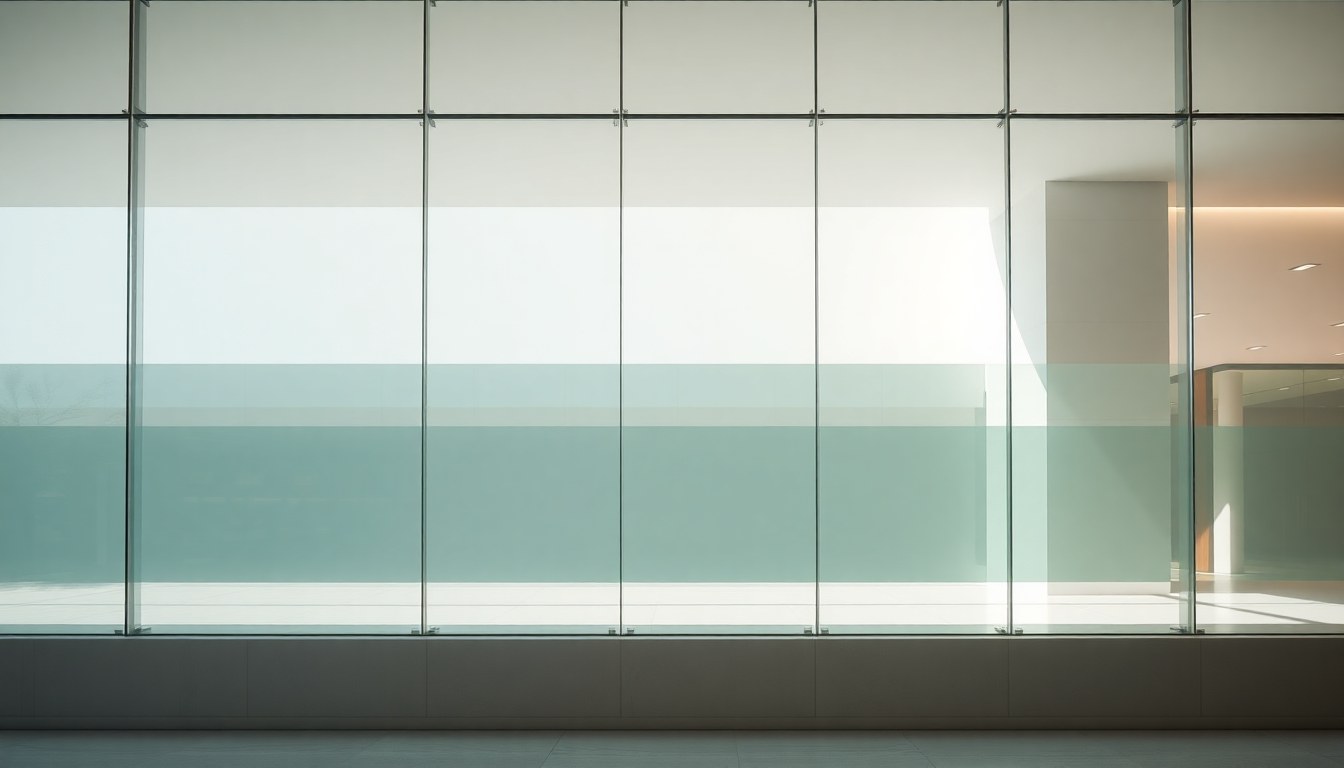
A well-designed shopfront is your retail business's first impression—and tinted glass plays a crucial role in that statement. Tinted glass facades offer far more than visual appeal; they provide UV protection for merchandise, enhance brand identity, and create privacy without sacrificing natural light. Whether you're renovating an existing storefront or designing a new one, understanding tinted glass options helps you make decisions that balance aesthetics, functionality, and budget.
Why Tinted Glass for Retail Shopfronts?
Retail storefronts face unique challenges: protecting merchandise from sun damage, maintaining customer privacy during off-hours, and standing out in competitive markets. Tinted glass addresses all three concerns simultaneously. Unlike traditional clear glass, tinted options reduce glare, lower interior temperatures, and create a polished, intentional appearance that communicates professionalism and brand awareness.
The retail environment in India's urban centers—from Mumbai's bustling high streets to Bangalore's tech hubs—demands shopfront solutions that withstand intense sunlight while maintaining visual appeal. Tinted glass provides this balance, reducing the fade of clothing, cosmetics, and other light-sensitive products while creating an inviting storefront that draws customers in.
Key Benefits of Tinted Glass for Retail
- UV Protection: Blocks 99% of harmful UV rays, protecting merchandise from fading and discoloration
- Heat Reduction: Lowers air conditioning costs by reducing solar heat gain
- Privacy: Obscures interior views during closed hours while maintaining daytime visibility
- Brand Control: Allows customization of storefront appearance to match brand identity
- Glare Reduction: Creates a comfortable shopping experience by minimizing harsh reflections
- Security: Tinted glass is harder to see through from outside, discouraging theft
Understanding Tinted Glass Color Options
Tinted glass comes in a spectrum of colors, each serving different aesthetic and functional purposes. The choice depends on your brand identity, merchandise type, and local climate conditions. In India's diverse retail landscape, color selection can significantly impact how customers perceive your business.
Popular Tint Colors for Shopfronts
Bronze Tint: The most popular choice for retail, bronze tint provides a warm, professional appearance while offering excellent UV protection. It's versatile enough for fashion boutiques, jewelry stores, and electronics shops. Bronze tint reduces solar heat by approximately 50-60% and maintains good visibility from both inside and outside during daytime hours.
Gray Tint: Gray offers a modern, neutral aesthetic suitable for luxury brands and contemporary retail spaces. It provides balanced light transmission and is particularly effective in high-glare environments. Gray tint works well for storefronts in areas with intense afternoon sun.
Green Tint: Less common but increasingly popular, green tint provides a sophisticated look while offering strong UV protection. It's gaining traction in eco-conscious retail spaces and wellness-focused businesses. Green tint can create a calming atmosphere that appeals to premium market segments.
Blue Tint: Blue-tinted glass creates a contemporary, tech-forward appearance. It's popular among electronics retailers, modern cafes, and fashion-forward brands. Blue tint offers good solar control while maintaining a distinctive visual identity.
Custom and Gradient Tints: Advanced manufacturing allows for custom tint intensities and even gradient effects where tint density varies across the glass. These options offer creative branding opportunities but typically cost 15-25% more than standard tints.
UV Protection and Heat Control Benefits
UV radiation poses a significant threat to retail merchandise. Fabrics fade, cosmetics degrade, artwork deteriorates, and food products lose quality when exposed to prolonged sunlight. Tinted glass provides a cost-effective barrier against these issues, protecting your inventory and reducing product loss.
Standard tinted glass blocks 99% of UVA and UVB rays, equivalent to the protection offered by high-SPF sunscreen. This protection extends merchandise lifespan, reduces the need for frequent restocking of faded items, and maintains the visual appeal of your display. For retailers in cities like Delhi, Chennai, and Kolkata where summer temperatures soar, the heat reduction benefit is equally valuable.
Calculating Energy Savings
Tinted glass reduces Solar Heat Gain Coefficient (SHGC), meaning less solar energy penetrates the storefront. A typical retail space with 200 square feet of shopfront glass can reduce air conditioning costs by ₹3,000-₹8,000 annually, depending on local climate and operating hours. Over a 10-year lifespan, this translates to significant savings that offset the initial investment in premium tinted glass.
The actual savings depend on factors like orientation (east and west-facing storefronts benefit most), local climate zone, and how much of the storefront is glass versus other materials. Retailers in Ahmedabad, Pune, and other regions with intense summer heat often see payback periods of 4-6 years.
Branding and Aesthetic Considerations
Your shopfront is a silent salesman, and tinted glass is one of its most powerful tools. The color and intensity of your glass tint communicate brand values before a customer steps inside. Luxury brands often opt for subtle, sophisticated tints, while contemporary retailers might choose bolder colors that stand out in crowded markets.
Tint selection should align with your interior design, signage, and overall brand strategy. A jewelry store with warm lighting inside benefits from bronze tint that complements gold and amber tones. A tech retailer might choose gray or blue tint to reinforce a modern, sleek brand image. The key is consistency—your shopfront should feel like a natural extension of your brand identity.
Visibility and Display Optimization
One concern with tinted glass is reduced visibility of interior displays. However, modern tinted glass maintains 50-70% light transmission depending on tint intensity, allowing window displays to remain visible and appealing. Strategic interior lighting—particularly accent lighting on key merchandise—compensates for any reduction in natural light and creates dramatic, attractive displays.
Retailers often use tinted glass in combination with clear glass sections, creating visual interest while controlling light and privacy. This mixed approach allows customers to see high-value items in well-lit clear sections while maintaining privacy in other areas of the storefront.
Installation, Maintenance, and Durability
Tinted glass shopfronts require professional installation to ensure proper sealing, alignment, and structural integrity. In India, quality glass installation services are available in all major cities, with costs varying based on glass thickness, tint type, and structural requirements.
Maintenance Requirements
Tinted glass requires the same maintenance as clear glass: regular cleaning with glass cleaner and soft cloths. The tint is applied during manufacturing, so it won't fade, peel, or deteriorate. Unlike adhesive-applied window films, factory-tinted glass maintains its appearance indefinitely. Cleaning should be done weekly for retail storefronts to maintain the professional appearance that customers expect.
Avoid abrasive cleaners or high-pressure washing that might damage the glass edges or seals. For storefronts in coastal areas or pollution-heavy cities, more frequent cleaning may be necessary. The good news: tinted glass doesn't require special cleaning products or techniques—standard glass cleaners work perfectly.
Durability and Lifespan
Quality tinted glass lasts 15-20 years or longer, making it a long-term investment. The tint itself is integral to the glass and won't fade or deteriorate. The main wear items are seals and frames, which may need replacement after 10-15 years depending on climate exposure and maintenance quality.
Cost Considerations and Pricing in India
Tinted glass pricing varies significantly based on tint type, glass thickness, and supplier. Understanding the cost structure helps you budget effectively and identify good value.
Price Breakdown per Square Foot
- Standard Bronze or Gray Tint (6mm): ₹400-₹600 per sq ft (glass only)
- Premium Tints or Custom Colors: ₹600-₹900 per sq ft
- Thick Glass (10mm) with Tint: ₹700-₹1,100 per sq ft
- Laminated Tinted Glass (safety glass): ₹800-₹1,300 per sq ft
- Installation Labor: ₹100-₹250 per sq ft (varies by city and complexity)
A typical retail storefront of 300 square feet might cost ₹1,50,000-₹2,50,000 for glass and installation, depending on specifications. Laminated tinted glass, which provides additional safety benefits, costs more but is recommended for ground-floor retail spaces and high-traffic areas.
Comparing Value Across Suppliers
Prices vary between cities and suppliers. Metropolitan areas like Mumbai, Delhi, and Bangalore typically have competitive pricing due to multiple suppliers, while smaller cities may have fewer options and higher costs. Request quotes from at least three suppliers, comparing glass thickness, tint type, warranty, and installation guarantees. The cheapest option isn't always the best—poor installation can compromise performance and lifespan.
Choosing the Right Tinted Glass for Your Retail Space
Selecting tinted glass involves evaluating several factors specific to your business. Start by identifying your priorities: Is UV protection for merchandise your main concern? Do you need maximum heat reduction? Are you prioritizing aesthetic branding? Your answers guide the selection process.
Consider your storefront orientation. East and west-facing storefronts benefit most from heat-reducing tints. North-facing storefronts need less heat control but still benefit from UV protection. Merchandise type matters too—fashion retailers benefit from stronger UV blocking than restaurants or bookstores. Visit existing retail spaces with tinted glass similar to what you're considering, observing visibility, aesthetics, and interior lighting at different times of day.
Consult with glass suppliers who understand retail requirements. Reputable suppliers in your city can recommend tint types based on your specific situation, provide samples, and explain performance characteristics. Many offer design consultation services to help visualize how different tints will appear on your storefront.
Frequently Asked Questions
Does tinted glass reduce visibility of window displays?
Tinted glass reduces light transmission by 30-50% depending on tint intensity, but modern tints still allow 50-70% light through, keeping displays visible. Strategic interior lighting and accent spotlights on key merchandise compensate for any reduction and often create more dramatic, attractive displays than clear glass alone. Many retailers find that tinted glass actually improves display aesthetics by reducing glare and creating a more controlled lighting environment.
How much can tinted glass reduce air conditioning costs?
Tinted glass typically reduces solar heat gain by 50-70%, which can lower air conditioning costs by ₹3,000-₹8,000 annually for a typical retail storefront. The exact savings depend on your location, building orientation, climate zone, and operating hours. In hot cities like Delhi, Ahmedabad, and Chennai, the savings are more substantial. Over a 10-15 year lifespan, these savings often exceed the initial investment in premium tinted glass.
Can tinted glass be applied to existing clear glass storefronts?
Adhesive window films can tint existing glass, but factory-tinted glass is superior. Films can peel, fade, and create visible seams, while factory tinting is permanent and uniform. If replacing existing glass isn't feasible, quality window films are an option, but expect to replace them every 5-7 years. For new installations or major renovations, factory-tinted glass is the better long-term investment.
Which tint color is best for retail storefronts?
Bronze tint is the most popular for retail because it offers excellent UV protection, maintains good visibility, and provides a warm, professional appearance suitable for most retail types. Gray tint works well for modern, luxury brands. The best choice depends on your brand identity, merchandise type, and aesthetic goals. Request samples from your supplier and observe them at different times of day before deciding.
Is laminated tinted glass worth the extra cost?
Laminated tinted glass costs 20-40% more than standard tinted glass but provides significant safety benefits. If your storefront is ground-level, high-traffic, or in an area prone to break-ins, laminated glass is worthwhile. It prevents glass shards from scattering if broken, provides additional security, and reduces noise. For second-floor or low-traffic storefronts, standard tinted glass is usually sufficient.
Conclusion
Tinted glass shopfront facades represent a smart investment in your retail business, combining brand enhancement, merchandise protection, and operational cost savings. By understanding your options—from color selection to UV protection levels to pricing—you can choose a solution that aligns with your business goals and budget. Whether you're in Mumbai, Bangalore, Delhi, or any Indian city, quality tinted glass suppliers can help you design a storefront that impresses customers and protects your business for years to come.
Ready to upgrade your retail storefront? Browse verified glass suppliers and manufacturers on glassy.in's directory to compare products, pricing, and services in your area. Find the right partner to bring your shopfront vision to life.