
Mirrors
Mirror Glass Standards & Installation for Home Gyms: Safety & Aesthetics
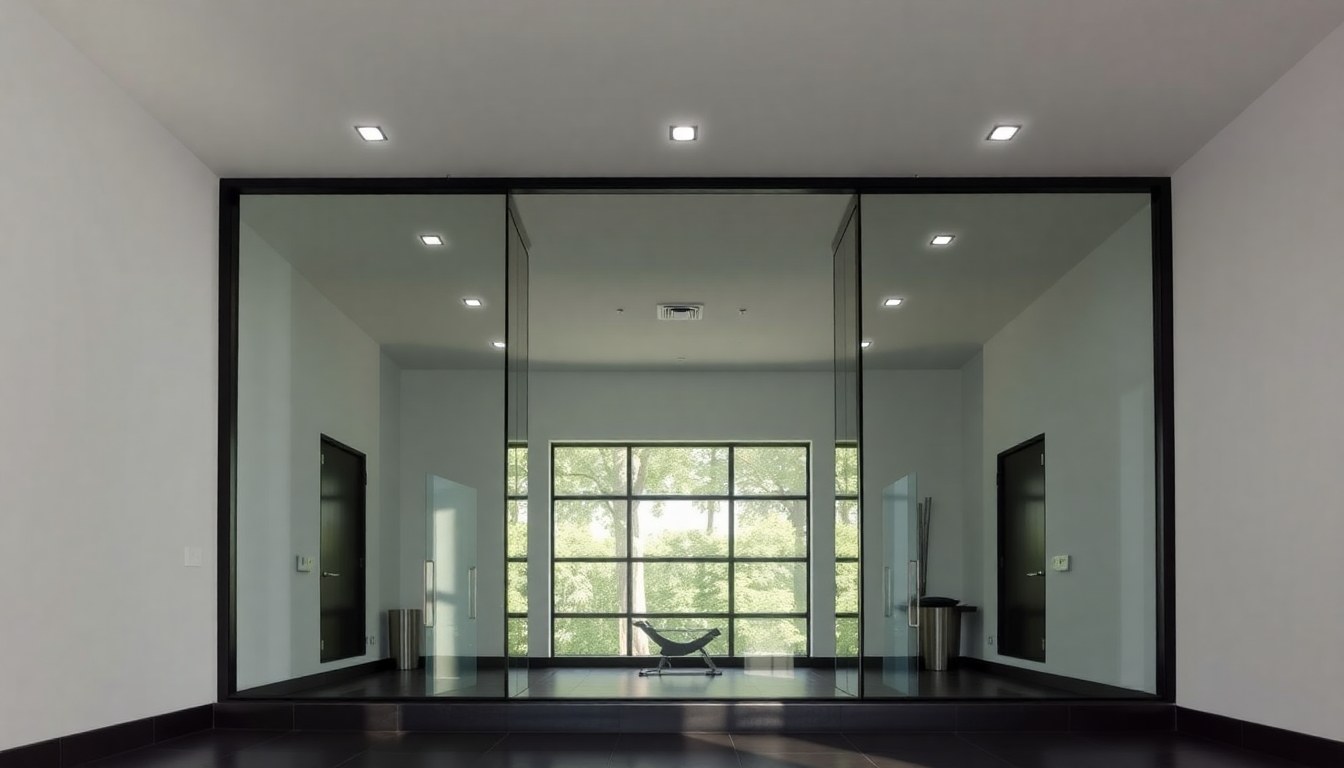
A full-length mirror transforms your home gym into a professional fitness space while helping you monitor form during workouts. However, installing mirrors incorrectly can create serious safety hazards—from shattered glass to wall damage and injuries. This guide walks you through the essential safety standards, glass specifications, and installation techniques that make your home gym both functional and secure.
Why Safety Standards Matter for Home Gym Mirrors
Home gym mirrors aren't just aesthetic additions; they're functional fitness equipment that must withstand dynamic movement, sweat, temperature fluctuations, and occasional impacts. Unlike decorative mirrors in living rooms, gym mirrors experience repeated vibrations from heavy equipment, high-impact exercises, and climatic stress in enclosed spaces. Without proper safety standards, a mirror can crack, shatter, or fall—creating sharp glass fragments that pose serious injury risks.
In India, the Bureau of Indian Standards (BIS) provides guidelines for safety glass used in buildings and fitness facilities. Following these standards protects you legally and physically, ensuring your home gym meets structural safety requirements. Most insurance policies also require adherence to recognized safety standards for injury liability coverage.
Understanding Tempered Glass Certification for Gym Mirrors
What is Tempered Glass?
Tempered glass is ordinary glass heated to extreme temperatures and then rapidly cooled, creating internal stress that makes it 4–5 times stronger than regular annealed glass. When tempered glass breaks, it shatters into small, relatively harmless granules rather than sharp shards, significantly reducing injury risk. This is the gold standard for home gym mirrors.
BIS Standards and Certifications
In India, tempered glass must comply with IS 2553:2016, which specifies safety requirements for tempered glass. When purchasing mirrors for your home gym, always verify that the glass carries the BIS mark or equivalent international certification (such as EN 12150 for European standards or ANSI Z97.1 for North American standards). This certification guarantees the glass has undergone proper heat treatment and meets fragmentation and strength requirements.
Reputable glass suppliers in major Indian cities—Delhi, Mumbai, Bangalore, Hyderabad, and Chennai—typically stock BIS-certified tempered glass. Always request documentation confirming the certification before purchase. The cost difference between uncertified and certified tempered glass is minimal (roughly ₹50–100 per square foot), but the safety benefit is substantial.
Selecting the Right Mirror Thickness and Specifications
Optimal Glass Thickness
For home gym mirrors, a minimum thickness of 6mm tempered glass is recommended. This thickness balances durability with weight considerations for wall mounting. Mirrors thinner than 6mm are prone to flexing and distortion, while anything thicker than 10mm becomes unnecessarily heavy and difficult to install safely on standard residential walls.
- 4mm glass: Not recommended for gym use; too prone to flexing and cracking under vibration
- 6mm glass: Ideal for most home gyms; provides strength and reasonable weight (approximately 15 kg per square meter)
- 8mm glass: Suitable for larger mirrors or high-impact training areas; adds cost and installation complexity
- 10mm+ glass: Typically unnecessary for residential gyms; requires professional installation and structural reinforcement
Anti-Slip Backing and Edge Safety
Professional gym mirrors include an anti-slip backing layer—usually a specialized adhesive or rubber coating that prevents the mirror from sliding down the wall if mounting hardware fails. This backing also reduces vibration-induced rattling and provides a secondary safety layer. Always specify anti-slip backing when ordering custom mirrors.
Additionally, all edges of the mirror should be polished and beveled (not sharp). Beveled edges are safer to handle during installation and less likely to cause cuts if the mirror is accidentally touched. Request edge polishing as part of your order; most reputable suppliers include this at no extra cost.
Wall Anchoring and Installation Best Practices
Assessing Your Wall Structure
Before installing a mirror, identify your wall type and its load-bearing capacity. Most Indian homes use either brick masonry or concrete block construction, both of which can safely support properly anchored mirrors. However, hollow partition walls or older plaster-on-lath walls require special considerations.
For brick or concrete walls, use expansion anchors or chemical anchors rated for the mirror's weight. Calculate the total weight by multiplying the glass thickness (in mm) by the area (in square meters) by the density of glass (approximately 2,500 kg/m³). For a standard 6mm mirror measuring 1.2m × 2m, the weight is roughly 36 kg—requiring anchors rated for at least 50 kg per anchor point.
Mounting Hardware Specifications
Use only stainless steel or galvanized steel hardware to prevent rust and corrosion from sweat and moisture. Aluminum hardware is not recommended for gym environments. Install a minimum of four anchor points—one at each corner—for mirrors up to 2 square meters. Larger mirrors require additional support points spaced no more than 60cm apart.
- Use expansion anchors rated for at least 50 kg per point (for 6mm tempered glass)
- Install anchors at least 5cm from mirror edges to prevent stress concentration
- Ensure all anchors are at the same level using a spirit level
- Leave a 3–5mm gap between the mirror and wall for air circulation and vibration dampening
Professional vs. DIY Installation
While DIY installation is possible for smaller mirrors (under 1.5 square meters), professional installation is strongly recommended for larger mirrors or if you're uncertain about wall structure. Professional installers in Indian cities typically charge ₹2,000–5,000 per installation, depending on mirror size and wall complexity. This investment ensures proper anchoring, alignment, and compliance with safety standards—protecting both your safety and your home's structural integrity.
Maintenance and Ongoing Safety Checks
Regular maintenance keeps your gym mirror safe and clear. Monthly inspections should check for loose anchors, gaps between the mirror and wall, or visible cracks. Tighten any loose bolts immediately using appropriate tools—never over-tighten, as this can crack the glass.
Clean your mirror using a microfiber cloth and a 50/50 solution of water and white vinegar. Avoid commercial glass cleaners containing ammonia, which can damage the backing layer over time. Never lean heavy equipment against the mirror or allow it to contact the glass surface during workouts.
If you notice any cracks, discoloration, or delamination of the backing, stop using the mirror immediately and have it inspected by a professional. A cracked tempered glass mirror will eventually fail, and continued use increases injury risk.
Aesthetic Considerations Without Compromising Safety
Safety and aesthetics aren't mutually exclusive. Choose mirror frames or trim that complement your gym's design while providing additional edge protection. Aluminum or stainless steel frames add visual appeal while reinforcing the mirror's structural integrity and protecting edges from accidental contact.
Position mirrors strategically to enhance the space visually. Mirrors opposite windows amplify natural light, while mirrors adjacent to workout areas provide optimal form-checking angles. Avoid placing mirrors directly above free-weight stations, where dropped weights could cause impact damage.
Frequently Asked Questions
What's the difference between tempered and regular glass for gym mirrors?
Tempered glass is heat-treated to be 4–5 times stronger than regular annealed glass and shatters into harmless granules rather than sharp shards if broken. For home gyms, tempered glass is essential because it withstands vibrations from equipment and impacts from dropped weights while minimizing injury risk if breakage occurs. Regular glass is not safe for fitness environments and is not recommended by BIS standards.
Can I install a gym mirror on a drywall partition?
Installing mirrors on standard drywall is not recommended because drywall cannot safely support the weight of a tempered glass mirror. However, if you have a drywall wall, you can reinforce it by installing plywood backing behind the drywall or using a steel stud frame. Alternatively, install the mirror on an adjacent brick or concrete wall. Always consult a structural expert before attempting this modification.
How often should I inspect my gym mirror for safety issues?
Inspect your mirror monthly for loose anchors, gaps, or visible cracks. After heavy use or if the mirror experiences any impact, perform an immediate inspection. Tighten any loose bolts and ensure the mirror remains flush against the wall. If you notice cracks or delamination, stop using the mirror and have it professionally evaluated before continuing.
What's the ideal size for a home gym mirror?
A full-length mirror should be at least 1.2m wide and 1.8m tall to allow you to see your full body during standing exercises. Many people prefer 1.2m × 2m or larger for better form visibility during compound movements. Ensure your wall can structurally support the chosen size, and always use adequate anchoring for larger mirrors.
How much does a professionally installed gym mirror cost in India?
The cost varies by size and location. A 6mm tempered glass mirror (1.2m × 2m) typically costs ₹8,000–15,000, plus professional installation fees of ₹2,000–5,000. Larger mirrors or custom sizes may cost significantly more. Always obtain quotes from multiple suppliers and verify BIS certification before purchasing.
Creating a safe, functional home gym starts with the right mirror installation. By selecting BIS-certified tempered glass, anchoring it securely, and maintaining it regularly, you'll enjoy years of safe, distortion-free form checking. Ready to find certified glass suppliers and installation experts in your area? Browse the glassy.in directory to connect with trusted mirror glass professionals across India who specialize in home gym installations and safety-compliant solutions.