
Buying Guides
Low-E Coated Glass vs Standard Toughened: Energy Savings Breakdown
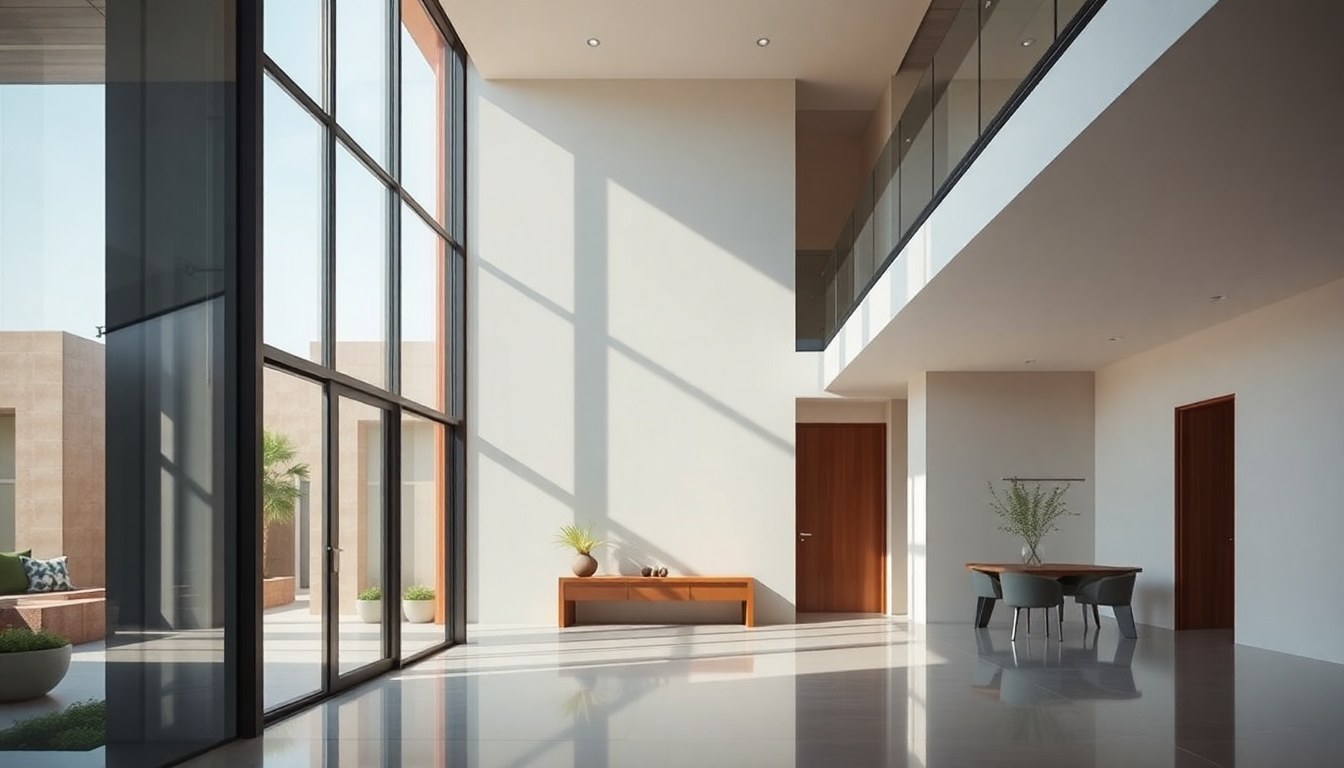
If you're building or renovating in India's hot climates, your window glass choice directly impacts your electricity bills and indoor comfort. Low-emissivity (Low-E) coated glass reflects infrared heat while allowing visible light through, delivering 20–30% energy savings compared to standard toughened glass. This technical guide breaks down the performance differences, cost-benefit analysis, and which option suits Bangalore and Delhi climates best.
What Is Low-E Coated Glass and How Does It Work?
Low-E glass features a microscopically thin metallic oxide coating—typically silver, tin oxide, or titanium oxide—applied to one or more surfaces. This coating is nearly invisible to the naked eye but acts as a thermal mirror, reflecting up to 60–70% of infrared (heat) radiation back outside while transmitting 70–80% of visible light indoors. The coating doesn't block UV rays entirely but significantly reduces their transmission.
Standard toughened glass, by contrast, offers structural strength and safety through heat-treating the entire pane to create compressive stress on the surface. It provides no thermal control; heat passes straight through. When you sit near a standard glass window on a sunny day, you feel the warmth immediately. With Low-E glass, that sensation is dramatically reduced because the coating intercepts the heat before it enters your building.
Types of Low-E Coatings
- Hard-coat (pyrolytic): Applied during glass manufacturing at high temperatures; durable and scratch-resistant but slightly lower solar control.
- Soft-coat (sputtered): Applied in a vacuum chamber after manufacturing; superior thermal performance but requires protective glazing in sealed units.
Energy Savings: The Numbers Behind Low-E Glass
In hot, sunny climates like Bangalore and Delhi, Low-E glass reduces cooling load by intercepting solar heat before it enters. Studies from the Central Glass and Ceramic Research Institute (CGCRI) in India show that buildings with Low-E glazing consume 15–30% less air-conditioning energy annually compared to standard toughened glass, depending on orientation, shading, and climate zone.
For a typical 2,000 sq. ft. residential apartment in Delhi with 200 sq. ft. of window area, switching from standard toughened to Low-E glass can save ₹8,000–₹15,000 per year on cooling costs. Over a 20-year building lifespan, that's ₹1.6–₹3 lakhs in energy savings. The payback period is typically 5–8 years, after which the glass operates cost-free.
Heat Gain Reduction
Low-E glass reduces the Solar Heat Gain Coefficient (SHGC) from 0.86 (standard clear glass) to 0.25–0.35 (Low-E). This means 65–75% less solar heat enters your building. In peak summer (April–June in India), when outdoor temperatures reach 40–45°C, this reduction is critical for maintaining indoor comfort without overworking air-conditioning systems.
Winter Performance
In Delhi's cold winters, Low-E glass also retains indoor heat by reflecting it back inside, reducing heating losses by 40–50%. This dual-season benefit makes Low-E glass a year-round investment, though the summer cooling benefit is more pronounced in India's tropical and subtropical regions.
UV Protection and Comfort Benefits
Standard toughened glass blocks only 25–30% of ultraviolet (UV) radiation. Low-E coatings reduce UV transmission to 10–15%, protecting furnishings, artwork, and flooring from fading. This invisible damage—caused by UVA and UVB rays—can cost homeowners thousands in furniture replacement over decades.
Beyond energy, Low-E glass improves indoor comfort by eliminating "cold spots" near windows in winter and reducing glare and hot zones in summer. Occupants report better thermal comfort and fewer drafts, even with the same thermostat setting. This psychological and physiological comfort often justifies the higher upfront cost.
Cost-Benefit Analysis: Low-E vs Standard Toughened
Upfront Costs
Standard toughened glass costs ₹150–₹300 per sq. ft. in India, depending on thickness and quality. Low-E coated glass ranges from ₹400–₹700 per sq. ft. for hard-coat and ₹600–₹1,000 per sq. ft. for soft-coat in sealed double-glazing units. The additional cost is 150–250%, a significant premium that deters many builders and homeowners.
However, this cost must be weighed against operational savings. A 2,000 sq. ft. home with 200 sq. ft. of windows:
- Standard toughened glass: ₹30,000–₹60,000 installed
- Low-E glass (hard-coat in double unit): ₹80,000–₹1,40,000 installed
- Additional investment: ₹50,000–₹80,000
- Annual savings: ₹8,000–₹15,000
- Payback period: 5–8 years
Bangalore vs Delhi Climate Considerations
Bangalore's year-round mild climate (18–35°C) makes Low-E glass a moderate investment; cooling loads are lower, so savings are ₹5,000–₹10,000 annually. Delhi's extreme seasonal swings (5–45°C) make Low-E glass more valuable, with savings of ₹10,000–₹18,000 annually due to both cooling and heating benefits.
In Bangalore, payback extends to 8–10 years; in Delhi, it drops to 5–7 years. Architects like those at studio anoma in Bangalore and Makrand Pataskar Architect in Mumbai increasingly recommend Low-E for premium residential and commercial projects where occupant comfort justifies the cost.
Durability, Maintenance, and Hidden Costs
Low-E coatings are durable if properly installed in sealed double-glazing units. Hard-coat versions last 20+ years; soft-coat versions require protection and typically last 15–20 years in sealed units. Exposure to moisture or direct contact degrades soft-coat Low-E, so single-pane applications are not recommended.
Maintenance is minimal: regular cleaning with soft cloths and neutral detergent preserves the coating. Avoid abrasive cleaners or high-pressure washers. The sealed unit itself may require resealing after 15–20 years if the desiccant becomes saturated, adding ₹50–₹100 per sq. ft. in refurbishment costs.
Standard toughened glass requires no special maintenance and is simpler to repair (though replacement is necessary if broken). This simplicity appeals to budget-conscious builders, but the long-term energy cost offsets this advantage for most Indian buildings with lifespans exceeding 30 years.
Performance Comparison Table
Here's a side-by-side breakdown of key metrics:
- Solar Heat Gain Coefficient (SHGC): Standard 0.86 | Low-E 0.25–0.35
- Visible Light Transmission: Standard 88% | Low-E 70–80%
- UV Transmission: Standard 25–30% | Low-E 10–15%
- Thermal Insulation (U-value): Standard 5.8 W/m²K | Low-E 1.5–2.0 W/m²K (in double units)
- Annual cooling energy savings: Standard baseline | Low-E 20–30%
- Upfront cost per sq. ft.: Standard ₹150–₹300 | Low-E ₹400–₹1,000
- Payback period: Standard N/A | Low-E 5–10 years
- Lifespan: Standard 30+ years | Low-E 20–25 years (coating)
When to Choose Low-E Glass: Decision Framework
Choose Low-E glass if: Your building is in Delhi, Pune, or other hot-summer, cold-winter zones; you plan to occupy for 10+ years; energy efficiency and occupant comfort are priorities; your budget accommodates the upfront premium; or you're designing premium residential or commercial spaces where tenant satisfaction justifies cost.
Choose standard toughened glass if: Your budget is tight; your building is in a mild climate like Bangalore or coastal regions; you prioritize structural safety over thermal performance; or you're developing low-cost housing where payback periods exceed the investment horizon.
Architects and designers at firms like Priya Architectural Solutions and 78 Design Studio often recommend a hybrid approach: Low-E for south-facing and west-facing windows (maximum solar gain) and standard toughened for north-facing windows (minimal heat gain benefit).
Installation and Certification Standards
Low-E glass must be installed in sealed double-glazing units by certified professionals to achieve rated performance. Single-pane Low-E applications are ineffective and void warranties. Ensure your installer follows IS 12000:2021 (Indian Standard for sealed glazing units) and uses desiccant-filled spacers to prevent moisture ingress.
Reputable glass dealers like Silicate Glass work provide proper documentation, including thermal performance certificates and installation warranties. Avoid unmarked or unverified Low-E products; they may lack the coating consistency required for consistent performance.
Frequently Asked Questions
Does Low-E glass reduce natural light?
Slightly. Low-E glass transmits 70–80% of visible light compared to 88% for standard clear glass. This 8–18% reduction is often imperceptible to occupants, and the trade-off—cooler, more comfortable interiors—is worthwhile. If light transmission is critical, specify high-transmission Low-E coatings (e.g., PPG Solarban or Guardian SunGuard) that achieve 75–78% transmission.
Can Low-E glass be retrofitted to existing windows?
No. Low-E coatings must be applied during manufacturing or in a vacuum chamber; they cannot be applied to existing glass panes. Retrofitting requires replacing entire windows with new Low-E units, making it cost-prohibitive for most existing buildings. Plan for Low-E during new construction or major renovations.
Is Low-E glass worth it in Bangalore's mild climate?
It depends on your timeline and budget. Bangalore's average cooling loads are 30–40% lower than Delhi's, so payback extends to 8–10 years. If you plan to stay 10+ years and value comfort, yes. For short-term rentals or budget housing, standard toughened glass is more practical.
What is the difference between hard-coat and soft-coat Low-E?
Hard-coat Low-E is applied during manufacturing and is more durable and scratch-resistant, making it suitable for single-pane or sealed units. Soft-coat Low-E is applied in a vacuum chamber and offers superior thermal performance but is delicate and must be sealed in double units. Soft-coat is preferred for high-performance buildings; hard-coat for durability and ease of handling.
How much can I save on electricity bills with Low-E glass?
In Delhi, expect 15–30% reduction in cooling energy (₹10,000–₹18,000 annually for a typical home). In Bangalore, savings are 10–15% (₹5,000–₹10,000 annually). Actual savings depend on window orientation, shading, thermostat settings, and occupancy patterns. A professional energy audit can provide personalized estimates.
Make the Right Choice for Your Building
Low-E coated glass is a long-term investment that pays dividends through lower energy bills, improved comfort, and reduced environmental impact. While the upfront cost is 150–250% higher than standard toughened glass, the 5–10 year payback period and 20+ year operational life make it economically sound for most Indian buildings, especially in Delhi and other hot-summer regions. For personalized guidance on glass selection, material specifications, and installation standards, consult qualified architects and glass specialists listed on glassy.in, India's most comprehensive glass-business directory. Browse our listings to find certified installers, suppliers, and design professionals in your city today.