
Glass Guides
Low-E Glass Coating: Does It Really Cut Summer Heat in Indian Homes?
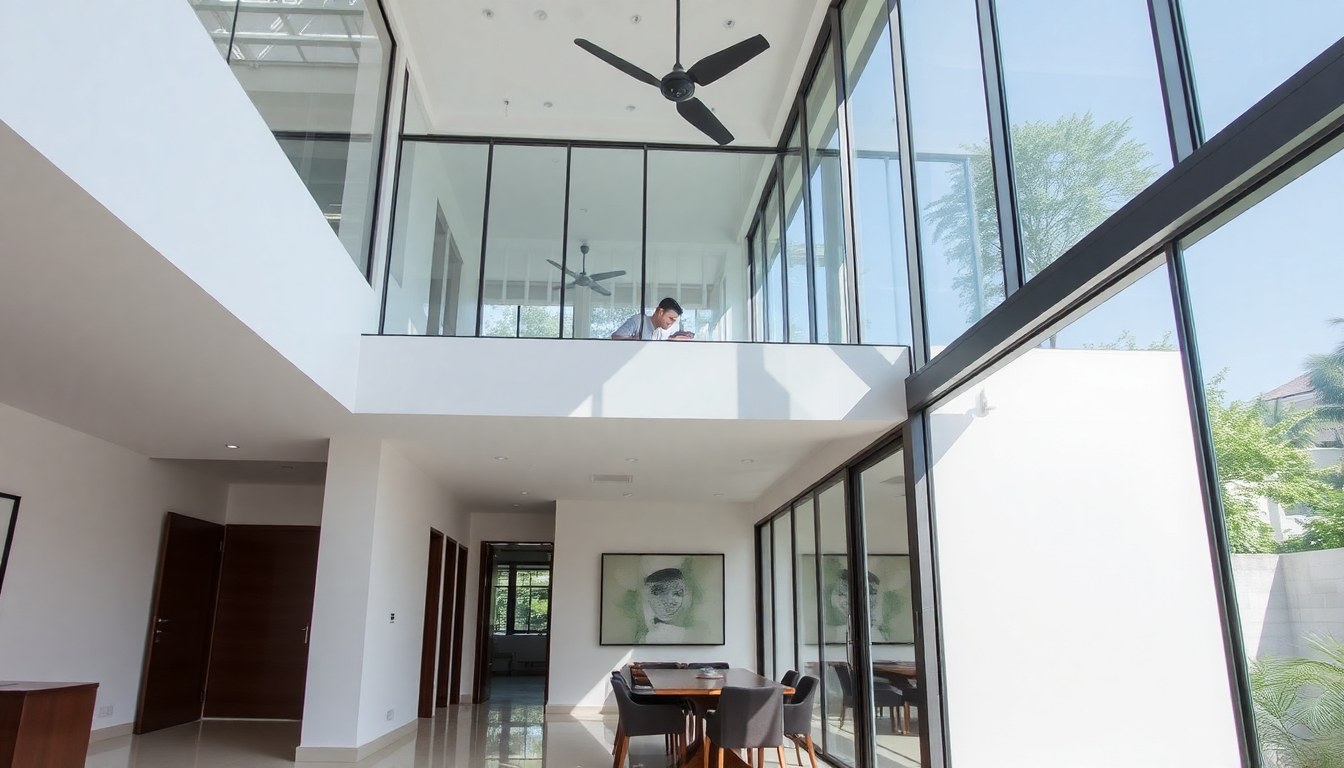
India's summer heat is relentless—peak indoor temperatures can soar beyond 40°C, sending air-conditioning bills through the roof. Low-emissivity (low-E) glass coatings have gained traction as a solution, but the question remains: do they actually work in tropical climates, and is the investment worth it for Indian homeowners? The answer is nuanced, and understanding the science behind these coatings will help you make an informed decision.
What Is Low-E Glass Coating?
Low-emissivity glass is coated with an ultra-thin metallic layer—typically silver, tin oxide, or a combination of metals—that reflects infrared (heat) radiation while allowing visible light to pass through. This coating is applied during the manufacturing process or can be retrofitted onto existing glass, though factory-applied coatings are far more durable and effective.
The technology works on a simple principle: while the sun's energy enters your home as visible light, it converts to infrared heat once it hits interior surfaces. Low-E coatings reflect this infrared radiation back outward, preventing it from warming your indoor spaces. The coating is so thin—measured in nanometers—that it's invisible to the naked eye, yet highly effective at blocking heat.
How Low-E Coatings Are Manufactured
There are two primary methods: pyrolytic (hard coat) and magnetron sputtering (soft coat). Pyrolytic coatings are applied during glass production at high temperatures, making them extremely durable but slightly less efficient. Soft coatings, applied in a vacuum chamber, offer superior thermal performance but require protective sealed units (insulated glass) to prevent oxidation. For Indian homes, soft-coat low-E glass in sealed units is typically recommended for maximum performance.
Effectiveness in India's Tropical Climate
India's climate presents unique challenges: intense solar radiation, high humidity, and sustained heat exposure from March to June. Low-E coatings are most effective in these exact conditions because they specifically target solar heat gain—the primary culprit behind rising indoor temperatures.
Heat Reduction Performance
Laboratory tests and field studies show that low-E glass can reduce solar heat gain by 40–50% compared to standard clear glass. In practical terms, this translates to indoor temperature reductions of 2–4°C during peak summer hours, depending on window orientation, shading, and building design. North and east-facing windows benefit most, as they receive direct morning and afternoon sun.
However, effectiveness varies significantly. A window facing west—which receives the intense afternoon sun—will see greater heat reduction than a north-facing window. Similarly, windows in high-rise buildings in cities like Mumbai or Delhi, where ambient temperatures are already elevated, may see slightly lower absolute temperature drops than in suburban areas with better air circulation.
Real-World Performance Metrics
- Solar Heat Gain Coefficient (SHGC): Standard clear glass has an SHGC of 0.86; low-E glass typically ranges from 0.25–0.40. Lower SHGC values mean better heat rejection.
- U-Value (Thermal Transmittance): Low-E glass reduces heat transfer through the glass itself, with U-values dropping from 5.8 W/m²K (single clear glass) to 1.6–2.2 W/m²K (low-E in sealed units).
- Light Transmission: Quality low-E coatings maintain 70–80% visible light transmission, so you won't experience a noticeably dimmer interior.
Cost-Benefit Analysis for Indian Homeowners
The upfront cost of low-E glass is higher than standard glass—typically 30–50% more expensive. For a 100 sq. ft. window installation, you might pay ₹8,000–₹12,000 per sq. meter for low-E glass versus ₹5,000–₹8,000 for clear glass. For an entire home, this can represent a significant investment.
Return on Investment (ROI)
The payback period depends on several factors: your current cooling costs, window area, climate zone, and electricity rates. In metropolitan areas like Mumbai, Bangalore, or Delhi, where air-conditioning runs 6–8 months annually and electricity costs ₹8–₹12 per unit, homeowners can expect to save ₹15,000–₹30,000 per year on cooling costs with comprehensive low-E glazing.
At this savings rate, a ₹5–₹8 lakh investment in low-E windows across a typical 2,500 sq. ft. home could break even in 15–20 years. While this may seem long, remember that low-E glass lasts 25–30 years, so you'll continue saving after the payback period. Additionally, improved comfort during summer months and potential increases in property resale value add intangible benefits.
Factors That Improve ROI
- Large window-to-wall ratios (more glass means greater savings potential)
- West or southwest-facing facades (maximum solar exposure)
- High ambient electricity costs in your region
- Combining low-E glass with external shading (awnings, louvers) for compounded effect
- Retrofitting in existing homes rather than new construction (where costs are easier to justify)
Practical Considerations for Indian Homes
Beyond the physics and finances, several practical factors determine whether low-E glass is right for your home.
Window Orientation and Design
Work with architects like UHA Mumbai or DK Architecture Design in Ahmedabad to optimize window placement and size. Strategic window design—smaller windows on west-facing walls, larger windows on north or east sides—maximizes the benefits of low-E coatings without requiring the coating on every window. This hybrid approach reduces costs while maintaining effectiveness.
Complementary Shading Solutions
Low-E glass is most effective when paired with external shading: roller blinds, motorized louvers, or traditional Indian solutions like chajjas (overhanging eaves). External shading blocks heat before it reaches the glass, reducing the burden on low-E coatings and air-conditioning systems. Interior shading is less effective because heat has already entered the space.
Humidity and Condensation
In coastal cities like Mumbai or Kochi, high humidity can cause condensation on sealed low-E units if there's a large temperature differential between inside and outside. Ensure proper ventilation and consider low-E units with desiccant-filled spacers to manage moisture. Interior designers like Linear Design can advise on ventilation strategies alongside glazing choices.
Common Misconceptions About Low-E Glass
Several myths circulate about low-E coatings, and it's worth clarifying them:
- Myth: Low-E glass blocks all heat. Reality: It reduces heat gain by 40–50%, not 100%. You still need air-conditioning in Indian summers, but it runs more efficiently.
- Myth: Low-E glass is only for cold climates. Reality: While originally developed for cold regions, low-E technology has evolved. Modern coatings are optimized for hot climates and perform excellently in India.
- Myth: Low-E glass makes interiors dark. Reality: Quality coatings maintain excellent light transmission; any dimming is barely perceptible.
- Myth: Low-E coating lasts forever. Reality: Soft coatings in sealed units last 25–30 years; hard coatings last longer but are less efficient. Plan for replacement or refurbishment after this period.
Frequently Asked Questions
Is low-E glass worth it for apartments in Indian cities?
For apartments with large window areas and high cooling costs, yes. Apartments in Mumbai, Bangalore, or Delhi with west-facing exposures see the fastest ROI. However, if your apartment has small windows or is already well-shaded by neighboring buildings, the savings may not justify the cost. Calculate your annual cooling expenses and window area before deciding.
Can I retrofit low-E coating onto my existing windows?
Retrofitting is possible but less effective than factory-applied coatings. Aftermarket low-E films can reduce heat gain by 30–40%, but they're prone to peeling, have shorter lifespans (10–15 years), and may affect window aesthetics. Replacing windows with factory-coated low-E glass is a better long-term investment, though more expensive upfront.
How much can I expect to save on electricity bills?
Savings depend on your current consumption and local electricity rates. A typical home with 200 sq. meters of window area might save ₹15,000–₹25,000 annually in cities with high cooling demands and electricity costs above ₹8 per unit. In smaller towns with lower rates, savings may be ₹8,000–₹12,000 yearly.
Does low-E glass affect natural light and views?
Quality low-E coatings maintain 70–80% light transmission, so the impact on brightness is minimal. Views remain clear. Some coatings have a slight greenish or bluish tint when viewed from outside, but this is barely noticeable and doesn't affect interior views.
What's the difference between low-E glass and regular tinted glass?
Tinted glass blocks heat through absorption, which heats the glass itself and can cause thermal stress. Low-E glass reflects heat, keeping the glass cooler and more durable. Low-E is also more efficient at reducing heat gain while maintaining better light transmission and views.
Making Your Decision
Low-E glass coating genuinely reduces summer heat in Indian homes, particularly in high-cooling-demand regions. The technology is proven, and the performance improvements are measurable. However, whether it's a smart investment depends on your specific situation: window area, orientation, local climate, electricity costs, and budget.
For homeowners in metropolitan areas with large window areas and sustained air-conditioning use, low-E glass offers tangible long-term savings and improved comfort. For those in smaller spaces or regions with moderate cooling needs, the payback period may stretch beyond 20 years, making it a lower priority.
If you're planning a renovation or new construction, consult with experienced architects and interior designers like Site Practice or Interiors by Mili who understand India's climate challenges and can design a comprehensive cooling strategy combining low-E glass, shading, and ventilation.
Ready to explore low-E glass options for your home? Browse verified glass suppliers and architectural firms on glassy.in, India's largest glass-business directory. Connect with professionals who can assess your specific needs and recommend the best glazing solutions for your climate and budget.