
Glass Guides
Frosted Glass for Kitchen Cabinets: Maintenance & Cleaning Tips
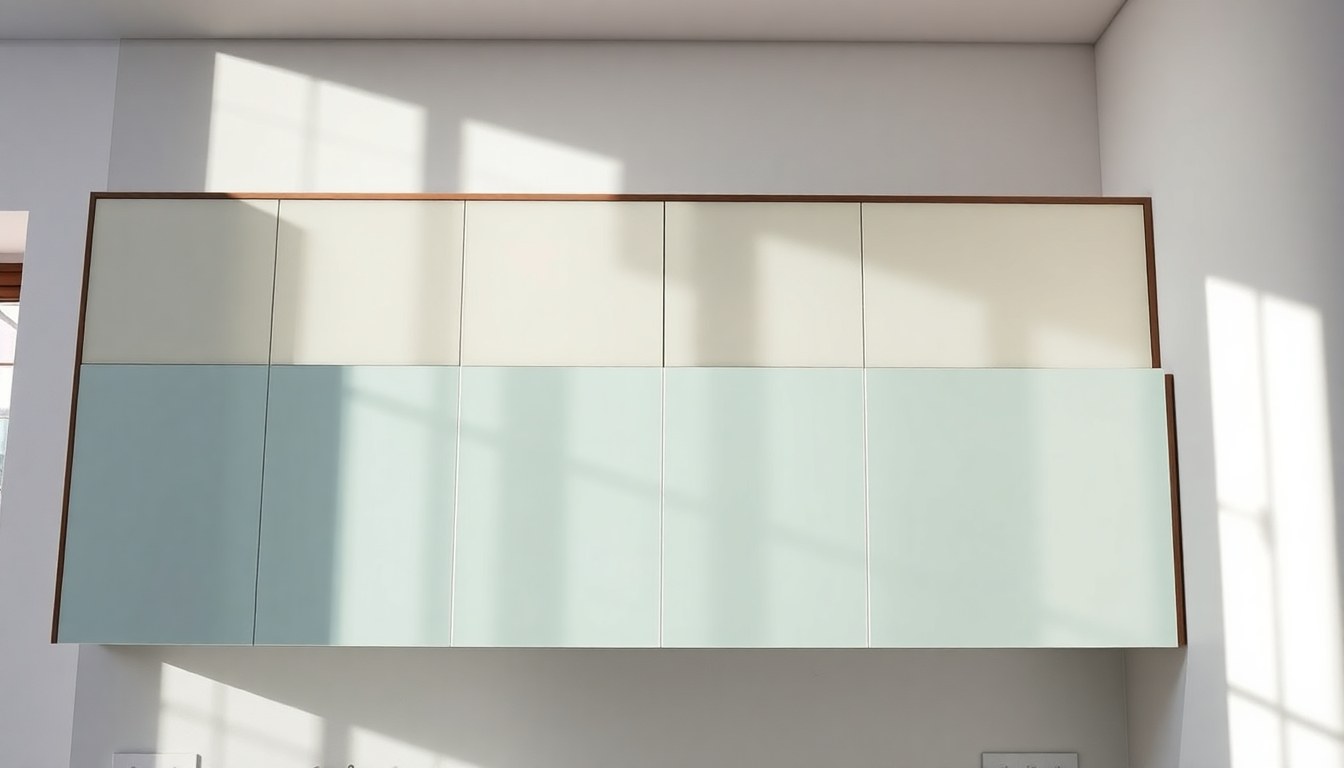
Frosted glass cabinet doors have become a popular choice for modern Indian kitchens, offering a sophisticated look while maintaining privacy for stored items. However, the textured surface that makes frosted glass so attractive also makes it prone to fingerprints, dust accumulation, and grease buildup. With the right maintenance routine and cleaning techniques, you can keep your frosted glass kitchen cabinets looking beautiful and extending their lifespan for years to come.
Understanding Frosted Glass and Why It Needs Special Care
Frosted glass differs from clear glass in its surface treatment. The frosted finish is created through acid-etching or sandblasting, which creates microscopic pits and ridges on the glass surface. This textured finish is what gives frosted glass its distinctive appearance and light-diffusing properties, making it ideal for kitchen cabinets where you want to conceal contents while maintaining an open, airy feel.
The challenge with frosted glass is that these tiny surface irregularities trap dust, grease particles, and fingerprint oils more easily than smooth glass. Regular cleaning prevents buildup that can dull the frosted finish and make your cabinets look tired. Understanding the nature of your frosted glass surface is the first step toward developing an effective maintenance routine.
Daily Cleaning Routine for Frosted Glass Cabinets
A simple daily wipe-down prevents the accumulation of dust and fingerprints that becomes harder to remove over time. Use a soft, lint-free microfiber cloth—the same type used for eyeglasses or camera lenses works perfectly. Microfiber is gentle on the frosted surface and won't scratch the glass or leave streaks.
For daily cleaning, a dry cloth is often sufficient. If you notice fingerprints or light smudges, dampen the microfiber cloth slightly with distilled water. Avoid tap water, which may contain minerals that leave residue on the frosted surface. Gently wipe the affected areas in circular motions, then dry immediately with a separate dry cloth to prevent water spots.
Best Practices for Daily Maintenance
- Wipe cabinet doors at least three times per week, or daily if your kitchen gets heavy use
- Keep a designated microfiber cloth near your kitchen for quick touch-ups
- Address spills and splatters immediately to prevent staining
- Never use paper towels, which can scratch the frosted surface
- Avoid touching cabinet doors with greasy hands whenever possible
Removing Fingerprints and Light Grease Buildup
Fingerprints are the most common issue homeowners face with frosted glass cabinets. The oils from your skin cling to the textured surface and become visible as smudges. For light fingerprints, a 50-50 solution of distilled water and white vinegar works effectively. The acidity of vinegar cuts through oil without damaging the frosted finish.
Mix equal parts white vinegar and distilled water in a spray bottle. Lightly spray the solution onto a microfiber cloth—never spray directly onto the glass, as excess liquid can seep into cabinet seals. Wipe gently across the frosted surface, working in one direction rather than circular motions to avoid streaking. Follow immediately with a dry cloth to prevent water spots and vinegar odor from lingering.
For stubborn fingerprints or light grease, allow the vinegar solution to sit for 2-3 minutes before wiping. This gives the acidity time to break down the oils. If vinegar's smell bothers you, rubbing alcohol (70% isopropyl) is an excellent alternative that evaporates quickly and leaves no residue.
When to Use Specialized Glass Cleaners
Commercial glass cleaners designed for frosted surfaces are available at most Indian home improvement stores and online retailers. Look for products specifically labeled as safe for frosted or textured glass. Avoid general-purpose window cleaners, which often contain ammonia—a harsh chemical that can damage the frosted finish over time and leave streaks.
If you choose a commercial cleaner, test it on an inconspicuous area first. Apply a small amount to your microfiber cloth, wipe a corner of a cabinet door, and observe the results. This prevents potential damage to highly visible areas.
Deep Cleaning for Stubborn Grease and Buildup
Kitchen cabinets near cooking areas accumulate grease and cooking residue more quickly than those in other parts of the kitchen. Monthly deep cleaning prevents this buildup from becoming permanent. For significant grease accumulation, you'll need a slightly stronger solution than daily maintenance requires.
Create a gentle yet effective cleaning solution using warm distilled water, a few drops of mild dish soap, and a tablespoon of white vinegar. The soap breaks down grease, while vinegar cuts through stubborn residue. Mix these ingredients in a bowl rather than a spray bottle, as the soap can create excessive foam.
Step-by-Step Deep Cleaning Process
- Prepare your cleaning solution in a bowl with warm distilled water, mild dish soap, and white vinegar
- Dip a microfiber cloth into the solution, wringing out excess liquid thoroughly—the cloth should be damp, not wet
- Wipe the frosted glass surface gently, allowing the solution to sit for 2-3 minutes on heavily soiled areas
- Use a soft-bristled brush (like an old toothbrush) to gently work the solution into textured areas if needed
- Rinse with a cloth dampened in distilled water only
- Dry thoroughly with a clean microfiber cloth to prevent water spots
Avoid abrasive scrubbing or harsh chemicals. The frosted finish is delicate, and aggressive cleaning can damage the surface texture. If buildup is particularly stubborn, repeat the process rather than applying more force.
Cleaning Agents to Avoid and Safety Precautions
Several common household cleaners can damage frosted glass cabinets. Ammonia-based cleaners, bleach, and abrasive powders should never be used on frosted surfaces. These chemicals can etch the glass further, creating permanent damage or cloudiness. Scouring pads and steel wool will scratch the frosted finish irreparably.
Acidic cleaners like lemon juice or cola, while sometimes recommended for clear glass, can be too harsh for frosted surfaces when used in concentrated form. Always dilute any acidic cleaner significantly, and test on a hidden area first.
Safe Cleaning Agent Checklist
- Safe: Distilled water, white vinegar (diluted), rubbing alcohol (70%), mild dish soap, specialized frosted glass cleaners
- Unsafe: Ammonia, bleach, acetone, abrasive powders, harsh scouring pads, steel wool, concentrated acids
- Tools to Use: Microfiber cloths, soft-bristled brushes, lint-free paper alternatives
- Tools to Avoid: Paper towels, sponges with rough sides, metal scrapers, wire brushes
Always ensure good ventilation when using any cleaning solution, even mild ones. Open windows or turn on your kitchen exhaust fan to disperse any fumes. Wear gloves if you have sensitive skin, as even gentle cleaners can cause irritation with prolonged contact.
Long-Term Durability and Protective Measures
Beyond regular cleaning, several preventive measures can extend the life and appearance of your frosted glass cabinets. Proper installation is crucial—ensure your cabinet doors are securely mounted and don't rattle, as vibration can eventually weaken the glass or the frosted finish.
Consider applying a protective glass coating designed for kitchen use. These products create an invisible barrier that repels water, grease, and dust, making cleaning easier and less frequent. Professional-grade coatings are available through glass suppliers across India, with costs typically ranging from ₹500 to ₹2,000 per cabinet depending on the product and application method.
Maintain consistent humidity levels in your kitchen. Extreme humidity fluctuations can cause condensation on glass surfaces, which traps dust and promotes mineral deposits. A kitchen exhaust fan or dehumidifier helps regulate moisture, particularly important in Indian climates with high humidity during monsoon seasons.
Seasonal Maintenance Tips
During monsoon season, when humidity is highest, increase your cleaning frequency and ensure cabinets dry completely after cleaning. In dry seasons, dust accumulation may accelerate, requiring more frequent light cleaning. Keep cabinet seals and gaskets clean and dry to prevent water penetration that could damage adjacent materials or weaken the seal.
Frequently Asked Questions
Can I use a dishwasher or glass washing machine on frosted glass cabinet doors?
No, frosted glass cabinet doors should never go in a dishwasher or be subjected to high-pressure water jets. The intense water pressure can damage the frosted finish and potentially force water into cabinet interiors or seal areas. Always hand-wash frosted glass using gentle, manual cleaning methods with a damp cloth.
How often should I deep clean frosted glass kitchen cabinets?
For most kitchens, monthly deep cleaning is sufficient. However, if your kitchen is used frequently for cooking, particularly frying or grilling, you may need to deep clean every 2-3 weeks. Daily light maintenance with a dry or slightly damp microfiber cloth significantly reduces how often intensive cleaning becomes necessary.
Why does my frosted glass look cloudy even after cleaning?
Cloudiness usually results from mineral deposits left by tap water or residue from inappropriate cleaning products. Always use distilled water for rinsing, and ensure you're using gentle, frosted-glass-safe cleaners. If cloudiness persists, try a vinegar solution, which dissolves mineral deposits. If the clouding is permanent and covers large areas, the frosted finish itself may be damaged, and professional glass restoration or replacement may be necessary.
Is frosted glass more difficult to maintain than clear glass cabinets?
Frosted glass requires slightly more careful maintenance due to its textured surface, but it's not significantly more difficult. The main difference is avoiding harsh chemicals and abrasive tools. In exchange, frosted glass hides dust and fingerprints better than clear glass in many cases, and some homeowners find it requires less frequent cleaning overall.
What should I do if my frosted glass cabinet door gets a permanent stain or damage?
Minor scratches or small permanent marks may be acceptable as part of normal wear. For significant damage, contact the cabinet manufacturer or a local glass specialist in your area. Depending on the damage severity and your cabinet's age, repair options might include professional glass restoration, partial surface re-frosting, or door replacement. Many glass suppliers across Indian cities offer these services at varying price points.
Keeping your frosted glass kitchen cabinets clean and well-maintained enhances both their beauty and longevity. By following these practical tips and avoiding harsh chemicals, you'll enjoy pristine-looking cabinets that add elegance to your kitchen for years. Looking for quality frosted glass suppliers or professional cabinet maintenance services in your area? Browse our comprehensive directory on glassy.in to connect with trusted glass professionals near you.