
Glass Guides
Glass Skylight Maintenance: Prevent Leaks and Condensation Year-Round
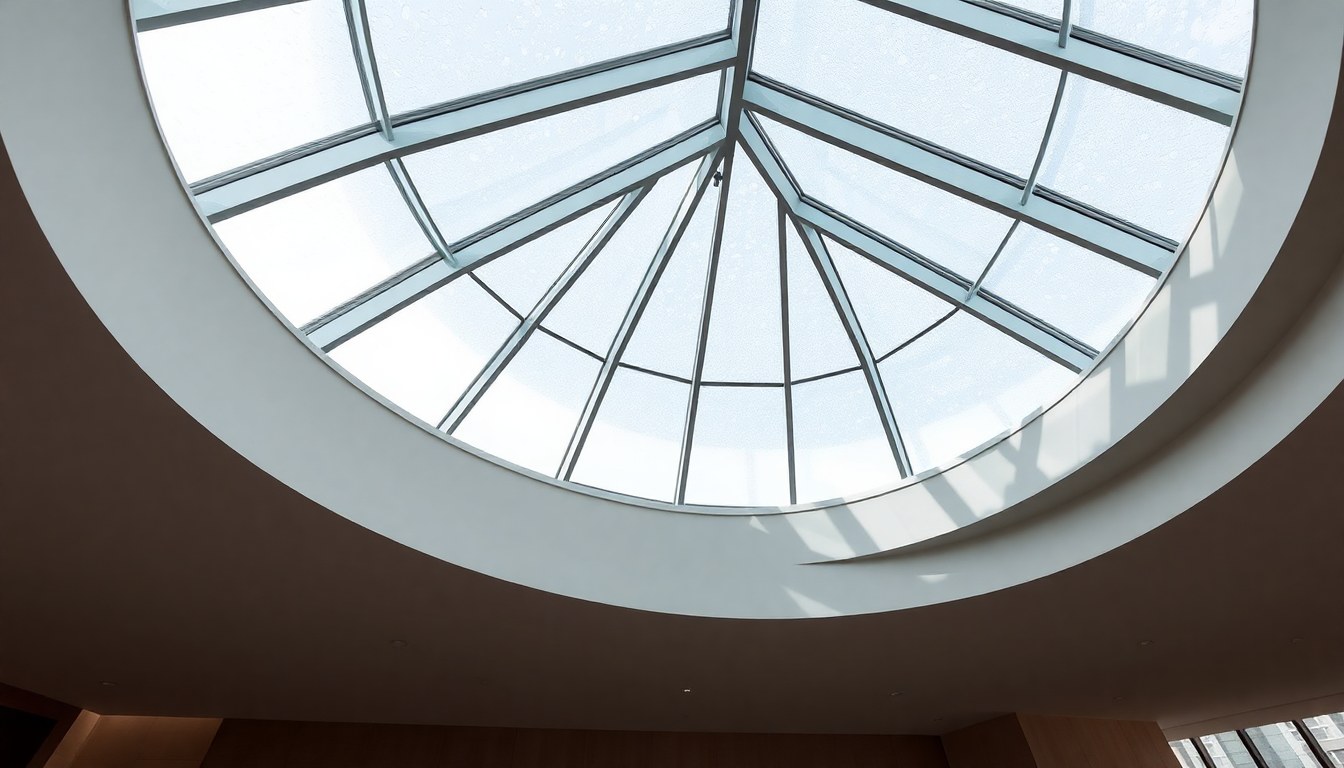
Skylights flood your home with natural light and create a sense of openness, but they also introduce a unique maintenance challenge—they're exposed to weather from above. In India's diverse climate, from heavy monsoons to intense summer heat and winter temperature swings, skylights face constant stress that can lead to leaks, condensation, and structural damage if neglected. This guide walks you through seasonal maintenance tasks that keep your glass skylights performing beautifully and protect your home from water damage and energy loss.
Understanding Why Skylights Leak and Condensation Forms
Skylights are vulnerable to leaks because they sit at the intersection of your roof and interior space, creating multiple potential entry points for water. Unlike windows on vertical walls, skylights face direct rainfall and collect debris, leaves, and dirt that trap moisture. Condensation occurs when warm, humid air inside your home meets the cooler glass surface—a problem that intensifies during monsoon season in India when outdoor humidity spikes.
The root causes of skylight problems include deteriorated sealants around the frame, poor ventilation that allows moisture buildup, thermal stress from temperature fluctuations, and damage to the insulated glass unit (IGU). Understanding these causes helps you prioritize maintenance and catch problems early before they require expensive repairs.
Spring and Summer: Inspection and Sealant Care
Visual Inspection Checklist
Begin your spring maintenance with a thorough visual inspection from inside and outside. Look for visible cracks or chips in the glass, discoloration or staining around the frame edges, and any signs of water damage on the ceiling or walls below the skylight. Check the sealant—the flexible material around the frame perimeter—for gaps, peeling, or hardening. In India's intense summer heat, sealants can degrade faster, especially on south-facing skylights that receive direct afternoon sun.
Inspect the flashing (the metal trim that connects the skylight to the roof) for rust, gaps, or separation from the roof. Look for debris accumulation on the skylight surface and in the gutter area. Document any issues with photos so you can track changes across seasons and decide whether professional repair is needed.
Cleaning and Sealant Replacement
Clean the glass carefully using a soft cloth, mild soap, and water. Avoid abrasive cleaners or high-pressure jets that can damage seals. For stubborn stains, use a plastic scraper rather than metal tools. After cleaning, inspect the sealant closely—if it's cracked, shrinking, or pulling away from the frame, it's time to reseal.
Sealant replacement is a critical maintenance task. Use a silicone-based sealant rated for exterior use and UV resistance—brands like Dow Corning or Sika are reliable choices available in India. Remove old sealant with a caulk removal tool, clean the surface thoroughly, and apply fresh sealant in a continuous bead. This typically costs ₹2,000–₹5,000 per skylight depending on size and accessibility. Properly sealed skylights dramatically reduce leak risk and condensation problems.
Monsoon Season: Moisture Control and Leak Prevention
Pre-Monsoon Preparation
Before monsoon arrives, ensure your skylight is in peak condition. Test the sealant by spraying water on the frame with a hose and watching for drips inside—this simple test reveals weaknesses before heavy rains arrive. Clear gutters and roof drains of debris to ensure water flows away from the skylight rather than pooling around it. If your skylight has a built-in drain system, verify it's clear and functioning.
Check that your home's ventilation system is working properly. Inadequate ventilation during monsoon traps humid air indoors, leading to condensation on the skylight glass and potential mold growth. If you have exhaust fans in bathrooms or kitchens, ensure they vent outside, not into the attic where moisture can accumulate near the skylight.
Managing Condensation During High Humidity
Condensation on skylights is nearly inevitable during monsoon, but excessive buildup indicates a problem. Wipe condensation away daily with a soft cloth to prevent water from trickling down the frame and into sealant gaps. Use a dehumidifier in rooms prone to condensation, especially bedrooms and living areas directly below skylights. Improving air circulation—opening windows when it's not raining, using ceiling fans—helps reduce humidity levels.
If condensation persists despite these efforts, it may indicate that your IGU (insulated glass unit) has failed internally—meaning the seal between glass panes has broken and moisture is trapped inside. This requires IGU replacement, which typically costs ₹8,000–₹20,000 depending on size. Replacing a failed IGU is essential because it compromises insulation and can't be fixed by cleaning or maintenance alone.
Autumn and Winter: Thermal Stress and Maintenance
Preventing Thermal Stress Damage
Winter in many Indian regions brings temperature swings that stress skylights. When outdoor temperatures drop at night and rise during the day, glass expands and contracts, straining the sealant and frame. This thermal cycling is particularly severe in northern India where winters can be cold. To minimize thermal stress, ensure your skylight is well-insulated and properly ventilated so interior temperatures remain stable.
Avoid sudden temperature changes near the skylight—don't direct heating vents or air conditioning directly at the glass. If you use heaters or air conditioners, ensure they're positioned to maintain gradual temperature transitions. This simple step extends sealant life and reduces the risk of glass cracking from thermal shock.
Checking Frame and Flashing Integrity
Winter weather in northern India and elevated regions can expose frame and flashing problems. Inspect the aluminum or vinyl frame for corrosion, particularly if you live near coastal areas or in regions with high air pollution. Check that flashing is securely attached and isn't lifting or separating from the roof. If you notice rust on metal flashing, sand it down and apply rust-preventive paint to extend its life.
Look for signs of water damage on the ceiling or walls around the skylight—water stains, discoloration, or soft drywall indicate past leaks. These may not be active problems, but they suggest your sealant or flashing needs attention. Addressing these issues now prevents more serious damage during the next monsoon season.
When to Replace Your Skylight or IGU Unit
Most quality skylights last 15–25 years with proper maintenance. However, certain conditions warrant replacement before the end of their lifespan. If your skylight has failed IGU (visible condensation between panes), persistent leaks despite repeated sealant repairs, visible glass cracks, or severe frame corrosion, replacement is more cost-effective than ongoing repairs.
Modern skylights offer better insulation and durability than older models. Upgrading to a low-E glass skylight reduces heat gain in summer and heat loss in winter, lowering your cooling and heating costs. Prices for replacement skylights in India range from ₹15,000 to ₹50,000+ depending on size, glass type, and frame material. Professional installation ensures proper flashing and sealant, preventing future leaks.
If you're replacing only the glass pane (IGU), ensure the new unit matches the original specifications—size, thickness, and tint. Mismatched replacements can create thermal stress and accelerate failure. Always hire a professional glazier for IGU replacement to ensure proper fitting and sealing.
Year-Round Maintenance Schedule
Consistent maintenance prevents costly repairs. Follow this simple schedule to keep your skylights in excellent condition:
- Monthly: Wipe condensation and check for visible water stains or damage.
- Quarterly: Clean glass and inspect sealant for cracks or gaps.
- Spring: Perform detailed visual inspection and clean gutters.
- Pre-Monsoon: Test sealant with water spray and verify ventilation systems.
- Post-Monsoon: Check for water damage and reseal if needed.
- Winter: Inspect frame and flashing for corrosion and damage.
- Every 5 years: Have a professional inspect and reseal if necessary.
- Every 15–20 years: Consider replacement if the skylight is aging or has recurring problems.
Frequently Asked Questions
How can I tell if my skylight sealant needs replacement?
Signs that sealant needs replacement include visible cracks or gaps, areas where sealant is pulling away from the frame, hardened or brittle sealant that doesn't flex when pressed, and water dripping inside during rain. If you see any of these signs, reseal promptly to prevent leaks. A simple water test—spraying the frame with a hose and watching for drips inside—confirms whether sealant is failing.
Why does condensation form on skylights, and is it always a problem?
Condensation forms when warm, humid indoor air meets the cooler glass surface. Light condensation on the glass surface is normal, especially during monsoon or winter mornings, and disappears as the glass warms. However, persistent heavy condensation, condensation between glass panes (inside the IGU), or water pooling on the frame indicates a problem—either poor ventilation or a failed IGU seal. Persistent condensation should be addressed to prevent mold and water damage.
What's the difference between a failed IGU and a sealant problem?
A sealant problem shows condensation on the frame or frame edges and can be fixed by resealing. A failed IGU shows condensation or fogging between the glass panes inside the unit, which cannot be cleaned or fixed—the entire IGU must be replaced. You can test this by looking closely at the glass surface: if moisture is on the outside surface, it's sealant or ventilation; if it's trapped between panes, the IGU has failed.
How much does skylight maintenance typically cost in India?
Routine maintenance (cleaning and inspection) is free if you do it yourself. Professional sealant replacement costs ₹2,000–₹5,000 per skylight. IGU replacement ranges from ₹8,000–₹20,000. Full skylight replacement (frame, flashing, and glass) costs ₹15,000–₹50,000+ depending on size and type. Regular maintenance costing a few hundred rupees annually prevents expensive repairs, making it a smart investment.
Can I repair a leaking skylight myself, or do I need a professional?
Simple tasks like cleaning, clearing debris, and resealing can be DIY if you're comfortable with heights and have basic tools. However, if the leak is severe, the flashing is damaged, or you need to replace the IGU or frame, hire a professional glazier. Improper repairs can worsen problems and void warranties. Professional installation ensures your skylight functions properly and is protected against future leaks.
Keep Your Skylights Bright and Leak-Free
Regular maintenance transforms skylight care from a source of stress into a manageable routine that protects your home and preserves the beauty of natural light. By inspecting sealants seasonally, controlling moisture during monsoon, managing thermal stress, and knowing when to replace components, you'll enjoy leak-free, condensation-free skylights for decades.
When you're ready to upgrade or replace your skylight, connect with trusted glass suppliers and professional installers through glassy.in, India's largest glass-business directory. Browse verified vendors in your city, compare services, and find the right partner for your skylight maintenance or replacement needs.