
Glass Guides
Glass Skylight Installation: Structural Support & Waterproofing Essentials
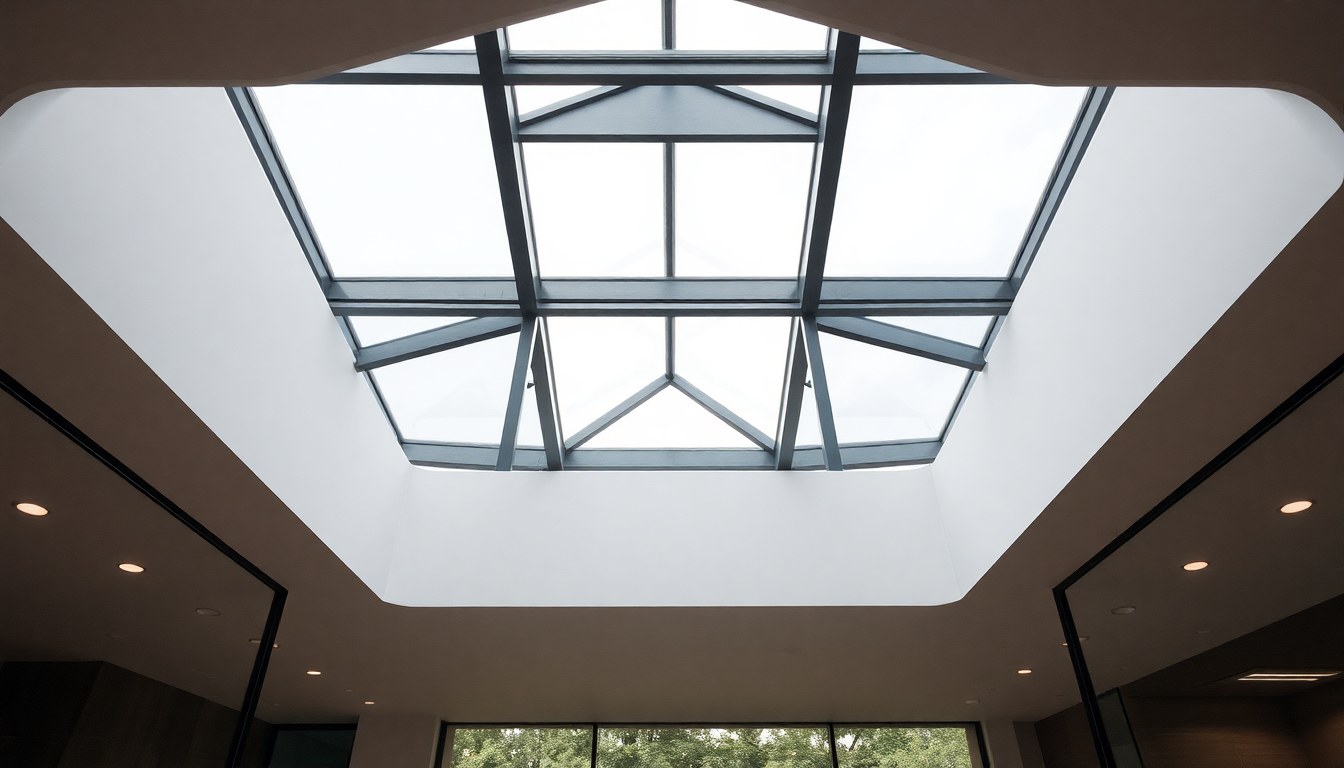
A glass skylight transforms any room into a bright, airy space while reducing daytime electricity costs—but improper installation invites water damage, structural failure, and costly repairs. Whether you're planning a skylight for your Mumbai penthouse or a Bangalore villa, understanding load calculations, sealant selection, and monsoon-proofing is non-negotiable. This guide walks you through every step to ensure your skylight stays dry, secure, and beautiful for decades.
Understanding Structural Load Requirements
Before cutting a hole in your roof, you must determine whether your roof structure can handle the additional weight and stress. A typical glass skylight weighs 15–40 kg, depending on size and glass thickness, but the real challenge is distributing wind loads, thermal stress, and the occasional maintenance worker stepping on it. In Indian climates—especially regions prone to cyclones or heavy monsoons—wind load calculations are critical.
Start by consulting your building's original structural drawings or hiring a structural engineer to assess your roof framing. They'll identify load-bearing walls, beam spacing, and whether reinforcement is needed. For most residential installations in Indian cities, a qualified engineer costs ₹5,000–₹15,000 but prevents catastrophic failures. Never skip this step, even if your builder insists the roof "looks strong enough."
Load Calculation Basics
- Dead Load: The permanent weight of the skylight assembly (frame, glass, sealants). Typically 20–35 kg for a 1m × 1m unit.
- Live Load: Temporary loads like maintenance workers or snow accumulation. Indian building codes (IS 875) recommend 1.5 kN/m² for pitched roofs.
- Wind Load: Critical in coastal areas and monsoon zones. Wind pressure can reach 2–3 kN/m² depending on your location and building height.
- Thermal Load: Glass expands and contracts with temperature swings, creating stress on the frame. Proper gaskets and expansion joints absorb this movement.
If your engineer recommends reinforcement, budget ₹10,000–₹30,000 for additional beams, brackets, or header installation. This upfront cost is far cheaper than replacing water-damaged ceilings or dealing with a collapsed skylight.
Choosing the Right Glass and Frame Materials
Not all glass is suitable for skylights. Single-pane clear glass offers no insulation, conducts heat aggressively, and shatters dangerously if impacted. In India's tropical climate, you'll want glass that reduces solar heat gain while maintaining clarity and safety.
For residential skylights, laminated glass (two panes bonded with polyvinyl butyral) is the gold standard. It's safer (won't shatter into sharp pieces), reduces UV penetration by 99%, and provides better insulation than single pane. Expect to pay ₹3,000–₹8,000 per square meter for quality laminated glass.
Glass Specifications for Indian Climates
- Thickness: Minimum 6mm laminated glass for residential use. Coastal or high-wind zones should use 8mm or 10mm.
- Coating Options: Low-E (low-emissivity) coatings reflect heat back into the room during winter and block solar heat in summer—ideal for energy efficiency. Adds ₹1,500–₹3,000 per m².
- Tinting: Bronze or gray tints reduce glare and heat gain by 30–40%, especially useful in south-facing installations.
For the frame, aluminum is lightweight and corrosion-resistant, making it ideal for monsoon regions. Vinyl frames offer better insulation but are less durable in extreme heat. Steel frames are sturdy but prone to rust—use hot-dip galvanized steel if you must. Frames cost ₹2,000–₹6,000 per linear meter, depending on material and profile.
Waterproofing: The Most Critical Step
Water infiltration is the #1 reason skylights fail in India. Monsoon rains, condensation, and thermal cycling create multiple pathways for water to enter your home. Proper waterproofing involves three layers: the sealant interface, the flashing system, and the drainage plane.
Begin with structural sealants that bond the glass to the frame. Silicone-based sealants (like those meeting ASTM C920 standards) are most reliable for skylights. They remain flexible across temperature swings (critical in India's 15–50°C range) and resist UV degradation. Apply a continuous bead, typically 10–12mm wide, on all four sides. Budget ₹1,000–₹2,500 for high-quality sealant per skylight.
Flashing and Drainage Installation
Flashing—the metal or membrane interface between the skylight frame and the roof—prevents water from flowing under the skylight. The flashing must be installed in the correct sequence: the upper flashing overlaps the roof material, and the lower flashing extends into the gutter or drainage path.
- Install upper flashing first: Slide it under the shingles or tiles above the skylight opening. Secure with corrosion-resistant fasteners (stainless steel or galvanized).
- Install the skylight frame: Center it on the opening and secure to the roof structure with the provided brackets. Use stainless steel bolts to avoid rust.
- Install lower flashing: This piece sits below the frame and directs water into the roof's drainage system or gutter. Overlap must be at least 75mm.
- Seal all seams: Apply polyurethane or silicone sealant to every flashing joint. Don't skimp—this is where most leaks originate.
- Install interior trim and membrane: On the interior, install a secondary moisture barrier (often a rubber or PVC membrane) that catches any water that bypasses the flashing. This creates a "belt-and-suspenders" approach essential for monsoon regions.
Total flashing and sealant materials typically cost ₹3,000–₹8,000 per skylight. In high-rainfall zones like Kerala, Goa, or coastal Maharashtra, invest in premium flashing systems rated for heavy water exposure.
Monsoon-Proofing for Indian Homes
India's monsoon season (June–September) brings intense rainfall, often exceeding 200mm in a single day. Standard waterproofing is insufficient; you need monsoon-specific strategies.
Pre-Monsoon Inspection Checklist
- Check all sealant beads for cracks or gaps. Silicone sealants degrade over 5–7 years; replace if you see white chalking or separation.
- Inspect flashing for rust, dents, or gaps. Repair or replace immediately.
- Clear roof gutters and downspouts of debris. A blocked gutter forces water to back up and infiltrate the skylight.
- Test the interior drainage membrane by pouring water on the roof around the skylight. Watch for drips inside.
- Verify that the skylight is sloped correctly (minimum 5° pitch) to shed water rather than collect it.
Additionally, consider installing a removable storm cover or polycarbonate shield during peak monsoon months. These cost ₹2,000–₹5,000 and provide an extra layer of protection against driving rain and debris.
For skylights in regions with extreme rainfall, apply a secondary waterproof membrane to the exterior roof surface around the skylight. Bituminous or polyurethane membranes add ₹1,500–₹3,500 but significantly reduce leak risk.
Installation Best Practices and Common Mistakes
Even premium materials fail if installation is sloppy. Hire experienced contractors familiar with skylight installation in your climate zone. Inexperienced installers often make these mistakes:
- Insufficient sealant bead: Applying a thin, incomplete sealant layer. The bead must be continuous and 10–12mm wide.
- Reversed flashing: Installing flashing upside-down or in the wrong order, allowing water to flow under the frame instead of away from it.
- Skipping the interior membrane: Relying solely on exterior flashing without a backup moisture barrier.
- Overtightening fasteners: This cracks glass and distorts the frame, creating gaps.
- Ignoring thermal expansion: Failing to leave proper gaps between the frame and roof structure for movement. This causes stress cracks in sealants.
Before signing off on installation, request a water test: the contractor should spray water on the roof around the skylight while you observe the interior for any drips. Don't accept the skylight until it passes.
Maintenance and Long-Term Care
A properly installed skylight requires minimal maintenance, but neglect accelerates failure. Every 6 months (or quarterly in monsoon regions), inspect and clean:
- Exterior glass: Remove bird droppings, algae, and debris with a soft cloth and mild soap. Avoid abrasive cleaners that scratch the glass.
- Sealant joints: Look for cracks, shrinkage, or mold growth. Replace sealant if degradation is visible.
- Flashing: Check for rust, gaps, or loose fasteners. Tighten or replace as needed.
- Gutters and downspouts: Clear leaves and debris to maintain proper drainage.
Budget ₹500–₹1,500 annually for maintenance supplies and professional inspection. This small investment extends your skylight's lifespan from 15–20 years to 25–30+ years.
Frequently Asked Questions
What is the typical cost of a glass skylight installation in India?
A complete skylight installation ranges from ₹25,000 to ₹80,000 for a 1m × 1m unit, depending on glass type, frame material, location, and structural reinforcement needs. Budget breakdown: glass ₹8,000–₹20,000, frame ₹5,000–₹12,000, flashing and sealants ₹3,000–₹8,000, labor ₹8,000–₹20,000, and structural reinforcement (if needed) ₹10,000–₹30,000. Coastal or monsoon-prone areas typically cost 20–30% more due to premium materials and labor expertise.
Can I install a skylight myself, or do I need a professional?
Unless you're an experienced roofer or builder, hire a professional. Skylight installation involves roof work, load-bearing calculations, and waterproofing—mistakes can cause structural damage, water infiltration, or personal injury. A professional installation includes structural assessment, proper flashing, sealant application, and warranty. The labor cost (₹8,000–₹20,000) is a worthwhile investment compared to the risk and cost of repairs.
How often should I replace the sealant around my skylight?
High-quality silicone sealants last 5–7 years in Indian climates. In monsoon regions with intense UV exposure and temperature swings, inspect annually and replace every 4–5 years. Signs of degradation include white chalking, cracking, shrinkage, or mold growth. Don't wait for leaks to appear—preventive replacement is much cheaper than water damage repairs.
What's the difference between laminated and tempered glass for skylights?
Laminated glass (two panes bonded with polyvinyl butyral) is safer for skylights because it doesn't shatter into sharp pieces if broken—the interlayer holds fragments together. It also provides better UV protection and insulation. Tempered glass is individually hardened and shatters into small, relatively harmless pieces, but it's not bonded and offers less insulation. For residential skylights in India, laminated glass is the recommended choice, especially in high-traffic areas or homes with children.
Is a skylight leak always a sign of installation failure?
Not necessarily. Leaks can result from poor maintenance (clogged gutters, deteriorated sealant), structural settling, or damage from storms. However, leaks within the first 2–3 years usually indicate installation problems. If you experience leaks, first check gutters and sealant condition. If those are fine, contact your installer—they should warranty against defects. In monsoon regions, leaks can also develop if the interior drainage membrane is missing or compromised.
Conclusion
A glass skylight is a beautiful investment that brightens your home and reduces energy costs—but only if installed correctly. By understanding structural load requirements, selecting appropriate glass and frame materials, implementing robust waterproofing, and following monsoon-specific precautions, you'll ensure your skylight remains leak-free and structurally sound for decades.
Ready to find a trusted skylight installer or supplier in your area? Browse our directory at glassy.in to connect with verified glass professionals across India who specialize in skylight installation, waterproofing, and structural support. Get quotes, read reviews, and choose the right partner for your project.