
Glass Guides
Low-E Glass Coating: How It Works & Long-Term Savings
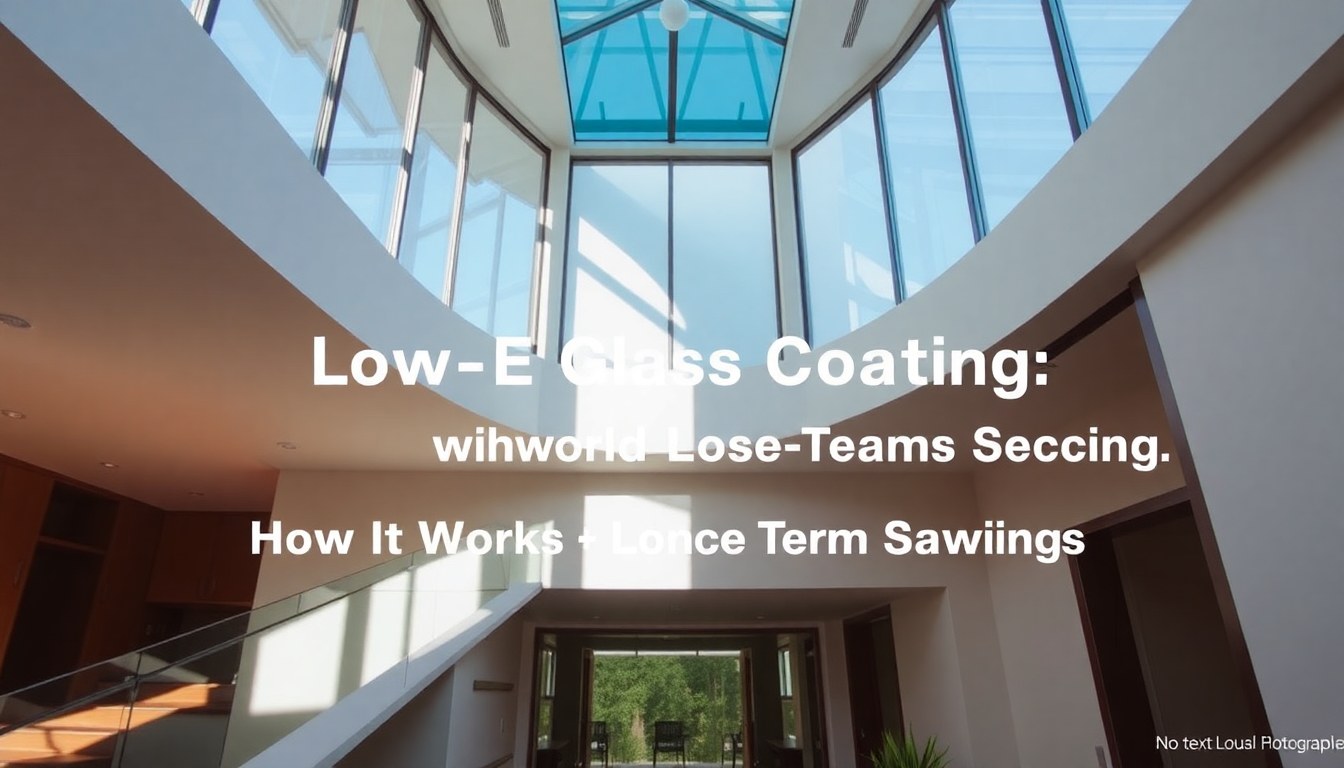
If you're building or renovating a home in India's hot climate zones, low-emissivity (low-E) glass coatings are one of the smartest investments you can make for your windows. These microscopic metallic coatings reflect heat while allowing light through, dramatically reducing your cooling costs year-round. In this guide, we'll break down exactly how low-E glass works, calculate realistic savings for Bangalore and Delhi homeowners, and help you understand whether the upfront cost delivers genuine long-term value.
What Is Low-E Glass Coating?
Low-emissivity glass is regular glass with an ultra-thin, transparent coating of metallic oxides—typically silver, tin oxide, or a combination of metals. This coating is applied either during the manufacturing process (hard coat) or in a laboratory setting after production (soft coat). The coating is invisible to the naked eye but performs a critical thermal function: it reflects infrared radiation (heat) while transmitting visible light.
The term "emissivity" refers to a material's ability to emit thermal radiation. Standard clear glass has high emissivity, meaning it radiates heat freely. Low-E glass, by contrast, has emissivity values as low as 0.04—meaning it reflects up to 96% of infrared radiation. This property is what makes it so effective at maintaining indoor temperature and reducing energy consumption.
Hard Coat vs. Soft Coat Low-E Glass
Hard-coat low-E glass is manufactured by applying the coating during the float glass process at extremely high temperatures. It's more durable and scratch-resistant, making it ideal for single-pane applications and exterior-facing windows. However, it has slightly lower thermal performance than soft-coat variants.
Soft-coat low-E glass is applied in a vacuum chamber after production, resulting in superior thermal insulation properties. It's typically used in insulated glass units (IGUs)—double or triple-glazed windows where the coated surface faces the air gap. Soft-coat glass is more delicate and must be protected during handling and installation, but it delivers better energy performance.
How Low-E Coating Reduces Heat Loss
India's climate presents two distinct challenges: intense summer heat and, in northern regions, significant winter heat loss. Low-E coatings address both through a simple but elegant physics principle.
During summer, the sun's infrared radiation hits your windows. A standard window allows most of this heat to pass through, warming your interior. A low-E-coated window reflects 40–70% of that infrared energy back outside, keeping your rooms cooler without blocking daylight. In winter, your air conditioning or heater warms the interior air. Standard glass allows this heat to escape as infrared radiation through the window. Low-E coating reflects this interior heat back into the room, reducing the energy needed to maintain comfort.
The Role of Insulated Glass Units (IGUs)
Low-E coatings perform best when combined with insulated glass units. An IGU consists of two or three panes separated by an air or argon gas gap. The low-E coating is applied to one of the interior surfaces (typically the surface facing the air gap). This configuration traps heat in winter and keeps heat out in summer, creating a thermal barrier that single-pane windows cannot match.
The air gap itself acts as an insulator. Argon gas, which is denser than air, provides even better insulation. Together, low-E coating plus IGU technology can reduce heat transfer by 50–70% compared to standard single-pane clear glass.
Energy Savings: Real Numbers for Indian Homes
The financial benefit of low-E glass depends on your climate, current window type, home size, and energy consumption patterns. Let's look at realistic scenarios for two major Indian markets.
Bangalore Climate Profile
Bangalore's average annual temperature ranges from 15°C to 28°C, with cooling demands concentrated in March through May. Homes typically run air conditioning 6–8 hours daily during peak season. If your home has 300 square feet of window area with standard clear glass, upgrading to low-E IGUs can reduce cooling load by approximately 20–30%, depending on window orientation and shading.
A typical 3-bedroom apartment in Bangalore with ₹50,000–70,000 annual cooling costs could save ₹10,000–15,000 annually by switching to low-E glass. Over 10 years, that's ₹1,00,000–1,50,000 in energy savings. Low-E IGU windows cost roughly ₹800–1,200 per square foot installed, meaning a 300 sq ft retrofit would cost ₹2,40,000–3,60,000. The payback period is typically 16–24 years, but combined with the comfort improvement and increased property value, the ROI becomes compelling.
Delhi Climate Profile
Delhi experiences extreme seasonal swings: scorching summers (May–June regularly exceed 45°C) and cold winters (December–January drop to 5°C or below). This dual demand—intense cooling in summer and heating in winter—makes low-E glass particularly valuable. A Delhi home with poor windows might spend ₹60,000–80,000 annually on heating and cooling combined.
Low-E glass can reduce this burden by 25–35%, saving ₹15,000–25,000 per year. Over a 10-year window, savings reach ₹1,50,000–2,50,000. Installation costs remain similar (₹800–1,200 per sq ft), but the faster payback period (12–18 years) and dramatic comfort gains make it a stronger investment in Delhi's climate.
Factors Affecting Your Actual Savings
- Window orientation: North and east-facing windows benefit most in summer; south and west-facing windows are critical in winter.
- Existing window condition: Upgrading from single-pane to low-E IGU saves more than upgrading from standard double-glazing.
- Building insulation: Low-E glass works best in homes with good wall and roof insulation. Poor overall insulation limits the window's impact.
- Shading and ventilation: External shading (awnings, trees) reduces cooling load; natural ventilation can lower AC dependence.
- Energy tariffs: Higher electricity rates increase the value of energy savings. Delhi and Bangalore tariffs differ; calculate based on your local rates.
Installation and Maintenance Considerations
Low-E glass requires professional installation, especially for IGU units. The coating is delicate on soft-coat variants, and improper handling can damage it. When retrofitting existing windows, ensure your installer has experience with low-E glass and can properly seal the IGU edges to prevent moisture ingress.
Maintenance is straightforward: clean low-E glass like standard glass using mild soap and soft cloths. Avoid abrasive cleaners or rough scouring, which can scratch the coating. The coating itself is sealed between glass panes in an IGU, so it's protected from weathering and wear.
If you're planning a major renovation, consult with architects like DK Architecture Design or Site Practice to integrate low-E windows into your overall thermal design strategy. Interior designers such as SIRA INTERIORS can also advise on window placement and shading to maximize performance.
Choosing the Right Low-E Glass for Your Needs
Low-E coatings come in different formulations, each optimized for different climates. In India, you'll encounter two main types:
Solar-control low-E: This formulation prioritizes heat rejection and is ideal for hot climates like Bangalore, Mumbai, and coastal regions. It reflects 60–70% of solar radiation, keeping homes cooler but allowing less solar heat gain in winter. If your primary concern is summer cooling, this is your choice.
Thermal-control low-E: This variant balances solar control with winter heat retention, making it better for Delhi and northern India where heating costs matter. It reflects 40–50% of summer heat while maximizing useful solar gain in winter.
When purchasing, look for products certified by Indian Standards (IS 2553 for flat glass) or international standards like NFRC or EN. Reputable glass dealers and fabricators like Mittal Fabrication can source quality low-E glass and ensure proper installation with correct spacers, sealants, and edge sealing for maximum durability.
Additional Benefits Beyond Energy Savings
While energy savings are the primary driver, low-E glass delivers other advantages. It reduces UV transmission by 50–99%, protecting furniture, artwork, and flooring from fading. It improves comfort by reducing cold spots near windows in winter and hot spots in summer—a phenomenon called "radiant asymmetry." It also enhances privacy slightly and can reduce external noise when combined with acoustic glass.
For property resale, low-E glass is increasingly recognized as a premium feature. Buyers in Bangalore and Delhi are becoming energy-conscious, and homes with efficient windows command higher valuations. The combination of lower operating costs and modern appeal makes low-E glass a legitimate investment in your property's future value.
Frequently Asked Questions
Does low-E glass block natural light?
No. Low-E coatings are specifically designed to transmit visible light while reflecting infrared radiation. You'll notice no perceptible difference in brightness or light quality compared to standard glass. Visible light transmittance (VLT) for most low-E products ranges from 65–75%, similar to standard clear glass.
Can low-E glass be retrofitted to existing windows?
Retrofitting low-E coating to existing single-pane windows is not practical—the coating must be applied during manufacturing or in controlled laboratory conditions. However, you can replace old windows with new low-E IGU units. This is more expensive than coating but delivers superior performance and durability.
How long does a low-E coating last?
When properly installed in an IGU, low-E coatings last the lifetime of the glass—typically 20–30+ years. The coating is sealed between glass panes, protecting it from oxidation, scratching, and environmental degradation. Hard-coat variants are slightly more durable than soft-coat, but both perform well when installed correctly.
Is low-E glass more expensive than standard glass?
Yes, low-E glass costs 30–50% more than standard clear glass. A soft-coat low-E IGU window typically costs ₹800–1,200 per square foot installed, compared to ₹500–700 for standard double-glazing. However, energy savings often recover this premium within 12–24 years, after which you're saving money.
Does low-E glass work in cloudy or overcast climates?
Absolutely. Low-E glass reduces heat loss regardless of weather. Even on cloudy days, your home loses heat through windows. The coating reflects this interior heat back inside, lowering heating costs. In India's tropical regions with monsoon seasons, low-E glass still delivers meaningful savings by reducing AC runtime on humid, cooler days.
Start Your Low-E Glass Journey Today
Low-E glass coating is one of the most cost-effective ways to reduce energy consumption and improve comfort in Indian homes. Whether you're in Bangalore's heat or Delhi's extreme seasons, the long-term savings and enhanced livability make it a worthwhile investment. Browse verified glass dealers, architects, and interior designers on glassy.in to find trusted professionals who can assess your windows, recommend the right low-E solution, and handle professional installation. Your future self—and your electricity bill—will thank you.