
Glass Guides
Frosted Glass vs Acid-Etched Glass: Which Finish Lasts Longer?
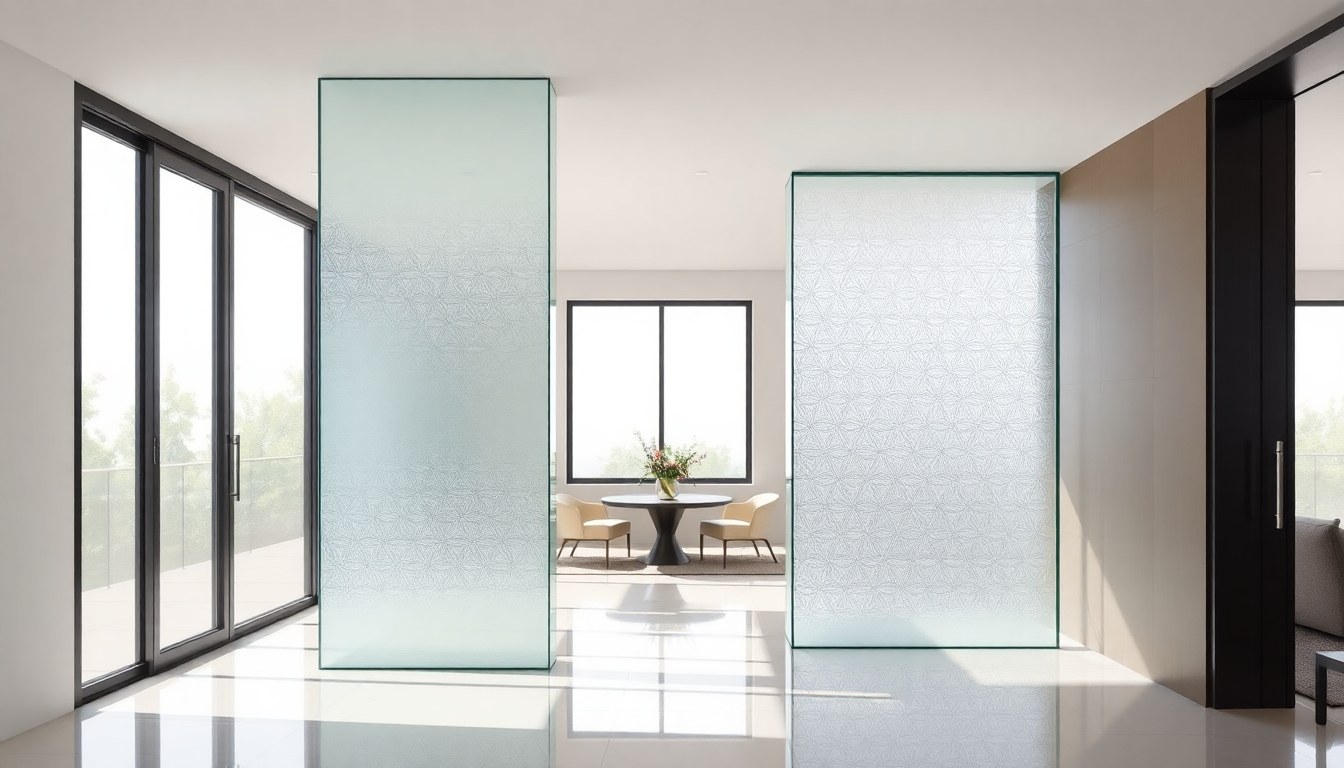
When choosing a privacy glass solution for your bathroom, office partition, or interior divider, frosted and acid-etched finishes are two popular options that look remarkably similar at first glance. However, their durability, maintenance requirements, and aging characteristics differ in ways that directly impact your long-term investment. Understanding these differences will help you select the finish that best suits your space and budget.
What Are Frosted and Acid-Etched Glass?
Frosted glass is created by sandblasting or chemically treating the surface of clear glass to scatter light and obscure visibility. This process removes the glass's transparency while maintaining its structural integrity. The result is a smooth, milky appearance that works beautifully in modern and traditional interiors alike.
Acid-etched glass, on the other hand, is produced by applying hydrofluoric acid or similar compounds to the glass surface, which chemically eats away at the top layer. This creates a frosted appearance with slightly different surface characteristics than sandblasted frosted glass. Both finishes offer privacy without blocking light, making them ideal for bathrooms, conference rooms, and kitchen partitions across Indian homes and offices.
Visual Differences
While both finishes appear milky and translucent, acid-etched glass often has a smoother, more refined appearance, while sandblasted frosted glass can feel slightly more textured. These visual nuances matter less than durability when making your choice.
Durability and Longevity Comparison
When it comes to lasting power, acid-etched glass generally outperforms frosted glass. The chemical etching process creates a more permanent finish because it alters the glass's molecular structure at a deeper level. The frosted effect becomes part of the glass itself, not merely a surface treatment that can wear away with time.
Frosted glass created through sandblasting is more vulnerable to degradation. The abrasive process removes surface material, but the frosted effect can gradually diminish with exposure to moisture, sunlight, and physical contact. In humid environments like Indian bathrooms during monsoon season, this deterioration accelerates. High-quality frosted glass can last 10–15 years with proper care, while acid-etched glass often remains visually consistent for 20+ years.
Environmental Factors
- Moisture exposure: Acid-etched finishes resist moisture better because the chemical treatment penetrates deeper. Frosted glass can develop water spots and discoloration more readily.
- UV damage: Both finishes resist fading from sunlight, but frosted glass may show subtle changes in texture over extended periods.
- Temperature fluctuations: Acid-etched glass handles thermal stress more uniformly, while frosted glass's surface treatment may develop micro-cracks in extreme conditions.
Maintenance and Cleaning Requirements
Both finishes require regular cleaning to maintain their appearance, but the maintenance demands differ significantly. Frosted glass is easier to clean initially because its textured surface doesn't show fingerprints as obviously as clear glass. However, it traps dust and moisture in its pores, making deep cleaning more challenging over time.
Acid-etched glass has a slightly smoother surface that's easier to maintain long-term. While it also doesn't show fingerprints as readily as clear glass, it resists water spotting better and requires less intensive scrubbing. For bathrooms in cities like Mumbai or Bangalore where humidity is high, acid-etched glass reduces the frequency of maintenance visits.
Cleaning Best Practices
- Use a microfiber cloth with distilled water for routine cleaning—tap water can leave mineral deposits on frosted surfaces.
- For frosted glass, avoid harsh abrasive cleaners that can further damage the surface texture.
- For acid-etched glass, standard glass cleaners work well, but vinegar-based solutions are gentler on the finish.
- Dry immediately after cleaning to prevent water spots on either finish.
- Schedule deep cleaning every 6 months for frosted glass, every 12 months for acid-etched glass.
Scratch Resistance and Physical Durability
Acid-etched glass demonstrates superior scratch resistance because the etching process creates a uniform, hardened surface. Scratches that do occur are less noticeable because they blend with the existing textured finish. This makes acid-etched glass ideal for high-traffic office environments or homes with children and pets.
Frosted glass is more susceptible to visible scratching. The sandblasted surface, while textured, can be damaged by sharp objects or aggressive cleaning. Deep scratches on frosted glass are permanent and difficult to repair without professional intervention. If your bathroom partition or office divider will experience regular contact or potential impact, acid-etched glass is the safer choice.
Repair and Restoration
Neither frosted nor acid-etched glass can be easily repaired if the finish is damaged. Small scratches on acid-etched glass are barely visible, but frosted glass scratches stand out. Professional restoration of either finish typically requires replacing the entire panel, which is costly. This factor alone makes acid-etched glass a better long-term investment for permanent installations.
Cost Comparison and Value for Money
Frosted glass is generally less expensive than acid-etched glass. In India, frosted glass partitions typically cost ₹800–₹1,500 per square foot, depending on thickness and customization. Acid-etched glass ranges from ₹1,200–₹2,000 per square foot, reflecting the more complex chemical treatment process.
However, the initial price difference narrows when you factor in maintenance and longevity. Frosted glass may require professional cleaning or partial replacement within 10–15 years, adding ₹5,000–₹15,000 to your total cost. Acid-etched glass, lasting 20+ years with minimal intervention, offers superior value over time. For a typical bathroom partition of 10 square meters, the long-term savings with acid-etched glass can exceed ₹20,000.
Budget Considerations
- Short-term budget (5 years): Frosted glass is more affordable upfront.
- Medium-term budget (10 years): Both options have similar total costs when maintenance is included.
- Long-term budget (20+ years): Acid-etched glass offers better value and requires fewer interventions.
Aesthetic Aging and Visual Changes
How a finish ages aesthetically matters, especially in visible spaces like bathrooms and living areas. Frosted glass can develop a yellowed or hazy appearance over 8–12 years, particularly in bathrooms with poor ventilation or high humidity. The once-uniform milky finish may become patchy or cloudy, affecting the room's visual cohesion.
Acid-etched glass maintains its appearance remarkably well. The finish remains consistent in color and texture throughout its lifespan. Even after 20 years, acid-etched glass looks nearly identical to when it was installed, making it an excellent choice if aesthetic consistency is important. This stability is especially valuable in commercial settings where appearance directly impacts brand perception.
Which Should You Choose?
Choose frosted glass if: You have a tight budget, plan to renovate within 10 years, or don't mind periodic maintenance. It's suitable for rental properties or temporary installations.
Choose acid-etched glass if: You want a finish that lasts 20+ years with minimal maintenance, prioritize durability, or are installing in a high-humidity environment. It's ideal for permanent residential installations and professional office spaces.
For most Indian homes and businesses, acid-etched glass offers superior long-term value despite its higher upfront cost. The reduced maintenance, better durability, and consistent appearance justify the investment.
Frequently Asked Questions
Can frosted glass be converted to acid-etched glass?
No, once glass is sandblasted or frosted, it cannot be chemically converted to an acid-etched finish. The two processes create fundamentally different surface structures. If you want to upgrade, you would need to replace the glass panels entirely.
Is acid-etched glass safe for bathrooms?
Yes, acid-etched glass is completely safe for bathrooms. The chemical treatment is permanent and stable once cured. It doesn't release any harmful substances and is actually more resistant to moisture than frosted glass, making it an excellent bathroom choice.
How do I know if my glass is frosted or acid-etched?
Run your finger across the surface—frosted glass typically feels slightly more textured and rough, while acid-etched glass feels smoother. Acid-etched glass also tends to have a more uniform, refined appearance. If you're unsure, ask your glass supplier or installer.
What's the typical lifespan of each finish?
Frosted glass maintains good appearance for 10–15 years with proper maintenance. Acid-etched glass lasts 20+ years with minimal degradation. Both are durable, but acid-etched glass requires significantly less intervention over time.
Can I use the same cleaning products on both finishes?
You can use most standard glass cleaners on both, but avoid harsh abrasive scrubbers on frosted glass. For best results, use microfiber cloths and mild, pH-neutral cleaners. Vinegar-based solutions work well on acid-etched glass but may leave residue on frosted surfaces.
Ready to find the perfect frosted or acid-etched glass supplier for your project? Explore thousands of verified glass manufacturers, dealers, and installation experts on glassy.in, India's largest glass-business directory. Compare prices, read reviews, and connect with professionals in your city today.