
Glass Guides
Low-E Glass Coating: How It Works & ROI for Bangalore Homes
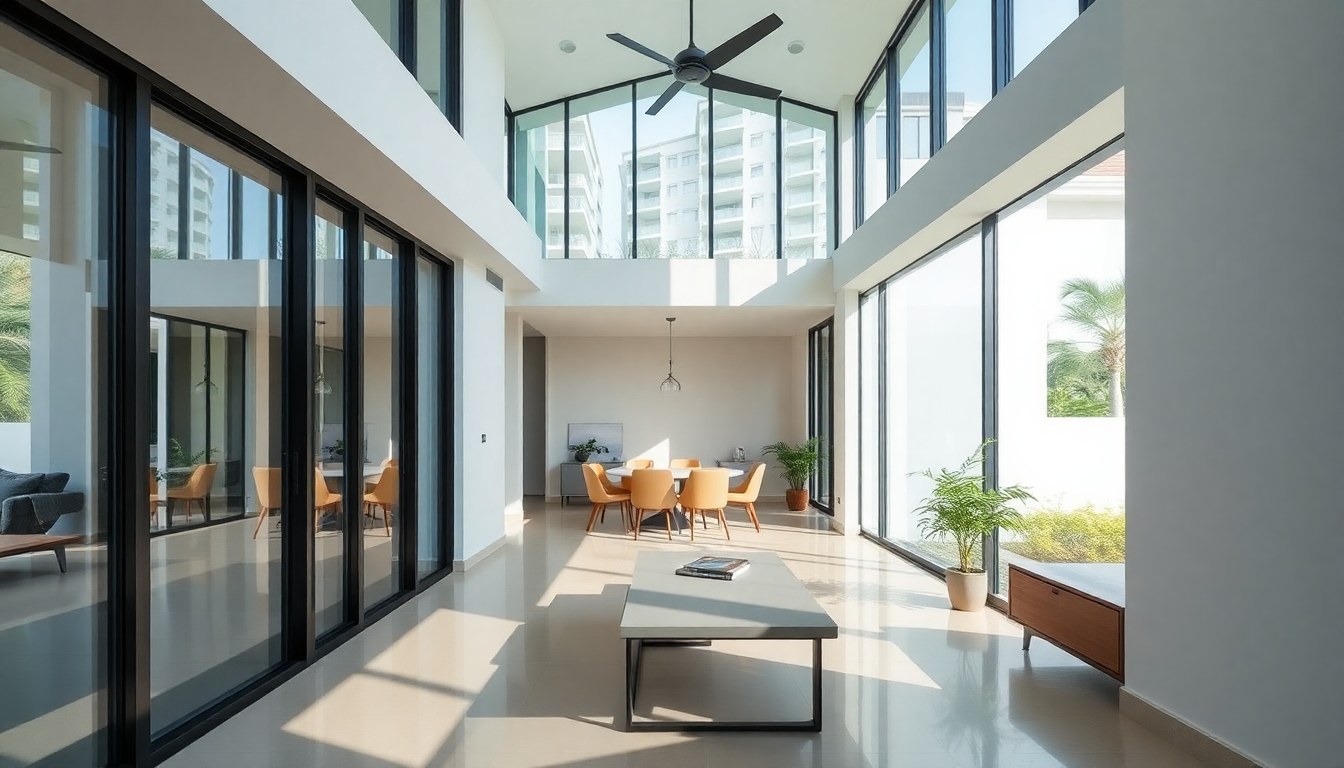
Bangalore's scorching summers push air-conditioning bills through the roof, with a significant portion of heat entering through windows. Low-emissivity (low-E) glass coatings are a proven technology that reflects infrared radiation while allowing visible light through, cutting cooling costs by 20–30% in tropical climates. If you're renovating or building in Bangalore, understanding how low-E coatings work and their return on investment could save you thousands of rupees annually.
What Is Low-E Glass Coating?
Low-emissivity glass is window glass treated with an ultra-thin metallic oxide coating—typically silver, tin oxide, or chromium—just a few nanometers thick. This coating is invisible to the human eye but acts as a thermal mirror, reflecting long-wave infrared radiation (heat) back outdoors while transmitting the visible light spectrum you need inside.
The term "emissivity" refers to a material's ability to emit thermal radiation. Normal glass has high emissivity (around 0.84), meaning it absorbs heat and re-radiates it indoors. Low-E coated glass reduces emissivity to 0.1 or lower, dramatically cutting heat transfer through windows—the weakest thermal barrier in most buildings.
Types of Low-E Coatings
- Hard-coat (Pyrolytic): Applied during glass manufacturing at high temperature. Durable, scratch-resistant, and suitable for tropical regions. Slightly higher solar heat gain.
- Soft-coat (Sputtered): Applied after manufacturing in a vacuum chamber. Superior thermal performance but more delicate; requires protective glazing units (IGUs). Common in cold climates.
For Bangalore's hot, humid climate, hard-coat low-E glass is typically the better choice because it withstands moisture and temperature fluctuations without degradation.
How Low-E Coating Reduces Heat in Bangalore Homes
Bangalore receives intense solar radiation, especially between March and May. Without low-E coatings, standard clear glass transmits about 85% of solar energy, converting it to heat inside. Low-E coatings work through selective spectral transmission—they allow 50–70% of visible light through while reflecting 60–80% of infrared radiation.
The Physics Behind Heat Rejection
When sunlight hits a window, it consists of ultraviolet (UV), visible, and infrared (IR) radiation. The metallic oxide layer in low-E glass acts as a dichroic filter: it has high reflectance for IR wavelengths (700 nm and above) while maintaining transparency in the visible range (400–700 nm). This selective behavior is why your room stays bright but cooler.
The coating also reduces radiant heat loss in winter (beneficial for air-conditioned spaces), though Bangalore's mild winters mean this advantage is modest. The real payoff comes from summer cooling load reduction.
Thermal Insulation Benefits for Bangalore Properties
The thermal performance of glass is measured by the U-value (heat transfer coefficient). Standard clear glass in a single-pane window has a U-value around 5.8 W/m²K. Insulated glass units (IGUs) with low-E coating and argon fill can achieve U-values as low as 1.5–2.0 W/m²K—a 65% improvement in thermal resistance.
Energy Savings in Practice
A 100 sq. ft. room with standard glass windows in Bangalore experiences approximately 3–4 kW of solar heat gain during peak afternoon hours. With low-E coated IGUs, this drops to 1–1.5 kW. Over a 6-month cooling season (March–August), this translates to roughly 400–600 kWh of reduced cooling demand per 100 sq. ft., depending on orientation, shading, and AC efficiency.
At Bangalore's average commercial electricity rate of ₹6–8 per unit, that's ₹2,400–4,800 in annual cooling savings for a modestly sized room. Larger homes or office spaces see proportionally greater absolute savings.
- Reduced AC runtime: Your compressor cycles less, lowering electricity consumption and extending unit lifespan.
- Better comfort: Fewer hot spots near windows mean more even indoor temperature distribution.
- Lower peak load: Reduced afternoon cooling demand can lower your electricity tariff slab in some regions.
- Glare reduction: Low-E coatings slightly reduce glare, improving visual comfort.
Cost & ROI Analysis for Bangalore Homes
Low-E coated IGUs cost 30–50% more than standard clear glass IGUs in India. For a typical Bangalore home with 150 sq. ft. of window area, upgrading from single-pane to low-E IGUs typically costs ₹45,000–75,000, depending on frame type (aluminum, uPVC, or timber) and glass thickness.
Payback Period Calculation
Using conservative estimates:
- Annual cooling savings: ₹6,000–10,000 (for 150 sq. ft. of windows)
- Upgrade cost: ₹60,000 (midpoint)
- Simple payback period: 6–10 years
However, this calculation often underestimates true ROI because it ignores intangible benefits: improved resale value (energy-efficient homes command 5–10% premiums in Bangalore's real estate market), enhanced comfort, and reduced maintenance on AC units. If you plan to stay in your home for 10+ years, low-E glass breaks even comfortably.
Factors Affecting Your ROI
Several variables influence whether low-E coating is worthwhile for your specific property:
- Window orientation: West and south-facing windows see the most solar gain; upgrading these first maximizes ROI.
- Existing shading: Homes with trees, awnings, or neighboring buildings blocking afternoon sun see lower savings.
- AC efficiency: Older, inefficient units benefit more from reduced cooling load than newer, already-efficient models.
- Electricity tariff: Bangalore's residential rates vary; higher rates improve payback math.
- Climate control patterns: Homes kept at 18°C see larger absolute savings than those maintained at 24°C.
For professional assessment, consult with experienced glass dealers in Bangalore. Royal Art Glass Work and N S Glass House offer site surveys and energy modeling to estimate your specific savings.
Installation & Maintenance Considerations
Low-E coatings are permanently bonded to glass during manufacturing or immediately after, so they don't degrade or need reapplication. However, proper installation is critical: low-E IGUs must be sealed in frames with desiccant and spacers to prevent moisture ingress, which can damage the coating.
Hard-coat low-E glass can be cleaned with standard glass cleaners and soft cloths, just like regular glass. Soft-coat variants require gentler handling and should not be exposed to moisture or abrasive materials during installation.
When renovating your Bangalore home, work with certified glass installers who understand low-E specifications. Designers like Yukta Interiors can advise on aesthetic and functional integration of low-E glazing into your interior scheme.
Comparing Low-E Glass to Other Cooling Solutions
Bangalore homeowners often weigh low-E glass against alternative heat-reduction methods:
- External shading (blinds, louvers, films): Cheaper upfront (₹10,000–20,000) but require regular maintenance and reduce natural light. Payback: 1–2 years but less permanent.
- Reflective window films: Cost ₹2,000–5,000 per window but degrade in 5–7 years and can trap heat between panes if applied to sealed units.
- Upgraded AC units: Modern inverter ACs are more efficient but don't address the root cause—solar heat gain through glass.
- Low-E glass: Higher upfront cost but permanent, requires no maintenance, and improves home value. Best long-term ROI.
Most energy experts recommend combining low-E glass with external shading for maximum efficiency: let low-E coatings handle diffuse radiation and night-time heat loss, while external shades block direct afternoon sun.
Frequently Asked Questions
Does low-E glass reduce natural light or change the color of my room?
No. High-quality low-E coatings transmit 60–75% of visible light, comparable to standard glass. Some users report a very slight blue or greenish tint when viewing the glass from outside, but interior lighting and color perception are virtually unchanged. The coating is so thin (0.1–0.2 microns) that it's invisible under normal viewing conditions.
Can low-E coating be applied to existing windows?
Not directly to installed windows. Low-E coatings are applied during glass manufacturing or in a vacuum chamber immediately after. You cannot retrofit an existing pane. However, you can replace old windows with new low-E IGUs—a common renovation in Bangalore. This is an ideal opportunity to upgrade if your windows are over 15 years old.
Is low-E glass safe for homes with children or pets?
Absolutely. Low-E coatings are inert metallic oxides bonded to glass. They do not emit gases, chemicals, or radiation. The coating is on the interior surface of sealed IGUs, so there's no contact risk. If the glass breaks, the coating remains harmless—it's not toxic.
How much can I expect to save on my electricity bill?
For a typical Bangalore home with 150–200 sq. ft. of windows, annual cooling savings range from ₹5,000–12,000, depending on factors like window orientation, existing shading, and AC usage patterns. West-facing windows deliver the highest ROI. Get a professional energy audit for a personalized estimate.
Does low-E glass work in winter, or only in summer?
Low-E glass reduces heat loss year-round, but Bangalore's mild winters (15–25°C) mean winter benefits are minimal compared to colder regions. The coating's primary advantage in Bangalore is summer cooling. However, it also reduces UV fading of furniture and curtains—a year-round benefit.
Final Thoughts: Is Low-E Glass Worth It for Your Bangalore Home?
Low-E glass coatings represent a smart, long-term investment for Bangalore properties facing intense solar radiation and rising electricity costs. With a payback period of 6–10 years and benefits extending 20+ years (the lifespan of quality glass), they deliver solid returns while improving comfort and home value.
The technology is proven, maintenance-free, and invisible—you get all the benefits without aesthetic compromise. If you're planning a renovation or new build in Bangalore, prioritize upgrading south and west-facing windows first to maximize ROI.
Ready to explore low-E glazing options for your home? Browse certified glass dealers and designers on glassy.in, India's largest glass-business directory. Compare quotes, read reviews, and connect with local experts who understand Bangalore's climate and building codes.